Ferrara Center For Patient Safety and Clinical Simulation
Welcome to the Ferrara Center for Patient Safety and Clinical Simulation.
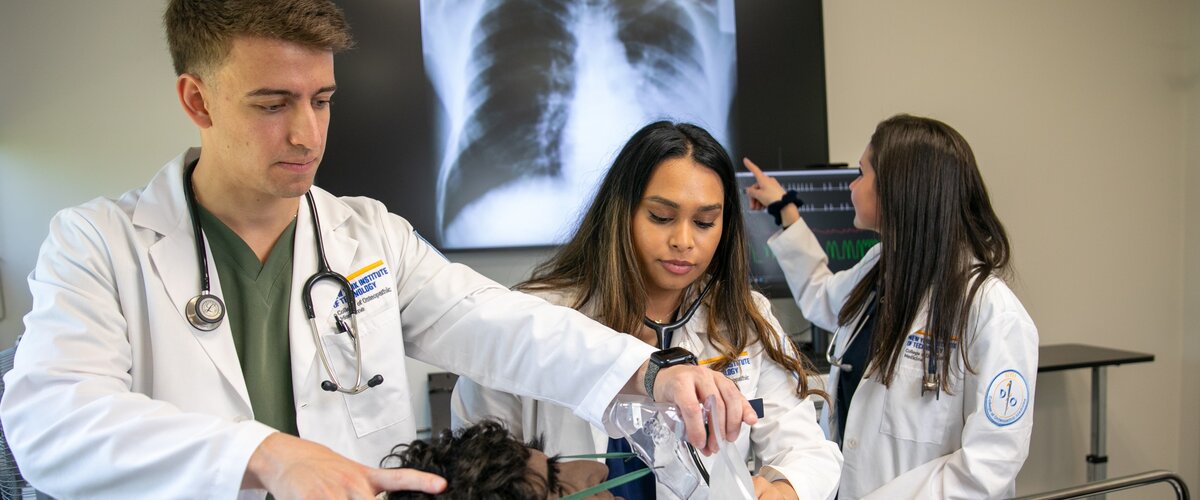
At the Ferrara Center for Patient Safety and Clinical Simulation, students in medical and allied health professions programs build confidence and competence through immersive, hands-on learning in realistic clinical environments.
Working collaboratively in teams with medical manikins or one-on-one with standardized patients, students practice essential clinical skills, conduct patient histories and physical examinations, and strengthen their medical decision-making in a safe, supportive setting.
The Ferrara Center provides multiple opportunities for students to develop the communication, clinical, and critical thinking skills that are essential for delivering exceptional patient care.
News and Videos from the Ferrara Center
Learn more about the Ferrara Center for Patient Safety and Clinical Simulation. Follow the links for videos and news releases below.
Videos
- Mass Casualty Incident Simulation 2026
- Mass Casualty Incident Simulation 2025
- Mass Casualty Incident Simulation 2024
- Official opening of the newly renovated Ferrara Center for Patient Safety and Clinical Simulation, October 2023
- Mass Casualty Incident Simulation 2023
About the Ferrara Center for Patient Safety and Clinical Simulation
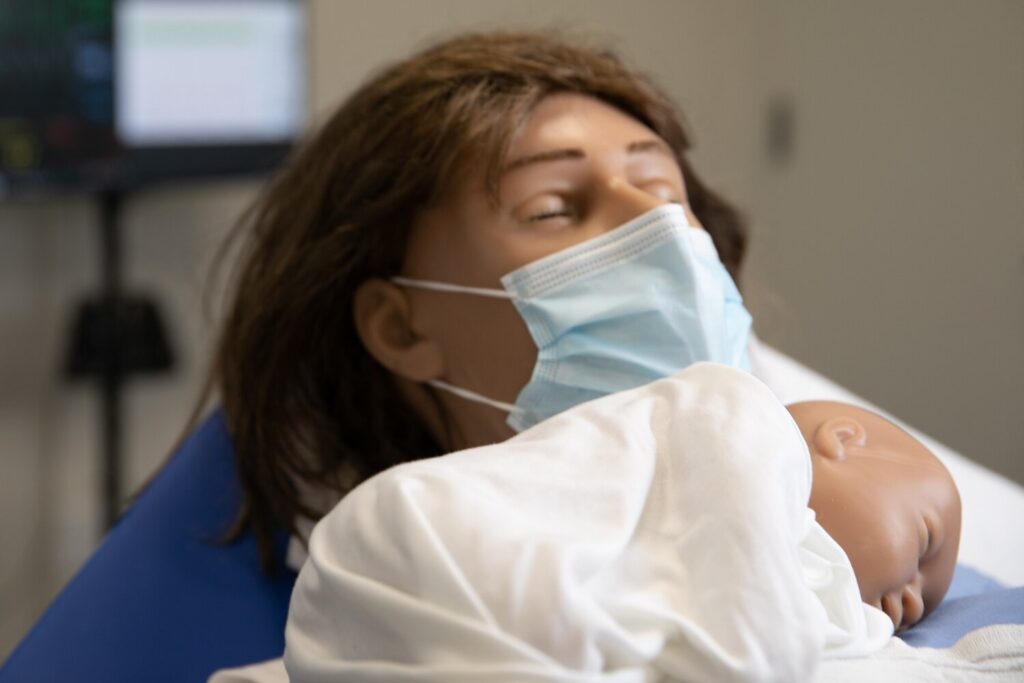
Simulation-based educational programs at the Ferrara Center are designed to develop learners’ proficiency in clinical procedures, physical examination, and effective communication during patient encounters. Programs feature encounters with task trainers, medical manikins, or standardized patients. Standardized patients are individuals specifically trained to portray patients authentically and consistently.
Programs take place in a variety of authentically simulated healthcare settings. These include:
- 16 fully equipped patient examination rooms as would be found in actual outpatient facilities
- A multi-purpose emergency room with nine treatment bays
- Two trauma rooms
- A dedicated pre-briefing room where learners prepare for simulation experiences
- Three flexible multi-purpose rooms that can be configured for meetings, training sessions, or classroom instruction
- Ten state-of-the-art high-fidelity manikins capable of speaking, responding to interventions, and accurately simulating normal physiology and complex patient conditions, including labor and delivery with maternal and infant simulators
- A variety of high- and low-fidelity manikins and task trainers used to teach Basic Life Support (BLS) and Advanced Cardiac Life Support (ACLS)
- Elevate Healthcare LearningSpace, a state-of-the-art clinical web-based audiovisual platform, used throughout the center for simulation management, performance assessment, video capture, and evaluation of clinical and communication skills
Message from Paula Ryo, DO
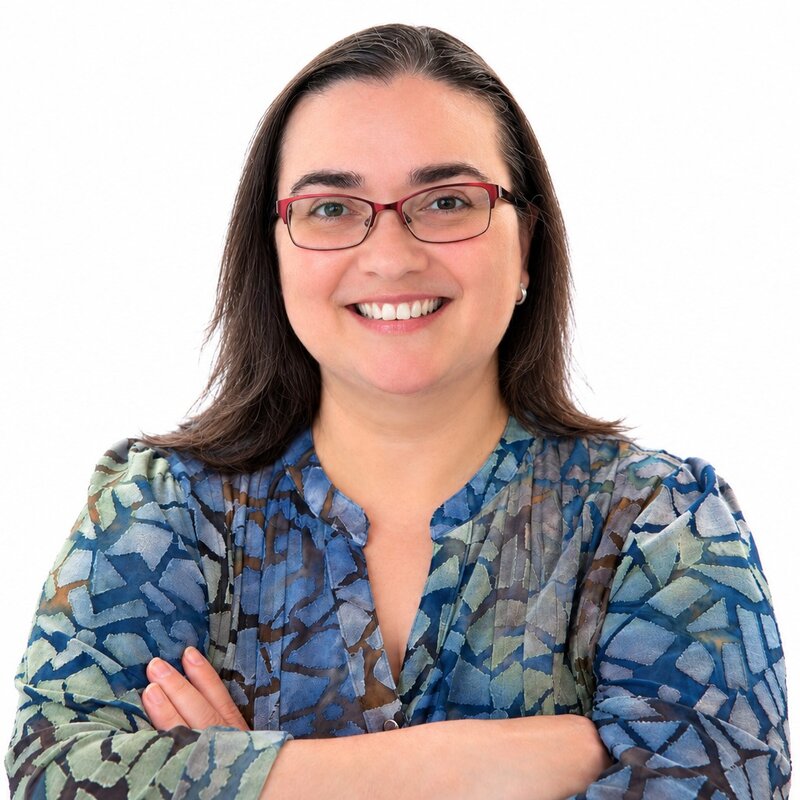
Associate Professor, Department of Family Medicine
Assistant Dean of Academic Affairs
Director of Simulation Learning
As a physician, I often reflect on how, in the past, we learned basic clinical skills during the first two years of medical school and were then sent into third‑year rotations to practice those skills directly on patients. Our clinical exposure varied widely depending on where we were assigned, and opportunities were often inconsistent. Over time, medical education has evolved from relying primarily on opportunistic clinical encounters to integrating simulation as a foundational instructional modality. Today, simulation is embedded throughout the undergraduate medical curriculum, providing learners with a safe, structured, and high‑fidelity environment in which to develop competence before entering clinical rotations and residency.
Simulation provides learners with opportunities to practice essential skills such as data gathering, physical examination, interpretation of findings within realistic patient scenarios, refinement of clinical reasoning, performance of common procedures, and interprofessional teamwork — all without risk to patients. It also supports equitable assessment by standardizing experiences that can vary significantly in clinical settings, ensuring every learner has the opportunity to demonstrate proficiency. Deliberate practice with timely feedback and self-reflection strengthens learner confidence, enhances patient safety, and elevates the overall quality of medical training.
At the Ferrara Center for Patient Safety and Clinical Simulation, our staff brings decades of experience and educational expertise to the design and execution of realistic, immersive scenarios for all our students. Their commitment to this work reflects their dedication to each learner and to the principles of high-quality, competency-based medical education. Our collective goal is to ensure that every student graduates as the best physician they can be and that they embrace being a lifelong learner. I am grateful that our students — and ultimately their patients — benefit from these experiences. As we continue to move forward, we remain committed to our students and to the ongoing advancement of patient-centered care.
Sincerely,
Paula Ryo, DO
Message from Mindy Roher, M.Ed.
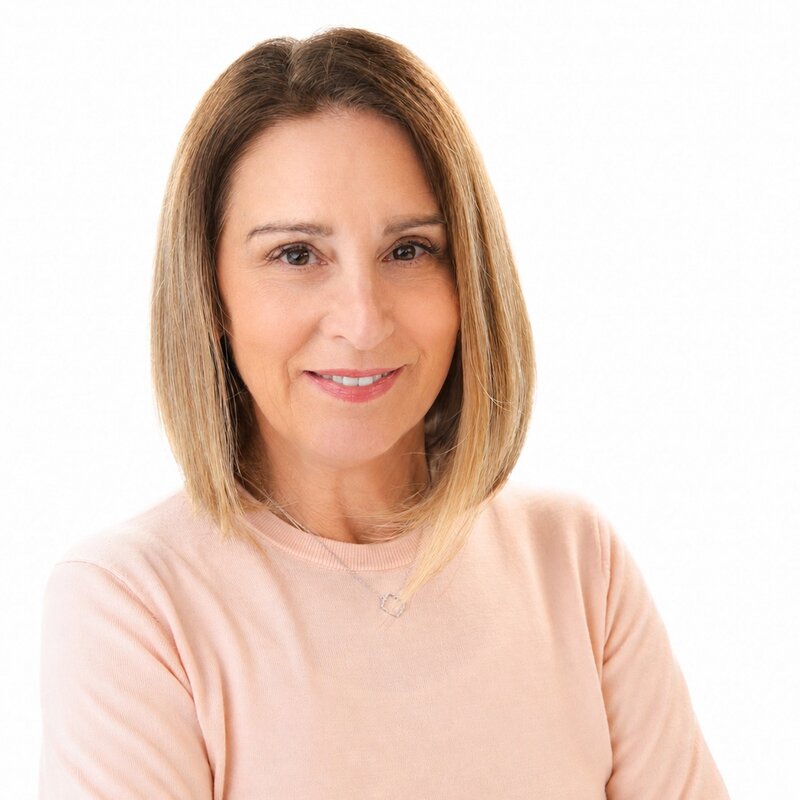
Director of Operations
The Ferrara Center for Patient Safety and Clinical Simulation
As Director of Operations for the Ferrara Center for Patient Safety and Clinical Simulation, I take great pride in our commitment to providing exceptional healthcare simulation experiences. We offer a safe, supportive environment, where learners work with high-fidelity manikins and standardized patients to practice essential proficiencies, receive constructive feedback, reflect on their performance, and repeat simulations as needed to build competence and confidence.
The Ferrara Center was among the first group of institutions to earn full accreditation in human simulation from the Association of Standardized Patient Educators (ASPE), reflecting our commitment to excellence in simulation-based education.
I am grateful to our dedicated staff and standardized patients, whose expertise and professionalism provide learners with invaluable opportunities to strengthen their clinical and communication skills. We remain committed to preparing the next generation of healthcare professionals through adherence to best practices, and an unwavering dedication to patient safety.
Sincerely,
Mindy Roher, M.Ed.
Manikin Simulation Program
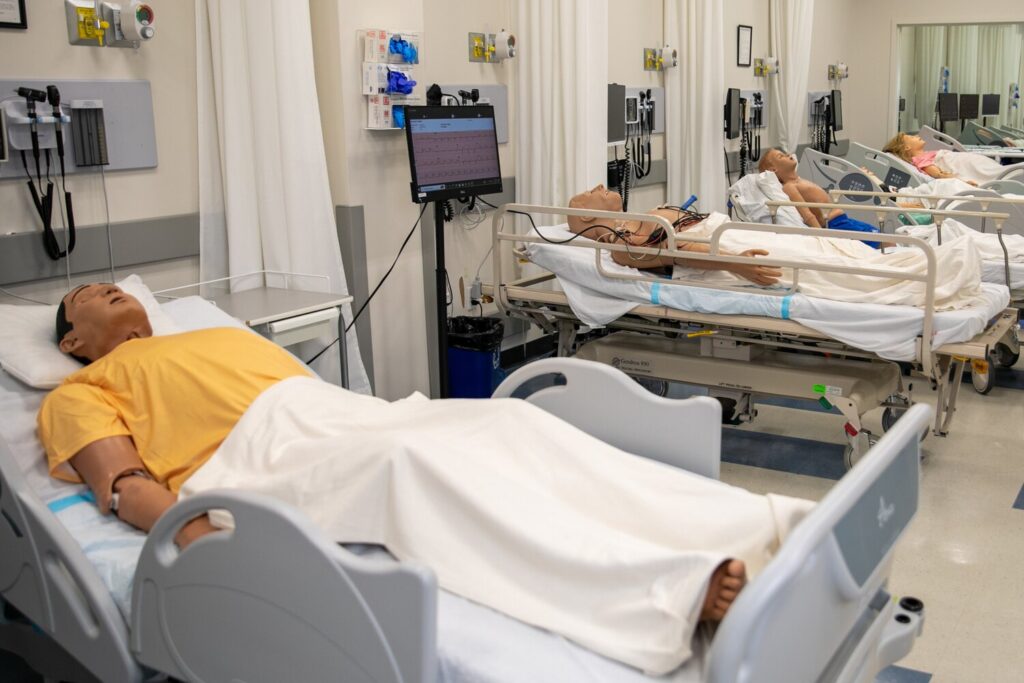
The Manikin Simulation Program at the Ferrara Center supports learners as they transition from faculty-guided instruction to clinical practice. The program provides multiple opportunities to safely perform life-saving skills on high-fidelity and low-fidelity manikins, as well as task trainers. In the process, learners strengthen clinical reasoning and higher-level patient communication through participation in realistic simulations.
Objectives include:
- Technical and procedural skills practice
- IV cannulation, endotracheal intubation, and Foley catheterization
- Medication administration
- Basic and Advanced Life Support (BLS & ACLS)
- Crisis Resource Management (CRM)
- Task delegation
- Stress management
- Resource utilization
- Communication and interprofessional teamwork
- Team leadership
- Team-based clinical assessment and collaboration
- Patient and family interaction
The ultimate goal of this program is to allow the students to develop confidence in the clinical skills they will rely on in their future occupations as health care providers, and to guide them to interact with professionalism and empathy.
Standardized Patient Program
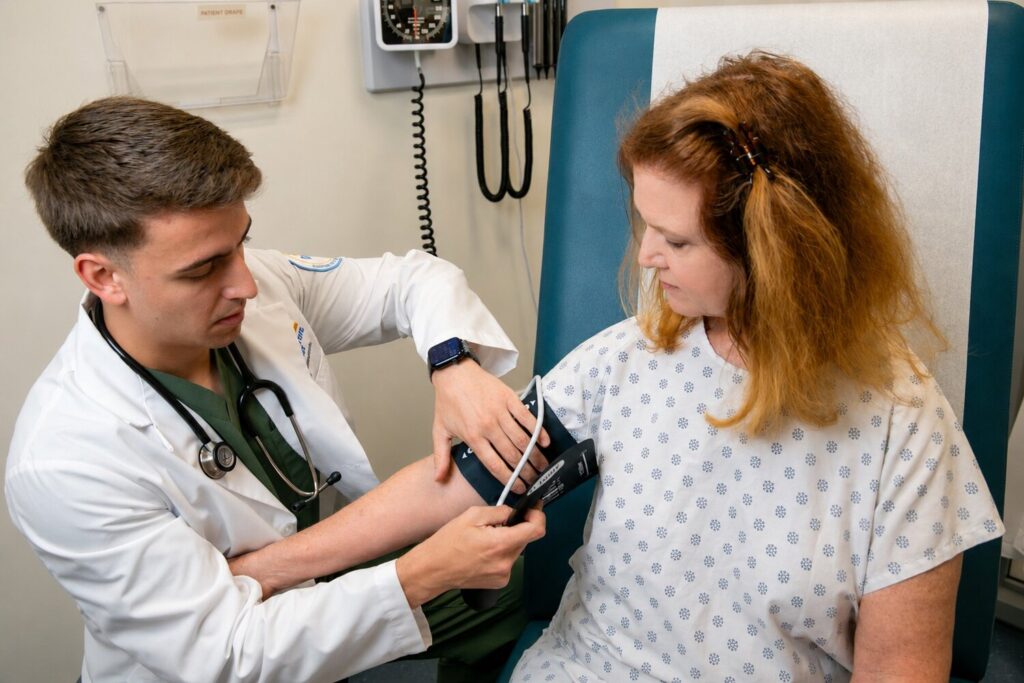
The Standardized Patient (SP) Program at the Ferrara Center is designed to support the ongoing development and assessment of clinical and communication skills through structured encounters with Standardized Patients (SPs). SPs are individuals extensively trained to portray patients accurately and consistently in realistic healthcare scenarios, to provide feedback, and to evaluate student performance.
The objectives of this program include:
- translating faculty instruction to patient care;
- providing learners with opportunities to practice history taking, physical examinations, clinical reasoning, and patient interactions in a safe environment;
- allowing learners to reflect on their work, and receive feedback on communication, professionalism, and clinical performance;
- developing communication skills by encouraging genuine curiosity in the patient experience – leading to increased empathy and rapport; and
- providing consistent standardized assessments through Formative Assessments (FAs), Clinical Skills Assessments (CSAs), and Objective Structured Clinical Examinations (OSCEs).
These combined objectives help ensure that students enter clinical practice with the knowledge, skills, behaviors, and confidence needed to provide safe, effective, and patient-centered care.
For more information about standardized patients or how to apply to become an SP at the Ferrara Center, please refer to the following section, Frequently Asked Questions – Standardized Patients.
Standardized Patient Videos


Frequently Asked Questions – Standardized Patients
What is a standardized patient?
A standardized patient (SP) is an individual who receives comprehensive training to portray a patient accurately and consistently in a simulated healthcare scenario. Training includes learning the patient’s history, symptoms, demeanor, and concerns. Portrayals must be repeated consistently and accurately to give multiple students an equal opportunity to practice their history and examination skills.
What happens during a patient encounter?
Patient encounters, which are an integral part of practice and assessment, are timed encounters typically lasting between 12 and 20 minutes. During this time, a student or group of students will ask medical history questions and, where needed, perform a physical examination and an osteopathic structural exam. SPs will provide feedback to the student regarding communication and patient comfort when it is required or appropriate to do so.
Are SPs actors?
Technically no. SPs should be able to authentically portray a variety of emotions and physical attributes; however, they must remain fully aware of the student in order to assess the learner’s performance fairly and accurately. They must be able to improvise within the framework of the simulation. Standardized patients use skills usually attributed to actors to provide accurate patient portrayals; however, their goal is to depict a realistic patient and to assess performance of the student rather than to entertain.
What is involved in SP training?
SPs receive extensive training on the specific skills, techniques and methods used in simulated medical education. They are trained to offer supportive feedback that provides opportunities for learners to self-reflect and for SPs to provide tips to improve patient experience. Prior to every program, SPs will be trained and supported on the specific cases included in the activity.
How will physical examinations be conducted?
When cases do not require physical examinations, SPs are expected to wear business casual attire. For programs where physical examinations are expected or required, faculty will be part of SP training to review what is expected of learners and any related physical exams that may be attempted. In these cases, SPs are expected to wear a patient gown and the appropriate undergarments which will be reviewed at training. Learners are expected to use the patient’s gown and a drape to protect patient modesty.
How can I apply to become a Standardized Patient at the Ferrara Center?
Frequently Asked Questions – Simulation-Based Medical Education
What is simulation-based medical education?
Simulation-based medical education (SBME) is an evidence-based teaching method that recreates real-world healthcare situations in a safe, supportive learning environment.
Using medical manikins (non-human simulators), standardized patients, task trainers, and immersive technologies, learners develop clinical skills, critical thinking, communication, and teamwork through hands-on practice. Guided debriefing and deliberate repetition allow participants to build competence and confidence before providing care to real patients, ultimately improving patient safety and healthcare quality.
What kinds of skills are learned using medical manikins?
Medical manikins – also referred to as patient simulators – provide learners with hands-on opportunities to practice patient assessment, clinical procedures, emergency response, critical thinking, communication, teamwork, and leadership in realistic clinical scenarios.
What is the difference between a high-fidelity and a low-fidelity medical manikin?
Medical simulation uses a range of manikins to meet different learning objectives. Low-fidelity manikins help learners develop foundational clinical and procedural skills through repeated hands-on practice. High-fidelity patient simulators recreate realistic patient encounters by displaying lifelike physiologic responses, allowing learners to assess, diagnose, communicate, and manage complex clinical situations.
What is a standardized patient?
Standardized patients (SPs) are individuals who are highly trained to portray patients, family members, or other roles authentically and consistently in realistic healthcare scenarios. They provide learners with opportunities to practice communication, history-taking, physical examination, clinical reasoning, and interpersonal skills.
What are the differences between working with medical manikins and working with standardized patients?
Medical manikins and standardized patients are complementary simulation modalities, each offering distinct educational advantages based on learning objectives.
Medical manikin programs allow learners to practice clinical assessment, procedural skills, emergency management, and teamwork using lifelike patient simulators whose physiologic responses change in real time based on the clinical interventions performed. They allow the student to experience complex medical conditions that cannot be recreated on a standardized patient such as arrhythmias, collapsed lungs, myocardial infarctions, amputations, etc. Medical manikins and task trainers also provide safe opportunities to learn and practice invasive procedures that would be potentially harmful to perform on actual patients.
Standardized patients (SPs) help learners develop skills to provide compassionate, patient-centered care. Through repeated encounters with SPs, combined with structured assessment and feedback, learners cultivate the habit of being curious about their patients—seeking to understand each person’s experiences. This curiosity fosters empathy and enables learners to provide care that is informed, individualized, and responsive to each patient’s needs.
What is the difference between a Formative Assessment (FA), Clinical Skills Assessment (CSA), and an Objective Structured Clinical Examination (OSCE)?
The Ferrara Center supports a range of assessment methods designed to foster learning and evaluate clinical competence.
Formative Assessments (FAs) are usually used to provide learners with low-stakes opportunities to practice skills, receive feedback, and improve through self-reflection and repetition.
Clinical Skills Assessments (CSAs) are usually summative assessments that are used to evaluate a learner’s ability to integrate clinical knowledge, communication, technical skills, and professional behaviors in realistic care scenarios.
Objective Structured Clinical Examinations (OSCEs) are summative, standardized comprehensive assessments in which learners rotate through a series of timed stations, completing clinical tasks that are assessed using objective scoring criteria to ensure fair and consistent evaluation.
Meet Our Staff
Paula Ryo, DO
Director of Simulation Learning
Associate Professor, Department of Family Medicine
Assistant Dean of Academic Affairs
Paula Ryo, DO, is a graduate of NYITCOM and trained as a family physician. She joined the full-time clinical teaching faculty of the Department of Family Medicine at NYITCOM in 2014. She is the Director of Simulation Education at the Ferrara Center for Patient Safety and Clinical Simulation where she coordinates the clinical aspects of simulated learning for our students. In addition, she also cares for patients in the Riland Academic Health Center of the Long Island campus, teaches clinical skills in the Doctor Patient Relationship courses, and coordinates the master’s degree program in medical/healthcare simulation. Prior to joining NYITCOM, she worked in graduate medical education as the Associate Director of the Department of Medical Education at Long Beach Medical Center.
Mindy Roher, M.Ed.
Director of Operations
Mindy Roher, M.Ed., has been a member of the NYIT community for 24 years. She began her career at the NYIT College of Engineering and Computing Sciences before transitioning in 2009 to the Institute for Clinical Competence (ICC) within the NYIT College of Osteopathic Medicine. The ICC eventually evolved into the Ferrara Center for Patient Safety and Clinical Simulation.
For the last decade, Ms. Roher has served as Director of Operations for the Ferrara Center. In this role, she oversees all day-to-day operations and directs the Center’s standardized patient and medical manikin programs. These programs have benefited thousands of students in medicine and the allied health professions, providing them with opportunities to practice and build confidence in their clinical and communication skills.
Ms. Roher also played a pivotal role in coordinating and managing the multi-million-dollar renovation and transformation of the ICC. The newly renovated facility was renamed the Ferrara Center for Patient Safety and Clinical Simulation in fall 2023.
Laurie Callen, MA
Director, Communication Skills Education
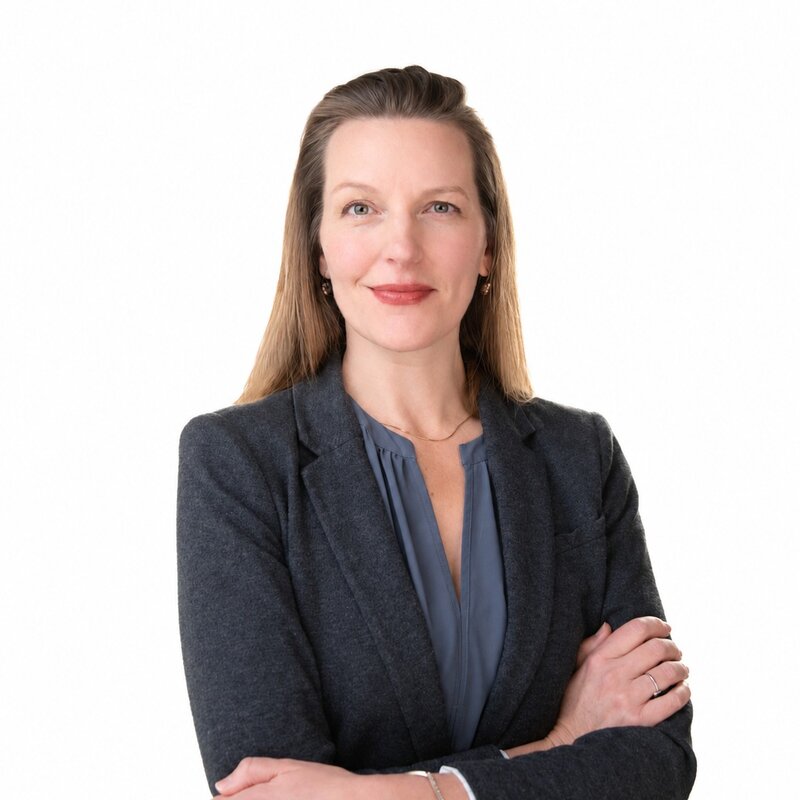
Laurie S. Callen, MA, is the first Director of Communication Skills Education at NYIT College of Osteopathic Medicine (NYITCOM) and works closely with the Ferrara Center, Academic Affairs and Clinical Education to promote and develop communication skills education across the four-year curriculum. Prior to this position, Ms. Callen was the Standardized Patient Educator at Saint Barnabas Hospital in the Bronx, where she served NYITCOM clerkship programs for over 10 years.
Since 2020 she has been the instructor for NYIT’s Medical/Healthcare Simulation M.S. Program, on the course entitled “Teaching and Assessing Communication Skills in Health Care.” Scholarly work includes presentations on novel communication skill strategies at the American Association of Colleges of Osteopathic Medicine 2025, The International Conference on Communication in Healthcare in 2019 and 2024. Ms. Callen was selected to co-author a module on nonverbal communication for Health Care Communication (formerly known as DocCom) in 2019 and authored a chapter on mobile medical simulations in Comprehensive Healthcare Simulation: Mobile Medical Simulation by Carstens and Paulman et al. (Springer Publishing: 2020).
Timothy Devine, EMT-P
Lead Simulation Specialist
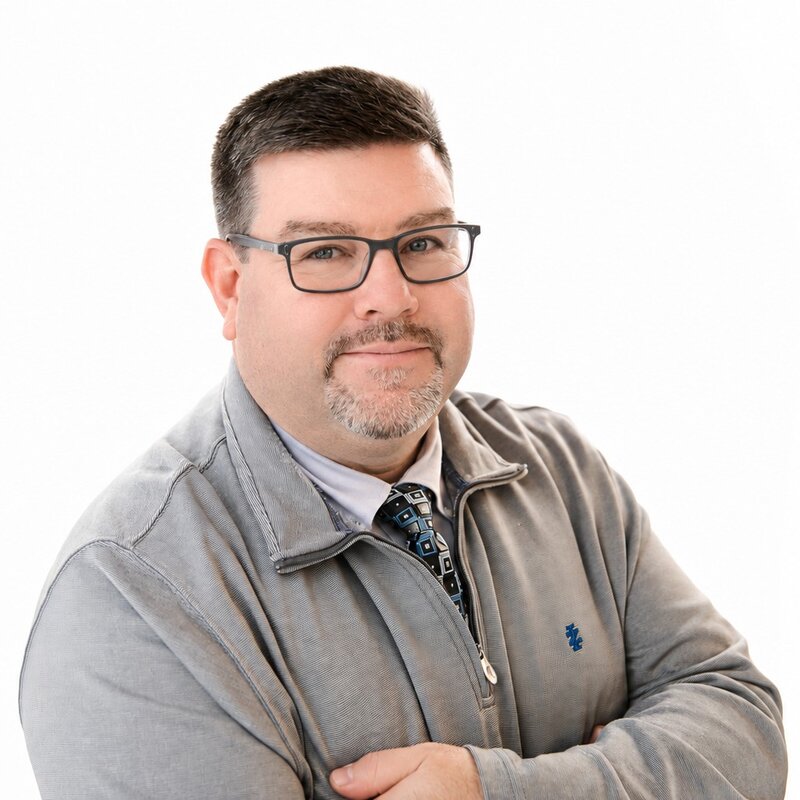
Tim Devine, EMT-P, is the Lead Medical Simulation Specialist. He is responsible for planning, coordinating, and directing medical manikin simulation events for students of medicine and a variety of allied health disciplines. He works with both static and high-fidelity manikins to create realistic, immersive clinical experiences that support educational objectives. These simulations provide students with opportunities to develop and practice clinical skills, including invasive medical procedures, in a safe, controlled environment. Tim collaborates with faculty to ensure that simulation activities are aligned with established educational goals, clinical practices, and best practices in simulation-based education.
Tim brings decades of experience as an Emergency Medical Technician–Paramedic, along with extensive experience teaching emergency medical and clinical skills. Throughout his career, he has trained thousands of students, drawing on his firsthand experience in emergency and prehospital care to help learners develop the knowledge, technical skills, clinical judgment, and confidence needed to provide safe and effective patient care.
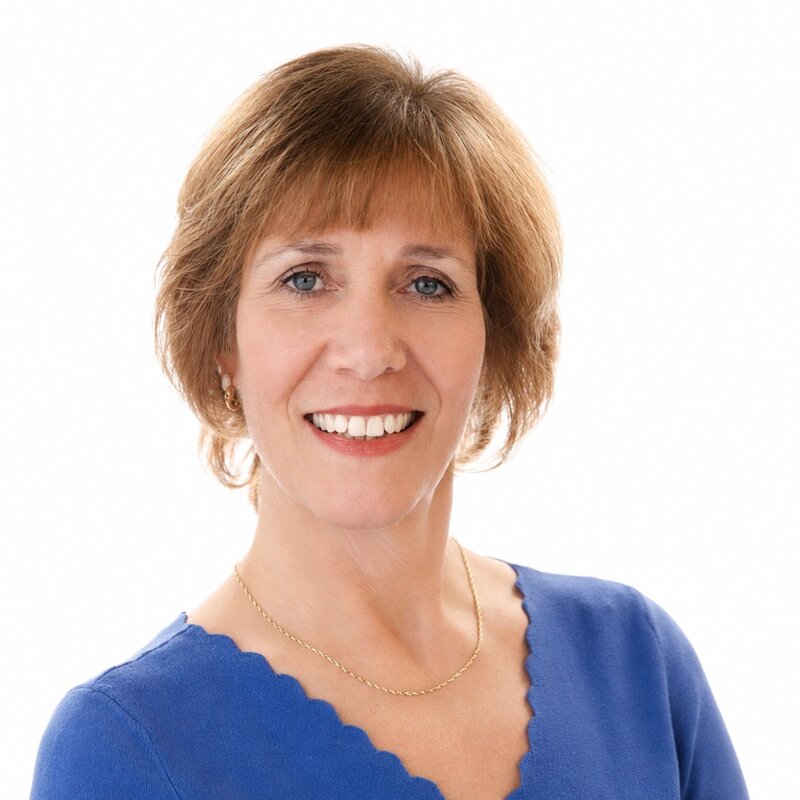
Lisa Culen, MS
Lead Standardized Patient Educator
Medical/Healthcare Simulation, M.S. Instructor
Lisa Culen, MS, has been with NYITCOM since September 2007, beginning as a Standardized Patient (SP) for 7½ years before becoming a Standardized Patient Educator and, ultimately, Lead Standardized Patient Educator at the Ferrara Center. She oversees the recruitment and training of SPs and plans, coordinates, and directs standardized patient programs for medical and allied health students. She ensures that these programs adhere to the Standards of Best Practice (SOBP) established by the Association of Standardized Patient Educators (ASPE), the leading global organization for best practices in human simulation.
Since 2020, Lisa has also served as an instructor in NYIT’s Medical/Healthcare Simulation M.S. Program, developing and teaching curriculum strictly adhering to ASPE SOBP. Her scholarly work includes professional presentations at International Conference on Communication in Healthcare (ICCH), 2019; ASPE Virtual Conference, 2021; ASPE Conference, 2024; and ASPE Conference, 2025.
In 2025, the Ferrara Center was recognized as an “ASPE Accredited Program” for its consistent adherence to ASPE best practices, becoming one of a select group of institutions to receive this designation. Lisa played an instrumental role in achieving accreditation and accepted the award on behalf of the Ferrara Center at the ASPE Conference in Montreal, 2025.
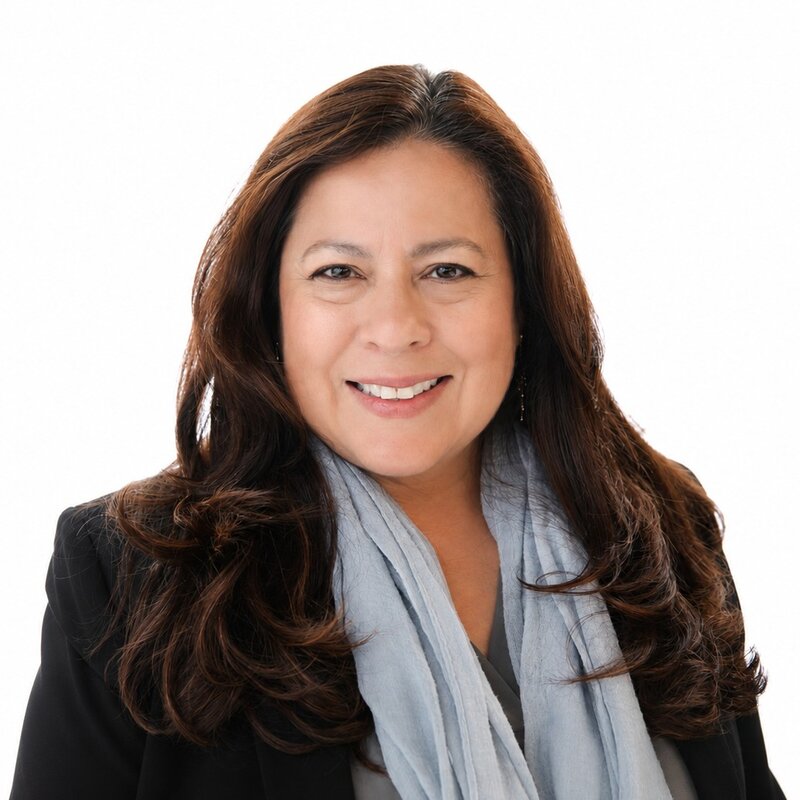
Monica Schlicting, BS
Simulation Support Specialist
Monica Schlicting, BS, Simulation Support Specialist at NYITCOM’s Ferrara Center, is responsible for managing the Elevate Healthcare LearningSpace software. This industry-standard digital platform records and assesses student performance by capturing audio, video, and standardized patient data. In this role, Ms. Schlicting designs and builds programmed simulation activities tailored to diverse learning objectives. Her responsibilities include configuring digital case checklists and assessment rubrics, recording schedules and session parameters, and system announcements and user notifications.
Monica’s background spans IT, technical problem-solving, medical office management, and standardized patient work. This diverse expertise gives her the unique insight required to manage emerging educational technologies, elevate communication skills training, and create confidence-building learner experiences.
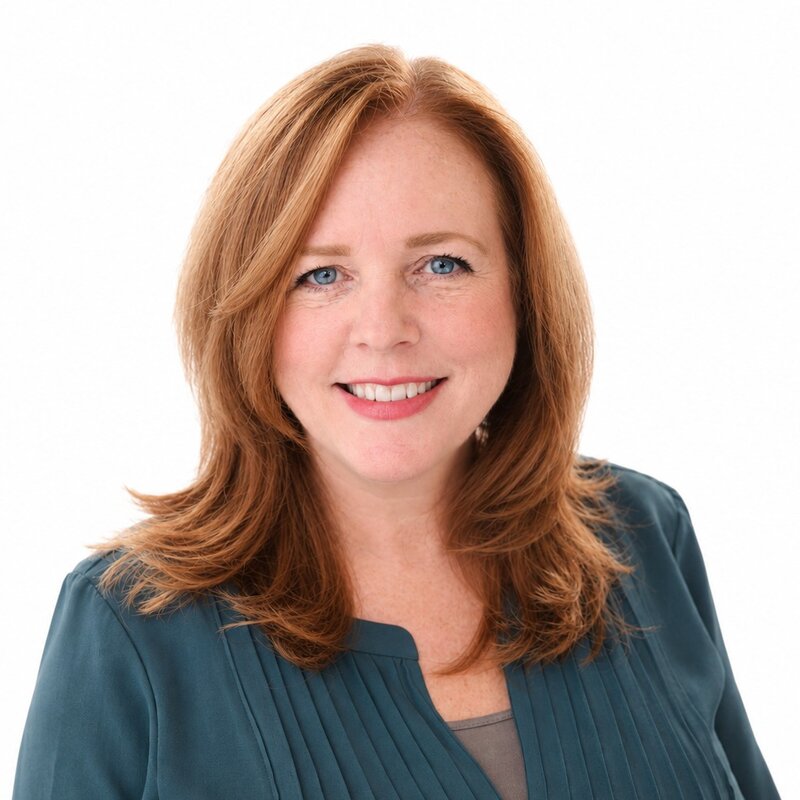
Patricia Curran Whiteman, MSEd
Standardized Patient Educator
Patricia Curran Whiteman, MSEd, serves as a Standardized Patient (SP) Educator at the Ferrara Center for Patient Safety and Clinical Simulation, bringing extensive experience in experiential learning, career education, and the performing arts to healthcare education. Before becoming an SP, she spent many years helping students develop career readiness through internships, reflective practice, and experiential learning. She later joined the Ferrara Center as an SP, using her performance experience to help healthcare learners strengthen their communication and clinical skills.
Now, as an SP Educator, Ms. Curran Whiteman trains and calibrates SPs, develops educational resources, reviews and edits cases, and coaches SPs in delivering accurate, consistent, and emotionally authentic patient portrayals. She collaborates with faculty and staff to strengthen SP programs and create meaningful simulation experiences that support patient-centered practice.
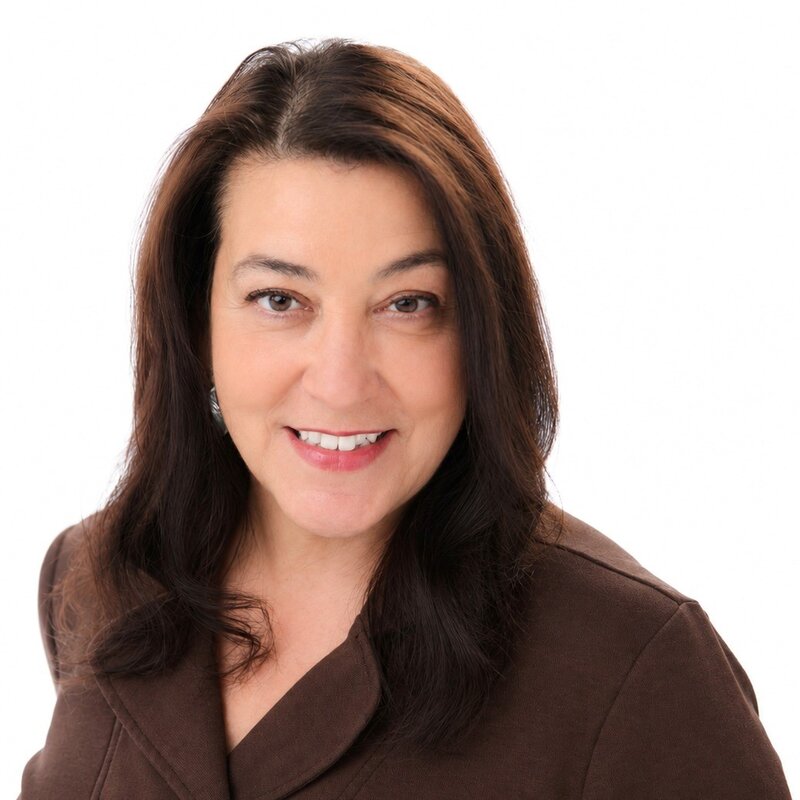
Dolores de Poto-Sarli, RCS
Simulation Technician
Dolores de Poto-Sarli, RCS, has more than 25 years of experience in the medical field as a Registered Cardiovascular Technician. Her extensive clinical background provides a valuable foundation for her role in supporting and staging the many simulation programs offered through the Ferrara Center. Her responsibilities include preparing and staging high-fidelity and low-fidelity manikins, task trainers, and specialized medical-grade supplies to create realistic, immersive simulation experiences. She also oversees and maintains inventory of simulation supplies and assists with IV insertion, intubation, Advanced Cardiac Life Support (ACLS), and Basic Life Support (BLS) training modules.
In addition to her technical responsibilities, Dolores actively draws from her real-life medical experiences to help create authentic and meaningful simulations, allowing students to practice clinical, communication, and decision-making skills related to real-life medical situations. Through her clinical expertise, attention to detail, and commitment to creating realistic learning environments, Dolores contributes significantly to the overall effectiveness of the simulation programs at the Ferrara Center.
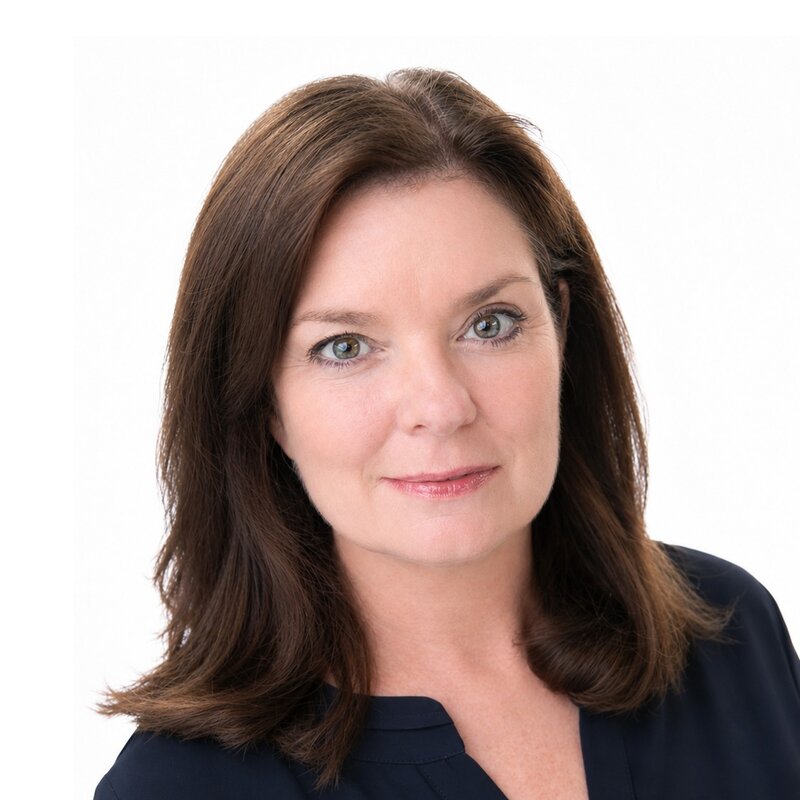
Jennifer Lozipone, RN, BSN
Simulation Lab Coordinator
Jennifer Lozipone, RN, BSN, is a Registered Nurse with corporate healthcare experience in Quality Management. As Simulation Lab Coordinator at the Ferrara Center for Patient Safety and Clinical Simulation, she combines her clinical expertise and administrative experience to support the delivery of high-quality medical simulation education in a safe and supportive learning environment.
Jennifer serves as a key point of contact for students, faculty, administrators, and visitors, helping ensure that each person feels informed and supported throughout their experience at the Center. She oversees the preparation of simulation spaces and patient examination rooms, ensuring they are fully equipped with the necessary documentation, equipment, and supplies for each scheduled activity. Her attention to detail and organizational skills help keep the simulation lab running smoothly and ensure that programs are ready to meet the needs of learners and faculty.
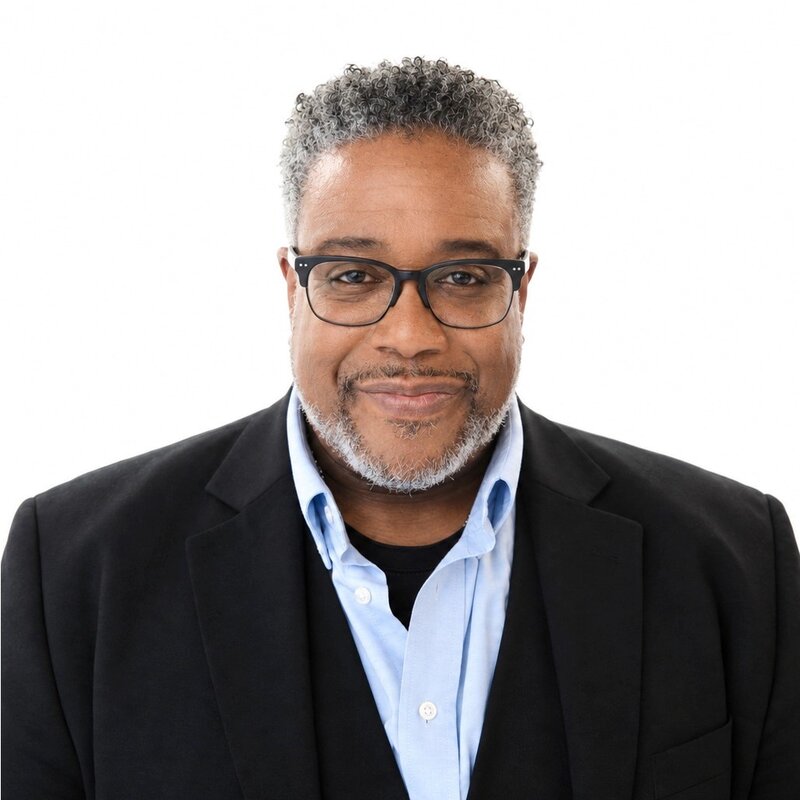
Seymour Burgess, MS
Standardized Patient Instructional Support
Sy Burgess, MS, has worked simultaneously in communications, healthcare, and the performing arts for more than 40 years. This unique combination of experiences led him to join NYIT in 2013 as a standardized patient (SP), using his acting, communications, and instructional background to help learners develop their skills. In 2023, Sy transitioned to the position of SP Instructional Support – assisting in SP training, creating audiovisual and digital training materials, and providing real-time coaching to ensure accurate, consistent, and authentic patient portrayals. In addition to SP education, Sy has contributed to website development, proposal writing, and a variety of special projects that support the Center’s educational and operational goals.
From 2023 through 2026, Mr. Burgess authored Acting for Standardized Patients: A Module for Actors, Non-Actors & SP Educators, the first peer-reviewed learning module specifically created for standardized patients. The module is a collaboration between the Ferrara Center and the Association of Standardized Patient Educators (ASPE), the preeminent international organization authoring standards of best practice in the field of human simulation. Sy presented this module at the ASPE 2026 Conference in St. Louis, MO.

Chengusoyane Kargbo, AAS
Simulation Administrative Assistant
Chengusoyane Kargbo, AAS, comes to NYIT from a background in acting. She began her journey at NYIT as a standardized patient, where she enjoyed portraying a variety of patients while helping medical students develop their clinical and communication skills.
Now serving as Simulation Administrative Assistant, her responsibilities include assisting with standardized patient case training, maintaining student data in Elevate Healthcare LearningSpace, and helping create simulated healthcare environments that align with learning objectives. She also maintains student records, including attendance and current program status, and assists with departmental administrative needs as they arise.
Contact
New York Institute of Technology College of Osteopathic Medicine
Ferrara Center for Patient Safety and Clinical Simulation
W. Kenneth Riland Academic Health Care Center
600 Northern Boulevard
Old Westbury, NY 11568