Healthcare Providers Feel Unprepared to Counsel Patients on Medical Marijuana
A new study by researchers from the College of Osteopathic Medicine (NYITCOM) finds that most healthcare professionals in the United States feel they lack the training and knowledge to discuss medical cannabis with their patients.

The U.S. Drug Enforcement Agency currently categorizes marijuana as a Schedule I substance (considered to have high abuse potential, with no accepted medical indication). However, in 2023, the Department of Health and Human Services recommended that marijuana be moved to Schedule III, citing the drug’s potential for therapeutic use, including in patients with cancer-related adverse effects, infections, and skin and neurological disorders.
Today, 38 states have legalized medical cannabis, with 14 having a comprehensive medical-only program. In addition, nine states have medical cannabis programs allowing only CBD/low-THC products for qualifying medical conditions as defined by their state. As such, the drug cannot be prescribed by a standard prescription; prescribers can only recommend it to patients with a qualifying medical condition, and regulations vary greatly between states.
Now, as seen in the journal Medical Cannabis and Cannabinoids, NYITCOM investigators find that most healthcare practitioners feel inadequately prepared to counsel their patients on the drug.
The team, which includes Associate Professor Maria Pino, Ph.D., Assistant Professor Eleanor Yusupov, D.O., and Medical Librarian Stephanie Lopez, analyzed 41 studies on healthcare provider attitudes toward medical cannabis. The data, gathered from studies published between January 2013 and February 2025, included responses from physicians, medical trainees, and other healthcare professionals across multiple clinical specialties, with some specialists expressing contrasting views:
- In general, oncologists, emergency medicine physicians, palliative care providers, pain management specialists, and primary care physicians perceived that medical cannabis benefits chronic pain, nausea, loss of appetite, depression, and other symptoms.
- Most obstetric providers had unfavorable perceptions about perinatal use, while most pediatricians would not recommend its use in children.
- Neurologists still perceive a stigma regarding medical cannabis use in epilepsy treatment.
- Most physicians believed that medical cannabis is harmful to patients with congenital heart disease.
- Overall, physicians practicing in states where medical marijuana is legalized and providers with more years of practice were more comfortable recommending the drug and counseling patients.
“Medical marijuana has gained increased public and political support in the United States. With many states now easing restrictions on cannabinoid access for medical purposes, healthcare professionals will need to adapt. Namely, they need to be trained and educated so that they can more confidently and more safely counsel their patients,” said Pino, a licensed New York State pharmacist and the study’s lead author. “Effectively training healthcare professionals on this drug is also a necessary step toward improving patient care and reducing potential stigma associated with medical vs. recreational cannabinoid use.”
In addition, the authors note that “there is minimal scientific research, which delays the development of evidence-based guidelines” on medical marijuana use.
More News

The Domino Effect
New York Tech’s Research Experiences for Undergraduates program has spent more than a decade turning summer research opportunities into lasting careers, helping build the university’s research reputation along the way.

New York Tech To Be Ranked Among National Universities
For the 2027 U.S. News & World Report annual rankings, New York Tech will be included in a new ranking category—National Universities.
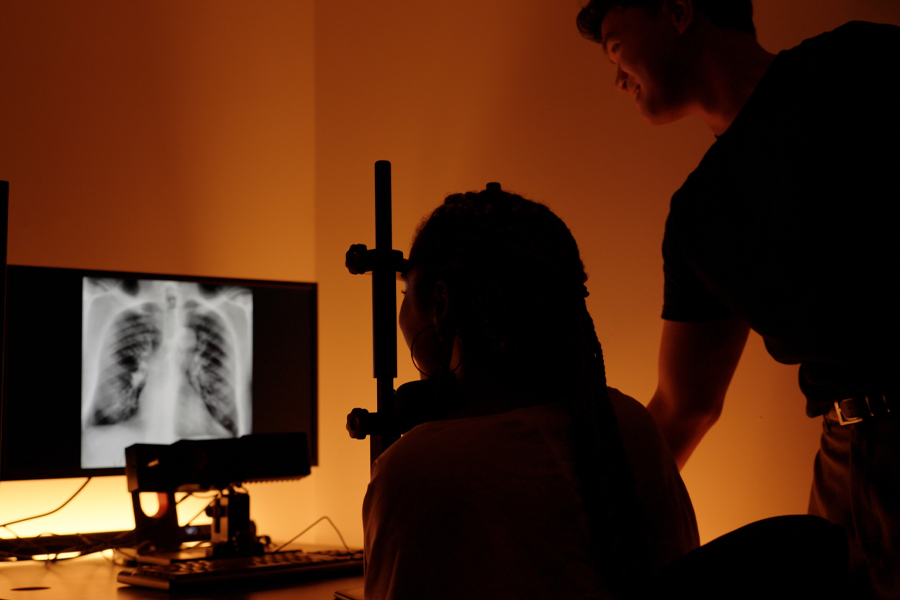
Exploring How AI Tools Can Improve Lung Cancer Detection
Research by Assistant Professor Robert Alexander, Ph.D., and student Talia Lilikakis assesses how AI tools can most effectively alert radiologists of the possible presence of a nodule.
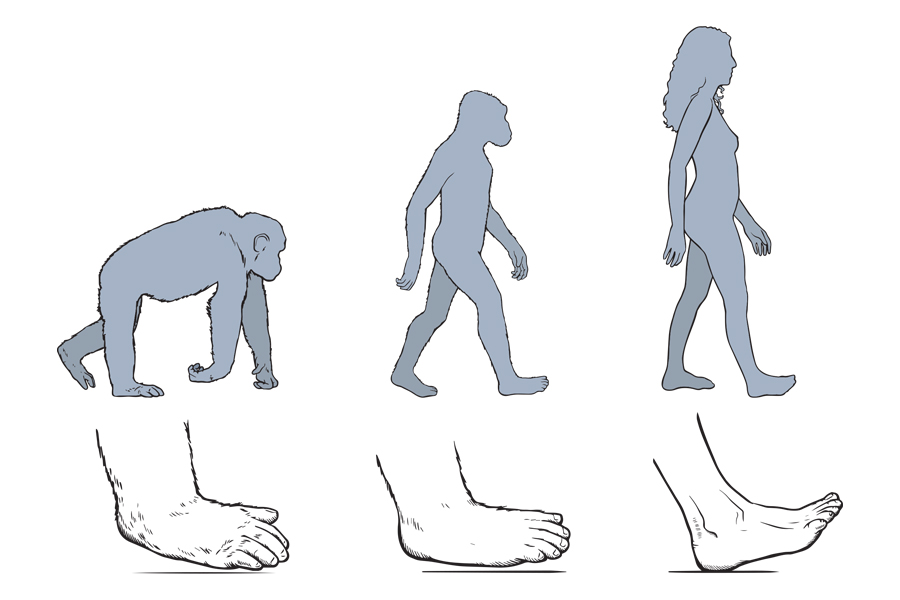
The Evolutionary Significance of Humans’ Unique Heel-Toe Walking Pattern
Associate Professor of Anatomy Nathan E. Thompson, Ph.D., contributes to research unveiling clues to the origin of humans’ stride pattern.
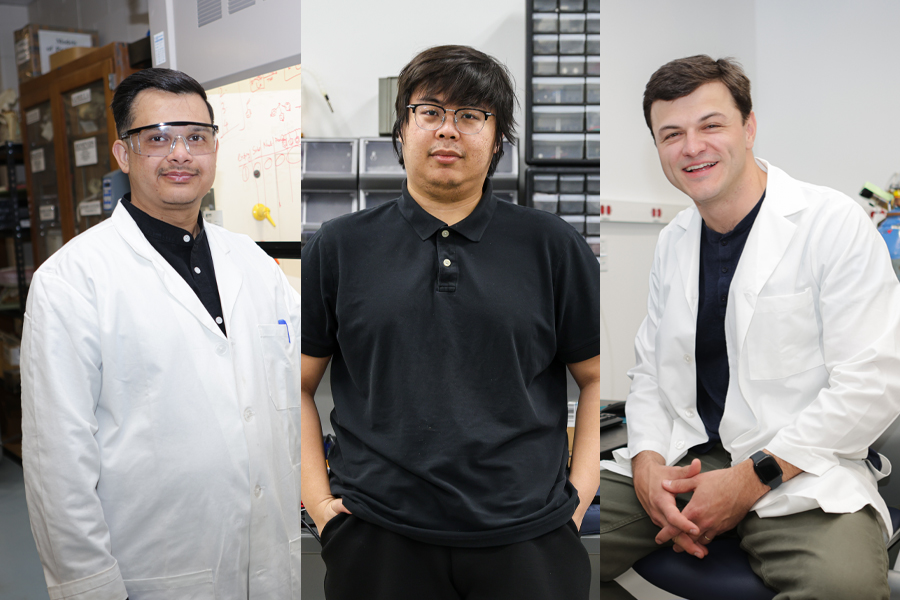
Robust Research
New York Tech’s commitment to research paves the way for important and groundbreaking work. Meet three Ph.D. students whose work may improve disaster response, recovery after muscle and bone injuries, and anticancer therapies.
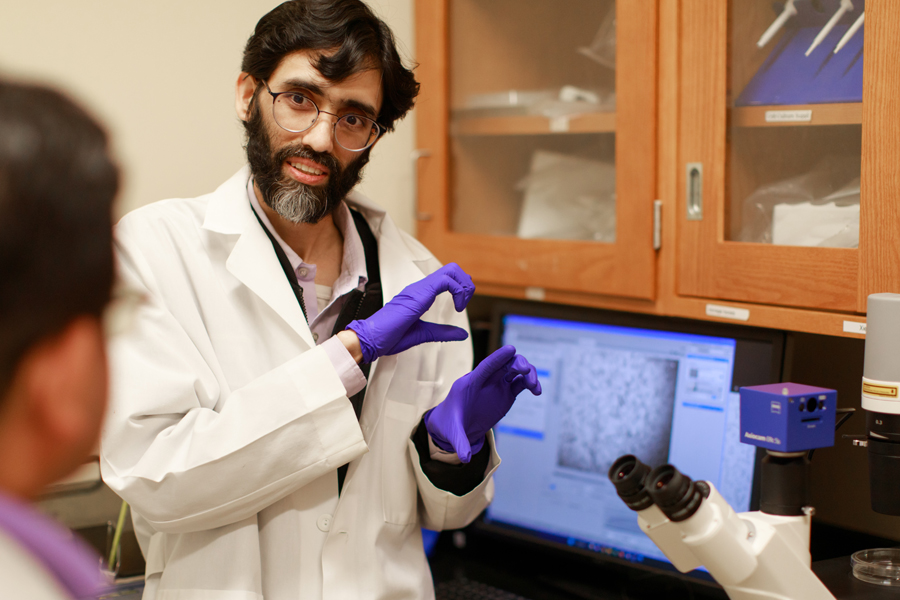
NYITCOM-Arkansas’ Rajagopalan Receives $573K NIH Grant for Cardiovascular Disease Research
The funding will further Associate Professor Viswanathan Rajagopalan’s research regarding the impact thyroid dysfunction has on cardiovascular disease.