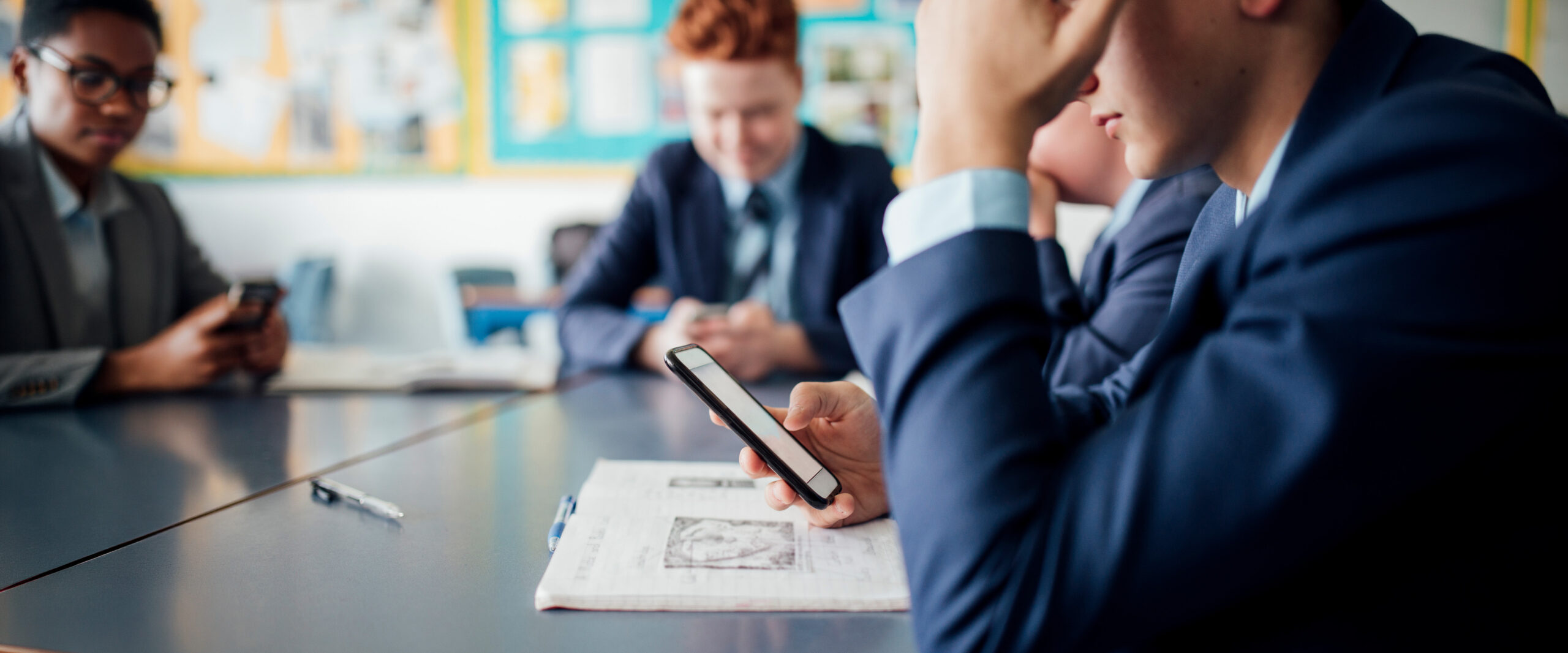
New research by Associate Professor of Psychology and Counseling Melissa DiMartino, Ph.D., finds that smartphones negatively impact middle school students’ psychological well-being, reducing mindfulness and potentially increasing bullying in the classroom.
Published this spring in the Journal of Educational and Developmental Psychology, the study examines how smartphone access impacts course comprehension, mindfulness, and anxiety among adolescents.
Twenty-five students in grades 6 through 8 at a private school in Hicksville, N.Y., were observed under two conditions: two weeks with no phone access (smartphones were removed for the entirety of the school day), vs. two weeks where smartphone use was only restricted during lessons. Across both conditions, students then completed surveys measuring their classroom experience and psychological state. Teachers were also interviewed to provide additional observations.
The findings revealed a clear pattern: when students had access to their smartphones, mindfulness scores significantly decreased. Teacher observations reinforced this finding, reporting that students appeared more distracted and increasingly detached when smartphones were permitted. This finding is especially important given that brain development is actively occurring in adolescents and the ability to focus and be present is closely linked to learning and emotional regulation.
All four teachers surveyed also reported that students socialized significantly less during those two weeks, with two teachers noting that students’ confidence decreased while isolation increased. To quote one educator, “Normal conversations stopped. They seemed more isolated since they were just staring at their screen and not interacting with one another.”
In addition, two teachers noted that students even began arguing more frequently toward the end of the two-week period when phones were permitted, and some observed a rise in other negative social behaviors, including instances of bullying linked to social media use.
However, the study found no considerable differences in course comprehension or anxiety when smartphones were removed vs. present. These findings are notably different from the outcomes of DiMartino’s 2022 study on the impact of smartphones in the college classroom, which showed that phones reduced course comprehension and contributed to increased anxiety among older students. DiMartino believes some of these differences may be attributed to the increased academic demands faced by today’s middle schoolers, and the fact that removing smartphones—which have been ever-present in their lives since birth—could, in fact, induce some level of anxiety.
“Regardless of smartphone access, the heightened academic pressures that today’s middle school students now face may have kept them more focused on their work,” she says. “What’s interesting is that some middle schoolers may have actually experienced less anxiety when their phones were nearby because they’ve become so accustomed to never having to be without them. It makes a lot of sense if you think about it—smartphones have become so ubiquitous in society that this age group has likely never been in an all-day environment where phones weren’t accessible.”
While the study is limited by its sample size and duration, the findings offer early evidence that restricting smartphone use during school hours may support psychological well-being and class participation among middle school students. At a time when many K-12 schools in the United States are considering smartphone bans and extreme restrictions, DiMartino’s research suggests that even modest limitations could be enough to encourage more engaged and productive learning environments.
More Features
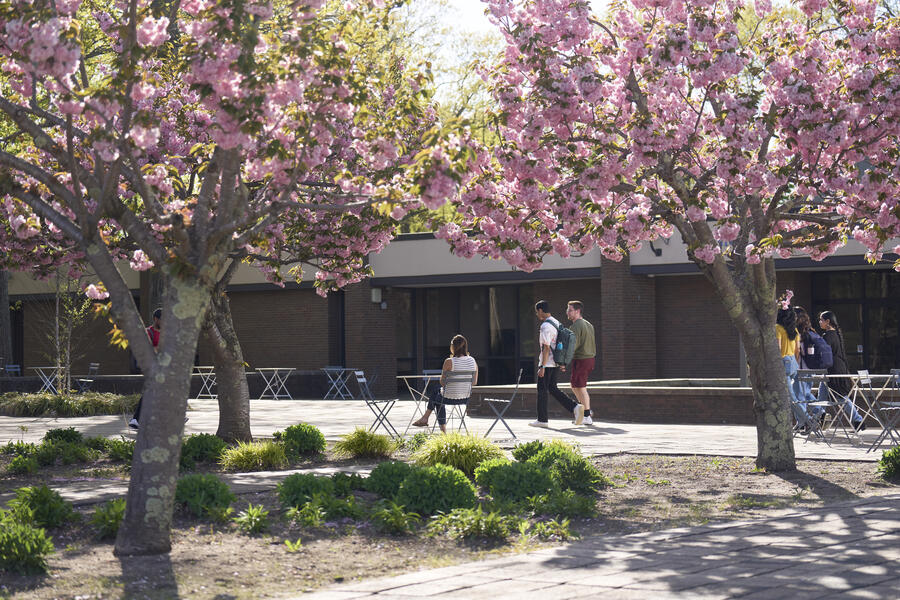
New York Tech To Be Ranked Among National Universities
For the 2027 U.S. News & World Report annual rankings, New York Tech will be included in a new ranking category—National Universities.
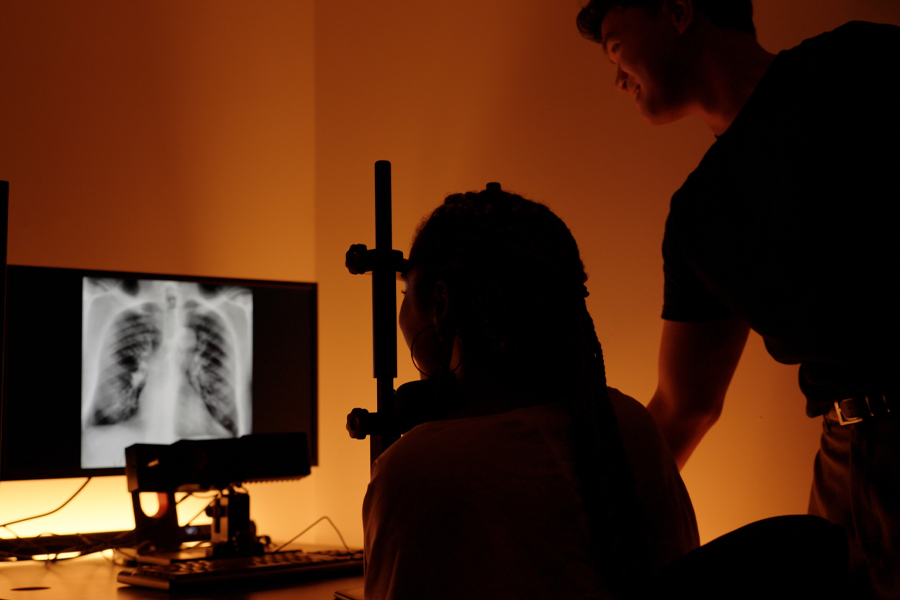
Exploring How AI Tools Can Improve Lung Cancer Detection
Research by Assistant Professor Robert Alexander, Ph.D., and student Talia Lilikakis assesses how AI tools can most effectively alert radiologists of the possible presence of a nodule.
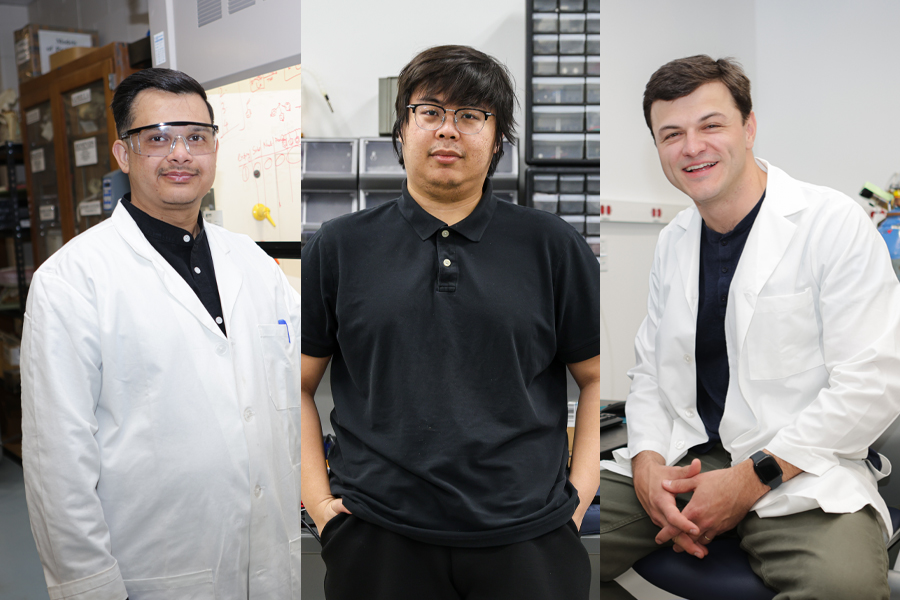
Robust Research
New York Tech’s commitment to research paves the way for important and groundbreaking work. Meet three Ph.D. students whose work may improve disaster response, recovery after muscle and bone injuries, and anticancer therapies.
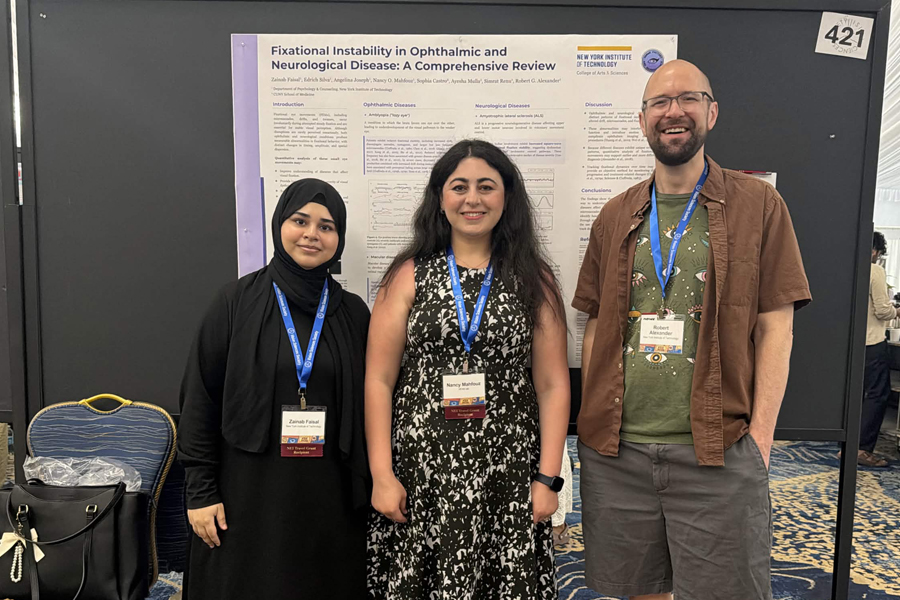
Eyeing the Future of Vision Science
Assistant Professor of Psychology and Counseling Robert Alexander, Ph.D., and two students traveled to Florida to present two studies at a vision sciences conference.
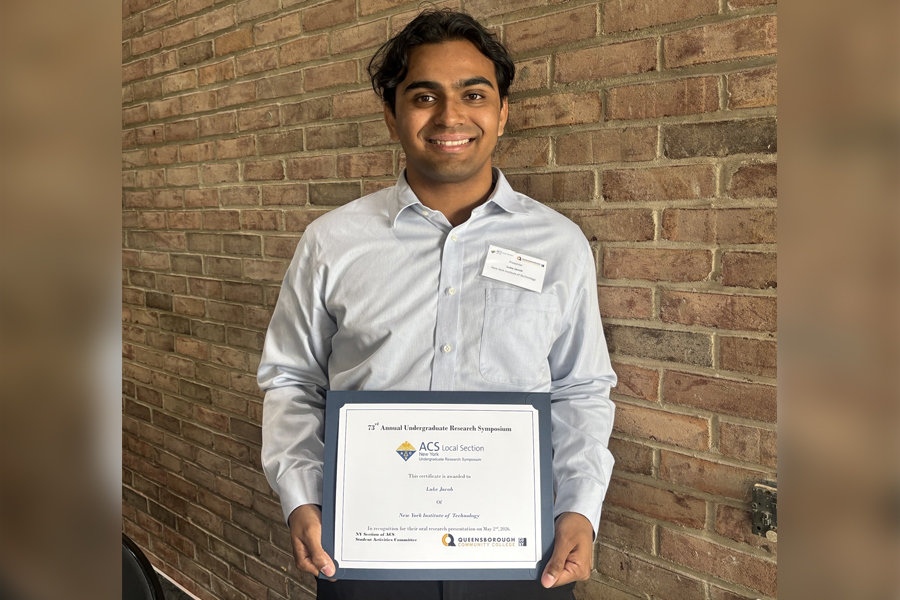
From Early Exposure to Lasting Impact
How undergraduate research in medicinal chemistry and biomedical sciences enhances student Luke Jacob’s educational journey.
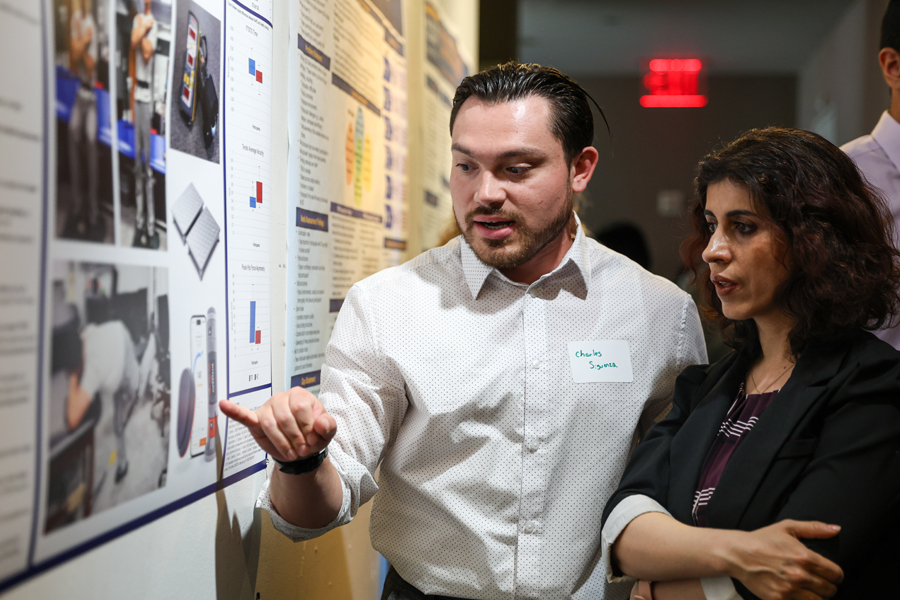
A SOURCE for Impressive Student Research
New York Tech’s 23rd Annual Symposium of University Research and Creative Expression (SOURCE) featured hundreds of students’ research and scholarly work.