From Early Exposure to Lasting Impact
For many science majors pursuing careers in medicine, biomedical research, graduate study, or health professions, classroom learning is only the beginning. Firsthand research experience provides something that lectures and textbooks alone cannot: the opportunity to ask original questions, solve real scientific problems, troubleshoot experiments, and experience the discipline, patience, and creativity that drive scientific discovery.
This is especially important for pre-medical and life sciences/osteopathic medicine (B.S./D.O.) students, who are preparing to enter fields where biomedical knowledge, critical thinking, and evidence-based decision-making are essential. However, many undergraduate students complete only a single-semester research course, which can introduce them to research but may not provide enough time to fully develop technical independence, scientific confidence, and mentorship skills.
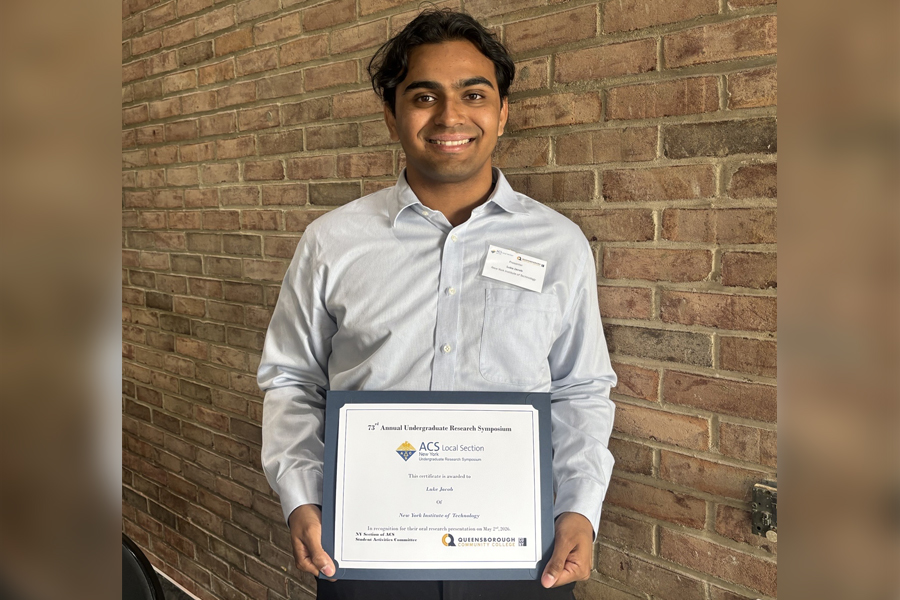
The experience of B.S./D.O. student Luke Jacob illustrates how sustained undergraduate research in medicinal chemistry and biomedical sciences can transform a student’s scientific training while also strengthening the research culture of a laboratory.
Jacob, a third-year student in New York Tech’s B.S./D.O. program, cleared the MCAT (Medical College Admission Test) on his first attempt in spring 2025. In summer 2025, he began a medicinal chemistry research internship in the laboratory of Subhabrata Chaudhury, Ph.D., assistant professor of biological and chemical sciences. Jacob continued his independent research in fall 2025 and spring 2026 and will remain involved in the lab this summer before entering the College of Osteopathic Medicine in the fall.
Jacob’s research focuses on the development of small-molecule modulators of pyruvate carboxylase, a central metabolic enzyme involved in important biochemical pathways. Pyruvate carboxylase has emerged as a promising biological target for cancer therapy. Abnormal PC activity has also been linked to metabolic disorders, including type 2 diabetes. Jacob is currently involved in developing a robust synthetic method for the rapid generation of potential PC inhibitors—work that connects organic chemistry, medicinal chemistry, cancer metabolism, and human health. This work has the potential to contribute to a future publication in a high-impact medicinal chemistry journal.
Extended Lab Work Creates a Lasting Impact
“This extended research experience allowed Luke to grow far beyond the expectations of a one-semester research course. During his first summer in the lab, he became familiar with the scientific background of his project, learned essential laboratory techniques, and developed confidence as an emerging researcher,” says Chaudhury.
By fall 2025, he was working more independently, and by spring 2026, he had progressed to helping new student researchers in the lab, demonstrating not only technical growth but also leadership and peer mentorship. Jacob’s example is now inspiring other students in Chaudhury’s lab to begin as summer interns and continue their research beyond one semester.
His scientific development is also reflected in his growing ability to communicate research. Jacob first presented his work at the Department of Biological and Chemical Sciences symposium in fall 2025. He then presented at the Symposium for University Research and Creative Expression (SOURCE) in spring 2026 and delivered a talk at the American Chemical Society regional meeting held at Queensborough Community College in May. In addition, he gave a research talk during the Summer REACTOR program, where he encouraged first-year students to become involved in medicinal chemistry and biomedical research early in their undergraduate careers.
“As Luke’s research mentor, I am proud of the example he has set. His work ethic, dedication, and willingness to help others show how undergraduate research can become both student-centered and sustainable,” says Chaudhury.
When a motivated student remains in a research laboratory for a full year or longer, the impact extends beyond that student’s individual training. The student becomes experienced enough to mentor newer students, support ongoing projects, and help create continuity in the laboratory. This model allows undergraduate research training and project continuity to pass from one student cohort to the next, strengthening both student learning and the productivity of the research program.
According to Chaudhury, this is particularly important in medicinal chemistry research, where meaningful training requires time. Students need time to understand the scientific problem, learn synthetic and analytical techniques, make mistakes, troubleshoot experiments, interpret results, and present their findings. A one-semester research experience can introduce students to the research environment, but sustained engagement allows them to become true contributors to a project.
Jacob’s journey demonstrates the broader value of undergraduate research at New York Tech. For students preparing for medical school, graduate school, or careers in the health sciences, research provides a deeper understanding of how scientific discoveries are made and how they may eventually influence human health. It also builds skills that are essential for future physicians and scientists: curiosity, resilience, teamwork, communication, and the ability to think critically about complex biological and chemical problems.
“Through students like Luke, the undergraduate research program in my laboratory continues to grow as a sustainable model of mentorship,” says Chaudhury. “Experienced students help train the next group of undergraduates, creating a cycle of learning, leadership, and scientific progress. This model not only benefits individual students but also strengthens New York Tech’s mission of providing career-oriented, research-rich education that prepares students for the next stage of their professional journey.”
More News
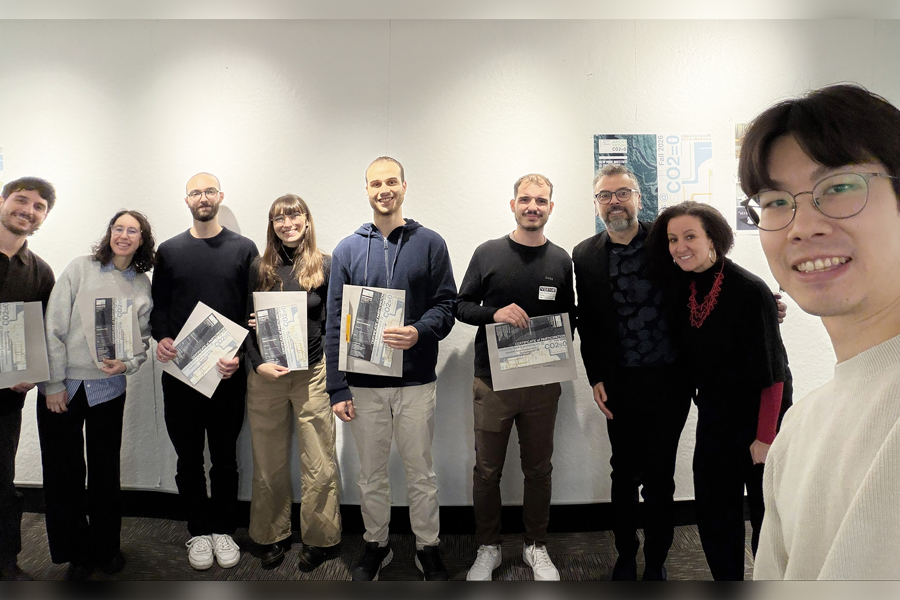
International Collaboration: School of Architecture and Design and IUAV
Graduate architecture students from Università Iuav di Venezia (IUAV) in Venice participated in a week-long atelier on the New York City campus, while School of Architecture and Design students traveled to Venice for a 17-day workshop.
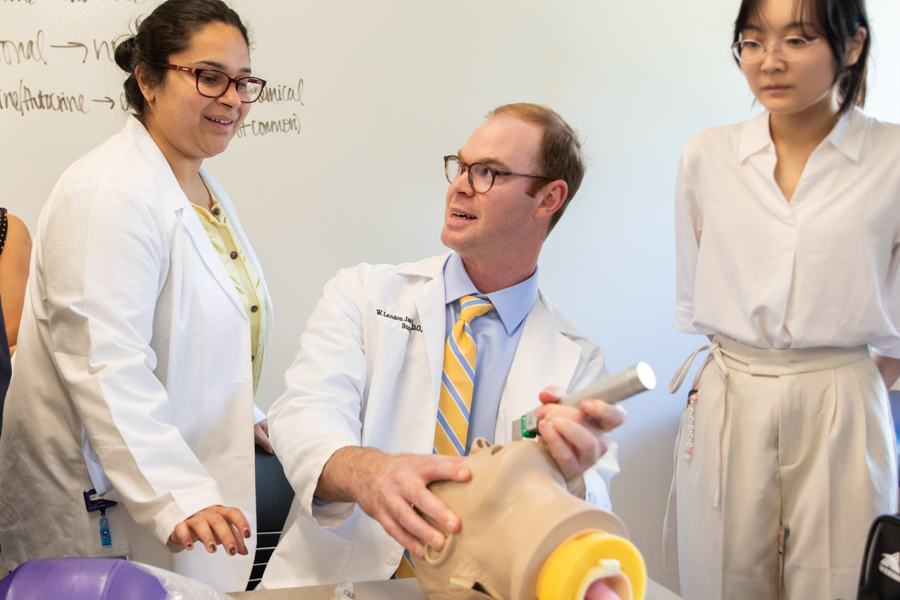
Alumnus Joins NYITCOM-Arkansas Faculty
William “Landon” Jackson, (M.S. ’21, D.O. ’21) has returned to his alma mater to serve as an assistant professor in NYITCOM-Arkansas’ Department of Clinical Sciences.
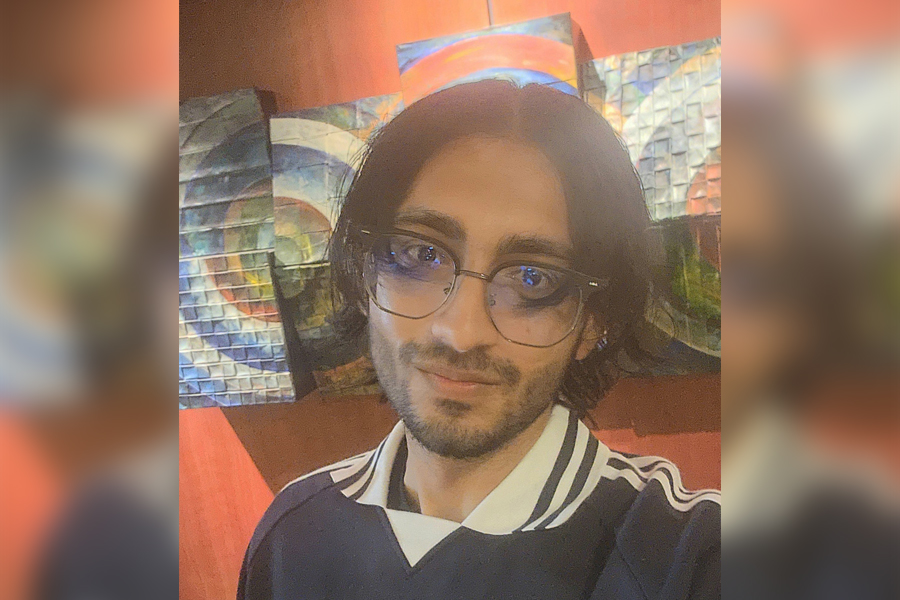
My Co-op Gig: Asghar Kazmi
Computer science student Asghar Kazmi worked for five months at GE Appliances—an experience he says aligned perfectly with his career goals.
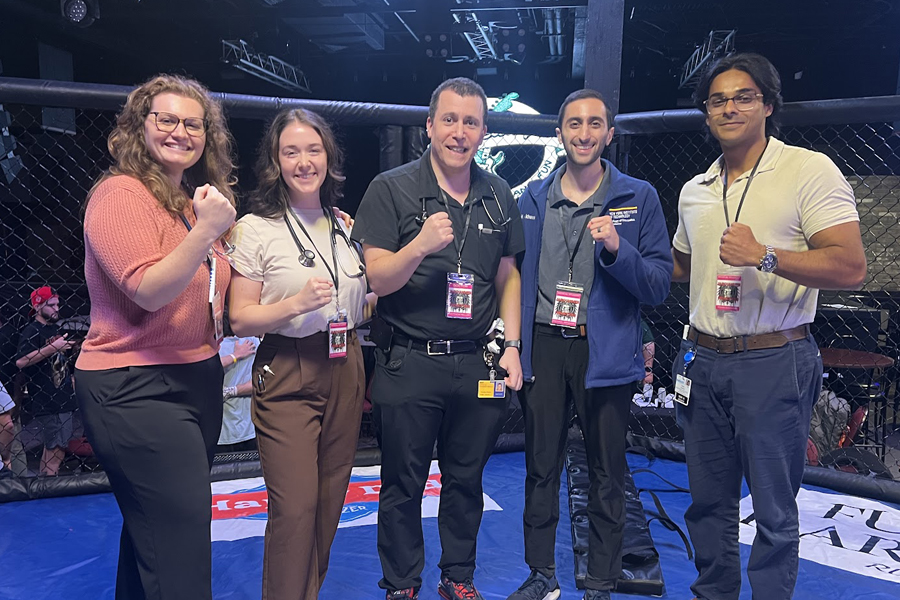
Students Step in to Help Save a Life
Students from the College of Osteopathic Medicine and the School of Health Professions provided life-saving medical care to a young mixed martial arts athlete.
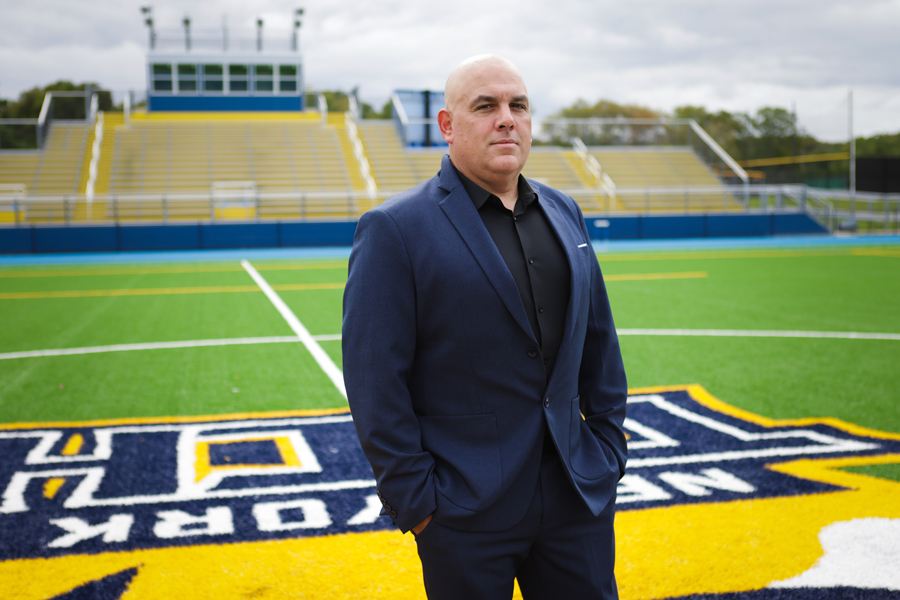
Aldo Spano Named Recreation Director and Sprint Football Coach
Aldo Spano, a 20-year teaching and coaching veteran, has joined New York Tech as director of recreation and head sprint football coach.
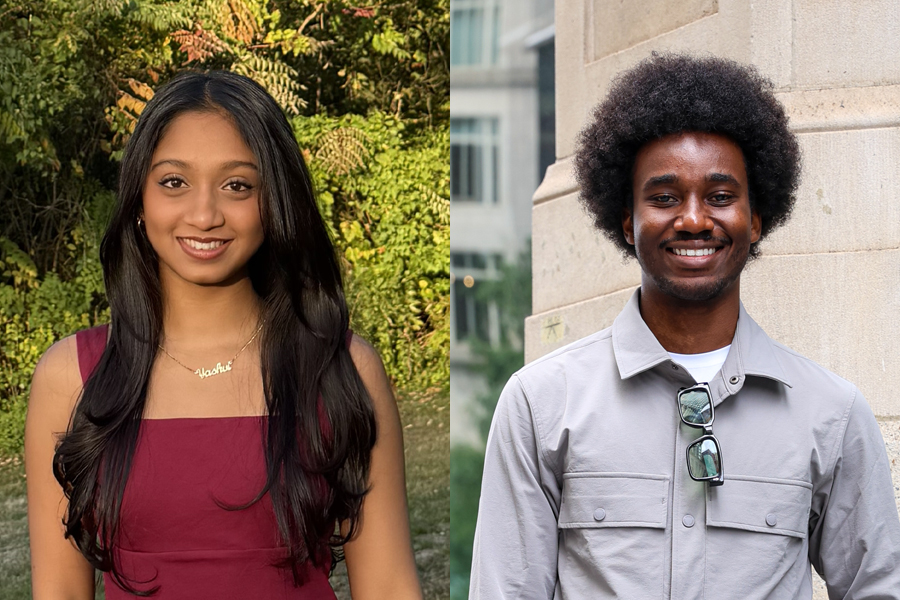
Meet the 2026-2027 SGA Presidents
Yashvi Patel and Best Justus will serve as Student Government Association (SGA) presidents for the Long Island and New York City campuses, respectively.