Course About Aging Provides Students With Life Lessons
For years, Associate Professor of Humanities Kate O’Hara, Ph.D., has taught students to think critically about society, ethics, and the human experience, often centered around issues of social justice.
Her newest course took a more personal turn, inspired by encounters in doctors’ offices, caregiving conversations, and the daily realities of helping care for her aging mother.
“I saw how isolated some older people are, even if they have families,” O’Hara says. “The loneliness, the ageism, the questions about what value older adults hold in American society became something I wanted to explore.”
The result is Philosophy of Aging, a course launched at New York Institute of Technology this past academic year that blends philosophy, service learning, and creative expression. Rather than simply reading about aging, students were asked to engage with it directly, building relationships with older adults in assisted living communities and neighborhoods while exploring the philosophical and societal dimensions of growing older.
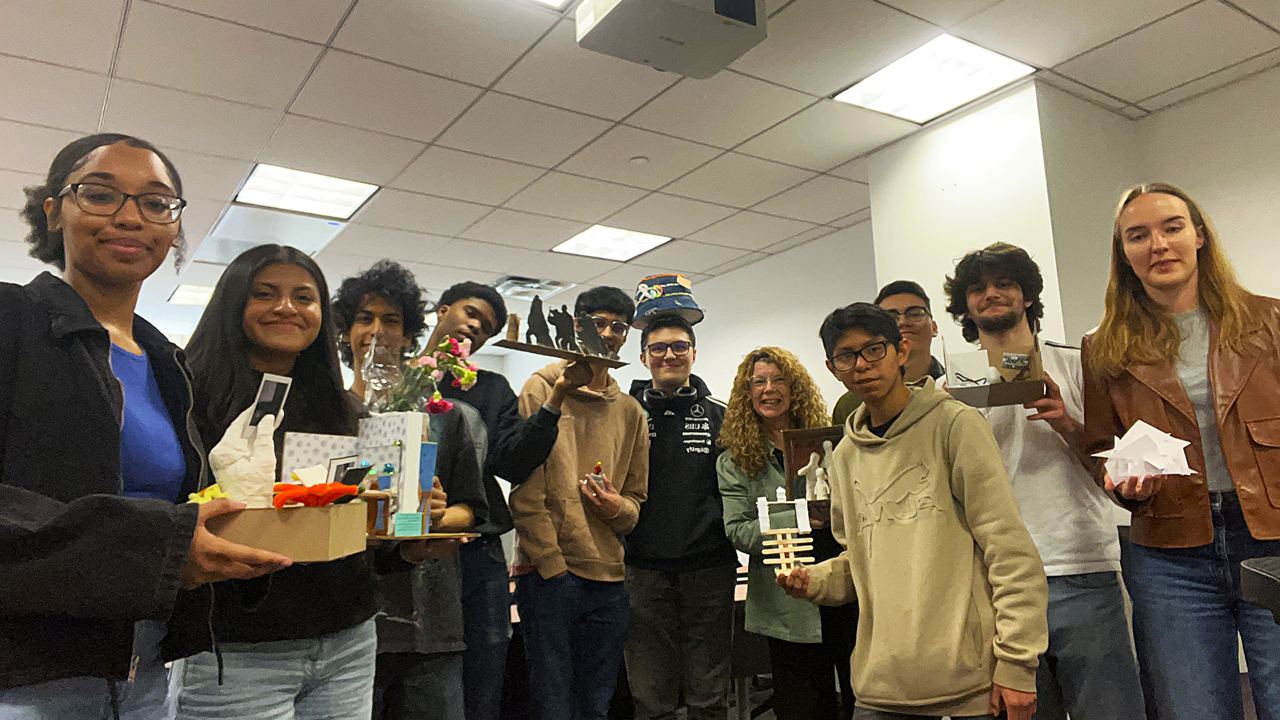
By the end of each semester, students who began the course nervous about talking with older adults they didn’t know, were creating deeply personal works of art inspired by discussions about loneliness, autonomy, memory, and the ways society often overlooks older generations.
“Students went from being uncomfortable and unsure they were capable of completing meaningful service-learning projects, to becoming well-spoken and producing profound reflections about what they experienced,” says O’Hara.
The Philosophy of Aging course offered on the New York City campus brought together undergraduate students across majors and class years. To enhance lectures and readings, O’Hara partnered with a local assisted living and memory care community, The Apsley, where students made weekly visits.
At first, the interactions were intentionally unscripted.
Students spent time talking with residents, helping with technology, participating in activities, and simply listening. Over time, many of those conversations evolved into deeper connections.
“Inevitably, regardless of the activity, it would segue into these really wonderful organic conversations between the two generations,” O’Hara says. “Students realized how valuable it was to learn from someone who holds so much history.”
The experience also challenged many assumptions students had about aging.
“They heard firsthand how rushed older adults sometimes feel, especially around technology,” O’Hara says. “The amount of compassion and patience my students showed was really quite touching.”
When scheduling limitations prevented the assisted living partnership from continuing in the same format for the spring semester, O’Hara redesigned the course. Students were asked to partner individually with an elderly adult in their own community, preferably someone outside their immediate family. Each student met regularly with that person throughout the semester while continuing philosophical discussions and reflective journaling in class.
Artistic Impressions
For architecture major Nawaf Alowaidi, the course offered a chance to better understand his own aging relatives through a new lens.
He spent the semester learning about his 80-year-old neighbor, joining in everyday routines like grocery shopping and errands while enjoying casual conversation. “My goal was to join her in her daily activities rather than force her to have formal interviews,” he says.
Alowaidi appreciated gaining the perspective from someone much older and says the experience helped him learn how to communicate better with people outside his own age group. “Although a common ground is not already there, it can always be made,” he says. “Older adults tend to love speaking with someone younger because they are just as intrigued about my generation as I am in theirs.”
What struck him most was the emotional complexity of aging.
“I found it really interesting to learn how older adults may hide their loneliness,” he says. “I had not fully considered how being retired would alter the ability to create new memories.”
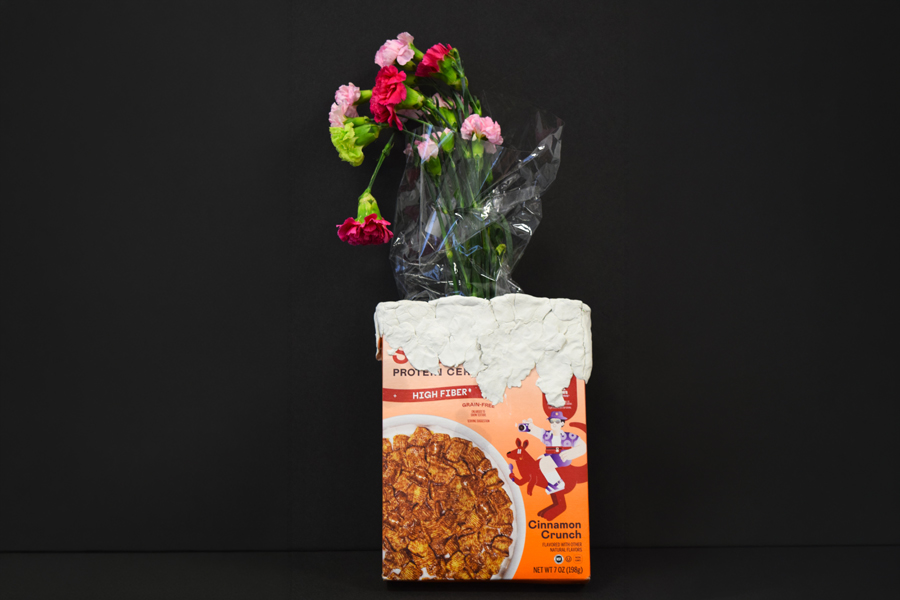
For their final project, students were asked to translate their experiences into a 3-D artistic work. Alowaidi’s piece, titled “Past Self,” used a cereal box, clay, and flowers to symbolize the experiences and hardships his neighbor carried throughout her life. The project was inspired by a grocery shopping trip during which she repeatedly scolded him about his expensive cereal choices before eventually opening up about growing up with very little.
“The clay represents her trauma as it is now something that is hardening into her,” he explains, “and the flower is how her scolding comes from a place of love.”
Interdisciplinary studies major Nicole Luis Aguilar, whose grandparents live in Mexico, had little regular interaction with older adults before taking the course.
“I liked the idea of learning more about older generations and what they experience during this period of their lives so that I could educate myself and apply this new knowledge in future situations,” she says.
Aguilar partnered with a 77-year-old woman that she met through her father’s construction work. Their required 45-minute visits routinely stretched into two-hour conversations over curated snack platters.
“The relationship we developed was very friendly and trusting,” Aguilar says. “We spoke of many different topics that ranged from casual to serious and deep but we both felt liberty to voice our feelings and opinions.”
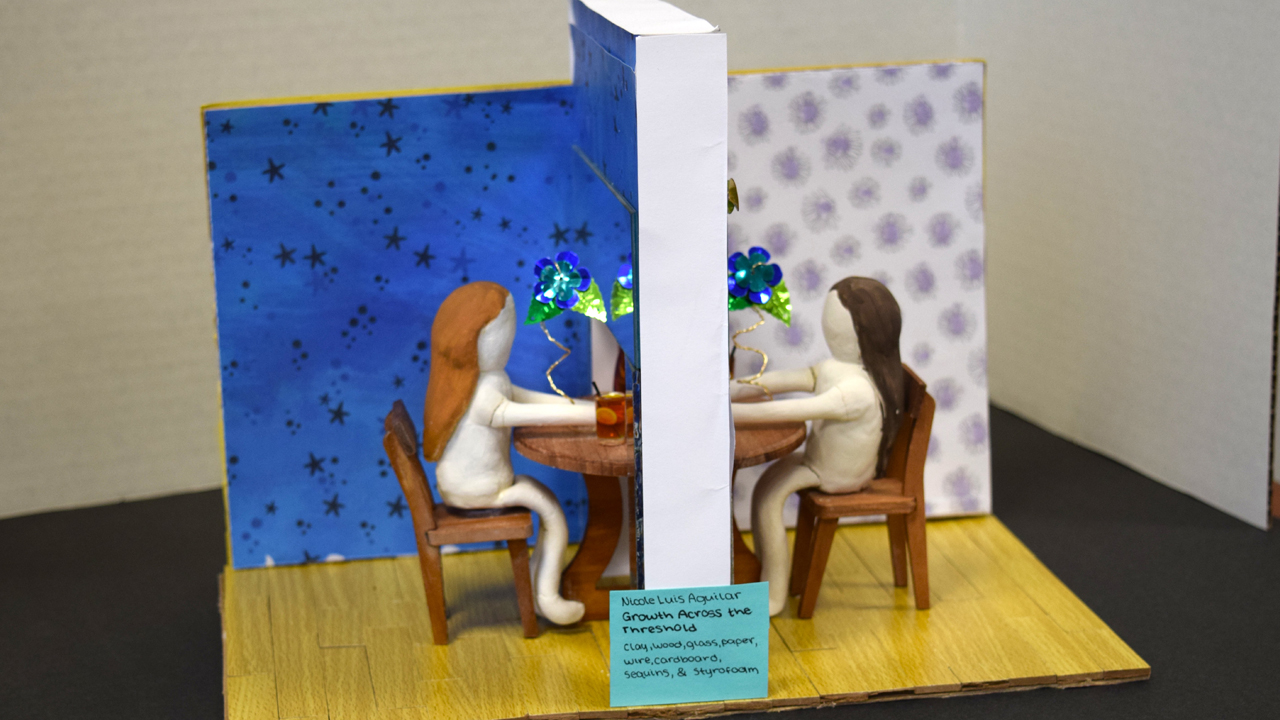
Her final artwork, “Growth Across the Threshold,” incorporated wood, mirrors, wire, flowers, and clay to represent the transformative power of stepping outside one’s comfort zone to connect with people from different generations.
“My piece represents the way we all go about our lives with knowledge from our own experiences and that alone isn’t enough. We don’t know what’s out there until we make an effort to understand and learn more about people, in this case, the elderly population,” she says.
Lessons Outside the Classroom
For O’Hara, those kinds of reflections demonstrate the difference between traditional lecture-based instruction and experiential learning.
“Often in a lecture course, students are passive recipients of information,” she says. “Here, they analyze ideas in class and then go out into the community and apply that knowledge. They bring their own lived experiences into the process.”
O’Hara’s teaching practices draw heavily from the work of Brazilian educator and philosopher Paulo Freire, particularly his concept of praxis, or the cycle of action and reflection used to transform the world.
“That’s exactly what students do within a semester,” O’Hara says. “You see the transformation for them, but also for the people they interacted with.”
Students also learned from one another. Because the classes included students from different disciplines, cultures, and age groups, discussions often revealed how perspectives on aging vary across communities.
Some students shared that in their cultures, placing elders in assisted living facilities would be uncommon or even uncomfortable. Others found unexpected common ground with the older adults they met, particularly around immigration, identity, and adapting to life in a new country.
“It was a comfort for the young person to hear those stories and the advice,” O’Hara says. “There was some shared experience..”
It wasn’t uncommon for students to develop sustained personal relationships. Alowaidi’s neighbor, for example, gave him a blanket that she sewed herself, which he now keeps on his bed. “I came to view her almost as my own grandma,” he says.
O’Hara recently presented the course at the 10th World Conference on Qualitative Research in Madrid, Spain, where she discussed the project as a model for reimagining higher education as a space for authentic cross-generational connection and collaborative learning.
She hopes to continue expanding the course and eventually include nursing and medical students from the Long Island campus, who could bring additional perspectives to philosophical discussions about aging and care.
But regardless of how the course evolves, O’Hara’s central lesson will remain the same: meaningful education does not stop at the classroom door.
By Renée Gearhart Levy
More News
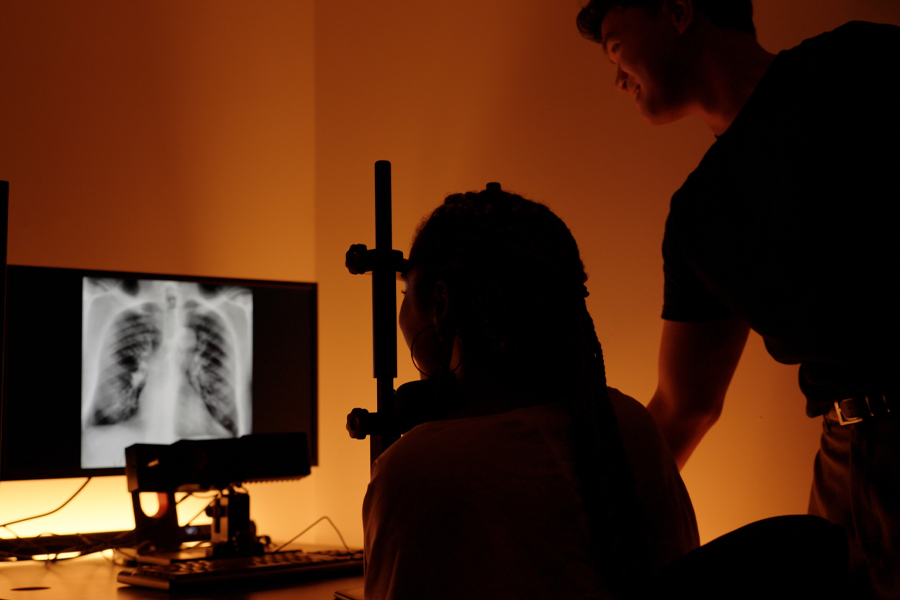
Exploring How AI Tools Can Improve Lung Cancer Detection
Research by Assistant Professor Robert Alexander, Ph.D., and student Talia Lilikakis assesses how AI tools can most effectively alert radiologists of the possible presence of a nodule.
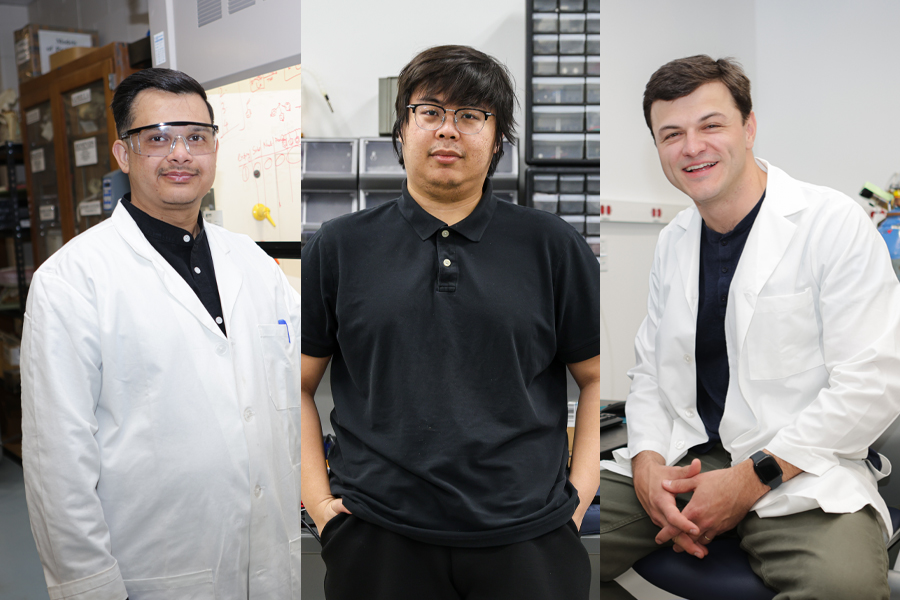
Robust Research
New York Tech’s commitment to research paves the way for important and groundbreaking work. Meet three Ph.D. students whose work may improve disaster response, recovery after muscle and bone injuries, and anticancer therapies.
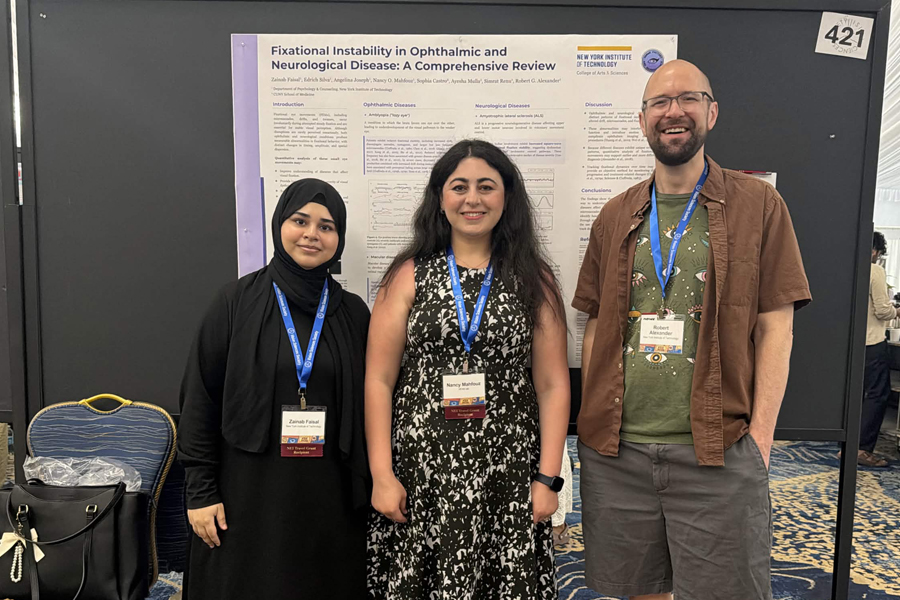
Eyeing the Future of Vision Science
Assistant Professor of Psychology and Counseling Robert Alexander, Ph.D., and two students traveled to Florida to present two studies at a vision sciences conference.
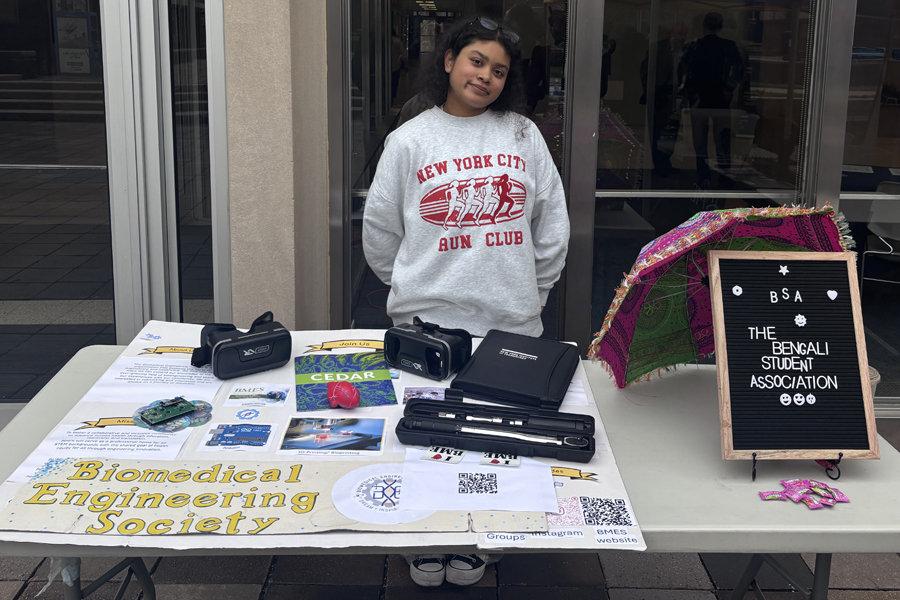
Compassion in Action
With her sights on a career in medicine, bioengineering major and global health advocate Aiesha Ayaana Hamid’s impact stretches from New York to underserved communities in Bangladesh.
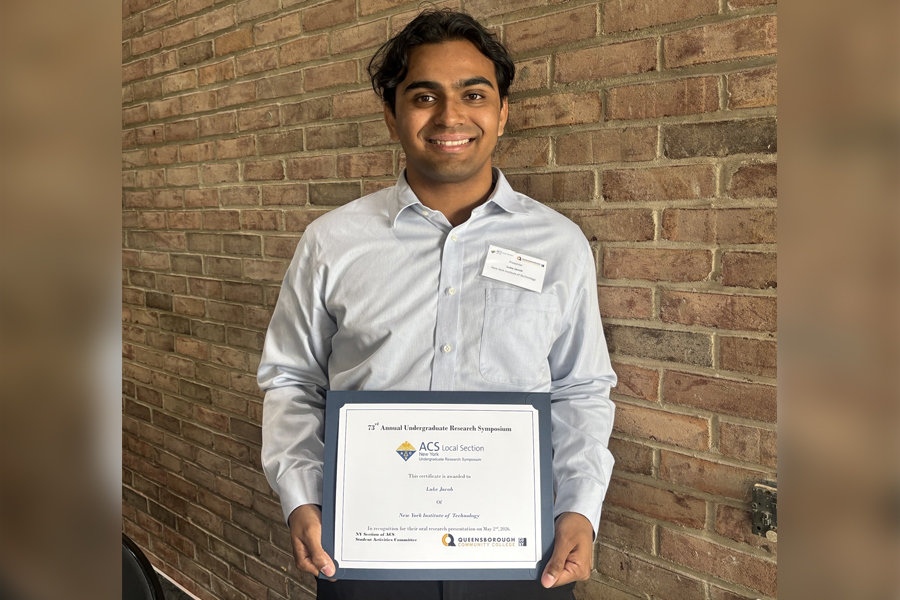
From Early Exposure to Lasting Impact
How undergraduate research in medicinal chemistry and biomedical sciences enhances student Luke Jacob’s educational journey.
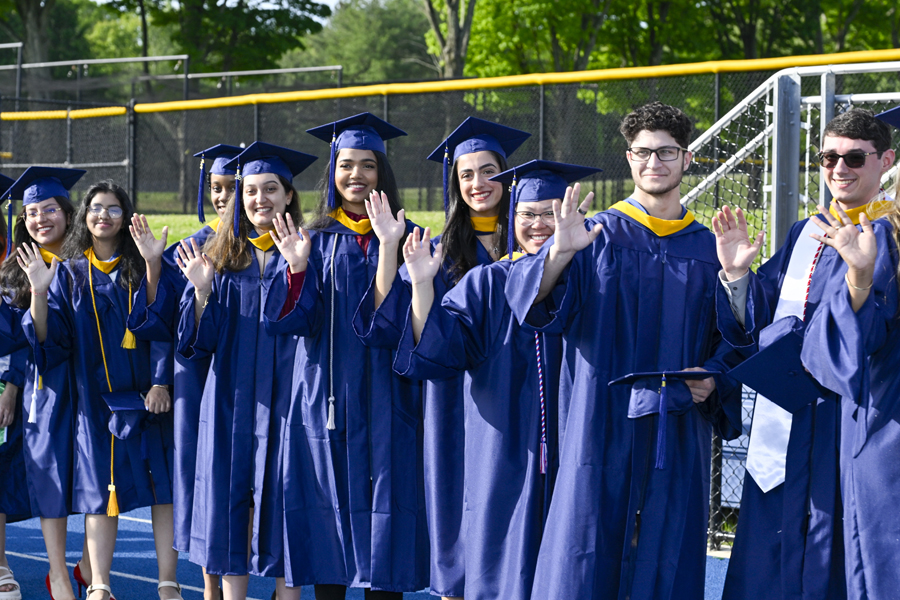
Congratulations, Class of 2026!
On May 17, graduates, family members, and friends joined faculty, staff, and administration at New York Institute of Technology’s Long Island campus to celebrate its 65th annual commencement.