Center for Offsite Construction Helps to Establish Modular Interface Standards
The Center for Offsite Construction in the School of Architecture and Design is collaborating with the International Code Council to develop critical standards for modular construction. This effort aims to enhance quality, sustainability, resilience, and affordability in the construction industry by establishing clear guidelines for the connection and configuration of modular components.
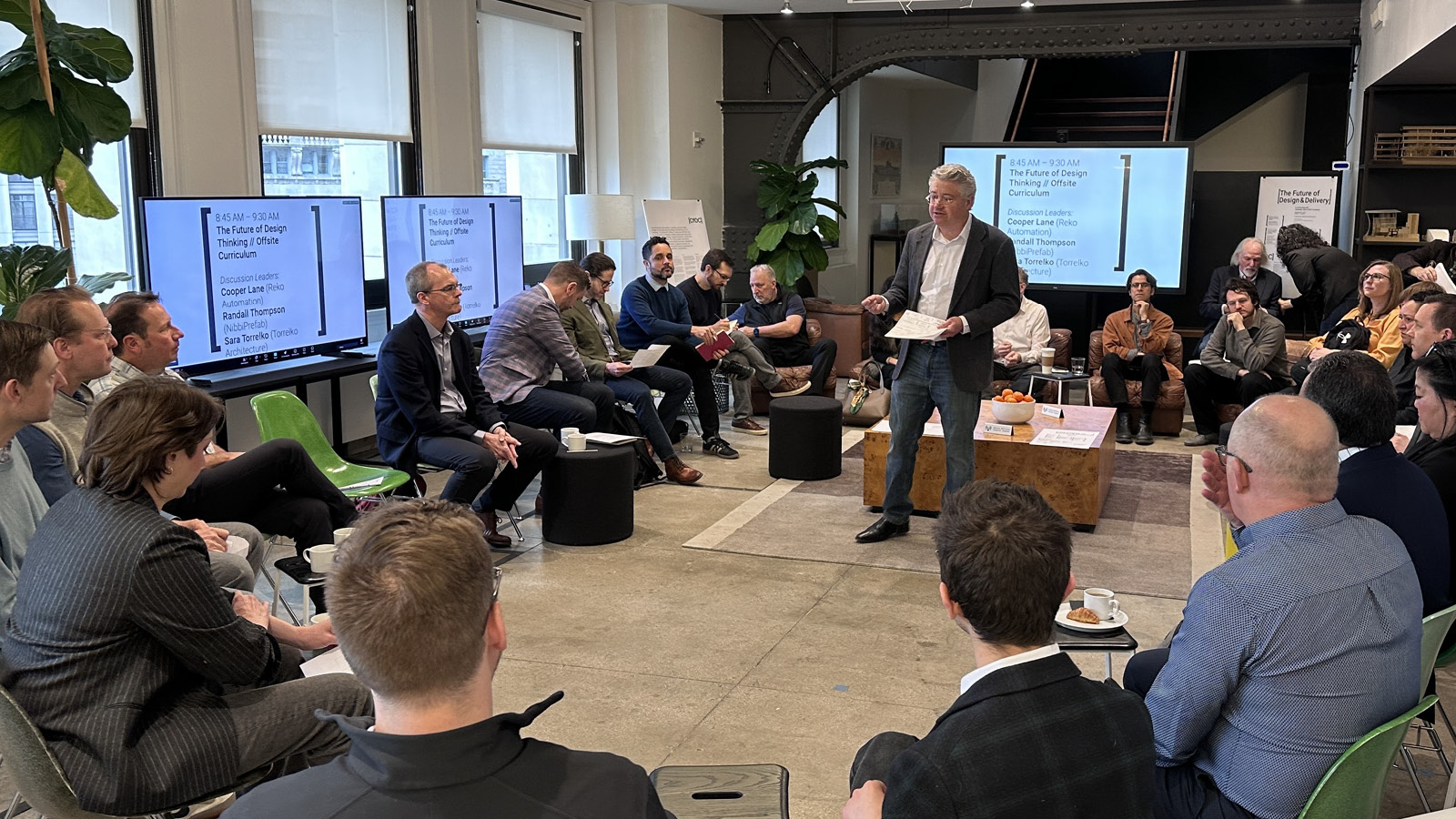
The standard will address requirements such as the location and specifications of module-to-module and building-to-module connections for essential building systems; the standardization of dimensions for modular components; and coverage for componentized, panelized, and modularized elements.
“We are excited to collaborate with the Code Council on developing a standard that will transform how modular components are designed and connected,” says Jason Van Nest, M.Arch., director of the Center for Offsite Construction. “This partnership will support the growth of industrialized construction methods and ensure that offsite construction systems meet the highest standards of performance and interoperability.”
“The School of Architecture and Design is committed to preparing professionals who will shape the future of the built environment. Meaningful collaboration with industry partners is essential to our mission,” says Dean Maria R. Perbellini, M.Arch. “We are proud that the Center for Offsite Construction positions New York Tech among the first academic institutions in the nation entrusted to lead the development of standards. This partnership with the International Code Council not only highlights the importance of academic research in advancing industry practices but also reflects our dedication to fostering innovation and rigor and to making a significant impact on the field at the national level.”
“The Code Council is pleased to partner with the Center for Offsite Construction to create a standard that helps address some of the key challenges in advancing deployment of offsite construction, including supporting a project pipeline for factories, bringing certainty to developers through the availability of multiple sources for components, and increasing efficiency of the fabrication and approval processes,” says Ryan Colker, executive director, of energy, resilience, and innovation for the Code Council.
This collaboration reflects a shared vision of modernizing the construction industry by developing consistent and rigorous standards. By promoting compatibility and interoperability, the new standard is expected to accelerate the adoption of offsite construction practices in various applications, including multifamily housing, commercial developments, and institutional projects.
More News
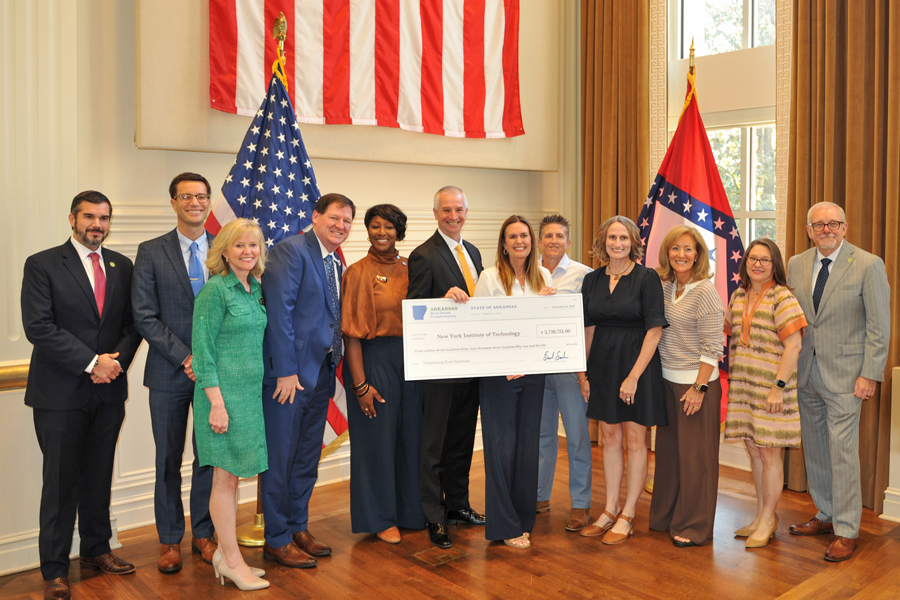
NYITCOM-Arkansas Receives Two Grants for New Residency Program, EMS Training Initiative
Two Rural Health Transformation Project grants, totaling $3.7 million, will support health education programs at the College of Osteopathic Medicine at Arkansas State University (NYITCOM-Arkansas).
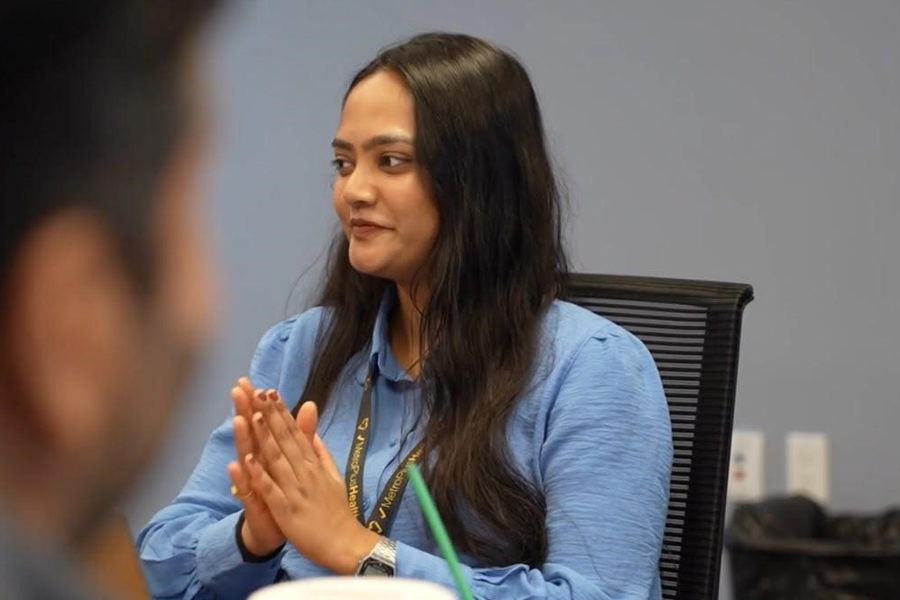
Intern Insight: Mansi Santosh Tikam
M.B.A. student Mansi Santosh Tikam spent her summer interning with MetroPlusHealth, where she learned what it means to be a marketing professional.

Officers Cook at 12th Annual Cast Iron Chef
This year’s Cast Iron Chef cooking competition welcomed teams of local law enforcement officers for an evening of culinary fun.
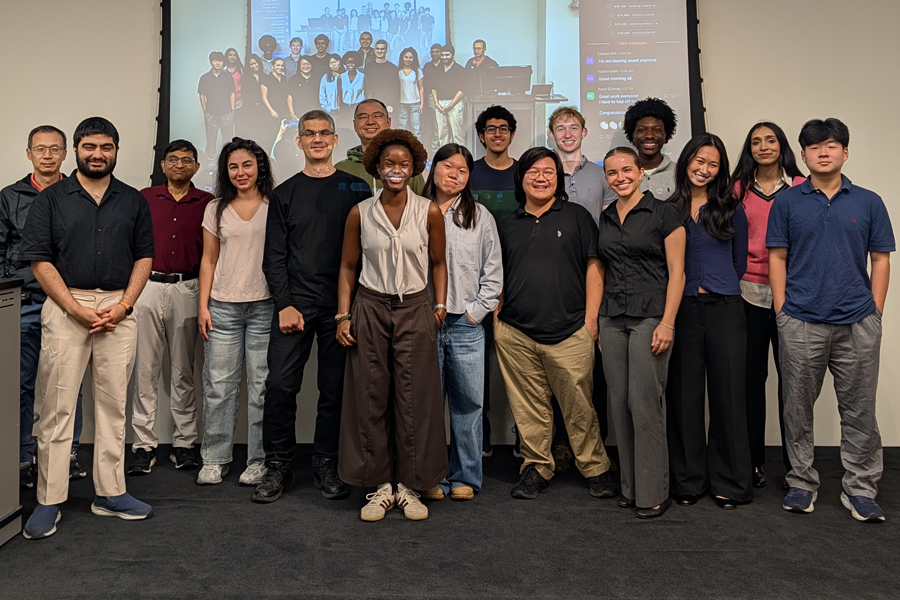
The Domino Effect
New York Tech’s Research Experiences for Undergraduates program has spent more than a decade turning summer research opportunities into lasting careers, helping build the university’s research reputation along the way.
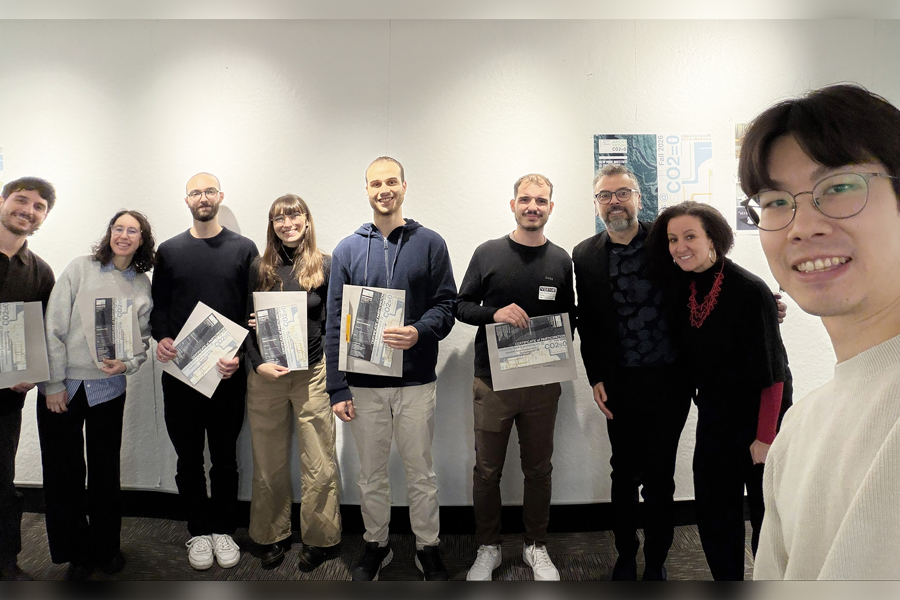
International Collaboration: School of Architecture and Design and IUAV
Graduate architecture students from Università Iuav di Venezia (IUAV) in Venice participated in a week-long atelier on the New York City campus, while School of Architecture and Design students traveled to Venice for a 17-day workshop.
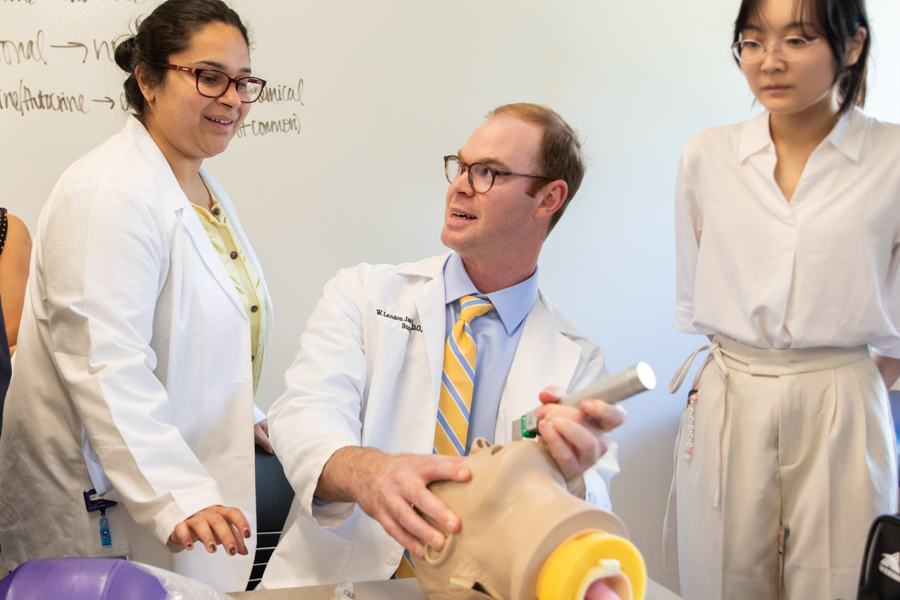
Alumnus Joins NYITCOM-Arkansas Faculty
William “Landon” Jackson, (M.S. ’21, D.O. ’21) has returned to his alma mater to serve as an assistant professor in NYITCOM-Arkansas’ Department of Clinical Sciences.