Promoting Early Engagement in Research
Reinforcing its reputation as a center for applied, community-engaged scholarship, New York Institute of Technology recently completed the ninth year of its Mini-Research Grants Awards (MRGA) program to encourage high school students to pursue science, technology, engineering, and math (STEM) fields.
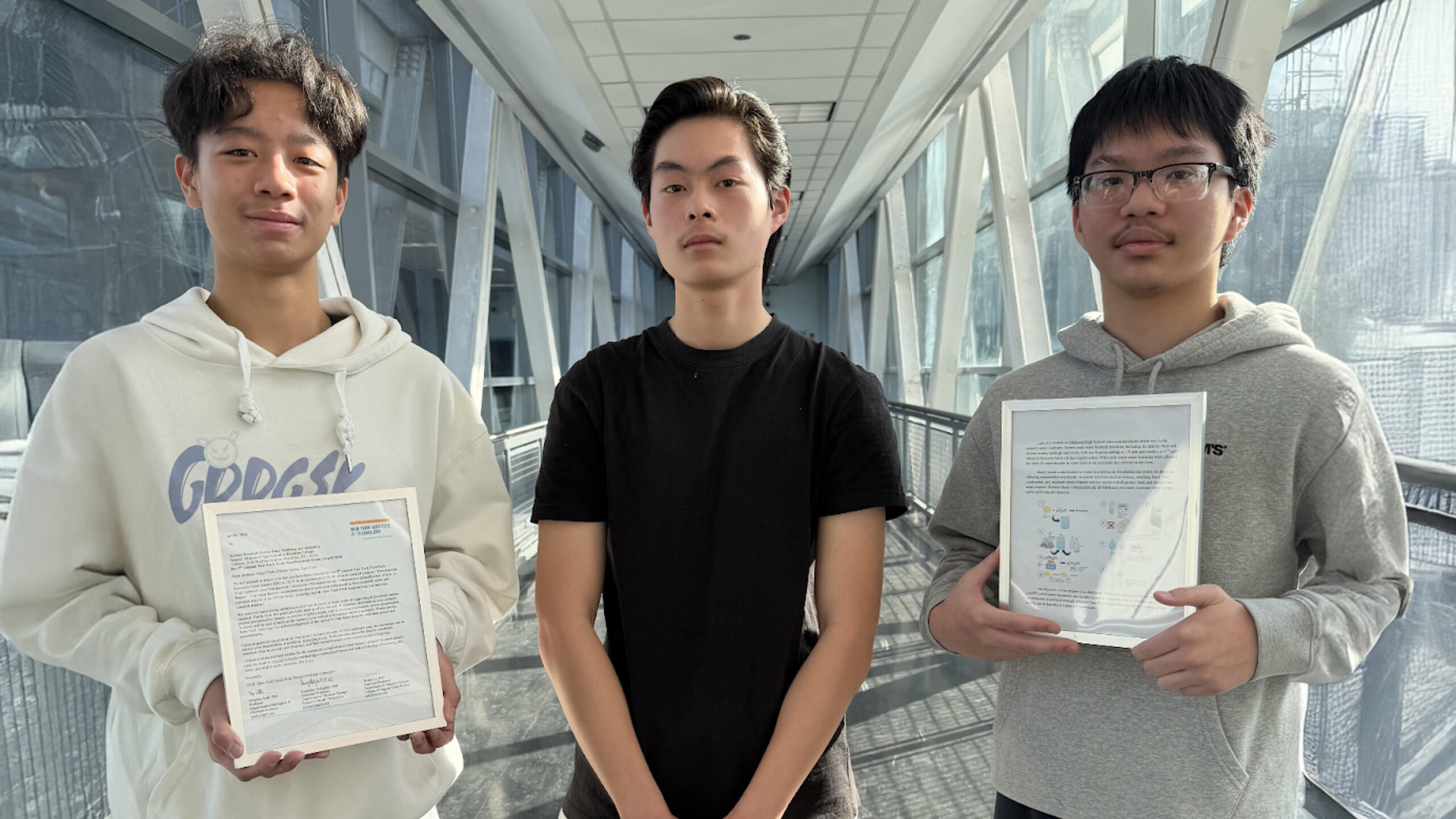
A total of 148 projects were submitted, representing 208 participating high school student team members. Thirty-five grants were awarded toward newly proposed or continuing projects at 24 high schools.
Niharika Nath, Ph.D., professor of biological and chemical sciences, founded the program and continues to oversee it. She notes that this cycle reflects the program’s growing visibility and alignment with supporting pre-college outreach and access through early engagement in research. Proposals were evaluated through a structured, competitive review process, which Nath co-led with Rosemary Gallagher, D.P.T., Ph.D., professor of physical therapy, and Wenjia Li, Ph.D., associate professor of computer science. Graduate and undergraduate student reviewers also provided meaningful participation; they include life sciences student Lissa Joseph (life sciences); Doctor of Physical Therapy students Daniel Chan and Charles Siguenza; biology students Nigel Oommen and Gianna Salib; and M.B.A. student Aryan Gudibanda.
“This evaluation model ensured scientific rigor while offering professional opportunities for New York Tech students,” says Nath.
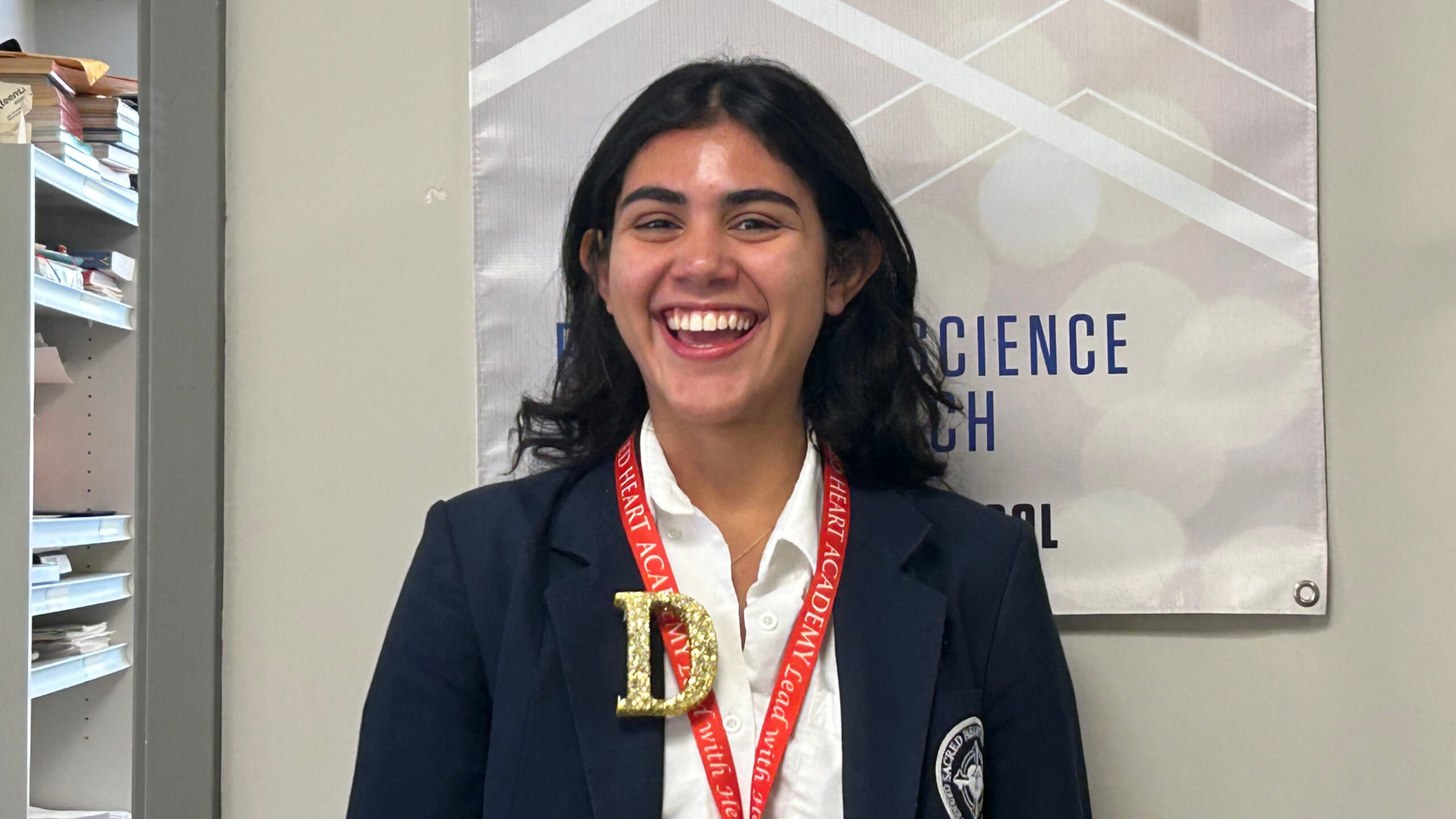
Select awarded projects include:
- “Real-Time AI-Powered Low-Cost Pollen Sensor for Allergy Risk Monitoring”
- “Machine Learning Prediction of Membrane Performance for Various PFAS Removal”
- “A BIO-Based Model of Fusobacterium nucleatum-Driven Oral Carcinogenesis”
- “The Influence of Agricultural Pollutants on Freshwater Planaria”
- “Computational Simulation of Microbiome-Derived LPS Gene Dysregulation and TLR4-Mediated Inflammation in Irritable Bowel Syndrome”
- “Development of an Aptamer Gold Nanoparticle Colorimetric Biosensor for the Detection and Quantification of Zinc in Water”
- “VOCuum: A Biotechnological Vacuum for On-Site Filtration of Airborne Pollutants in Construction”
- “Determining the Microplastic Shedding Rates for Food Containers Based on Plastic Type”
- “Cursive Proficiency and Working Memory During Handwriting and Typing: An EEG Study”
- “Investigating the Impact of the Gut Microbiome on Acetylcholinesterase Inhibitor Efficiency in Alzheimer’s Disease Using Drosophila”
- “Generational Cohort and AI Literacy as Predictors of Nurses’ Intent to Integrate AI in the Hospital Setting”
- “The Effects of Vitamin C on Allium fistulosum Regeneration”
- “The Effect of Temperature on Health of a Saltwater System Using Saccharina latissima and Mytilus edulis as Model Organisms”
- “The Effects of Pre-existing Stress and Social Media on Adolescent Stress Levels Using Electroencephalography Brain Wave Analysis”
Additionally, local media have highlighted awarded projects from Wantagh High School in Wantagh, N.Y., and Plainedge High School in Massapequa, N.Y.
More News
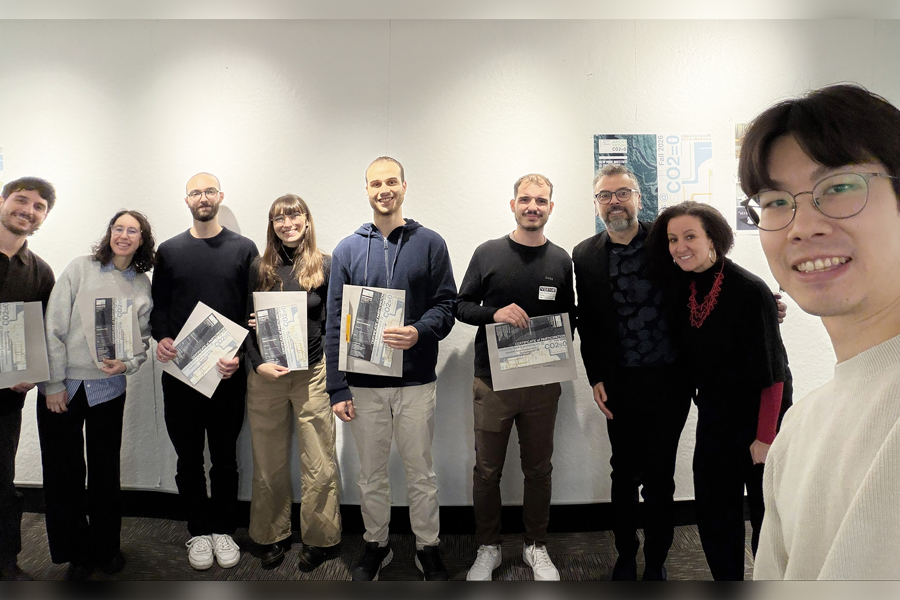
International Collaboration: School of Architecture and Design and IUAV
Graduate architecture students from Università Iuav di Venezia (IUAV) in Venice participated in a week-long atelier on the New York City campus, while School of Architecture and Design students traveled to Venice for a 17-day workshop.
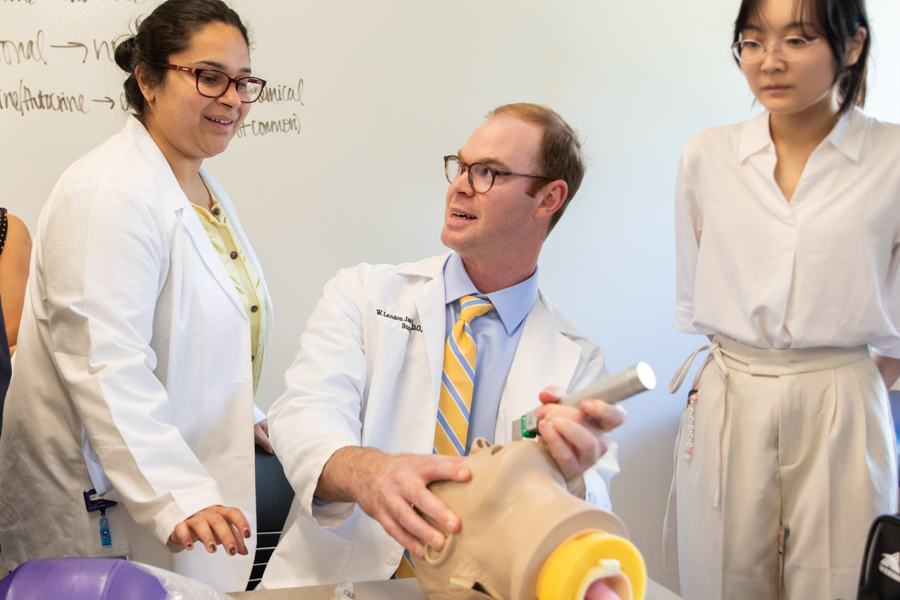
Alumnus Joins NYITCOM-Arkansas Faculty
William “Landon” Jackson, (M.S. ’21, D.O. ’21) has returned to his alma mater to serve as an assistant professor in NYITCOM-Arkansas’ Department of Clinical Sciences.

My Co-op Gig: Asghar Kazmi
Computer science student Asghar Kazmi worked for five months at GE Appliances—an experience he says aligned perfectly with his career goals.
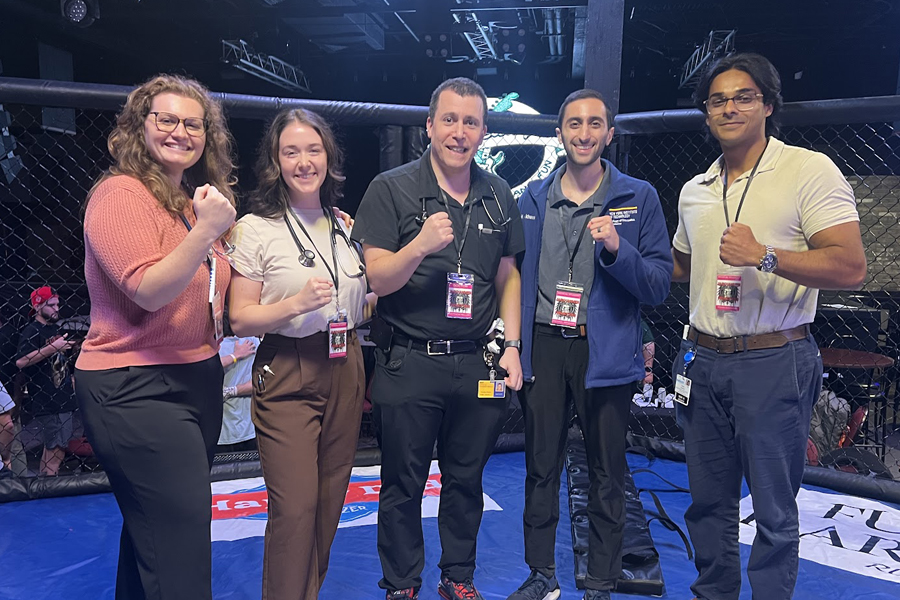
Students Step in to Help Save a Life
Students from the College of Osteopathic Medicine and the School of Health Professions provided life-saving medical care to a young mixed martial arts athlete.
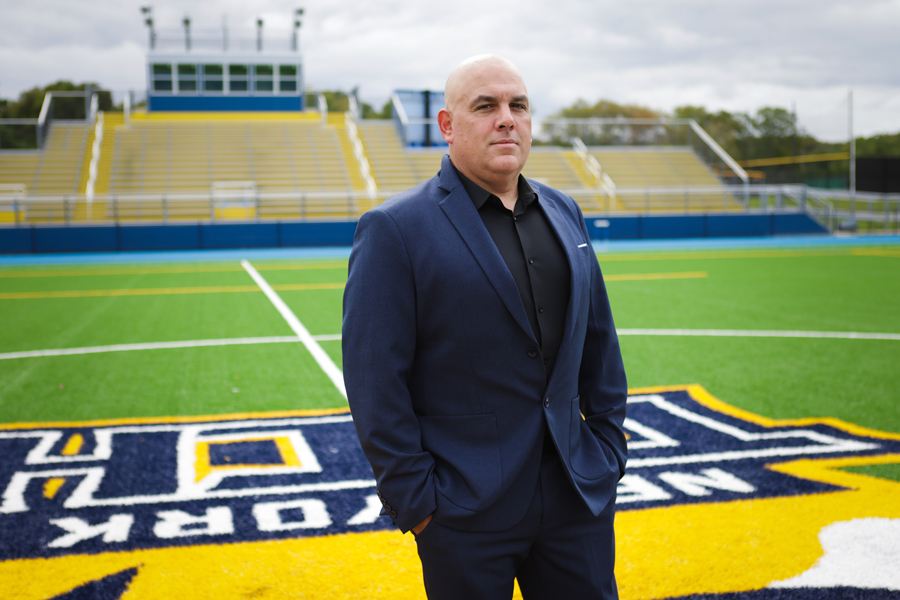
Aldo Spano Named Recreation Director and Sprint Football Coach
Aldo Spano, a 20-year teaching and coaching veteran, has joined New York Tech as director of recreation and head sprint football coach.
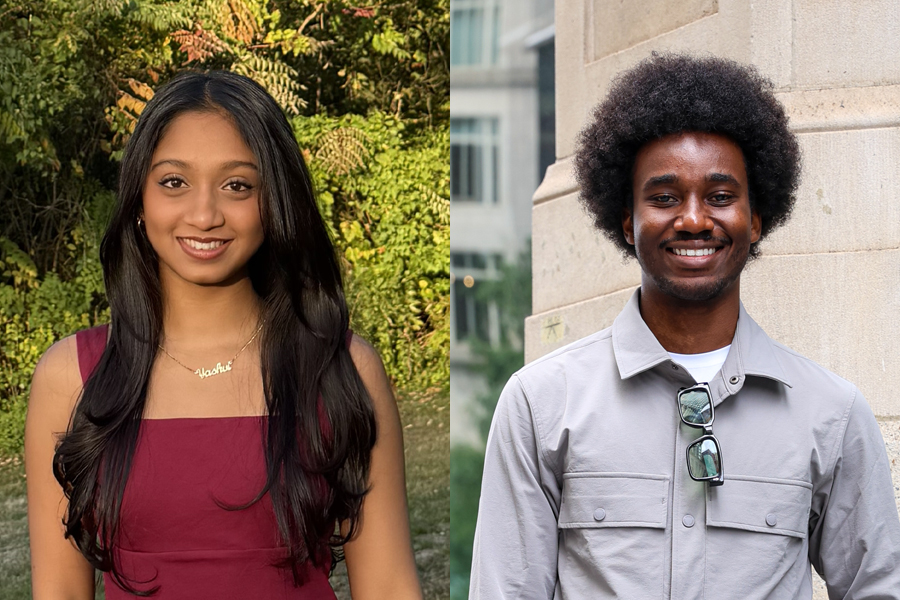
Meet the 2026-2027 SGA Presidents
Yashvi Patel and Best Justus will serve as Student Government Association (SGA) presidents for the Long Island and New York City campuses, respectively.