New York Tech Hosts Health Equity Conference
On June 11, the Office of Diversity, Equity, Inclusion, and Belonging hosted a conference focused on health equity that explored healthcare access challenges and the impact of poverty on health outcomes. Held on New York Tech’s Long Island campus, the conference was co-hosted with the Nassau County Department of Health. It aimed to address critical issues surrounding health equity and to provide insight into combating disparities in healthcare access and outcomes.
Themed Building Resilient Communities: Navigating Paths to Health Equity, the conference was divided into two sessions. Brian Harper, M.D., M.P.H., New York Tech vice president of equity and inclusion and chief medical officer, opened the morning session with a keynote address discussing the relationship between poverty and health.
Harper touched upon the history of poverty in the United States and highlighted the social determinants of health and some government programs in place to address poverty. He then focused on the relationship of poverty to poor health outcomes. “In order to improve health, we really have to address this specific issue of poverty … we all have the capability of advocating to improve the situation,” he noted. The morning session attracted approximately 150 attendees, including representatives of government, social service agencies, public health and other educators, healthcare providers, and others.
Next, a panel discussion provided multiple perspectives aiming to create an understanding about health equity challenges. Experts included Paul C. Amajor, M.D., of Healthfirst, New York’s largest nonprofit healthcare insurance provider; Tahira A. DuPree Chase, Ed.D., Westbury Union Free School District superintendent; Randi Dresner, president and chief executive officer of the Island Harvest food bank; Kennetha Pettus, Nassau County Office of Emergency Housing program director; Jessica Sinclair, a registered nurse with Northwell Health; and Adesuwa Watson, M.P.H., Suffolk County Department of Health Office of Minority Health program director. Moderators were Jacob Dixon, founder and chief executive officer of Choice for All, a nonprofit connecting services, resources, and opportunities for youth and families across Long Island; and Carolyn McCummings, Ph.D., M.P.H., director of the Nassau County Department of Health. Following the panel, Vanessa Baird-Streeter, president and chief executive officer of the Health and Wellness Council of Long Island, spoke to conclude the first session.

New York Tech Vice President of Equity and Inclusion and Chief Medical Officer Brian Harper opened the morning with a keynote address discussing the relationship between poverty and health.
New York Tech faculty, staff, and students were also in attendance, including Bernadette Riley, D.O., director of the Ehlers-Danlos Syndrome/Hypermobility Treatment Center and NYITCOM professor. She also is a longtime health policy advocate serving on the boards and committees of multiple societies, including the Medical Society of the State of New York. Riley noted she plans to use the skills she learned to help teach fourth-year medical students in NYITCOM’s health policy elective and third-year students in the two-year congressional policy fellowship about “how to provide quality care while being mindful of the social determinants of health,” adding that she plans “to teach my students about barriers to access to healthcare that patients face and how to address and help advocate for the patient.”
Fourth-year NYITCOM student Harshita Pasupuleti attended the morning session. “In general, I want to learn more about the resources that are available to the community and what I can do as a future physician to help my patients who might have limited access to resources. I think it’s also important for me to learn how to be there for my patients in regard to their emotional well-being and learn what to say, or more importantly, what not to say,” she shared. Further, she noted interest in learning more about how programs designed for people living in poverty intersect and how to incorporate them effectively into treatment plans.
The afternoon session focused on conducting a poverty simulation to offer an immersive experience shedding light on the social, emotional, and economic struggles of living in poverty. By sensitizing participants to the challenges faced by families living in poverty and simulating interactions with various government agencies, the session strived to increase awareness and foster a greater understanding among healthcare workers and other professionals about challenges faced by people living in poverty, ultimately enabling participants to transform their perspectives and impact their approach to patient care and client services.
“The unfortunate truth is that poverty and a lack of financial resources lead to people living in poorer physical environments, having social needs that are not addressed, and having a lack of access to timely and quality healthcare. Throughout the course of a lifetime these factors result in an increased rate of acute and chronic health problems and, ultimately, higher death or mortality rates for the impoverished community,” Harper noted.
More Features
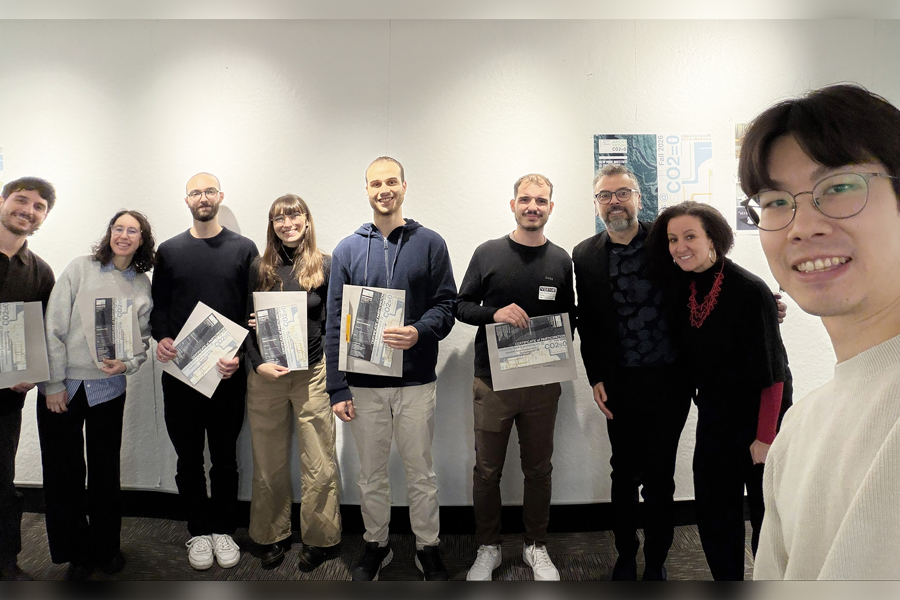
International Collaboration: School of Architecture and Design and IUAV
Graduate architecture students from Università Iuav di Venezia (IUAV) in Venice participated in a week-long atelier on the New York City campus, while School of Architecture and Design students traveled to Venice for a 17-day workshop.
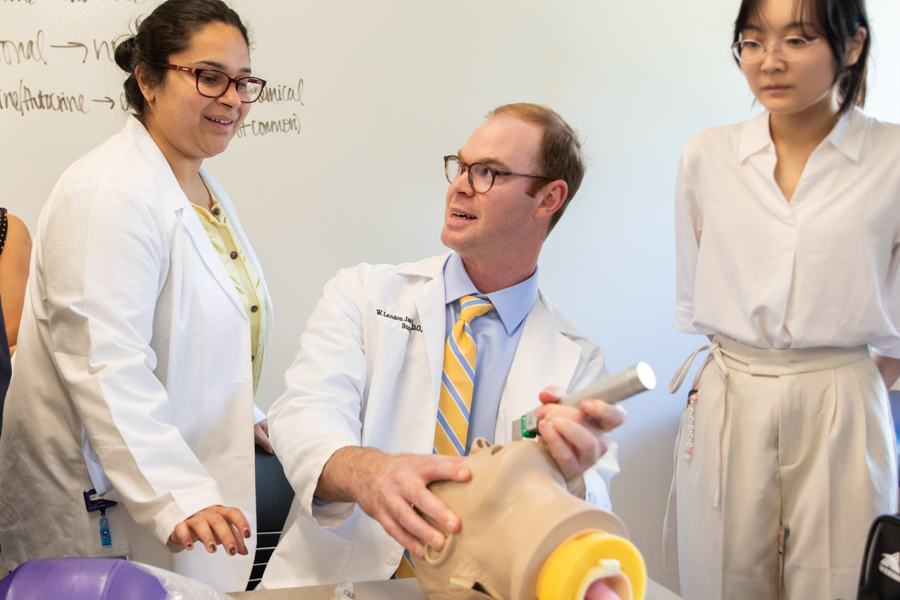
Alumnus Joins NYITCOM-Arkansas Faculty
William “Landon” Jackson, (M.S. ’21, D.O. ’21) has returned to his alma mater to serve as an assistant professor in NYITCOM-Arkansas’ Department of Clinical Sciences.

My Co-op Gig: Asghar Kazmi
Computer science student Asghar Kazmi worked for five months at GE Appliances—an experience he says aligned perfectly with his career goals.

Students Step in to Help Save a Life
Students from the College of Osteopathic Medicine and the School of Health Professions provided life-saving medical care to a young mixed martial arts athlete.
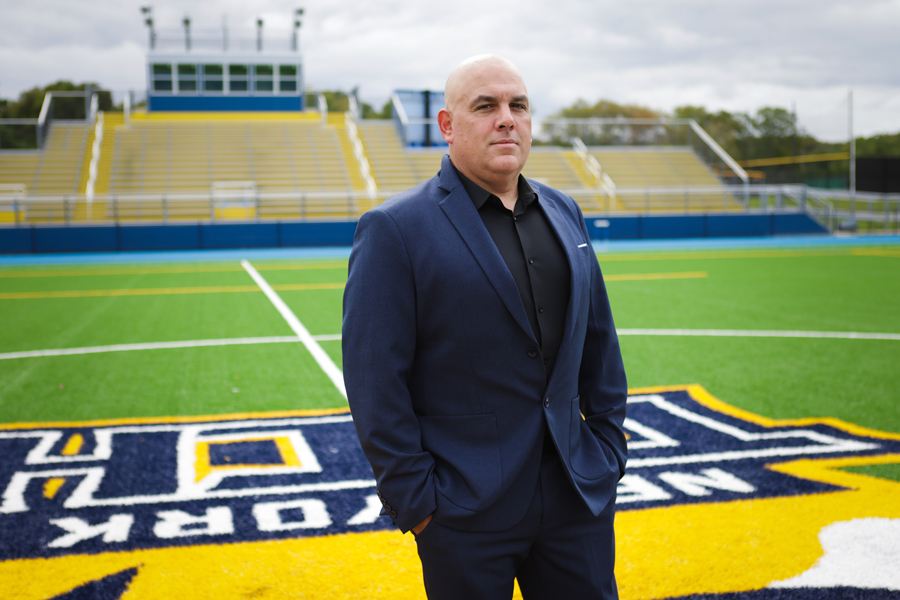
Aldo Spano Named Recreation Director and Sprint Football Coach
Aldo Spano, a 20-year teaching and coaching veteran, has joined New York Tech as director of recreation and head sprint football coach.

Meet the 2026-2027 SGA Presidents
Yashvi Patel and Best Justus will serve as Student Government Association (SGA) presidents for the Long Island and New York City campuses, respectively.