Finding Beauty in Numbers
Marie-Thérèse Wellington always struggled with math in her early schooling. In fact, she grew up with the intention of becoming a pediatrician. But with the help of an after-school tutor and one remarkable teacher, Wellington discovered the unique beauty of working through complex mathematical problems—and she hasn’t thought about pediatrics since.
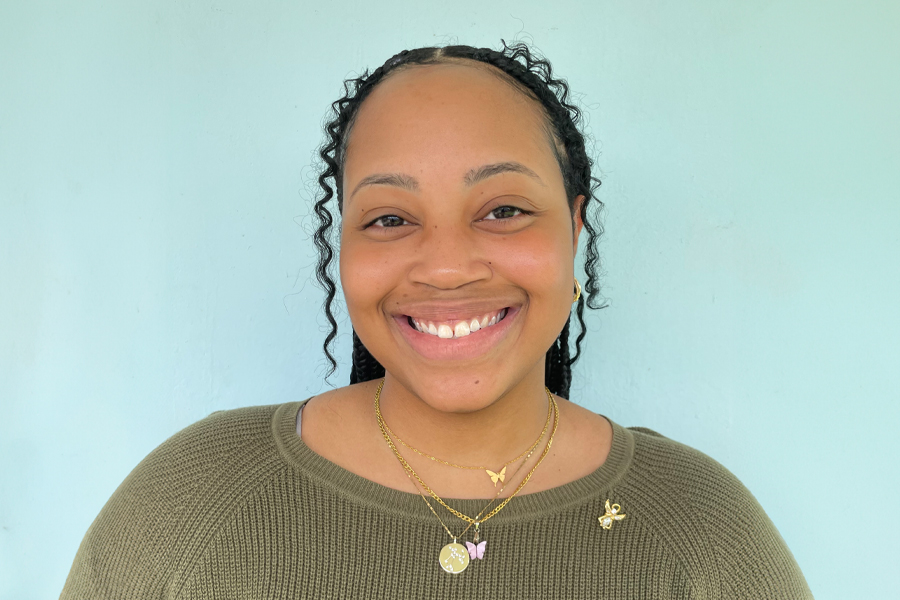
Marie-Thérèse Wellington is studying for her bachelor’s degree in applied and computational mathematics with a concentration in scientific computation.
After permanently moving to the United States from her home in Trinidad and Tobago in 2022, Wellington began studying for a bachelor’s degree in applied and computational mathematics with a concentration in scientific computation. On the New York City campus, the very same math processes that once brought her deep frustration now bring her a sense of fulfillment and are near-meditative to solve.
“I enjoy learning new concepts and how they can be applied to real-world situations,” Wellington says. “I appreciate math’s challenges and how the subject intersects with fields like machine learning and artificial intelligence (AI).”
The College of Arts and Sciences student fondly reflects on her time at New York Tech. She made the most of her years at the university, including serving as secretary and, currently, the vice president of the Society of Women Engineers, where she coordinates events, creates the society’s calendar for the semester, and, most importantly, maintains friendships with her fellow math-loving students.
Wellington was also involved in off-campus extracurriculars, namely Cornell Tech’s Break Through Tech AI Program. The year-long virtual program taught her critical skills in areas of tech, like AI, data science, and machine learning. Upon completing the course in March 2024, Wellington felt like a “completely changed person” as she gained real-world experience working on image classification models for the New York Botanical Garden—sorting through nearly 81 thousand images—and using a variety of high-level techniques to fine-tune machine learning models for Memorial Sloan Kettering Cancer Center.
“At the time, I wasn’t very confident in myself or my coding abilities,” says Wellington, who nervously applied to the program on deadline day. “I not only gained the confidence I needed but also discovered incredible opportunities and built a solid understanding of how to develop and apply machine learning models. It’s been an essential part of my growth in the field.”
With both new and improved skills, Wellington continues exploring how mathematics, machine learning, and AI can be applied to solve real-world problems, particularly in areas that can drive positive change in society. She dreams of contributing to advancements in technology that improve decision-making, optimize systems, and enhance healthcare and education, making processes more efficient and accessible for people across different sectors of society.
Looking ahead, Wellington remains unsure of what her career may ultimately look like, but she is certain that her time in higher education is not yet over. After graduating with her bachelor’s degree, she would like to continue her journey with a master’s degree in machine learning.
“Everything you do will always be a game of trial and error,” Wellington advises. “Never let the fear of failure hold you back.”
More News

First-Gen Entrepreneur
Computer science student Rida Rahim has an impressive résumé of projects, and is only getting started.
Chemistry With a Side of Art
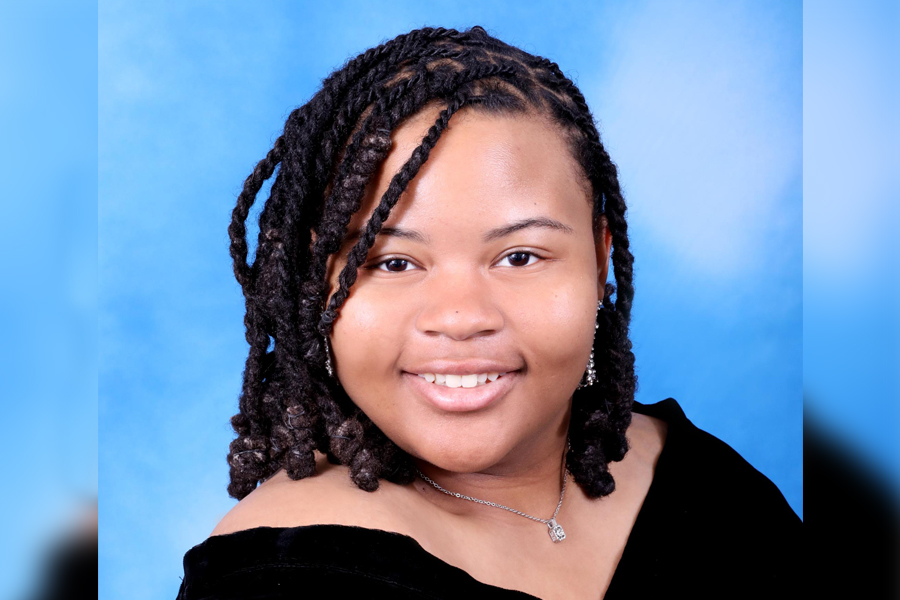
Chemistry student Makayla Napper looks forward to exploring her field while still making time for her creative hobbies.
Forward-Thinking Design
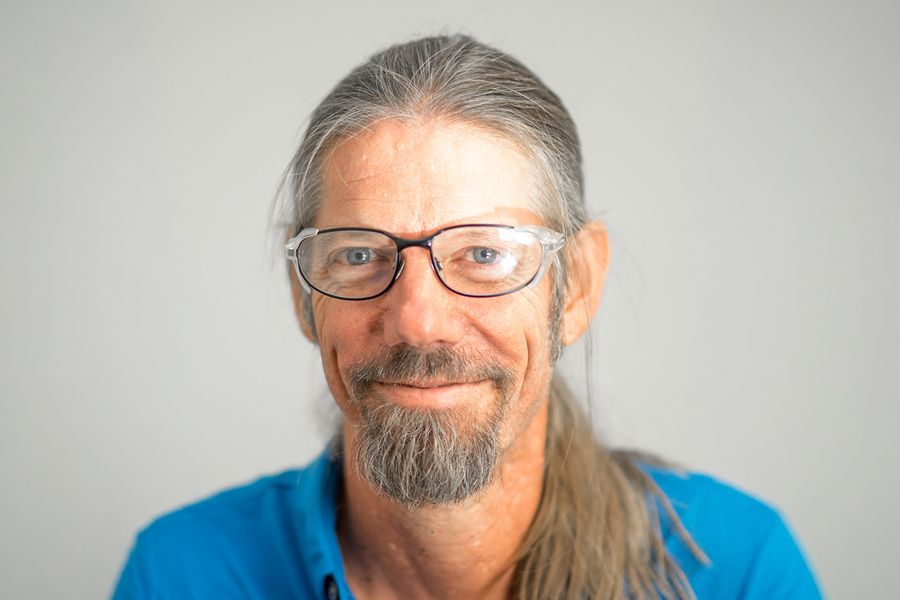
Associate Professor of Architecture Clarke Snell, M.Arch., uses technology to link form and performance.
Bringing Literature to Life
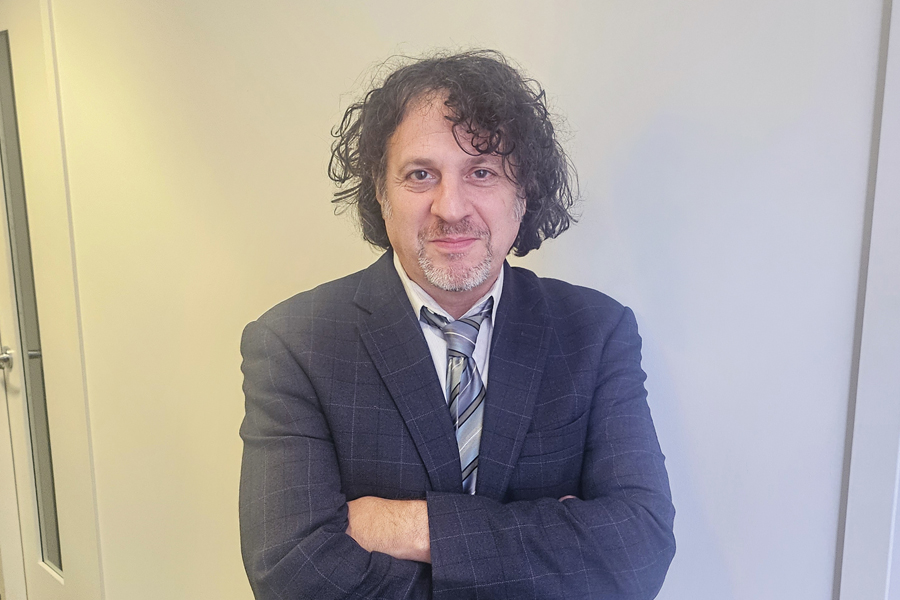
Professor of Humanities and New Your Tech’s second Distinguished Professor Jonathan Ezra Goldman dispels myths of the 1920s—and the myths students tell themselves.

An Explorer, Through and Through
Associate Professor of Management Kevin O’Sullivan, D.Sc., teaches skills so students can adapt to change with agility.
A Head Start in Architecture
Architecture student Satish Doobay’s ongoing internship with an alumna’s firm is helping prepare him for a future in the field.