Fellows’ Field Notes: Dominican Republic and Greece
Between June and October, seven students traveled the world for their academic research projects supported by New York Tech’s Edward Guiliano Global Fellowship program.
Since 2014, more than 210 fellowship students have benefited from these high-level research trips that link academic studies with a broader world perspective. Scholarships of $750 to $5,000 support the journeys that are, by fellowship requirement, at least 200 miles from a participating student’s home or New York Tech campus. New York Tech News spoke with several students from the summer/fall 2026 cohort to learn about their transformative experiences.
Low-Cost Trainers Offer High-Impact Results
College of Osteopathic Medicine students Christopher Pantelias and Joseph Daly (B.S. ’24), who, in addition to studying osteopathic medicine, are both pursuing a master’s degree in medical-healthcare simulation and a certificate in global health, traveled to the Dominican Republic’s capital city, Santo Domingo, for their research project, “Effectiveness of Low-Fidelity Task Trainers for Teaching Lifesaving Trauma Skills in a Resource-Limited Setting.”
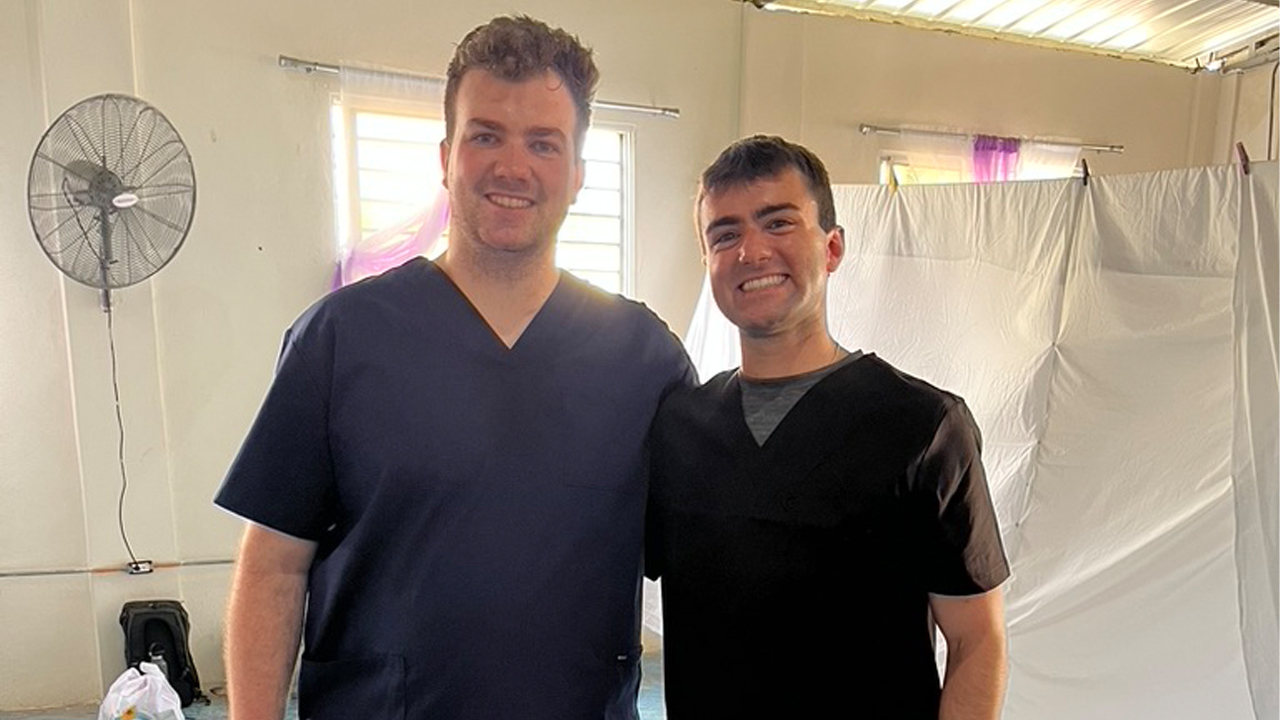
For 10 days in June, the pair set out to teach community members and healthcare providers trauma care for life-threatening injuries. Pantelias and Daly explain that death from injury remains a substantial issue in global health, as most of those deaths arise from lack of access to emergency medical services and care.
To equip locals in the impoverished region with knowledge and tools that might help reduce patient mortality before they can receive more definitive trauma care, Pantelias and Daly gathered inexpensive materials that could be assembled into realistic training devices.
Using pool noodles, PVC pipe, and thin tubing, the duo created a training model for tourniquet applications; with a plastic jar and silicone, they assembled a wound packing trainer. With each device costing less than $5 to make, Pantelias and Daly exemplified that developing nations do not need to be restricted in medical instruction—there is always a way to teach.
During their stay in Santo Domingo, the medical students educated locals on massive hemorrhage control, tourniquet placement, wound packing, CPR, burn care, fracture management, spinal precautions, and acute illnesses. For their research, they evaluated trainees’ performance with tourniquets and wound packing to measure the effectiveness of their affordable training devices.
By the end of their trip, the two determined that their low-cost, simulation-based trauma education produced significant improvements in confidence, procedural performance, speed, and competency among trainees.
“By evaluating the effectiveness of inexpensive training tools for education, we hope to one day create an affordable and scalable training model that can be used to teach trauma care in resource-limited settings across the globe,” Pantelias and Daly agree.
Tourism and Architecture in Greece
For their fieldwork project, “National Identity in the Age of Tourism: Evaluating the Impact of Tourism-Driven Architectural Restoration on Greek Communities,” undergraduate architecture students Maria Paula (Maps) Navarrete Bernal and Maciej Karwowski spent two and a half weeks visiting 14 different communities in Greece.
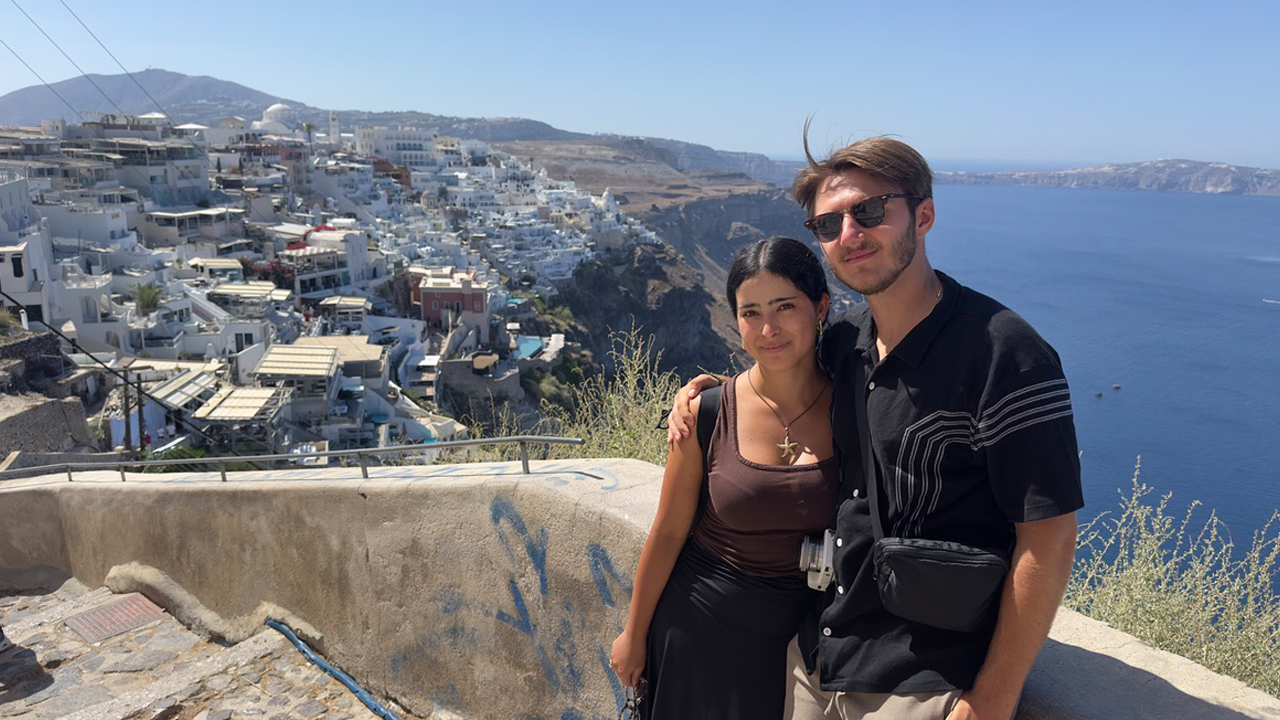
With the Mediterranean country as their case study, Navarette Bernal and Karwowski sought to understand the relationship between architectural restoration driven by overtourism and its impact on local identity. Through their work, the students reflected on how tourism-influenced architectural restoration practices contribute to the preservation, transformation, or loss of identity in an era of globalization and international overtourism.
On mainland Greece and its surrounding islands, they used a combination of surveys, interviews, and visual documentation to analyze differences in conditions across cities, islands, and villages. Interviews with locals revealed differing perspectives on the dynamic between architecture and tourism. While some were emotional when discussing how their villages had changed in only a few years, others felt at ease with the changes as they positively impacted the economy.
To quantify their findings, Navarrete Bernal and Karwowski developed a survey to identify common opinions around Greece. Answers from both locals and tourists pointed toward the consensus that since the introduction of mass tourism, the country’s hot spots have undergone large identity changes, with some tourists stating that certain locations weren’t as “authentic” as they had hoped.
In the short term, the students will share their project results in a research paper as well as a digital book combining analytical results with photographs, drawings, and narratives. Long term, they plan to collaborate with local professionals to develop an awareness campaign that highlights the importance of architectural restoration in regions experiencing overtourism. If all goes according to plan, they hope to someday present their research and results at the annual Architecture and Tourism Conference in Greece.
With Karwowski’s love for historical preservation and Navarrete Bernal’s passion for how history and culture influence cities’ development, their research allowed them to experience a culture and architectural style that have been studied and admired by architects for centuries. “We were looking to get a broader understanding of the culture through our research, but we got so much more,” Navarrete Bernal and Karwowski say. “We spent time with very special people, bonding with them and hearing their unique and personal histories with architecture.”
Additional Projects
Undergraduate bioengineering student Aiesha Ayaana Hamid spent the month of August in Hong Kong, carrying out her fellowship fieldwork, while M.B.A. student Terry Kwan traveled to Hong Kong for 10 days at the end of September, and energy management student Valeria Ruiz Lopez spent one week in Peru in August.
Students are selected for the Edward Guiliano Global Fellowship program based on their applications, including the following metrics: the project’s purpose, goals, and methods; creativity; transformative potential; intended effect; and budget proposal.
The next cohort of selected students will complete their travels throughout the winter and spring of 2027. Interested students may apply by October 30.
More News
New York Tech To Be Ranked Among National Universities
For the 2027 U.S. News & World Report annual rankings, New York Tech will be included in a new ranking category—National Universities.
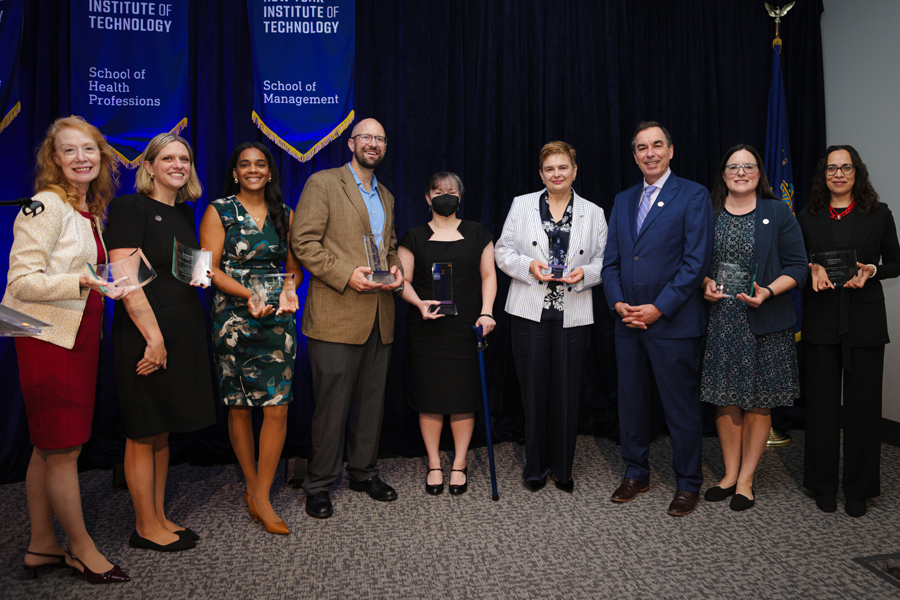
Convocation 2026: Success in a Time of Change
At the annual faculty and staff convocation, New York Tech President Jerry Balentine reflected on the accomplishments over the past year and presented his vision for the future.
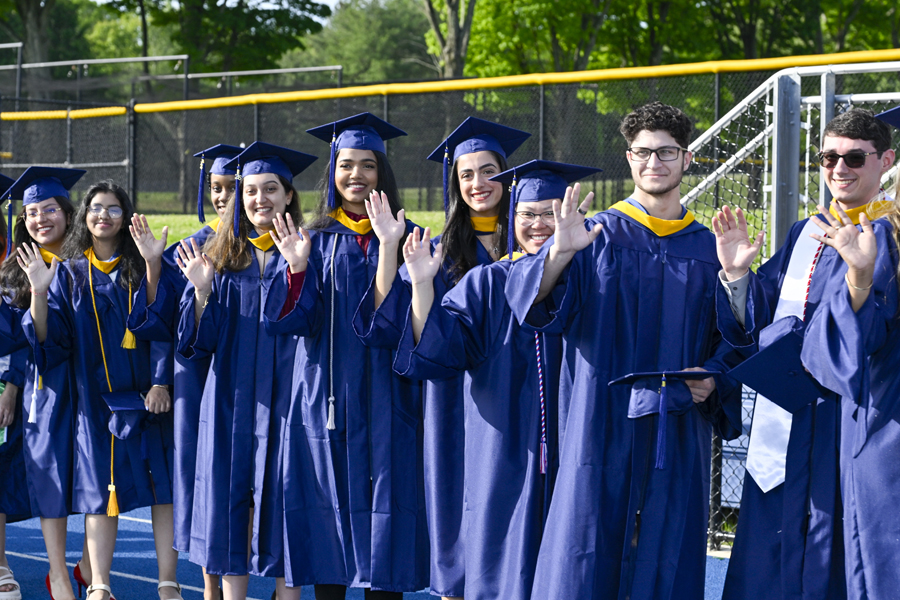
Congratulations, Class of 2026!
On May 17, graduates, family members, and friends joined faculty, staff, and administration at New York Institute of Technology’s Long Island campus to celebrate its 65th annual commencement.
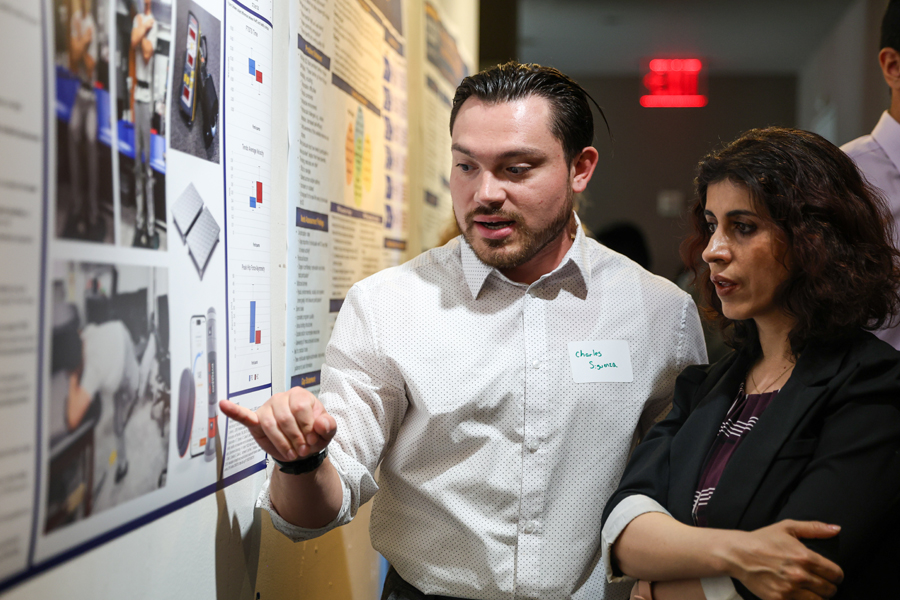
A SOURCE for Impressive Student Research
New York Tech’s 23rd Annual Symposium of University Research and Creative Expression (SOURCE) featured hundreds of students’ research and scholarly work.
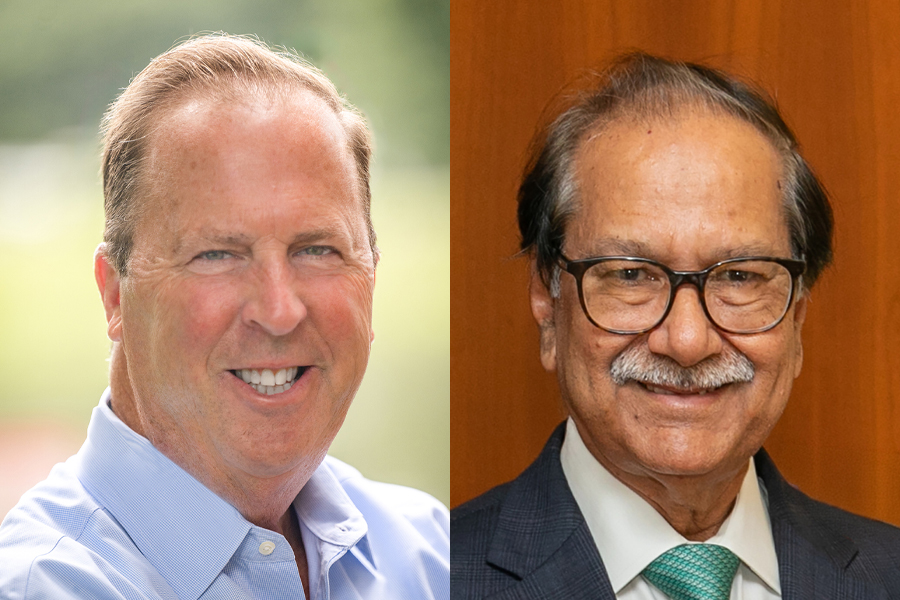
2026 Honorary Degree Recipients
Kevin S. Law, executive vice president and partner at TRITEC Development Group, and Krishan Kumar, M.D., an NYITCOM clinical professor of pediatrics and emergency medicine, will receive honorary degrees at New York Tech’s 65th commencement.
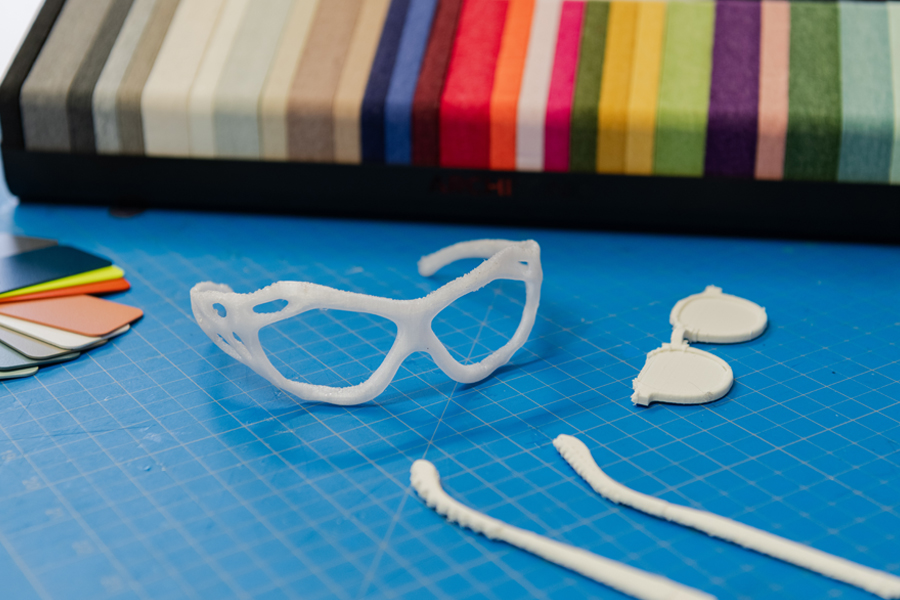
“Envisioning” More Inclusive Eyewear
As part of a collaborative initiative between New York Tech and the global eyewear company Marcolin, students from the School of Architecture and Design and NYITCOM teamed up to develop potential eyewear solutions for neurodivergent populations.