A Legacy of Justice, Perseverance, and Healing
For Jewish American Heritage Month, Theodore Flaum, D.O., professor of osteopathic manipulative medicine, reflects on his heritage and how it has shaped how he teaches, practices medicine, and lives.
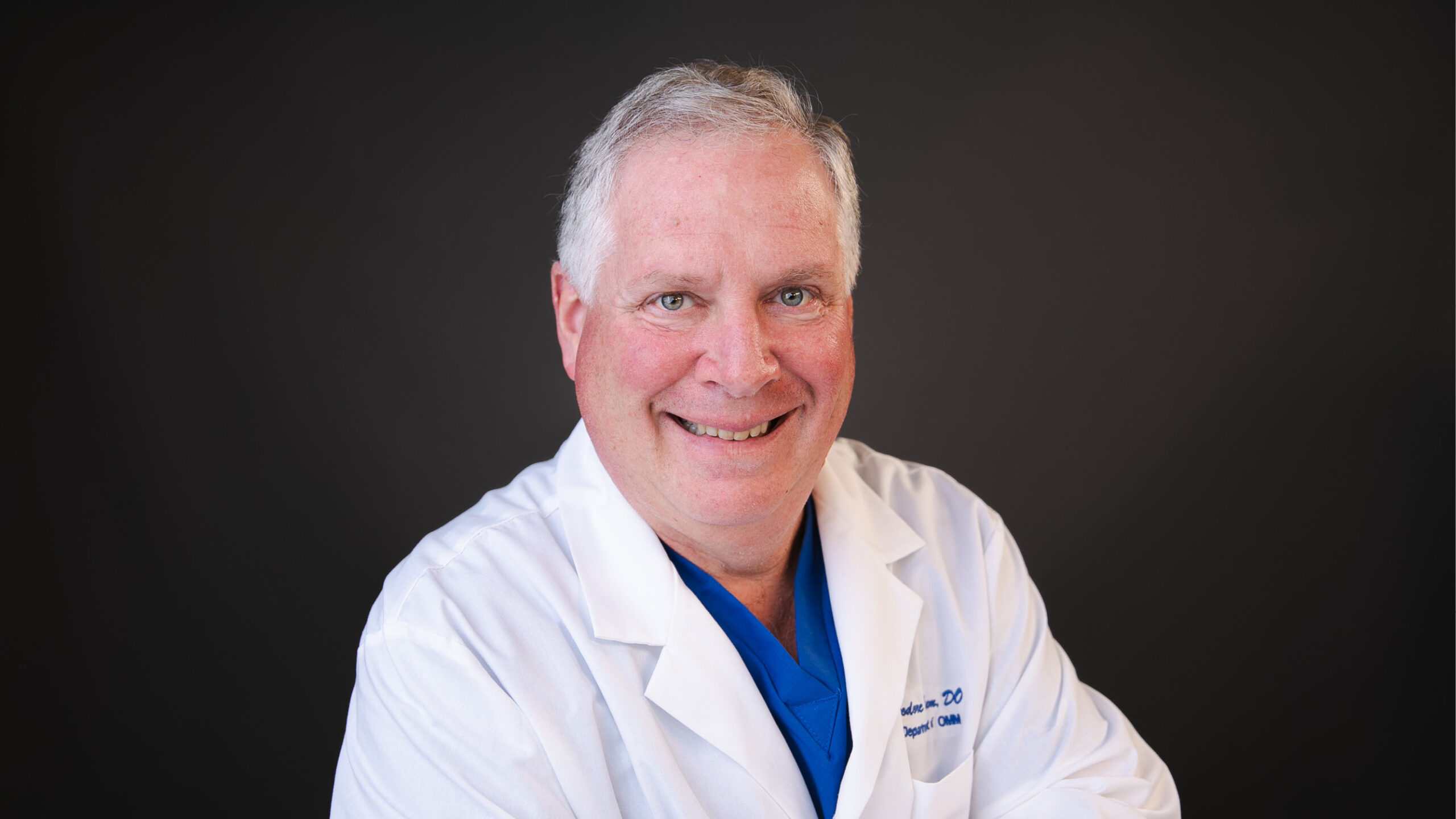
As a physician and professor of osteopathic medicine, my Jewish heritage is not just a part of who I am, it is the foundation that shapes how I teach, practice, and live. Jewish American Heritage Month offers a moment to reflect on that identity and the historical narratives that have influenced our place in American society. Two stories in particular resonate deeply with me: the life of Rabbi Israel Dresner and the little-known history of “reverse quotas” that once limited Jewish access to medical education.
Rabbi Israel “Sy” Dresner, a key figure in the civil rights movement, exemplified the Jewish commitment to tikkun olam, the ethical call to repair the world. A close ally of Martin Luther King Jr., Dresner risked his life by riding buses through the segregated South and standing on the front lines of justice. His activism was not despite his faith but because of it. As he once said, the Hebrew prophets “were the first radicals,” and their calls for justice still echo today. Dresner’s legacy reminds us that Jewish identity is deeply tied to moral courage—a readiness to speak out not only for our own people but for any community facing oppression.
While Jewish Americans were marching for civil rights, they were also quietly battling discrimination closer to home. The second article I reflect on details a disturbing but often forgotten chapter: the widespread use of “reverse quotas” in American medical schools during the 20th century. These policies, designed to cap or limit Jewish enrollment, were rationalized under the guise of maintaining diversity or “character.” Jewish applicants—often the children of immigrants—were stereotyped as overly ambitious, lacking in bedside manner, or threatening to the status quo.
These discriminatory practices had real consequences. They not only limited educational and professional opportunities but also sent a broader message: that Jews, no matter how talented or hardworking, were unwelcome in certain spaces. And yet, our community persevered. Jewish students found alternative paths, created their own institutions, and ultimately transformed American medicine—not through exclusion but through excellence.
Today, I am proud to be on the teaching faculty at the College of Osteopathic Medicine, where diversity and inclusion are embraced. Additionally, I do not take that progress for granted. Understanding where we’ve come from—through the stories of people like Rabbi Dresner and the fight against educational quotas—reminds me that justice is not a static achievement but a continuous pursuit. Jewish American heritage is a tapestry of resilience, faith, and social responsibility. It is the story of immigrants who worked to heal a country that did not always welcome them and leaders who risked everything to stand beside others. As we celebrate Jewish American Heritage Month, may we carry forward this legacy—not only in remembrance but in action.
More News

Faculty and Alumni Publish New Books
New publications from members of the New York Tech community explore topics and interests across the fiction and nonfiction genres.
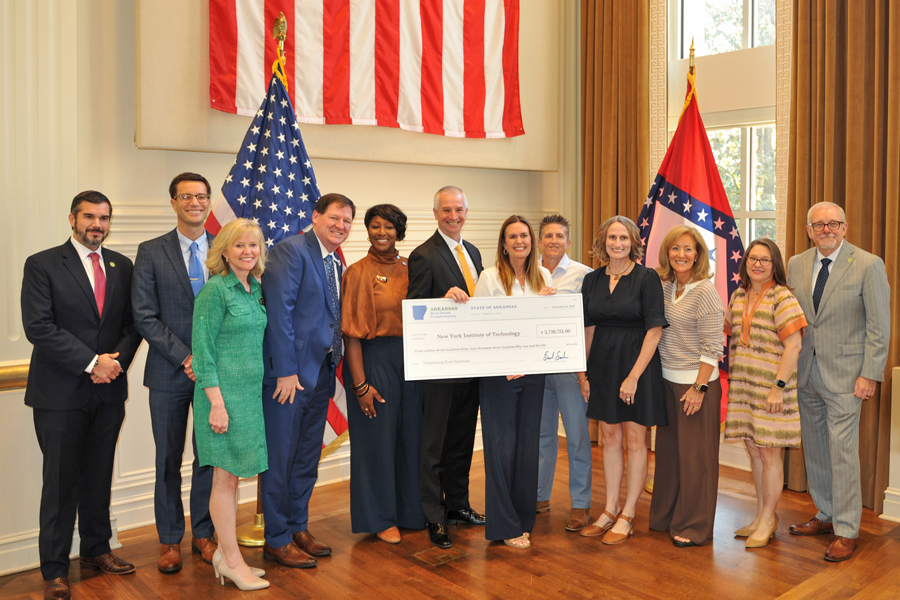
NYITCOM-Arkansas Receives Two Grants for New Residency Program, EMS Training Initiative
Two Rural Health Transformation Project grants, totaling $3.7 million, will support health education programs at the College of Osteopathic Medicine at Arkansas State University (NYITCOM-Arkansas).
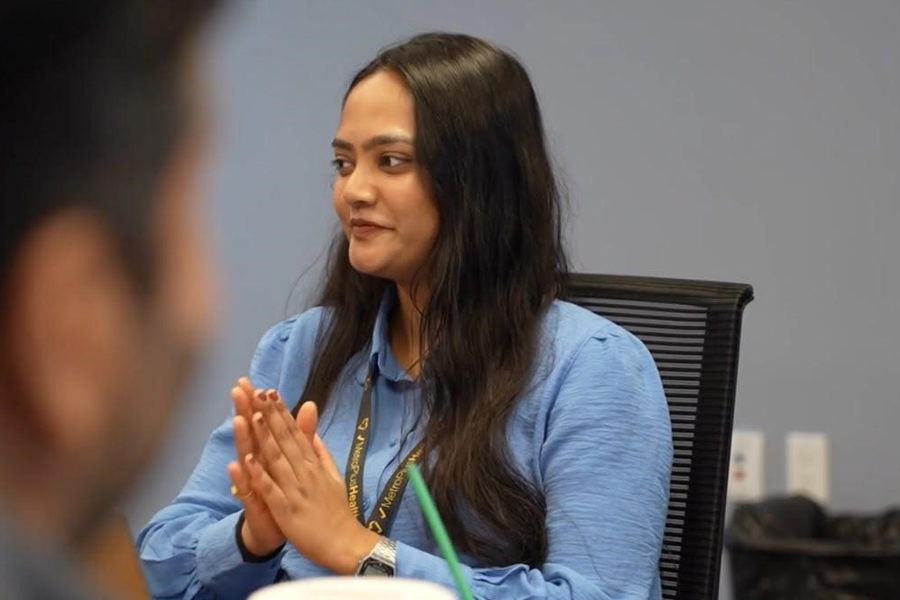
Intern Insight: Mansi Santosh Tikam
M.B.A. student Mansi Santosh Tikam spent her summer interning with MetroPlusHealth, where she learned what it means to be a marketing professional.
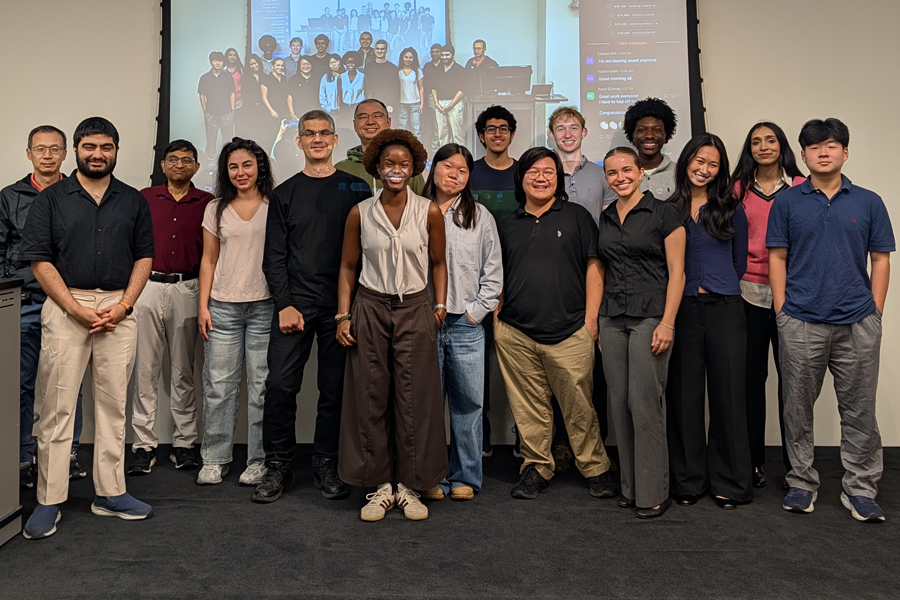
The Domino Effect
New York Tech’s Research Experiences for Undergraduates program has spent more than a decade turning summer research opportunities into lasting careers, helping build the university’s research reputation along the way.
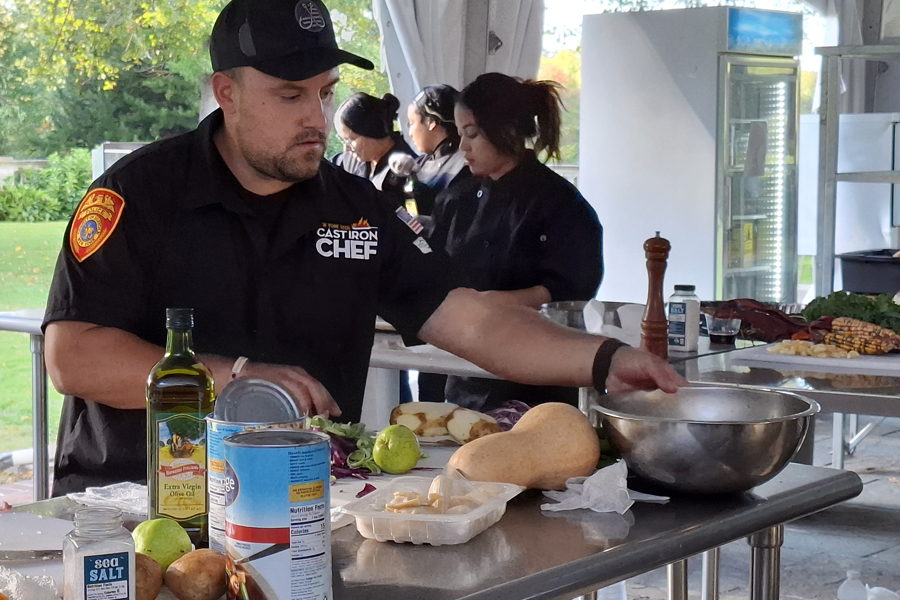
Officers Cook at 12th Annual Cast Iron Chef
This year’s Cast Iron Chef cooking competition welcomed teams of local law enforcement officers for an evening of culinary fun.
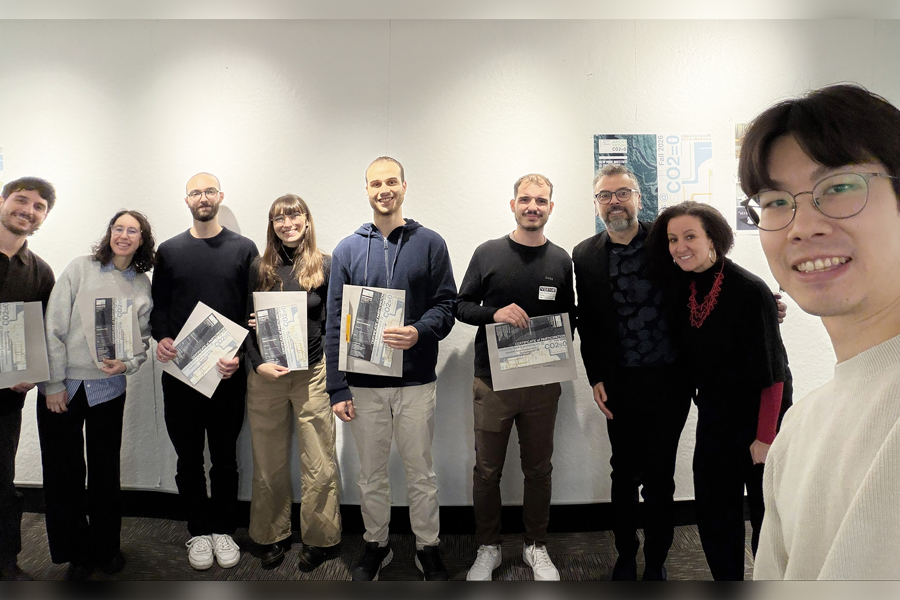
International Collaboration: School of Architecture and Design and IUAV
Graduate architecture students from Università Iuav di Venezia (IUAV) in Venice participated in a week-long atelier on the New York City campus, while School of Architecture and Design students traveled to Venice for a 17-day workshop.