Fellows’ Field Notes: Bofan He and Christine Lee
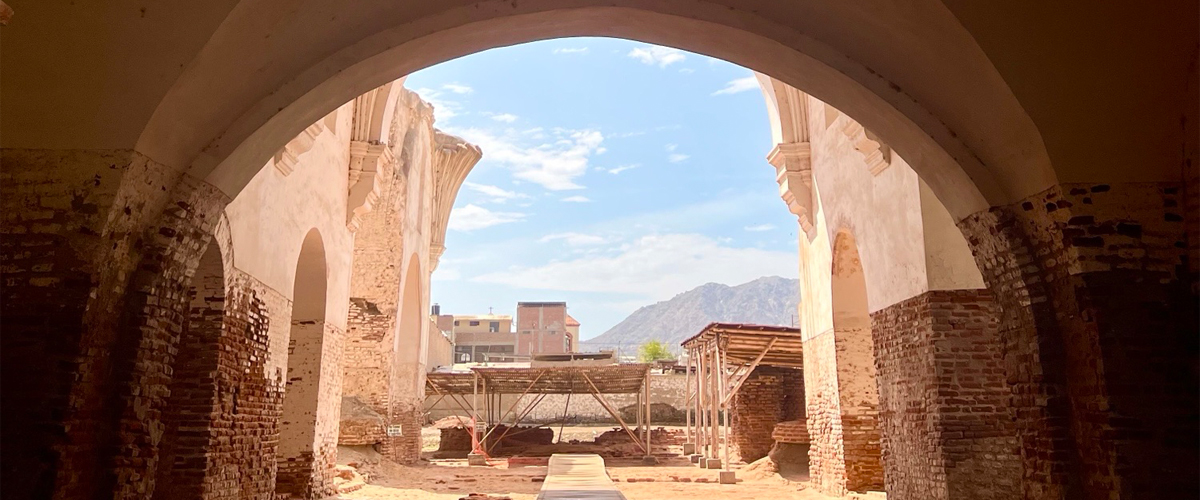
Pictured: For her fellowship work, Christine Lee explored the Convento de San Agustín in Peru.
As part of the university’s Edward Guiliano Global Fellowship program, College of Engineering and Computing Sciences Ph.D. candidate Bofan He (B.Arch ’18, M.S. ’23) and College of Osteopathic Medicine D.O./Ph.D. candidate Christine Lee (B.S. ’22) traveled across the United States and Peru, respectively, to carry out fieldwork.
Since 2014, more than 210 fellowship students have benefited from high-level research trips that link academic studies with a broader world perspective. Scholarships of $750 to $5,000 support the journeys that are—by fellowship requirement—at least 200 miles from their home or New York Tech campus.
Communicating at Conferences
He, a computer science doctoral student, envisions a career that blends research and innovation—a role where he can bridge advancements in artificial intelligence (AI) with real-world healthcare challenges. Always thinking about emerging technologies that may someday benefit clinicians and their patients, He’s fellowship journey marks his latest endeavor to share his work and learn from seasoned healthcare AI researchers.
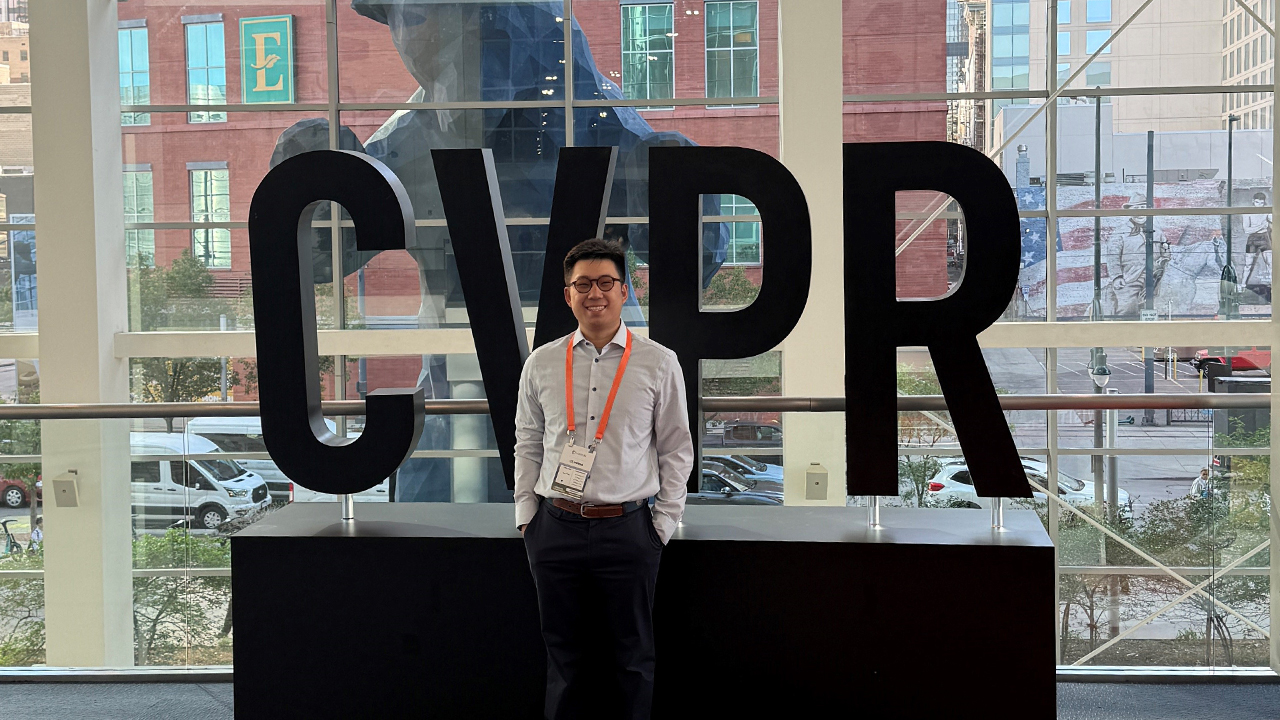
With a $5,000 award, He spent the first week of June traveling to Minneapolis and Denver, where he attended the Institute of Electrical and Electronics Engineers (IEEE) International Conference on Healthcare Informatics (ICHI) and the IEEE/Computer Vision Foundation Conference on Computer Vision and Pattern Recognition (CVPR), respectively. As an attendee, He pursued his project, “From Knowledge Graphs to Virtual Patients: Exploring the Next Generation of Healthcare AI.”
“These locations hosted two of the most influential conferences in my research areas,” He says. “Together, these conferences provided an opportunity to both share my own research and learn from researchers developing the next generation of healthcare AI technologies. More importantly, they exposed me to ideas, technologies, and research communities that extend beyond what I would normally encounter in my day-to-day academic environment.”
At ICHI, a leading conference focused on healthcare informatics and AI in medicine, He presented his research paper, “Dynamic-Capacity Relational Graph Convolutional Networks for Large-Scale Biomedical Knowledge Graph Completion.” Integrating structured medical knowledge with real-world clinical relationships derived from electronic health records, this project aims to improve biomedical knowledge graph learning and clinical knowledge discovery.
CVPR, an international conference in computer vision and machine learning, empowered He to explore emerging advances in computer vision, multimodal foundation models, medical imaging, and trustworthy AI.
By attending technical sessions, workshops, and keynote presentations at ICHI and CVPR, He achieved his fellowship goals and then some, collecting extensive research notes and developing new project ideas and research directions that will contribute to his future publications and doctoral dissertation. Personally, he learned the importance of seeking opportunities beyond what is immediately accessible, as well as the value of thinking past traditional boundaries. “Being selected as an Edward Guiliano Global Fellow is both an honor and a meaningful investment in my development as a researcher,” He reflects. “Traveling to major international conferences allowed me to experience ideas, technologies, and perspectives that I would not normally encounter. These experiences reminded me that innovation often happens when we explore unfamiliar areas and connect ideas across fields.”
The Muchik People of Peru
Lee, an Osteopathic Medicine, D.O./Medical and Biological Sciences, Ph.D. student, is deeply interested in the intersection of medicine, humanity, and culture. Through her personal lens, medicine and anthropology are interrelated, and her academic curiosity is tethered to understanding how stress and disease impact health, especially among marginalized communities.
With her $5,000 fellowship award, Lee spent three weeks in May and June between Lambayeque and Chiclayo in Peru for her project, “Examining Entheseal Changes and the Mechanical Etiology of Osteoarthritis in Colonial Lambayeque, Peru.”
“As a Korean American with relatives deeply impacted by Japanese colonial occupation, I’ve always been motivated to understand health and disease among marginalized groups,” Lee says. “Finding ways to contextualize the life histories of those who are socially, economically, and politically oppressed is important to me and my work.”
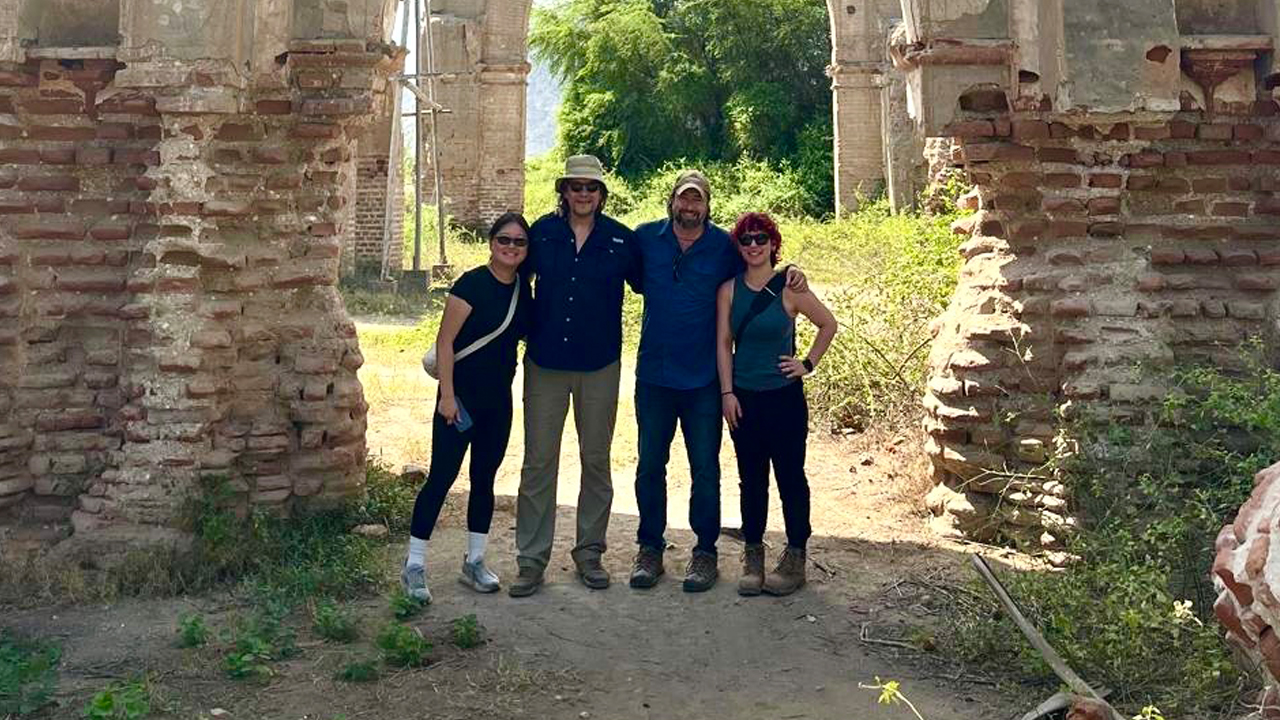
In collaboration with the Lambayeque Valley Biohistory Project, she sought to contextualize the life history of the indigenous Muchik population in Peru. Lee explains that following Spanish colonization in the 16th century, the Muchik went through significant shifts in their way of life that dramatically impacted their overall health. Specifically, the prevalence of osteoarthritis (OA) significantly increased. Lee’s research aimed to identify what, exactly, in the colonial environment caused this spike.
Through connecting with staff at multiple museums and immersing herself in their human remains collections, she achieved her project goals of collecting data for her Ph.D. project, making connections with museum directors, and learning more about bioarcheology. Importantly, she collected 3-D models of bone elements that will later be processed to measure entheseal sites (pertaining to the connective tissue where tendons, ligaments, or joint capsules attach to a bone) to examine the origins of OA in the Muchik.
As she shared her preliminary findings with museum staff and the local community, she was encouraged by their interest and engagement with her work.
“This community places significant value in understanding its history, particularly its colonial past,” says Lee, who hopes to have helped contextualize aspects of the community’s ancestral past and provided insights into a more comprehensive understanding of their historical experience and life history. “Many community members were eager to learn how my research contributes to that broader narrative. It was both humbling and rewarding to see the community’s interest in my project.”
Lee’s career goals center around being a physician-scientist, although she is uncertain of which specialty she would like to pursue. Regardless, she is certain she wants to work extensively in global health, and her fellowship project provided valuable insight into what community-engaged fieldwork looks like.
“As I continue my training and eventually earn my medical degree, I hope to identify meaningful ways to give back to the community that has contributed so much to my research,” she reflects. “I am deeply honored and grateful for this fellowship. Meeting descendants and members of the community connected to my research reminded me of the broader purpose behind what I do. It reinforced the responsibility I have as a researcher to approach this work with care, respect, and accountability to the communities I study.”
Students are selected for the Edward Guiliano Global Fellowship program based on their applications, including the following metrics: the project’s purpose, goals, and methods; creativity; transformative potential; intended effect; and budget proposal.
The next cohort of selected students will complete their travels throughout the summer and fall of 2026.
More News
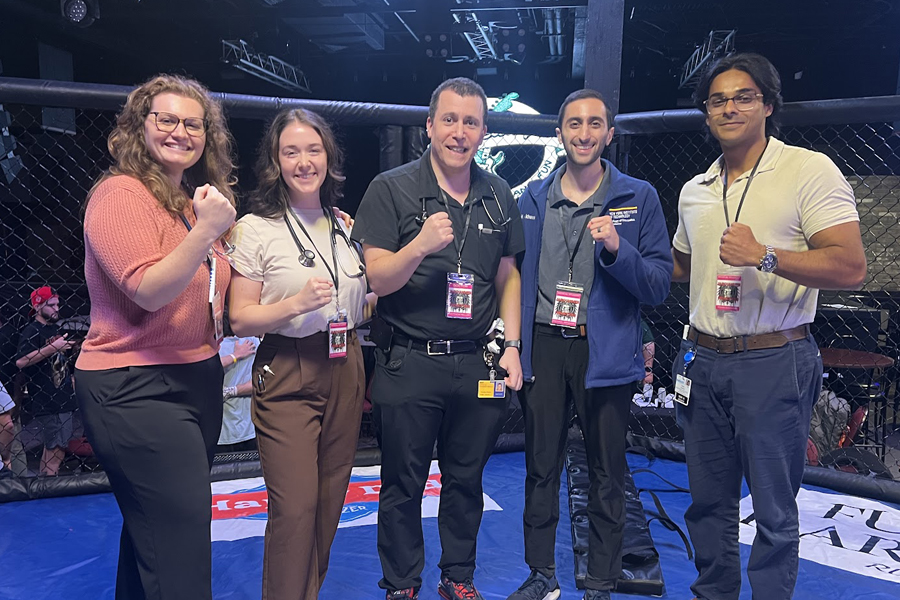
Students Step in to Help Save a Life
Students from the College of Osteopathic Medicine and the School of Health Professions provided life-saving medical care to a young mixed martial arts athlete.
Aldo Spano Named Recreation Director and Sprint Football Coach
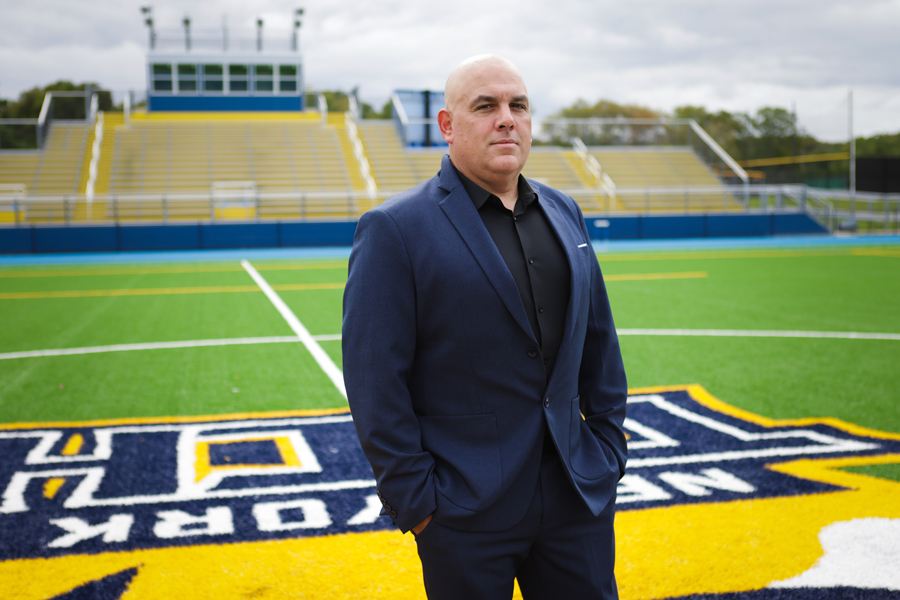
Aldo Spano, a 20-year teaching and coaching veteran, has joined New York Tech as director of recreation and head sprint football coach.
Meet the 2026-2027 SGA Presidents
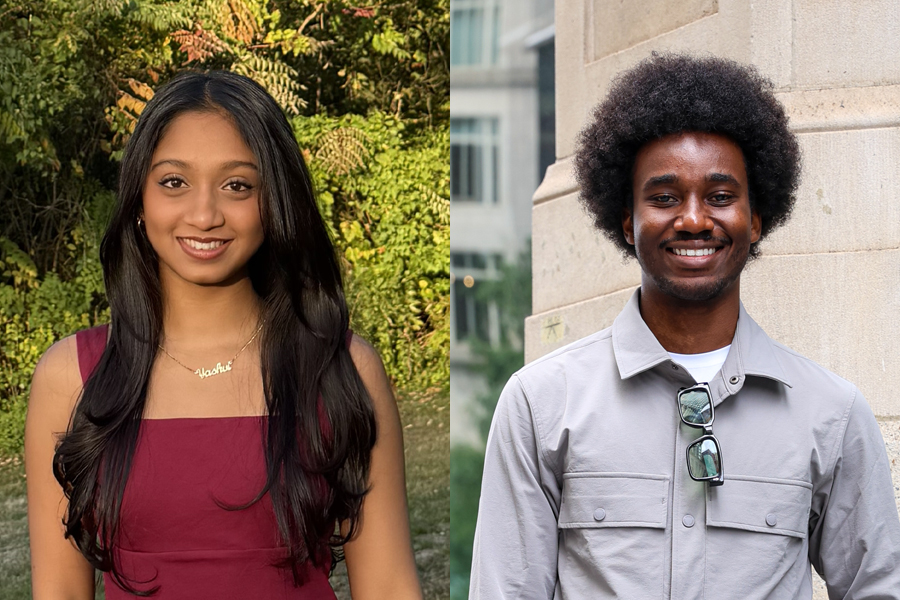
Yashvi Patel and Best Justus will serve as Student Government Association (SGA) presidents for the Long Island and New York City campuses, respectively.
A Flu Season Primer
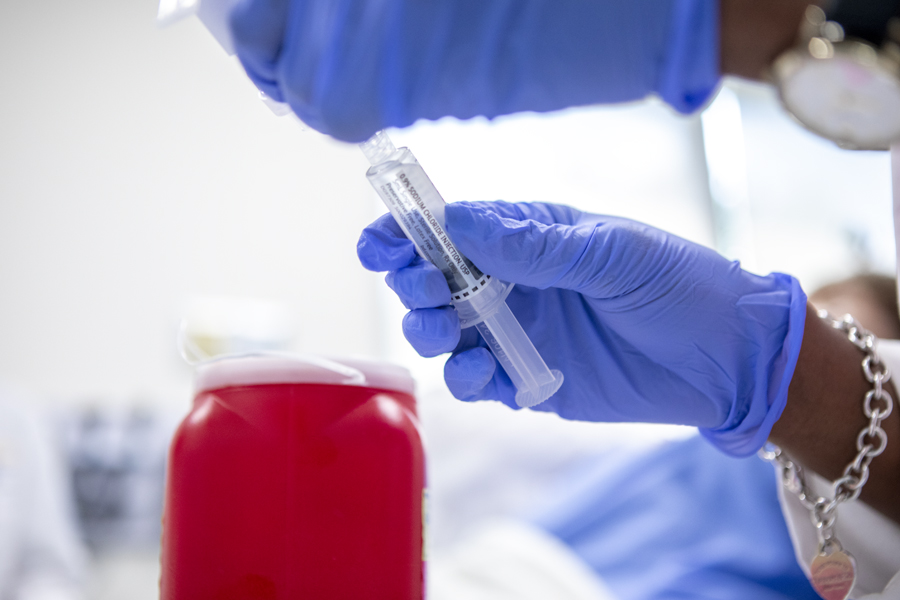
A family medicine physician shares insight to help inform the university community about the flu and the importance of the flu vaccine.
New York Tech To Be Ranked Among National Universities
For the 2027 U.S. News & World Report annual rankings, New York Tech will be included in a new ranking category—National Universities.
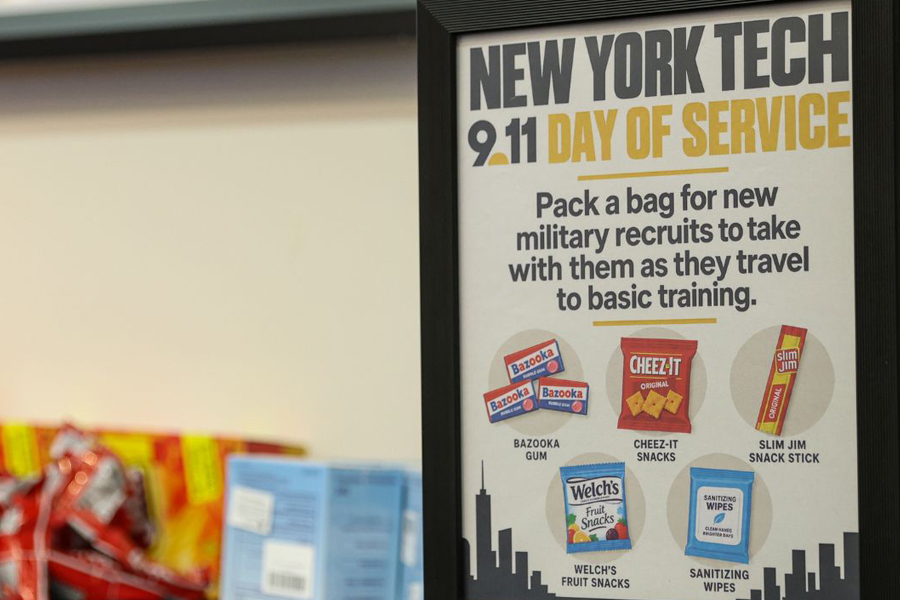
New York Tech Commemorates 25th Anniversary of 9/11
The New York Tech community commemorates the 25th anniversary of September 11 through opportunities to remember those we lost and honor the first responders and members of our military.