Bear Bytes Initiative Supports Students’ Holistic Health
In higher education, student success is often measured in grades, retention, and graduation rates. But at New York Tech, leaders recognize that one of the most fundamental drivers of success is far more basic: access to healthy food.
Since its launch in 2020, New York Tech’s Bear Bytes initiative has evolved to not only address food insecurity, but also promote long-term health, wellness, and academic achievement for students across its New York campuses.
From Urgent Need to Institutional Action
The origins of Bear Bytes trace back to the months just before the COVID-19 pandemic, when university leaders began to better understand the scope of food insecurity among students.
A 2019 survey of more than 800 students across the New York City and Long Island campuses revealed a striking reality: 55 percent reported eating less in the previous month due to financial constraints, and one-third of those respondents said they had skipped meals regularly. Among Pell Grant recipients, the numbers were even higher.
For Tiffani Hinds, Ed.D., associate provost for student engagement and development, those findings, as well as personal encounters with students in distress, made it clear that action was needed.
“There were students who were feeling unwell, and when we looked more closely, it wasn’t illness. It was hunger,” says Hinds. “We knew we had to think bigger than isolated efforts from individual faculty and staff and build something that could support students at scale.”
With that, Bear Bytes was born—a collaborative initiative bringing together departments across campuses alongside community partners for students’ health and well-being.
Building a Network of Support
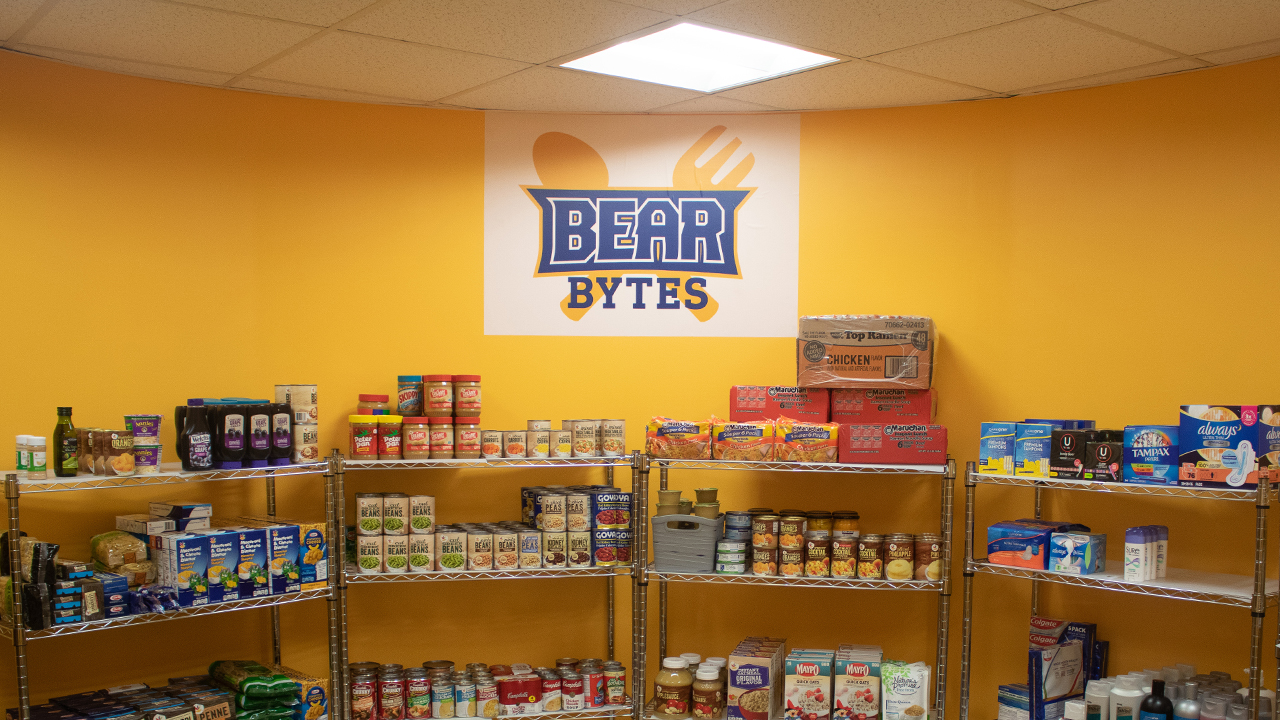
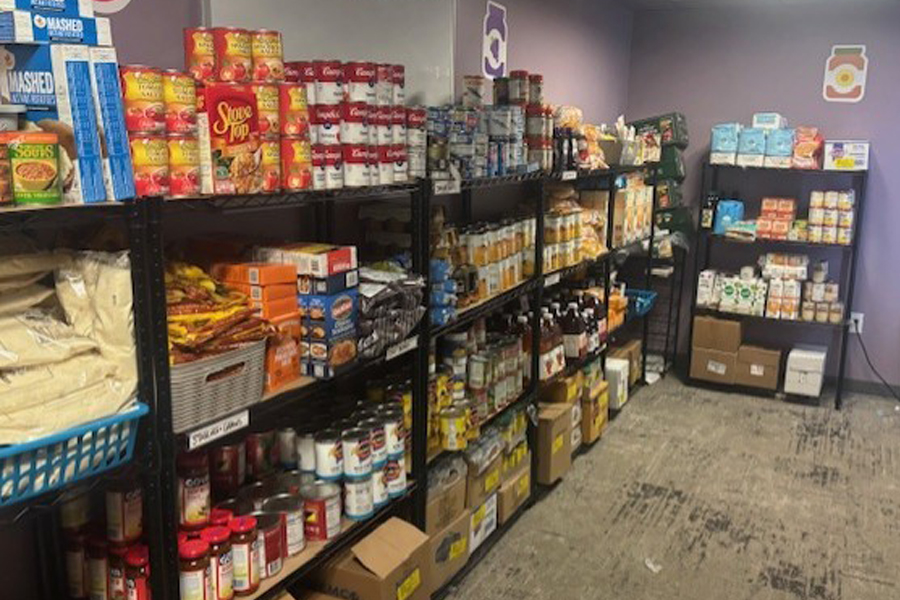
At the heart of Bear Bytes are the Grizzly Cupboard food pantries, which serve students through convenient on-campus locations in New York City and Long Island, distributing essential groceries, personal items, and household products. Students can visit a Grizzly Cupboard once per week; Bear Bytes’ aim is to provide nine meals per person in the home (three meals for three days) during each visit.
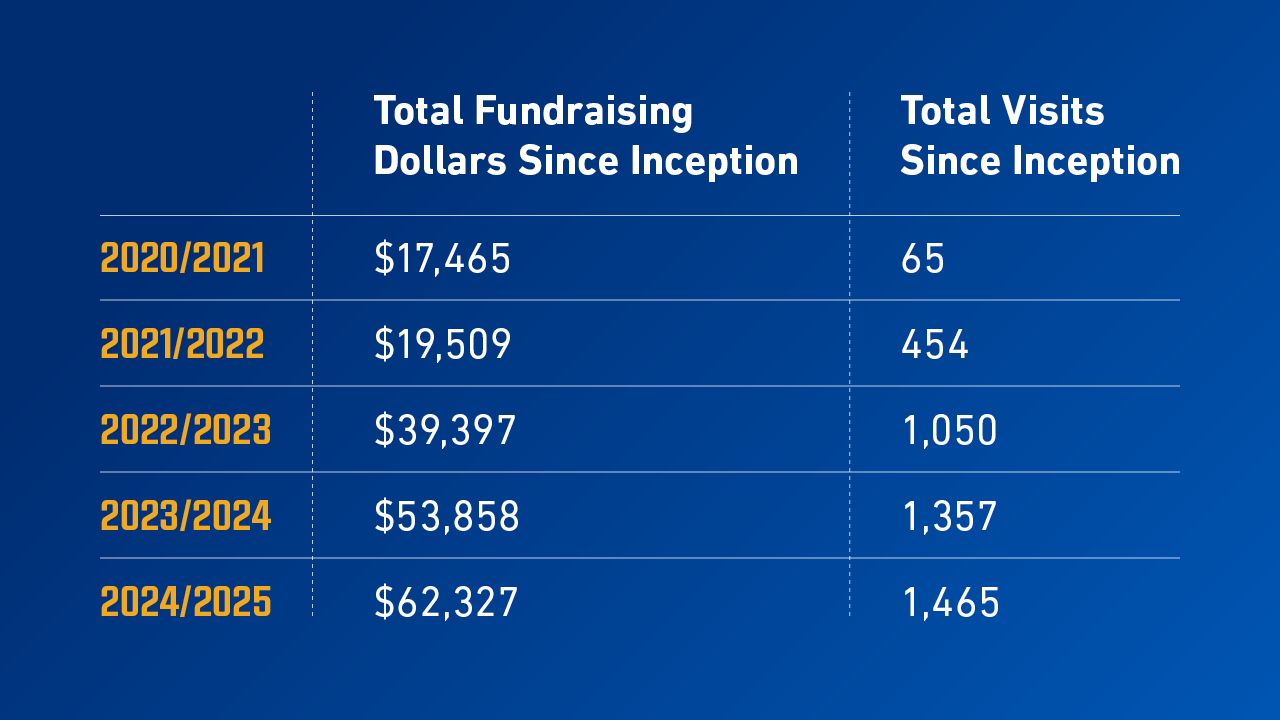
Donations from partners and food purchased with donor funds help supply fruits, vegetables, and healthy non-perishables to users. The recent addition of refrigerators to the Grizzly Cupboards has also made it possible to store and distribute more perishable items, such as high-quality protein. During the 2024–2025 academic year alone, the Grizzly Cupboard distributed more than 11 tons of food to students and their families.
The growth in Bear Bytes usage over the last six years has been supported by a parallel rise in funding. Annual fundraising has climbed 256.8 percent since the 2020–2021 academic year, with last year reaching more than $62,000.
A key contributor from the beginning is grocery chain Stop & Shop, which has committed a total of $60,000 to Bear Bytes through its wide-ranging and impactful School Food Pantry Program [see “A Partner from the Start: Stop & Shop” below for more information].
Multiple grants from New York State’s Community Food Connection totaling $50,534 fund Farmers Market days that distribute free fresh produce to New York City students, faculty, and staff; in 2024-2025, 12,000 pounds of corn, kale, apples, and more were issued throughout the year.
Additional collaborations with organizations like the Food Bank for New York City and Long Island Harvest have further strengthened the Bear Bytes initiative’s reach and reliability over the years.
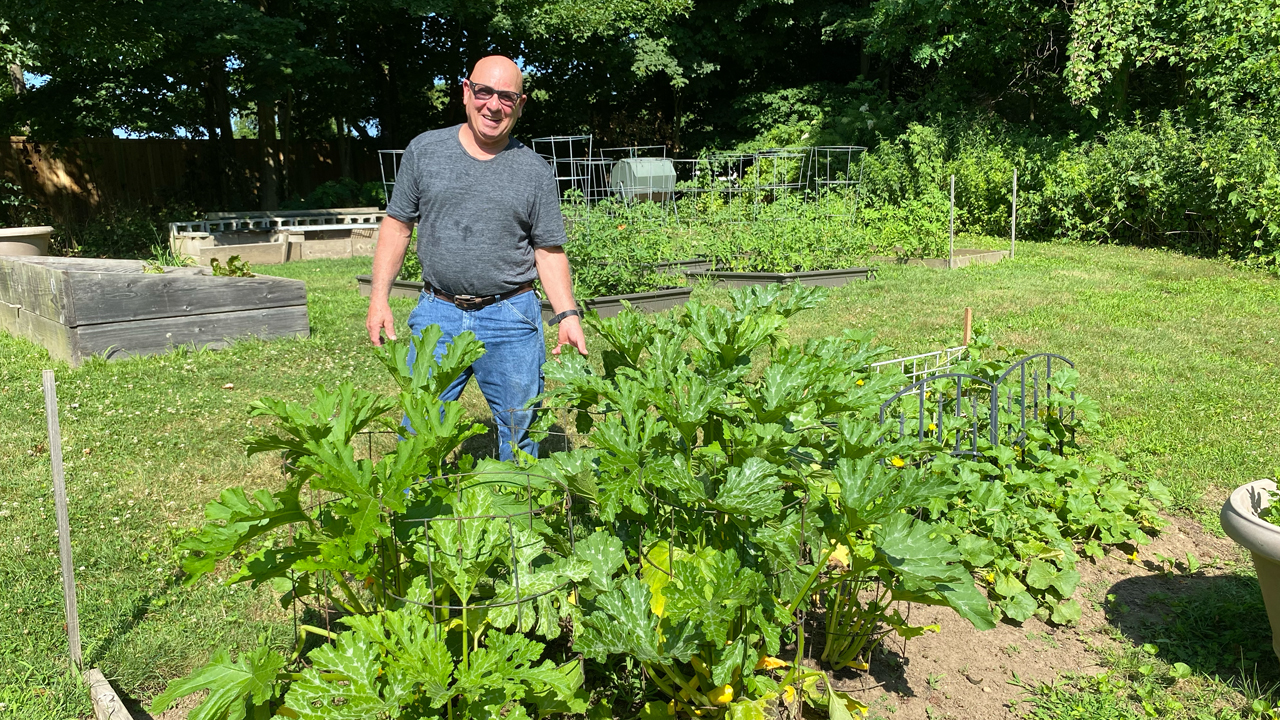
The New York Tech campus garden, originally established in 2013, has also become an integral part of the Bear Bytes ecosystem. Managed with support from faculty, students, and facilities staff, the garden serves both as a source of fresh produce and a living classroom. James “Jimmy” O’Rourke (B.A. ’85), resident green thumb and former operations foreman in Capital Planning and Facilities, has been the campus garden manager since it broke ground. When he recently retired after 43 years of New York Tech service, Bear Bytes’ funding took over his compensation so he could still be paid for his time tending the garden’s plots and ensuring successful harvests for the community.
Beyond Food: Education and Empowerment
While providing food is central to Bear Bytes, the initiative has always aimed to go further, equipping students with the knowledge and skills to make informed, healthy choices.
“Food insecurity isn’t just about quantity; it’s also about quality,” says Mindy Haar, Ph.D., a registered dietitian and chair of interdisciplinary health studies. “We want students to have access to nutritious foods and to understand how to use them in ways that support their health.”
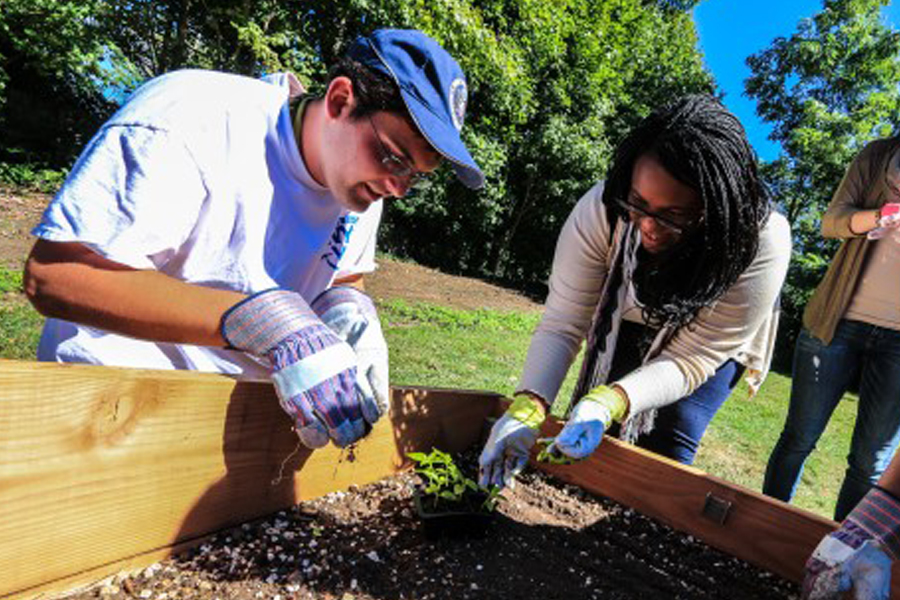
Education is a cornerstone of Bear Bytes. Workshops, cooking demonstrations, and events—ranging from budget-friendly meal prep to how to grow fresh herbs on a windowsill—help students translate resources into real-life habits.
“We’ve done everything from virtual cooking classes during the pandemic to hands-on events in the garden,” says Haar. “The goal is to make healthy eating accessible, practical, and sustainable.”
Reducing Stigma, Expanding Access
A key priority for Bear Bytes has been reducing the stigma often associated with food insecurity. By framing its services as open and accessible to all students, the initiative encourages broader participation and normalizes the use of support resources.
“We’re always cognizant of making what we’re offering open to all and easy to access, as well as confidential,” says Hinds. “Even students who aren’t food insecure can benefit from our resources. It’s about supporting the whole student and the families they are a part of.”
This mentality has also allowed the university to expand to resources beyond food. Programs like Tech Threads, which provides New York Tech students with free access to new and gently used professional clothing and accessories for interviews and career events, address additional barriers students may face.
Measurable Impact—and Room to Grow
Internal data collection and ongoing student surveys continue to inform Bear Bytes’ evolution. The introduction of new tools, such as PantrySoft management software, is helping streamline operations and better track usage and needs.
As Bear Bytes enters its next phase, the focus is on sustainability, innovation, and expanded reach. Plans include increasing fundraising efforts, strengthening partnerships, and potentially hosting larger-scale events—such as regional or national conferences on food insecurity—to bring broader awareness to this far-reaching issue.
Bear Bytes also continues its emphasis on education, with new programming designed to help students integrate nutrition and wellness into their daily lives.
For Hinds and her colleagues, the mission remains clear: ensure that no student’s academic journey is derailed by a lack of basic resources. “At the end of the day, students can’t succeed if their basic needs aren’t met,” says Hinds. “Bear Bytes is about making sure they have what they need—not just to get by, but to thrive.”
By Kathrin Havrilla-Sanchez
A Partner from the Start:
Stop & Shop
Launched in 2019, Stop & Shop’s School Food Pantry Program supports more than 280 schools (K–12 through higher education) across five states, reaching more than 43,000 families every month. Stop & Shop has contributed $10,000 annually to Bear Bytes since its founding.
“Schools like New York Tech are at the center of [food insecurity] work. By bringing pantries directly into schools, we’re helping eliminate stigma and making it easier for families to access what they need. At the end of the day, we’re a grocer: It’s our job to feed people. But it’s also about providing consistent, reliable access to food and resources so students can show up, feel supported, and do their best in school,” says Shannon Karafian, school food pantry program manager, Stop & Shop.
More News
New York Tech To Be Ranked Among National Universities
For the 2027 U.S. News & World Report annual rankings, New York Tech will be included in a new ranking category—National Universities.
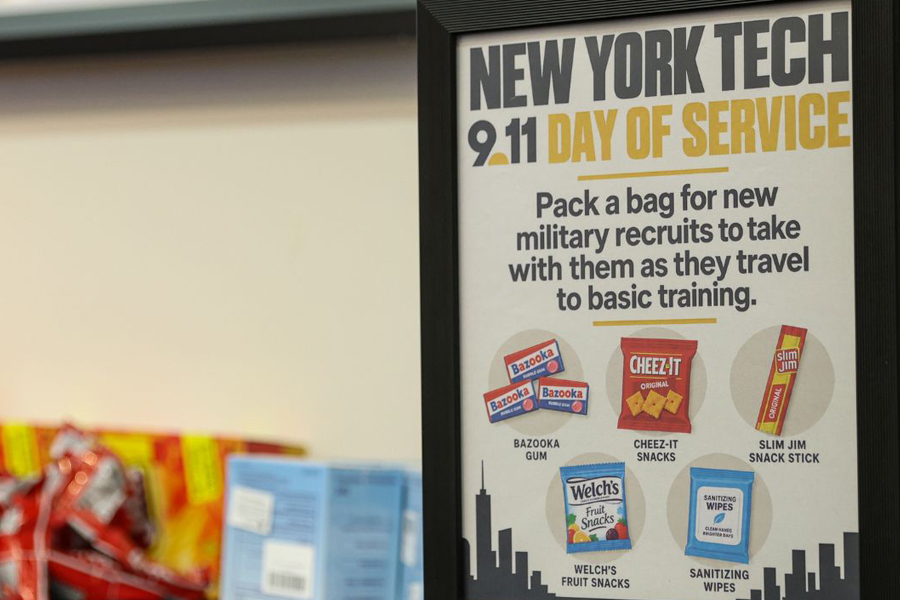
New York Tech Commemorates 25th Anniversary of 9/11
The New York Tech community commemorates the 25th anniversary of September 11 through opportunities to remember those we lost and honor the first responders and members of our military.
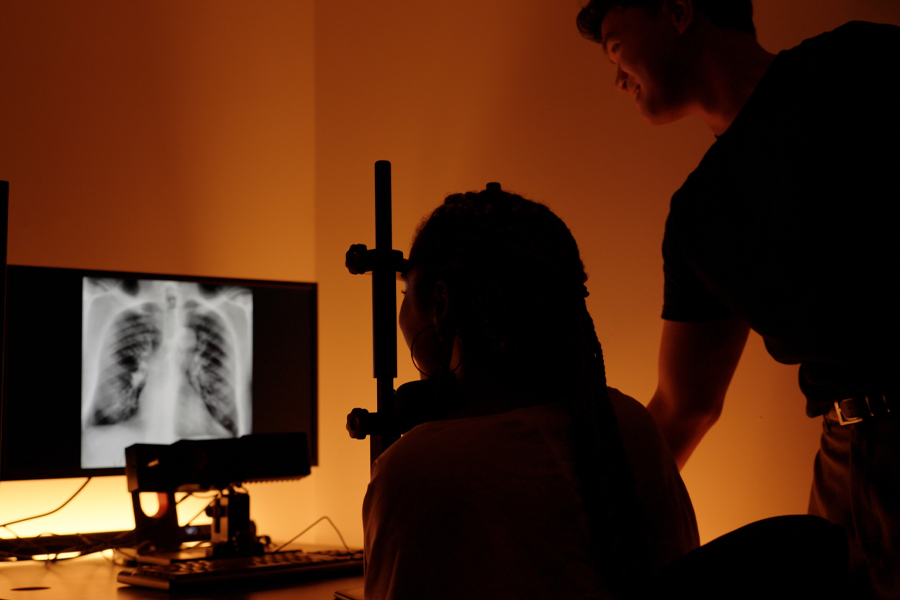
Exploring How AI Tools Can Improve Lung Cancer Detection
Research by Assistant Professor Robert Alexander, Ph.D., and student Talia Lilikakis assesses how AI tools can most effectively alert radiologists of the possible presence of a nodule.
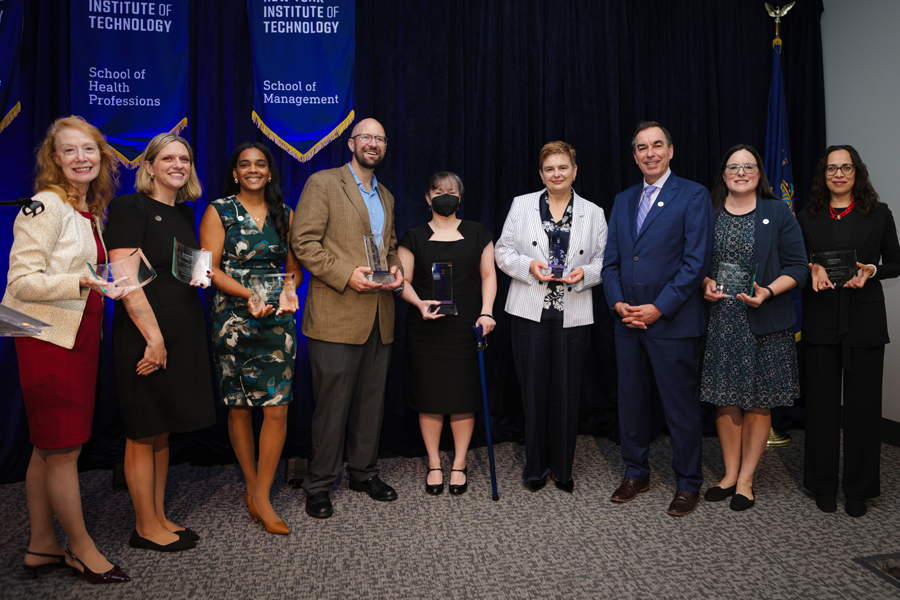
Convocation 2026: Success in a Time of Change
At the annual faculty and staff convocation, New York Tech President Jerry Balentine reflected on the accomplishments over the past year and presented his vision for the future.
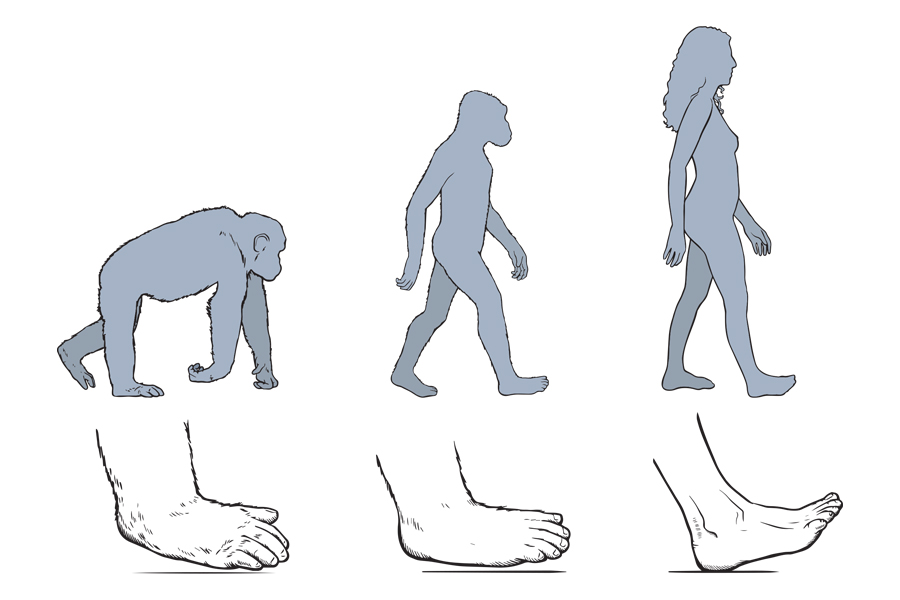
The Evolutionary Significance of Humans’ Unique Heel-Toe Walking Pattern
Associate Professor of Anatomy Nathan E. Thompson, Ph.D., contributes to research unveiling clues to the origin of humans’ stride pattern.
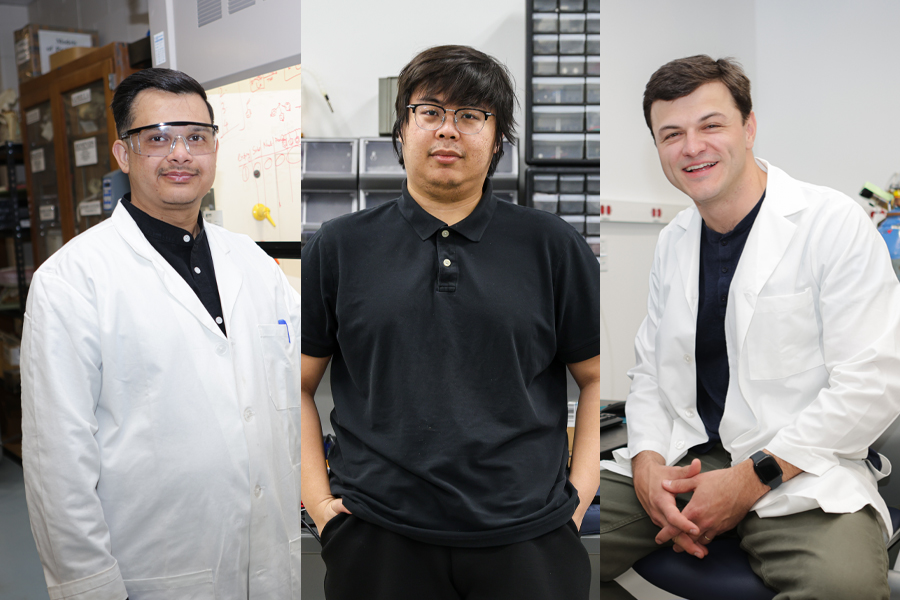
Robust Research
New York Tech’s commitment to research paves the way for important and groundbreaking work. Meet three Ph.D. students whose work may improve disaster response, recovery after muscle and bone injuries, and anticancer therapies.