The Domino Effect
When Anwar Hussein (M.A. ’21, Ph.D. ’26) arrived in Manhattan in the summer of 2019, he expected 10 weeks of challenging research and a taste of life in New York City. He didn’t expect the summer to change the trajectory of his life.
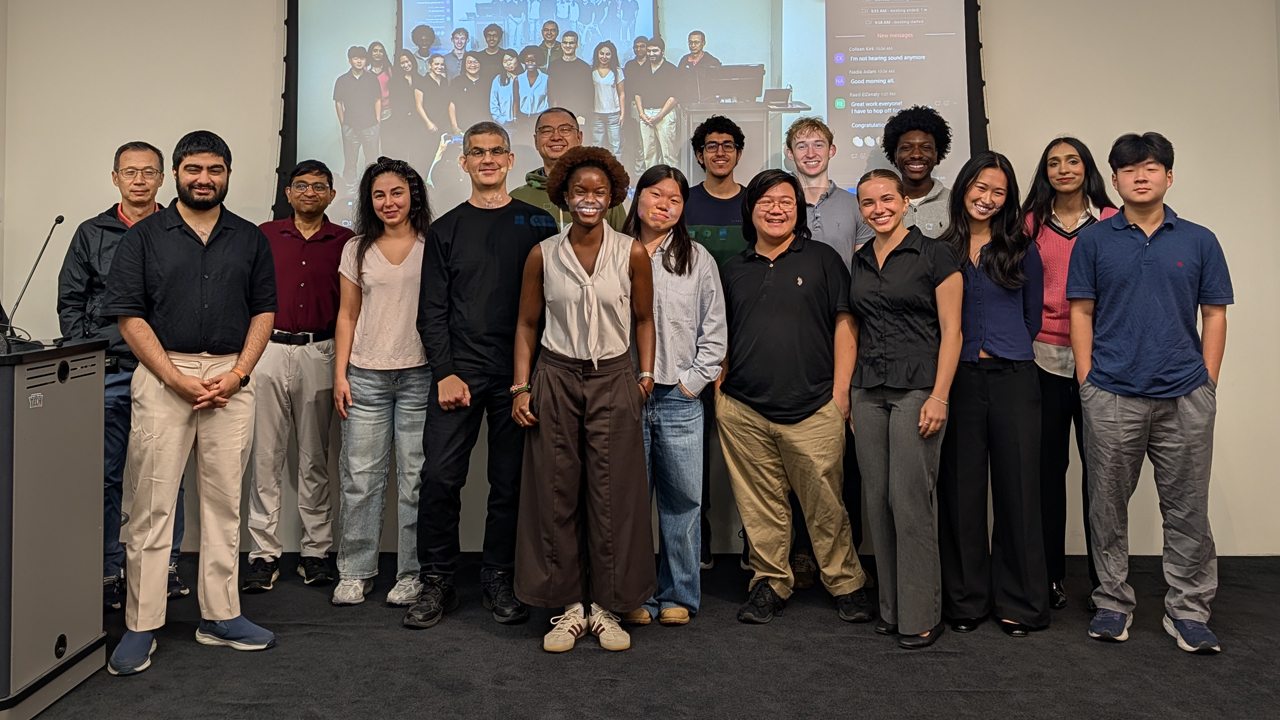
Then a rising senior studying electrical and computer engineering at Rowan University in New Jersey, Hussein applied to several highly competitive National Science Foundation (NSF) Research Experiences for Undergraduates (REU) programs. New York Tech offered an intriguing combination: sophisticated engineering research and the chance to live and work in the heart of New York City.
“I had visited New York City, but living there while doing research was not something I had ever imagined,” Hussein says.
Working with faculty mentor Reza Amineh, Ph.D., associate professor of computer and electrical engineering, Hussein studied frequency modulated continuous wave radar systems, exploring technology capable of detecting objects beneath closed surfaces for potential security applications. More importantly, he began building relationships with New York Tech faculty members who would remain mentors long after the summer ended.
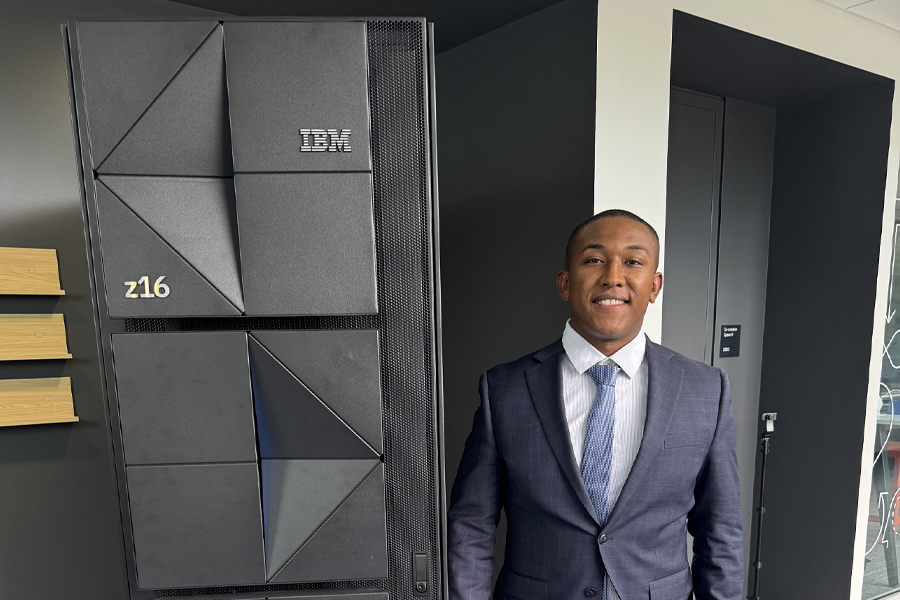
After graduating from Rowan, Hussein returned to New York Tech, earning both a master’s degree and a Ph.D. in electrical and computer engineering. Today, he is a processor and chip design engineer at IBM, working on IBM Z mainframe processors.
For Hussein, the line connecting that first summer to where he is today is clear.
“The REU created a domino effect that kick-started both my higher education and work career,” he says. “During my REU, I was able to network with faculty who led me to start graduate school at New York Tech, and that led to my getting a job at IBM. I attribute it all to the REU directly, with no exaggeration.”
Hussein’s story is a prime example of what New York Tech’s REU program was created to do.
Opening the Door to Research
Funded by the NSF, REU programs provide undergraduate students across the nation with opportunities to participate in active research. New York Tech launched its program in 2013 and welcomed its 10th cohort this summer.
Cecilia Dong, Ph.D., professor of electrical and computer engineering, first pursued REU funding after joining New York Tech in 2010. At the time, she says, the university was more teaching-focused, with fewer opportunities for undergraduates to become involved in research.
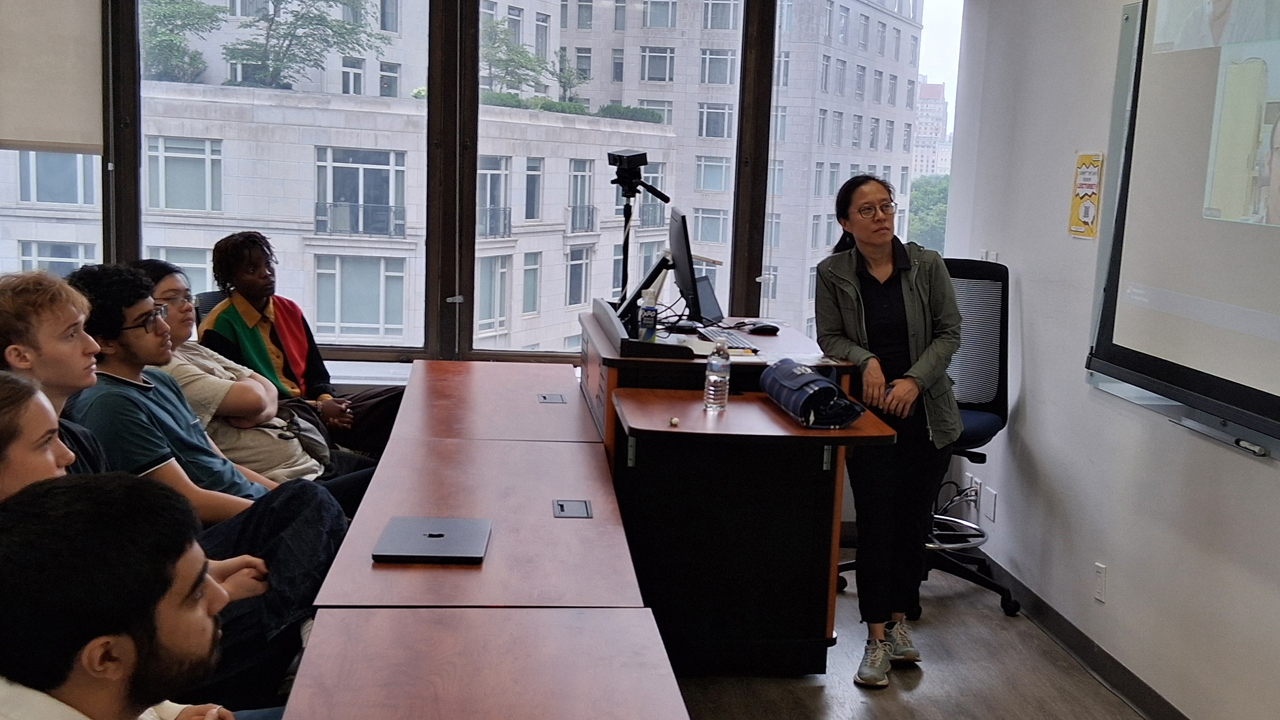
“I was thinking, how do we get students exposed to research?” Dong recalls.
Her first NSF proposal, submitted in 2012, was unsuccessful. She sought advice from an NSF program director, strengthened the proposal, and tried again. The university received funding in 2013.
The original research theme centered on smartphone security and wireless communication networks, an emerging field as smartphones became increasingly ubiquitous. Since then, projects have evolved alongside technology, encompassing cryptography, geolocation, continuous authentication, autonomous vehicle safety, machine learning, and other areas. More recently, the program has expanded its focus to digital health and wellness, including research into issues such as cyberbullying and online behavior.
N. Sertac Artan, Ph.D., professor of electrical and computer engineering, joined the program as a faculty mentor in 2015 and became principal investigator in 2019. He sees the current focus as particularly relevant to today’s students.
“Their lives are online, much more than ours,” Artan says. “They are very interested in preventing things like cyberbullying and promoting online digital health. It’s much more important for their generation.”
A Competitive Opportunity
New York Tech’s REU draws students nationally, and interest is strong. This year, the university received more than 300 applications for 10 spots. Applicants submit academic information, a statement of purpose, résumé or CV, and recommendations before undergoing a multistep review and interview process. Participants have come from computer science and engineering as well as interdisciplinary backgrounds combining computing with areas such as art, linguistics, and history.
For students from colleges with limited undergraduate research opportunities, an REU can provide something they simply cannot get on their home campuses.
“We’re looking at students who show curiosity and interest in research,” Dong says. “They might not have had any previous experience in their home school.”
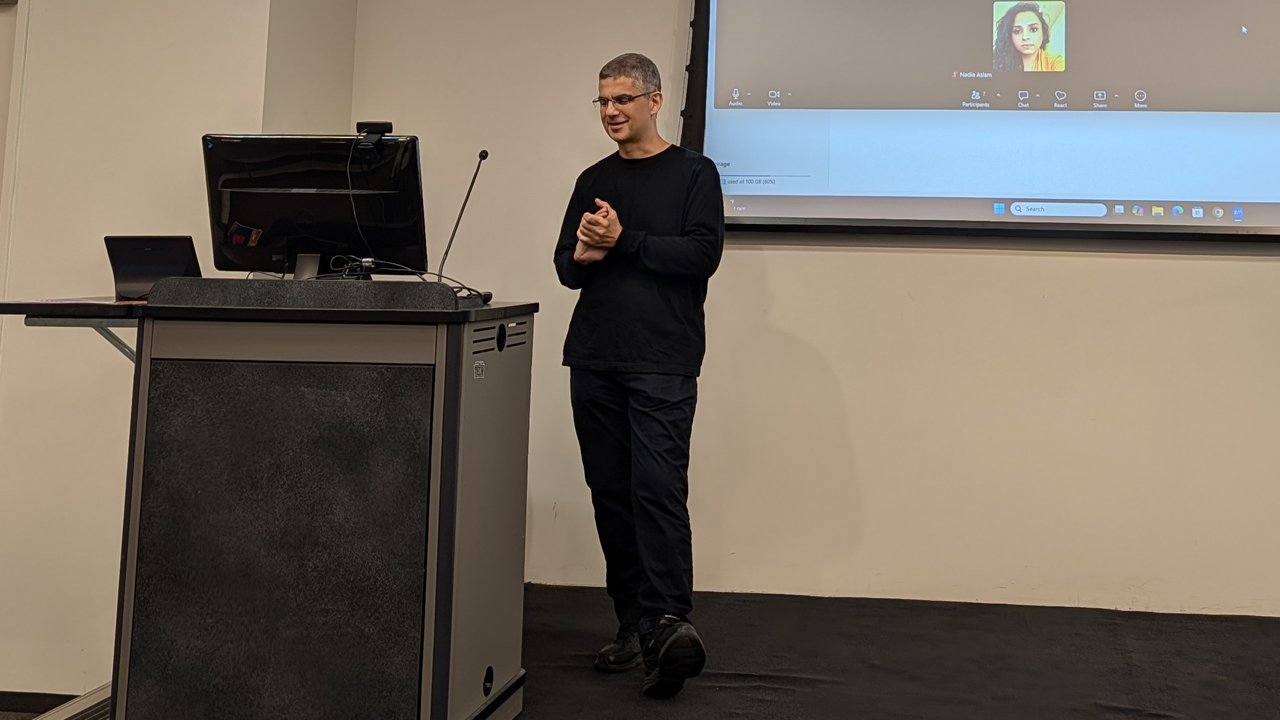
Students are matched with faculty mentors based on their research interests and typically work in teams, reflecting the collaborative nature of scientific research.
And while the work is serious, 10 weeks gives undergraduates a relatively low-risk way to answer an important question: Is research right for me?
“They are the kind of students who are thinking about whether they should pursue graduate school, about whether they should choose a more research-oriented career or more traditional industrial positions,” Artan says. “This gives them a taste of the research experience.”
Learning by Doing
For New York Tech sophomore Zakariaa Lotfi, an electrical and computer engineering major, that taste came through machine learning.
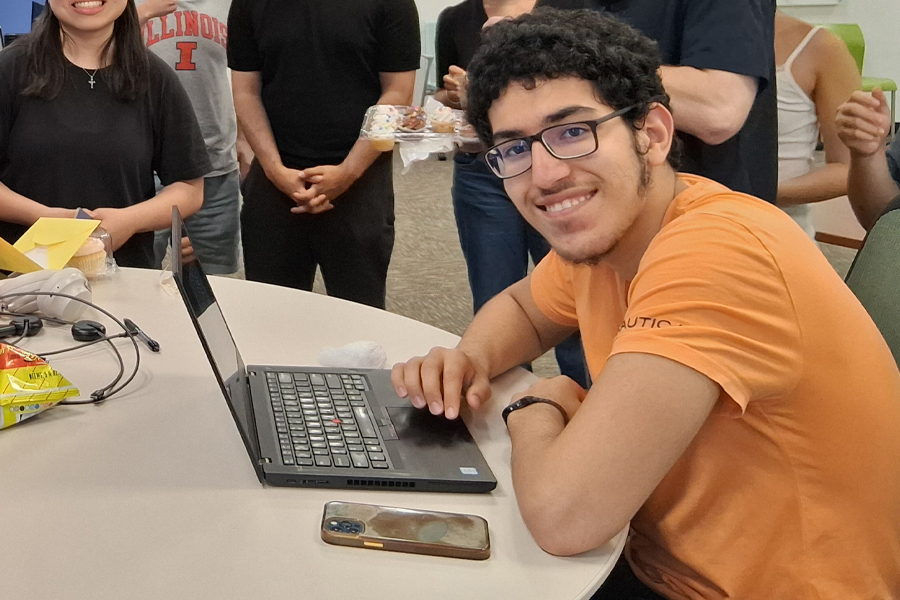
An REU fellow this past summer, Lotfi entered the program hoping to gain practical skills he could put on his résumé. His project explored a new approach to identifying toxic comments on online platforms. Instead of analyzing only a potentially offensive comment, he examined the responses that followed it, reasoning that the reactions of other users might provide clues about the original comment’s intent.
Along the way, he gained experience with tools such as PyTorch, Hugging Face Transformers, and Pandas used by engineers and computer scientists in industry. The experience also made a career that involves machine learning seem more attainable.
“It was very eye-opening,” Lotfi says. “I thought it was really hard to do this. Turns out it’s actually pretty easy once you get the hang of it.”
He now hopes to pursue a career at the intersection of machine learning and hardware.
Research, however, is only part of the REU experience.
Students live together, participate in social and team-building activities, tour laboratories and companies, and attend workshops. This summer’s activities included a panel featuring REU alumni who discussed graduate education and the realities of pursuing a Ph.D.
Dong says those experiences are intentional. Over 10 intensive weeks, students learn from faculty but also one another, forming friendships and professional networks that can last well beyond the summer.
A Ripple Effect
The program’s impact also extends to New York Tech itself.
Hosting an NSF REU brings talented students from around the country to the university, contributing to faculty research and raising New York Tech’s profile. Students co-author papers with their mentors, while faculty gain valuable experience mentoring high-caliber undergraduate researchers. The program also helped inspire New York Tech’s own Undergraduate Research and Entrepreneurship Program, expanding opportunities for its students during the academic year.
And, occasionally, an REU participant becomes something more.
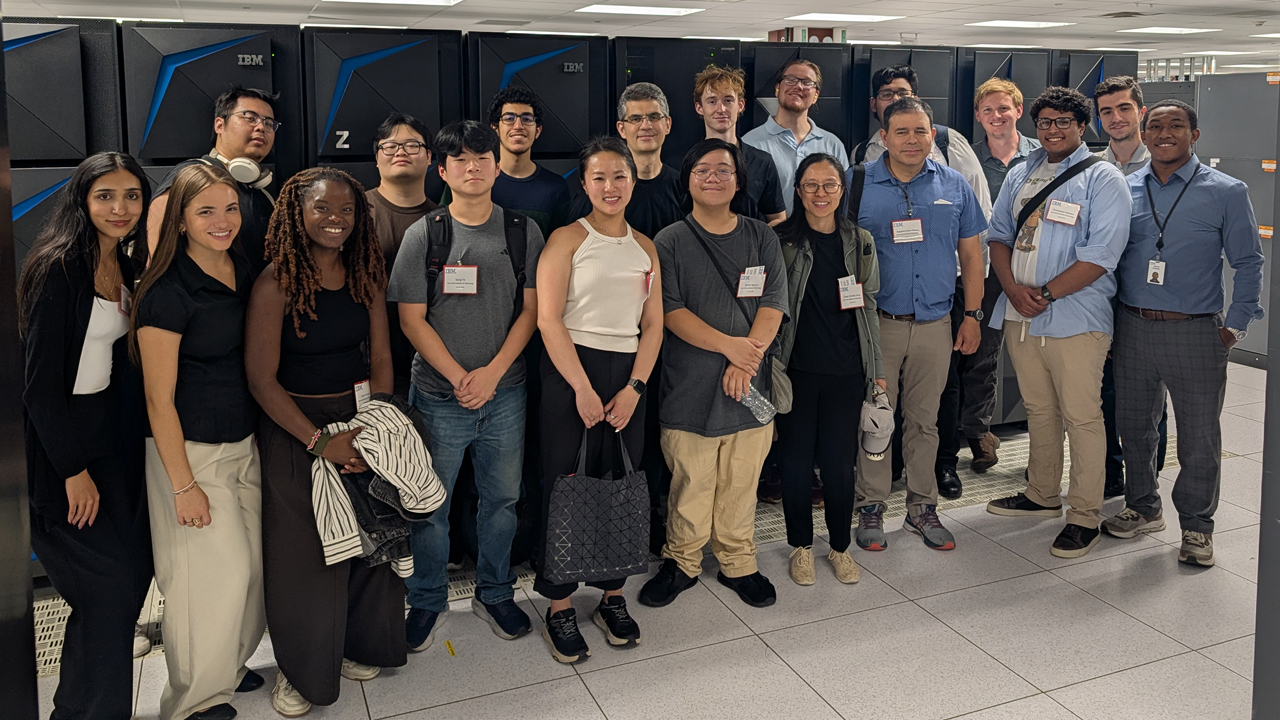
Hussein’s REU mentor became his master’s adviser, and Artan became his Ph.D. adviser. This year, the circle closed again when Artan brought the newest group of REU students to IBM, where Hussein gave them a tour.
He knows better than most that the person giving a tour today could once have been the undergraduate trying to imagine where research might take them.
His advice to the next cohort is simple: Embrace the research, but don’t stop there. Meet people. Ask questions. Explore New York. Take advantage of being away from home and surrounded by students and faculty who share your curiosity.
“This is more than you working on your research,” Hussein says. “This is really an experience for you. You never know where things are going to lead.”
By Renée Gearhart Levy
More News

My Co-op Gig: Asghar Kazmi
Computer science student Asghar Kazmi worked for five months at GE Appliances—an experience he says aligned perfectly with his career goals.
New York Tech To Be Ranked Among National Universities
For the 2027 U.S. News & World Report annual rankings, New York Tech will be included in a new ranking category—National Universities.
Exploring How AI Tools Can Improve Lung Cancer Detection
Research by Assistant Professor Robert Alexander, Ph.D., and student Talia Lilikakis assesses how AI tools can most effectively alert radiologists of the possible presence of a nodule.
Convocation 2026: Success in a Time of Change
At the annual faculty and staff convocation, New York Tech President Jerry Balentine reflected on the accomplishments over the past year and presented his vision for the future.
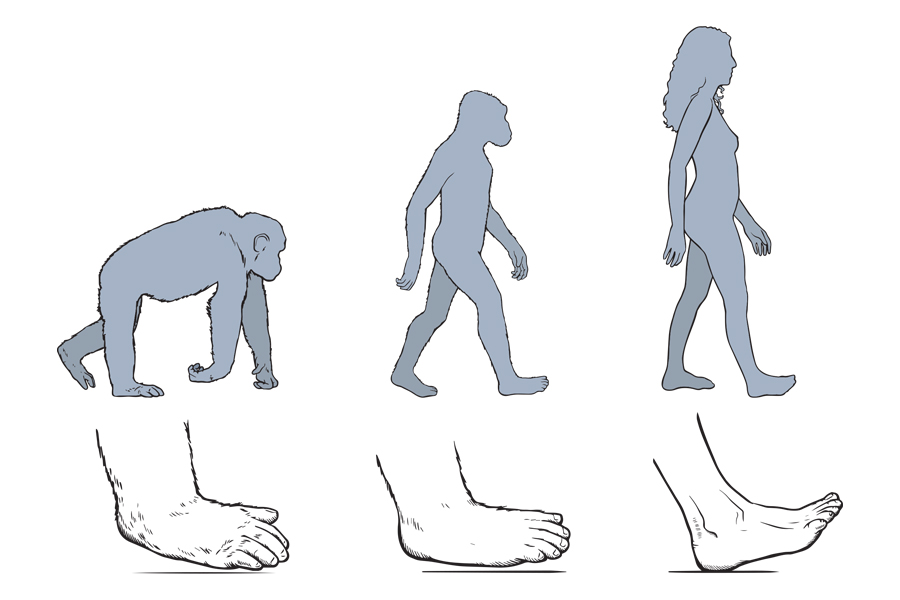
The Evolutionary Significance of Humans’ Unique Heel-Toe Walking Pattern
Associate Professor of Anatomy Nathan E. Thompson, Ph.D., contributes to research unveiling clues to the origin of humans’ stride pattern.
Robust Research
New York Tech’s commitment to research paves the way for important and groundbreaking work. Meet three Ph.D. students whose work may improve disaster response, recovery after muscle and bone injuries, and anticancer therapies.