
Don’t Be a Cybercrime Victim
Cybercriminals send 3.4 billion phishing emails daily, aiming to steal sensitive information from unassuming victims. Cyberattacks like these are on the rise, posing increased long-term risk to consumers’ data, reputation, credit, and financial standing.
October is National Cybersecurity Awareness Month, and Michael Nizich, Ph.D., a New York Institute of Technology professor and cybersecurity expert, shares tips to help protect your information and identity.
Keep passwords strong. “Never reuse passwords,” Nizich emphasizes. Also, avoid information that could be easily guessed, including your name, relatives’ names, pet names, or birth dates. Instead, use a combination of letters (upper and lower), numbers, and special characters. One idea he suggests: write a sentence and use the first letter of each word and punctuation. For example, the phrase “This password is very hard to guess!” becomes “Tpivh2g!”
Use password managers. Tools like the iPhone Passwords app and Samsung Pass for Android devices generate and automatically store complex, unique passwords on your device. “Some password managers also notify you if your account is potentially compromised. Of course, change your password immediately if that happens,” says Nizich.
Lock your credit. Major credit monitoring agencies, such as Experian, TransUnion, and Equifax, offer online tools for locking your credit. This allows you to access active credit lines but prevents hackers from opening credit cards or loans in your name. When you need to allow legitimate creditors access, you can temporarily unlock it—just be sure to lock it again when the transaction is complete.
Enable multifactor authentication (MFA). When you sign in, you will receive a second passcode—typically via text, call, or email—to verify your identity. This added protection is especially important for banking and financial accounts, as well as email. “If hackers access your email, they can reset passwords and break into other online accounts, but MFA helps keep unauthorized users out of your inbox,” Nizich says. “Always take advantage of MFA solutions offered by your organization or financial institutions, even if they are optional.”
Steer clear of scams. Scammers may claim to be from an organization you know and demand immediate payment in a hard-to-trace manner—like gift cards, prepaid cards, cryptocurrency, wire transfers, or cash—to resolve an urgent “account issue.” Be wary of communication you did not initiate, Nizich urges. “With artificial intelligence, hackers can now even disguise their voice to sound like a friend or family member. Remain vigilant and extra cautious of unexpected communication,” he says.
Shift your attitude. While security measures like MFA and changing your password regularly might be time-consuming, they’re minor inconveniences compared to having your data stolen, Nizich emphasizes. These steps can help protect you from becoming a cybercrime victim.
More News

Turning Adversity Into Discovery
Mechanical engineering graduate student Bryan Shivram’s (B.S. ’23) journey into biomechanics research.

First-Gen Entrepreneur
Computer science student Rida Rahim has an impressive résumé of projects, and is only getting started.
The Domino Effect
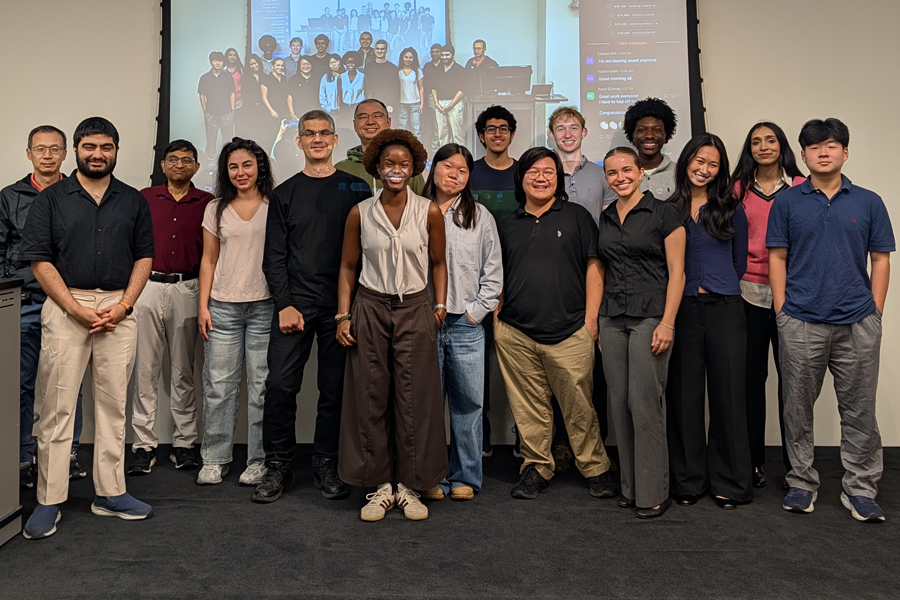
New York Tech’s Research Experiences for Undergraduates program has spent more than a decade turning summer research opportunities into lasting careers, helping build the university’s research reputation along the way.

My Co-op Gig: Asghar Kazmi
Computer science student Asghar Kazmi worked for five months at GE Appliances—an experience he says aligned perfectly with his career goals.

New York Tech To Be Ranked Among National Universities
For the 2027 U.S. News & World Report annual rankings, New York Tech will be included in a new ranking category—National Universities.
Convocation 2026: Success in a Time of Change
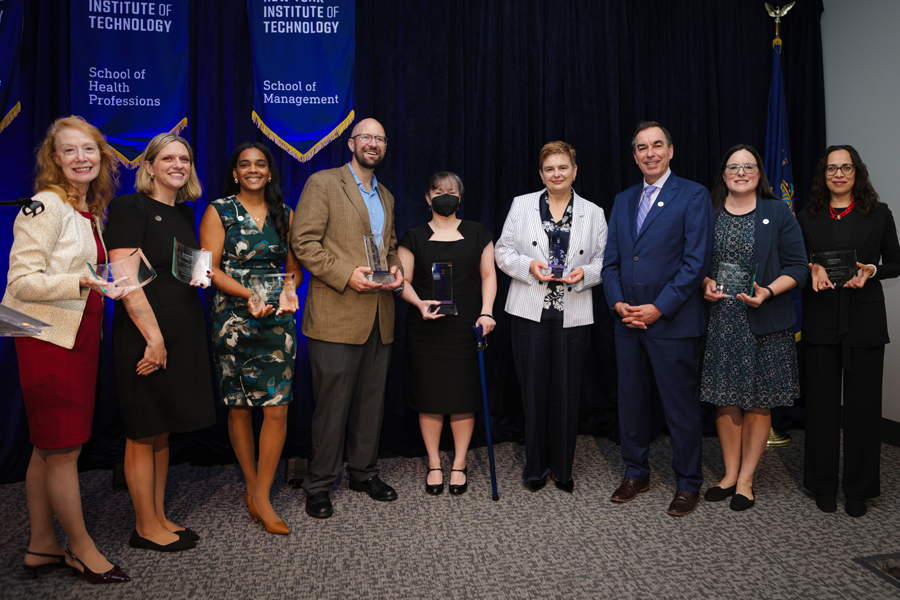
At the annual faculty and staff convocation, New York Tech President Jerry Balentine reflected on the accomplishments over the past year and presented his vision for the future.