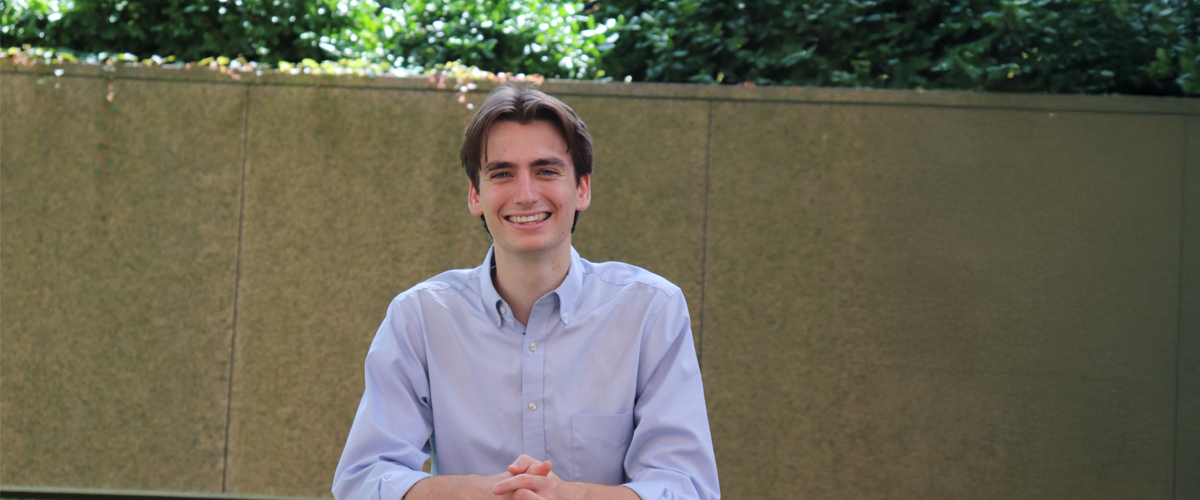
Finding His Balance
Between writing a research paper, minding academic studies, and working clinical rotations, third-year medical student Noah Hoonhout found time to reflect on his pursuit of a career in the medical field. He wrote and submitted an opinion piece, “Balancing Work and Life,” to the biomedicine Substack Sensible Medicine, which published his thoughts to an audience of more than 100,000 readers.
In his essay, Hoonhout describes the challenges future physicians face while balancing their personal and professional lives. He writes that as he and his College of Osteopathic Medicine peers seek balance, they may inadvertently tip the scales too far toward “life” and lose sight of the real meaning of “work,” noting that “In our efforts to find balance, we stretch our concerns into our priorities.” But self-awareness is Hoonhout’s strength. He says, “Medical training will always be a challenge requiring longer hours and more emotional weight than most careers, but what drew so many of us to it was the deep meaning found uniquely in that work.”
He explains that the piece discusses wariness of being taken advantage of or overworked. “I’ve found the response many of us [medical students] have can tend toward a cynical view, which can close us off to the beautiful parts of patient care,” he says. “Moral injury and burnout are hot topics in the medical world right now.”
Hoonhout’s words are not designed to make one second-guess his passion for the field, though. If anything, he hopes to help others consider new ways to think about and appreciate the medical world. As curriculum and daily demands put strain on the day’s limited hours, he maps out each week to manage his time for studying and working on other things, such as a research paper on the history of the medical field.
“I’ve found it important to reflect on some of the deeper questions in medicine to keep reminding myself of all the good reasons why I entered this field,” he says. “There’s so much in medicine to know, which can be intimidating, but it also can be exciting to think about how much more I can learn.”
With a bachelor’s degree in history and biochemistry from Hillsdale College in Michigan, narrative medicine—healthcare using literary analysis to improve patient care—excites Hoonhout as it “offers a different view of the medical field from the ordinary scientific or epidemiological research.” In summer 2024, he traveled to London under the Edward Guiliano Global Fellowship Program to pursue humanities and medicine research. He hopes to publish his findings on how physicians viewed and influenced the medical profession in the 19th century.
In anticipation of a spring 2027 graduation, Hoonhout plans to apply to internal medicine residency programs in the hopes of entering critical care medicine. The opportunity to refine his skills and take on greater responsibility for patient care fuels his excitement to cross the stage on commencement and hooding day.
“I enjoy medicine because of the challenges and responsibilities that come with caring for patients,” Hoonhout reflects. “You have the opportunity to greatly improve someone’s life or at least walk with them in their toughest times.”
More News
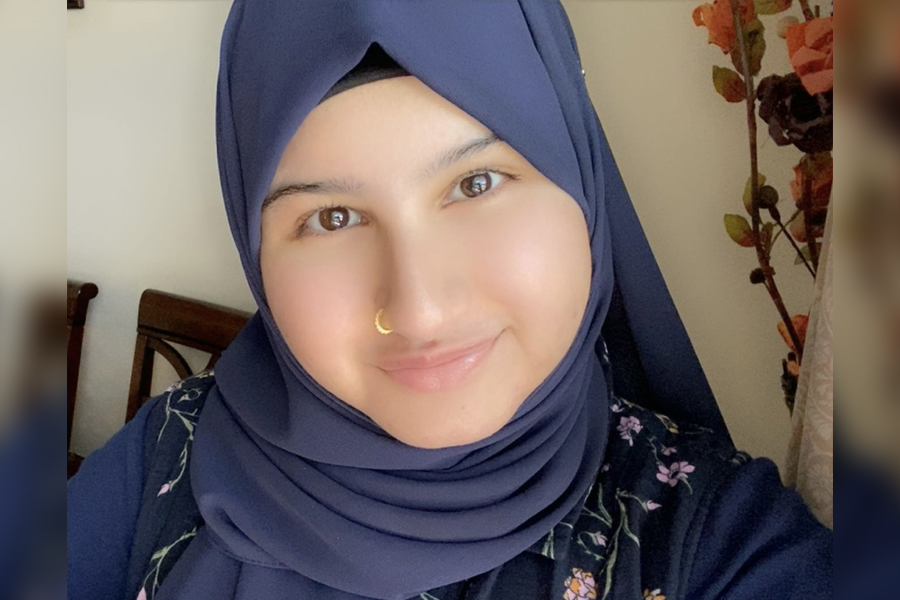
First-Gen Entrepreneur
Computer science student Rida Rahim has an impressive résumé of projects, and is only getting started.
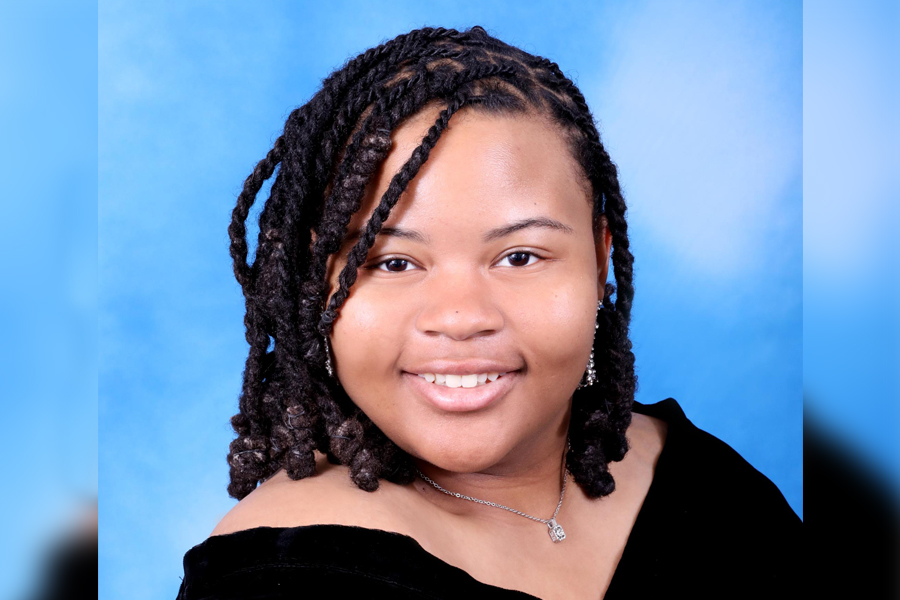
Chemistry With a Side of Art
Chemistry student Makayla Napper looks forward to exploring her field while still making time for her creative hobbies.
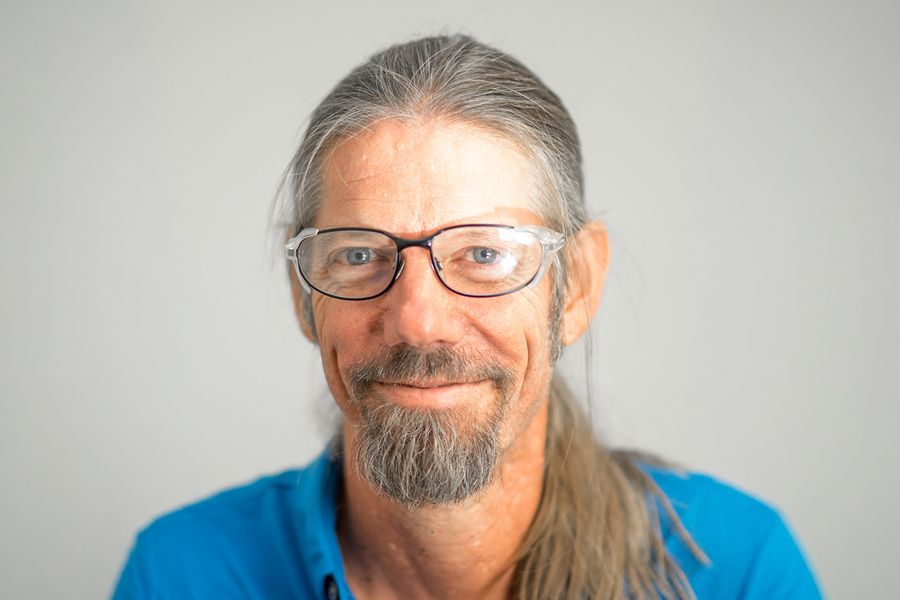
Forward-Thinking Design
Associate Professor of Architecture Clarke Snell, M.Arch., uses technology to link form and performance.
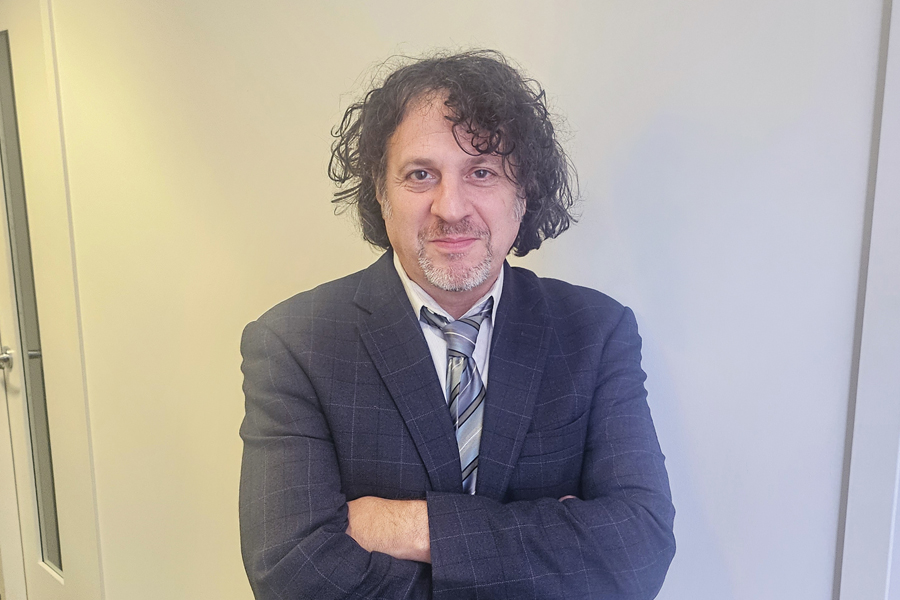
Bringing Literature to Life
Professor of Humanities and New Your Tech’s second Distinguished Professor Jonathan Ezra Goldman dispels myths of the 1920s—and the myths students tell themselves.
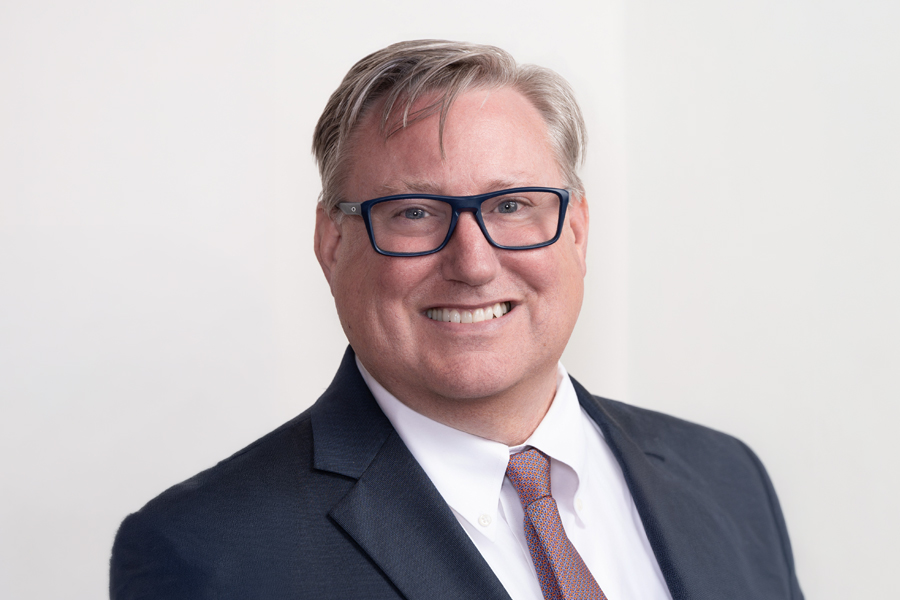
An Explorer, Through and Through
Associate Professor of Management Kevin O’Sullivan, D.Sc., teaches skills so students can adapt to change with agility.
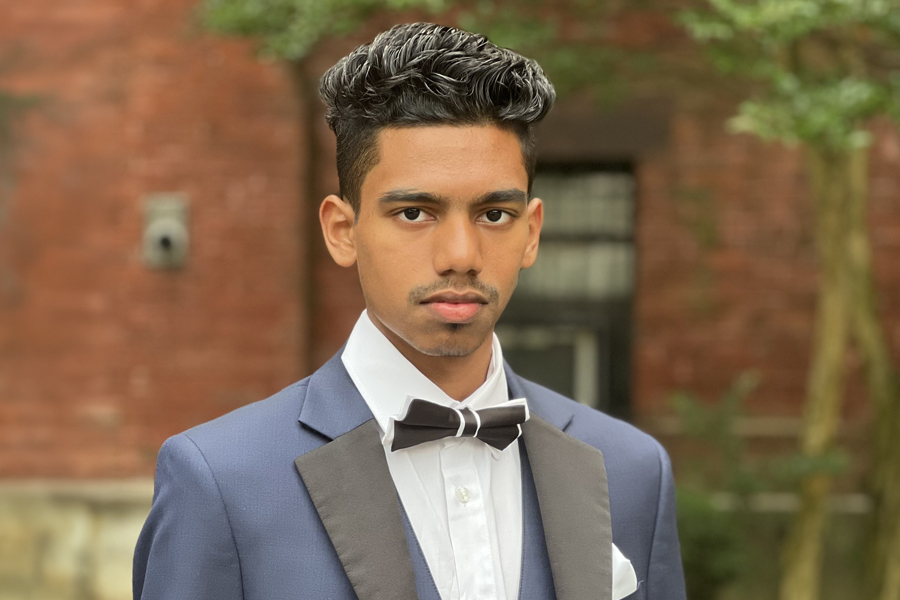
A Head Start in Architecture
Architecture student Satish Doobay’s ongoing internship with an alumna’s firm is helping prepare him for a future in the field.