Intern Insight: Madalina Cupsa
Since January, undergraduate bioengineering student and aspiring physician Madalina Cupsa has worked as a research assistant intern at The Mount Sinai Hospital in Manhattan’s Upper East Side. Through her role in the hospital’s lab, she’s gained exposure to the research side of the field, teaching her that medicine and scientific study go hand in hand.
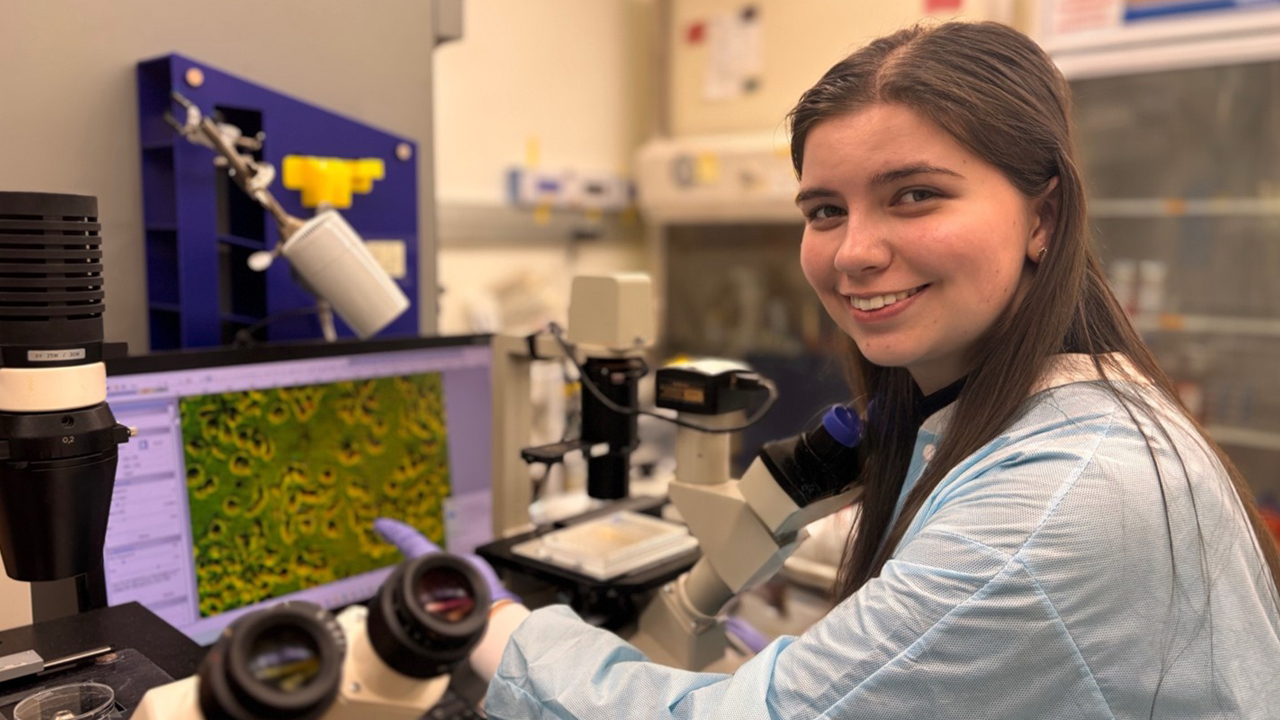
This experience marks Cupsa’s first time in a research environment outside of New York Tech’s teaching labs. With the help of her on-site mentors, she quickly immersed herself in the rhythm of cell culture, learning sterile techniques, cell counts, reagent prep, labeling, organizing samples, and logging all activities. She also shadowed senior researchers, picking up good lab habits and safety smarts.
After completing her initial internship, the hospital offered Cupsa the opportunity to continue interning through the fall semester. She is pursuing her bachelor’s degree on the New York City campus, making it easy for her to pick up extra time at the hospital. She works two to three days a week, with some days involving up to eight hours of experiment-heavy procedures around equipment, including centrifuges and incubators. On lighter days, she handles maintenance tasks such as media changes, cell changes, and general cleanup.
“I’ve always known I wanted to go to medical school, but working in the lab helped me understand what it means to approach problems like a scientist,” Cupsa says. Observing how doctors rely on research to guide patient care, she now understands that discoveries in the laboratory can shape treatments in the real world.
She is currently working on a lab project that uses the UK Biobank—a comprehensive dataset of biological, health, and lifestyle information—and focuses on analyzing proteomic data (proteins present in a biological sample) from patients with age-related macular degeneration (AMD). This work shows Cupsa how powerful data science can be in biology.
In addition to her AMD project, Cupsa has taken on more independent bench work, helps with literature reviews and data organization, and has become confident enough to suggest small protocol tweaks along the way.
“Every day in the lab feels like a mini masterclass. I’ve picked up not just techniques but the logic behind why we do things the way we do, and it’s changed how I think about experiments and problem-solving,” she says.
Interning and training at The Mount Sinai Hospital, a facility known for its rigor and impact, provides Cupsa with the easylearning curves, intelligent colleagues, and meaningful science she needs to nurture her growing interest in cell biology. On-site seminars and workshops bring together researchers and physicians who share their expertise, teaching her how medicine and science can be deeply collaborative.
“This internship showed me that being a doctor can also mean being a researcher,” she reflects. “It means being someone who never stops asking questions and looking for better answers.”
More News
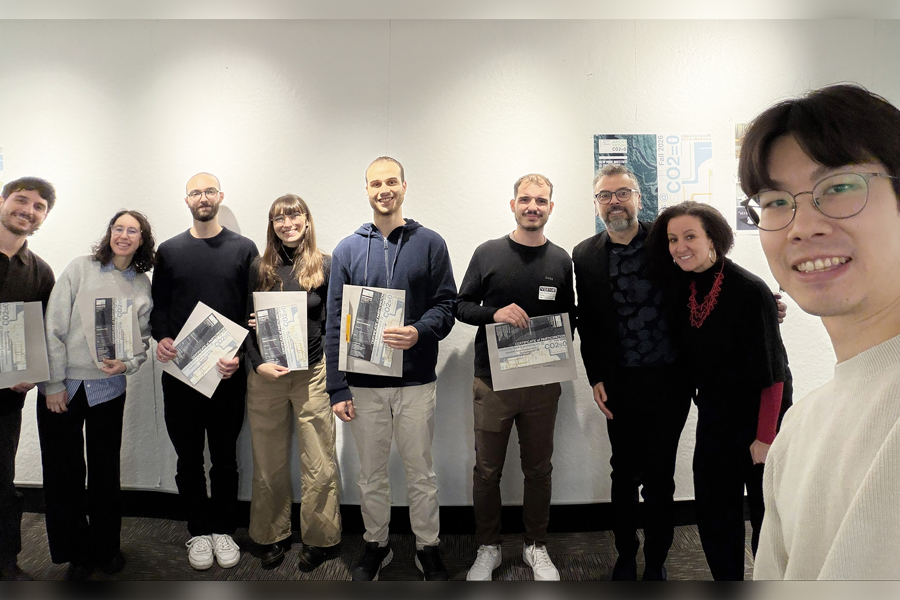
International Collaboration: School of Architecture and Design and IUAV
Graduate architecture students from Università Iuav di Venezia (IUAV) in Venice participated in a week-long atelier on the New York City campus, while School of Architecture and Design students traveled to Venice for a 17-day workshop.
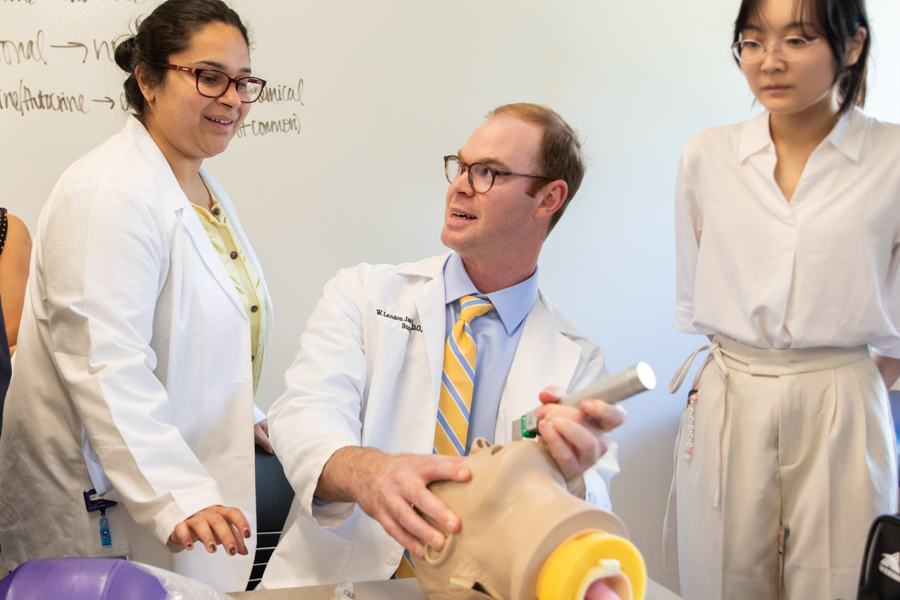
Alumnus Joins NYITCOM-Arkansas Faculty
William “Landon” Jackson, (M.S. ’21, D.O. ’21) has returned to his alma mater to serve as an assistant professor in NYITCOM-Arkansas’ Department of Clinical Sciences.
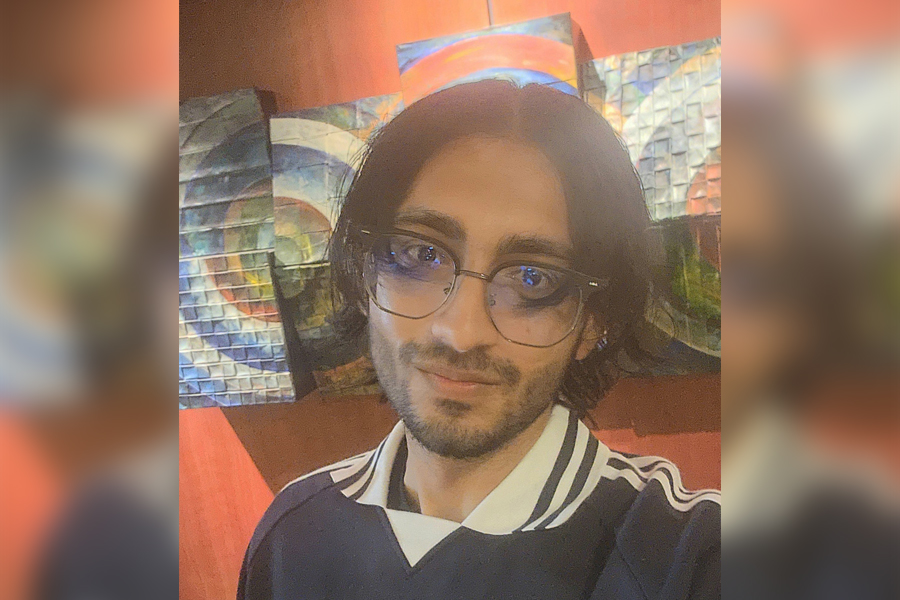
My Co-op Gig: Asghar Kazmi
Computer science student Asghar Kazmi worked for five months at GE Appliances—an experience he says aligned perfectly with his career goals.
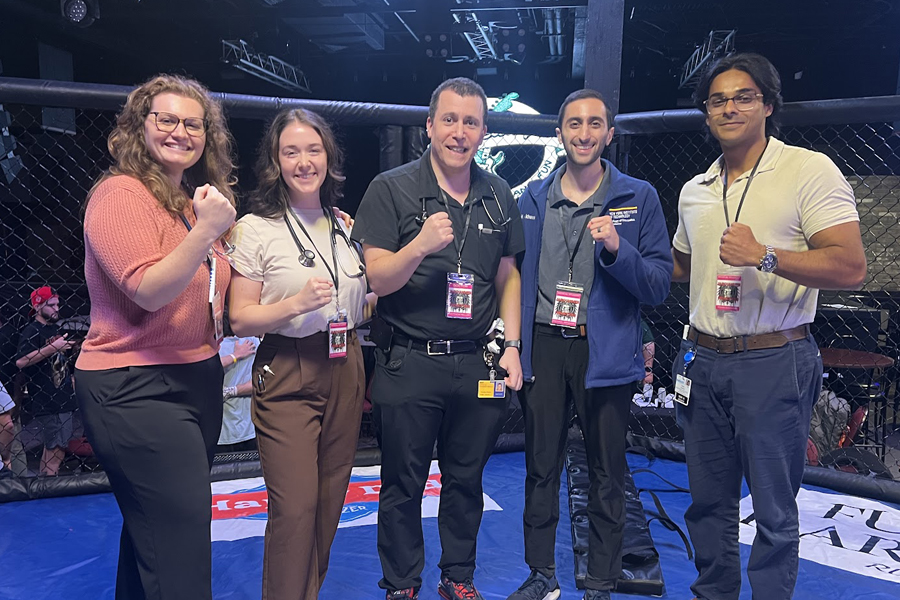
Students Step in to Help Save a Life
Students from the College of Osteopathic Medicine and the School of Health Professions provided life-saving medical care to a young mixed martial arts athlete.
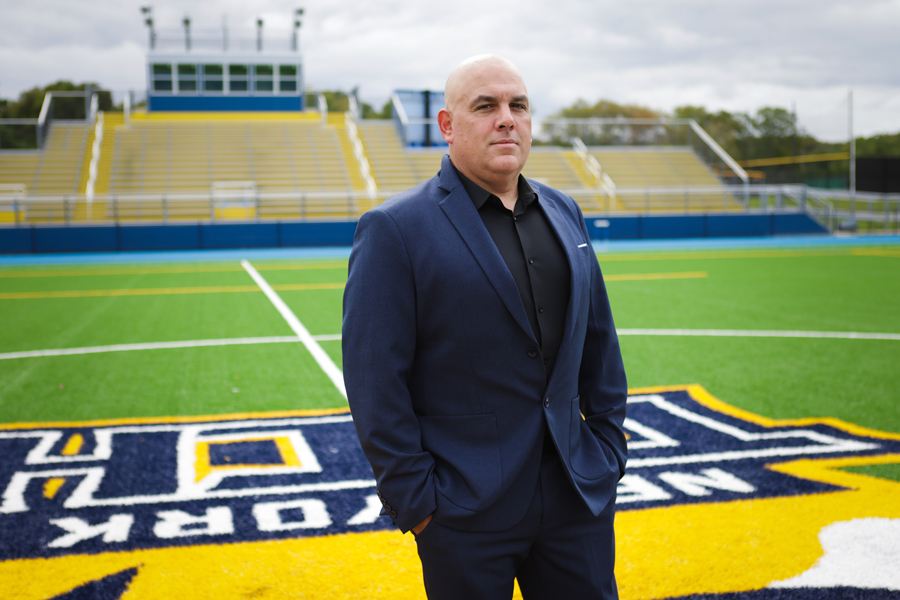
Aldo Spano Named Recreation Director and Sprint Football Coach
Aldo Spano, a 20-year teaching and coaching veteran, has joined New York Tech as director of recreation and head sprint football coach.
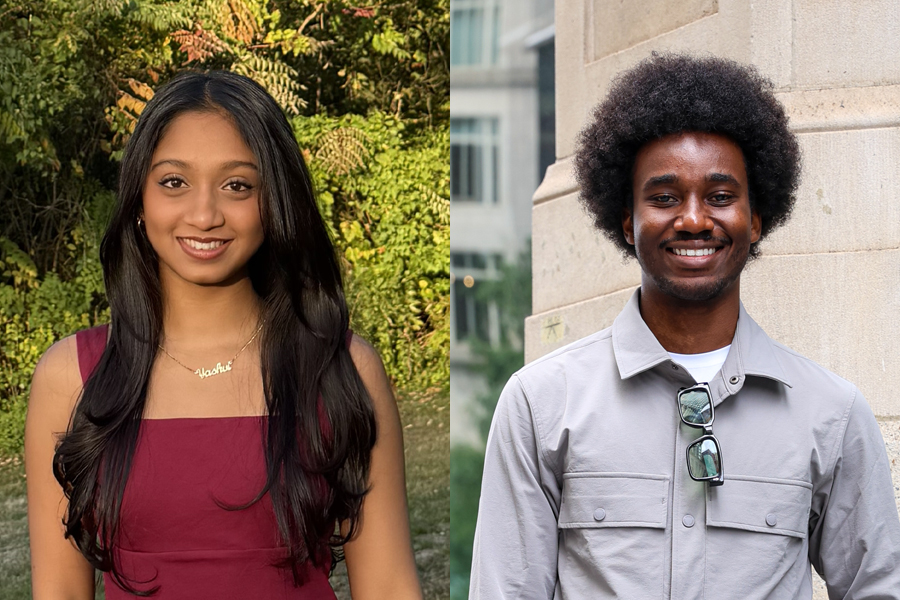
Meet the 2026-2027 SGA Presidents
Yashvi Patel and Best Justus will serve as Student Government Association (SGA) presidents for the Long Island and New York City campuses, respectively.