From June through August, Bachelor of Architecture student Shikha Gandhi gained hands-on experience in sustainability and community-centered design as an intern with the New York City Department of Environmental Protection’s (DEP) Bureau of Facilities Management and Construction (FMC).

Gandhi’s career goals include becoming a licensed architect, designing sustainable spaces that serve community needs. Her three months with the DEP gave her a firsthand look at professional work in this practice area and boosted her confidence as she continues in her architecture education journey.
She describes a typical workday as a mix of research, presentation support, and learning new design approaches. Her plate was often full as she prepared, developed, and reviewed drawings, plans, and interpretive detail sketches using architectural design technologies. She also reviewed technical files, evaluated environmental health and safety concerns, and contributed to metric reporting, cost estimating, data entry, and records management.
In addition, Gandhi joined workshops covering professional development, portfolio building, and technical topics like sustainability and green infrastructure. During on-site visits to active project locations, she observed existing conditions, environmental factors, and community interactions—insights critical to making informed design decisions that blend functionality and safety.
One particularly memorable site visit was to the Ashokan Reservoir in Ulster County, N.Y. The 8,315-acre freshwater reservoir is one of the original components of the Catskill System, which provides New York City with a large portion of its water supply.
“The visit felt like a mix of fieldwork and nature getaway,” she recalls. “I took part in site analysis and learned about water management, watershed protection, and the importance of integrating natural resources into design thinking.”
Gandhi aims to work professionally on projects that balance environmental responsibility with social needs. Studying the reservoir demonstrated how large-scale infrastructure relates to community life and environmental sustainability.
“Learning how to balance public input with professional design decisions was eye-opening,” she says, reflecting on all she gained from her time with the DEP. Most of all, she will always remember how much she enjoyed the learning process. “Work doesn’t always have to feel heavy; it can be inspiring and fun.”
More News
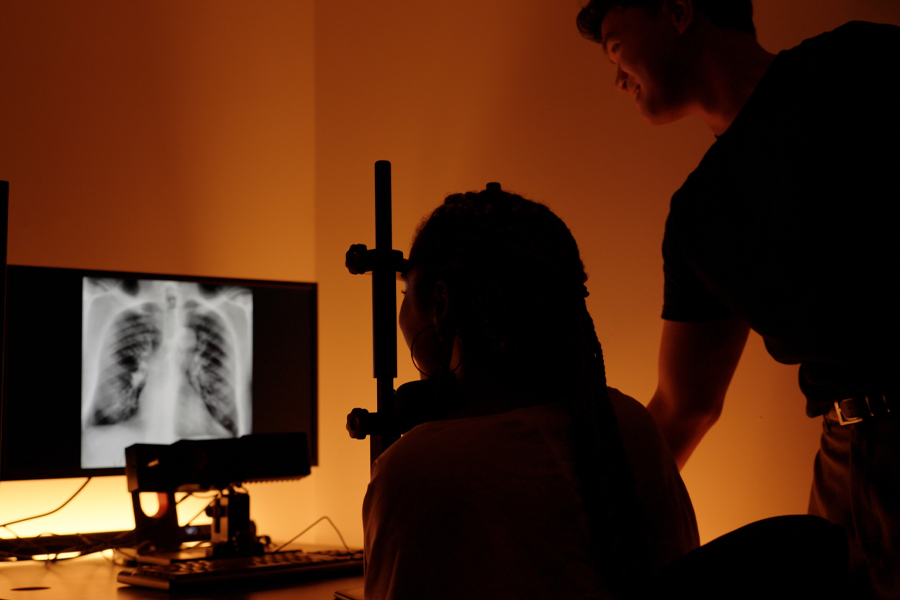
Exploring How AI Tools Can Improve Lung Cancer Detection
Research by Assistant Professor Robert Alexander, Ph.D., and student Talia Lilikakis assesses how AI tools can most effectively alert radiologists of the possible presence of a nodule.
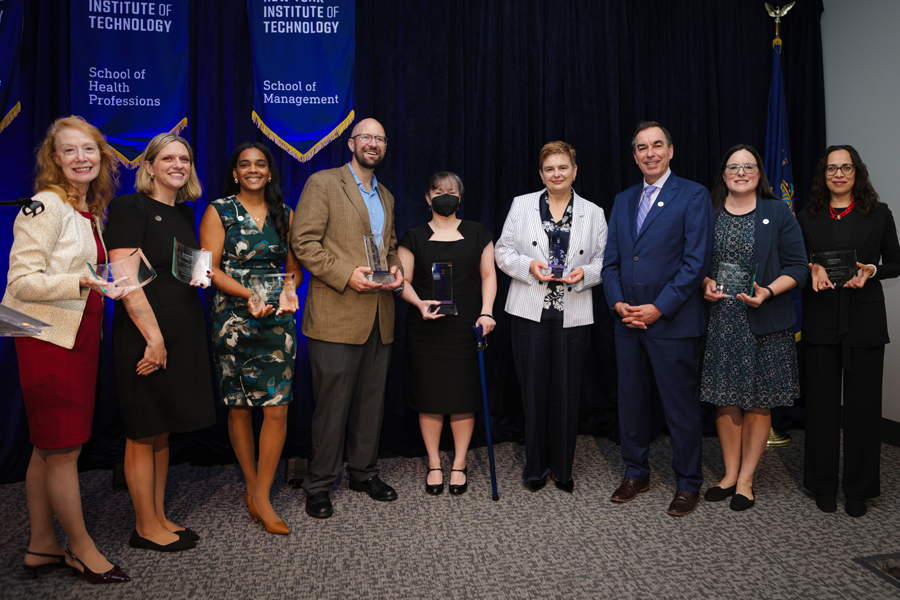
Convocation 2026: Success in a Time of Change
At the annual faculty and staff convocation, New York Tech President Jerry Balentine reflected on the accomplishments over the past year and presented his vision for the future.
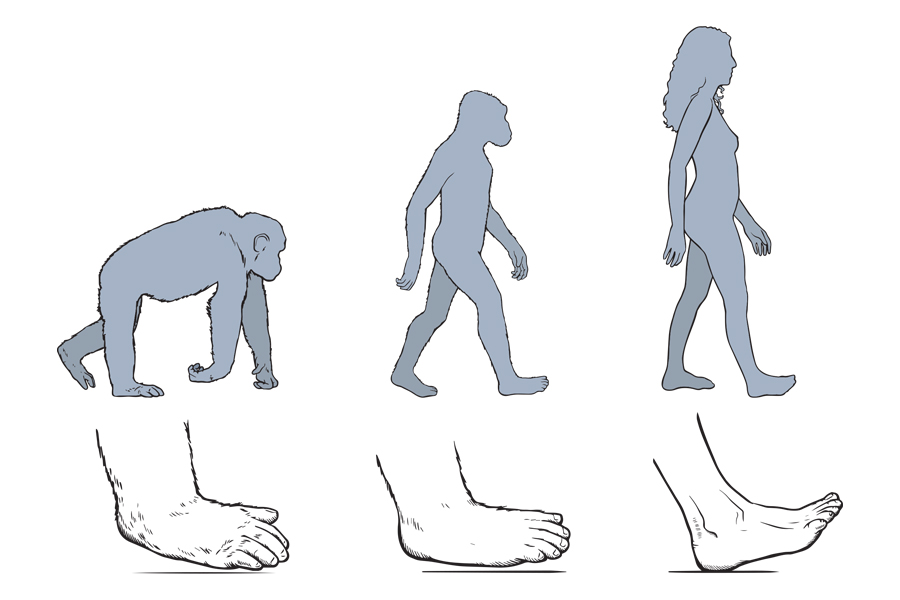
The Evolutionary Significance of Humans’ Unique Heel-Toe Walking Pattern
Associate Professor of Anatomy Nathan E. Thompson, Ph.D., contributes to research unveiling clues to the origin of humans’ stride pattern.
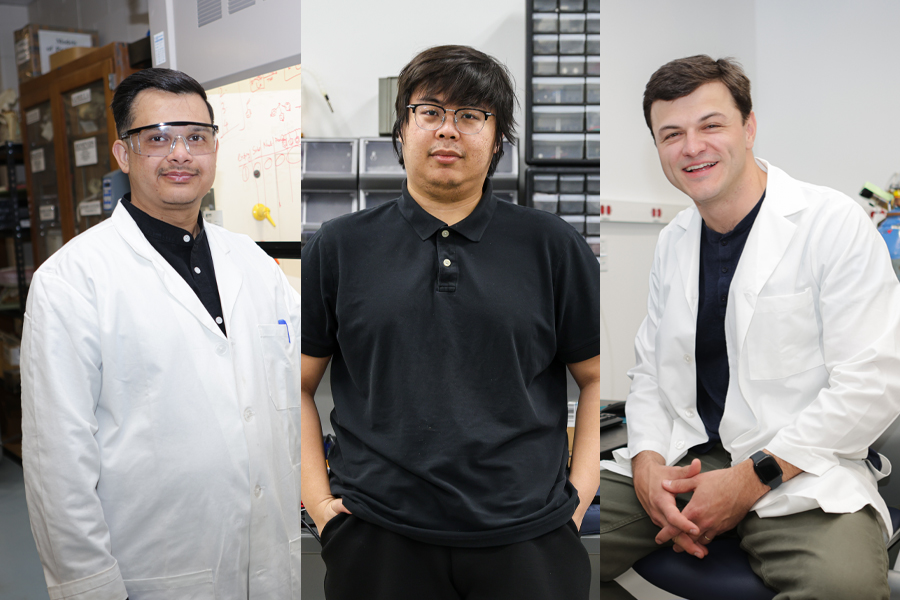
Robust Research
New York Tech’s commitment to research paves the way for important and groundbreaking work. Meet three Ph.D. students whose work may improve disaster response, recovery after muscle and bone injuries, and anticancer therapies.
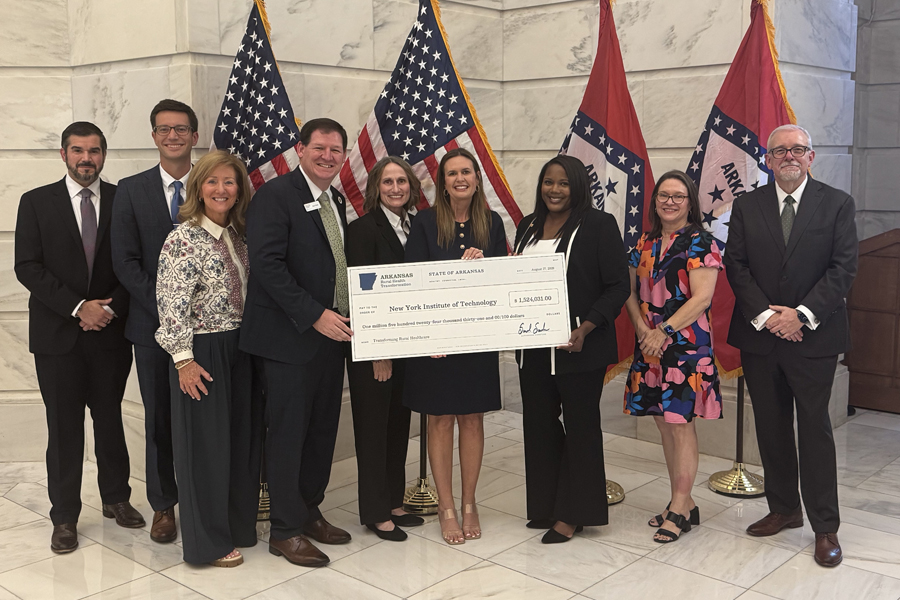
NYITCOM-Arkansas Receives $1.5 Million Grant for Maternal Health Initiative
NYITCOM-Arkansas will use the grant to extend its clinical services focused on rural maternal healthcare access.
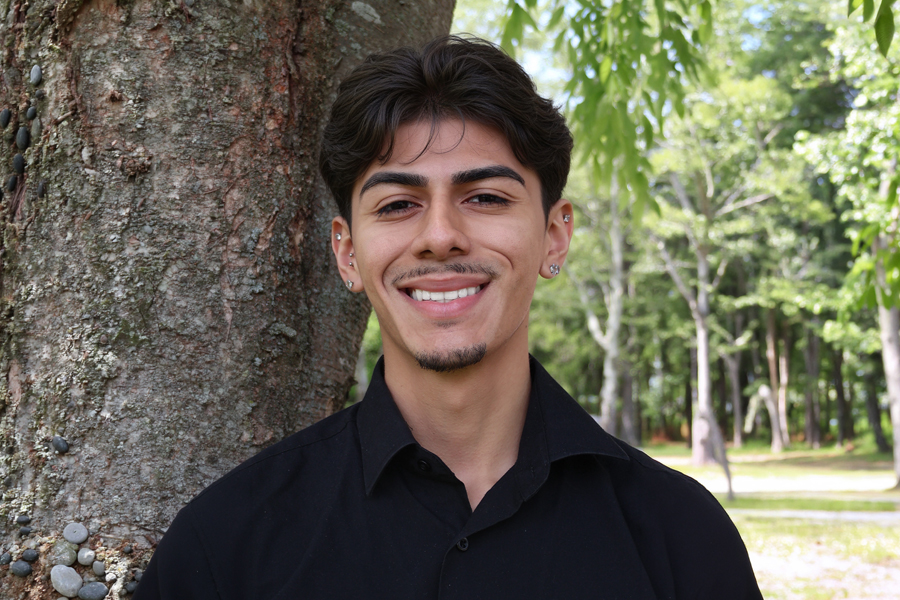
Intern Insight: Brandon Vasquez
This summer, architecture student Brandon Vasquez interned with Gensler, a globally recognized architecture, design, and planning firm.