Fusing Atoms and Passions
Computer science student Manpreet Singh is from the state of Punjab, one of India’s most northern states and the heart of the country’s Sikh community. At New York Tech, he practices Sikhism at the campus’ Think SIKH club on the Long Island campus, where members share and bring awareness to the culture and teachings of the social justice- and community service-focused religion.
But when he is not participating with the club in local Sikh temple food drives or fundraising for Khalsa Aid, a disaster relief nonprofit, Singh seeks real-world experience and inspiration for his future career in the information technology (IT) field.
His latest skill-building undertaking was the epitome of both as it took him across the country this past summer to New Mexico’s Los Alamos National Laboratory (LANL), a federally funded research and development center for the National Nuclear Security Administration of the U.S. Department of Energy—and home of the Manhattan Project.
Singh had been working as a student research assistant for Assistant Professor of Physics Chinmoy Bhattacharjee, Ph.D., who encouraged him to apply for the laboratory’s student employment position. The timing was serendipitous. In July 2023, moviegoers viewed Oppenheimer, the blockbuster film chronicling the work of J. Robert Oppenheimer as he led a team of physicists at LANL in designing and creating the World War II-era atomic bomb.
At the lab, Singh ran simulations on inertial confinement fusion (ICF) in the X Computational Physics department. While the Manhattan Project centered around fission, or splitting atoms, ICF deals with the opposite process—fusion.
ICF creates energy through nuclear fusion reactions (two light atomic nuclei merging to form one single heavier nucleus and releasing energy in the process). Energy is deposited in the outer layers of targets that are filled with fuel, usually forms of hydrogen. These layers then explode outward, producing shockwaves that travel through the target. The shockwaves compress and heat the target, and sufficiently powerful shockwaves generate ICF.
One of two major branches of fusion energy research, ICF is studied and tested at LANL to understand when and how to contain and control such fusion reactions effectively, according to Singh. Reinforcing those experiments with different conditions on how shockwaves behave—like in different density gradients, for example—will aid in gaining more knowledge on when and where fuel is burning efficiently.
“Having more knowledge of ICF plays an essential role in gaining use of this more efficient source of energy,” Singh says. “We are testing and discovering different approaches to managing ICF reactions.”
Considering the negative consequences of the widespread use of fossil fuel energy, like water and air pollution, deforestation, and climate change, Singh says there is hope for ICF to eventually be developed as a sustainable energy source for conversion into nationwide power grid electricity.
During the two months he spent at LANL, Singh observed and interacted with several researchers working on potentially revolutionary and effective progress related to scientific technology for the future environment. He worked closest with research scientist David Stark, who served as his supervisor and mentor and was “an invaluable guide and inspiration.”
Being around such bright minds and high-level science sparked a flame within Singh, who, thanks to the lab, has newfound confidence in his IT skills and ability to succeed in the field. Back on campus, he is motivated to expand his research and interests within computer science, and he is currently exploring his options to study astrophysics and the aerospace industry.
With his dream of becoming successful as a cybersecurity engineer, Singh plans to earn a master’s degree in computer science so he may one day work in communications and information security and defense.
More Features
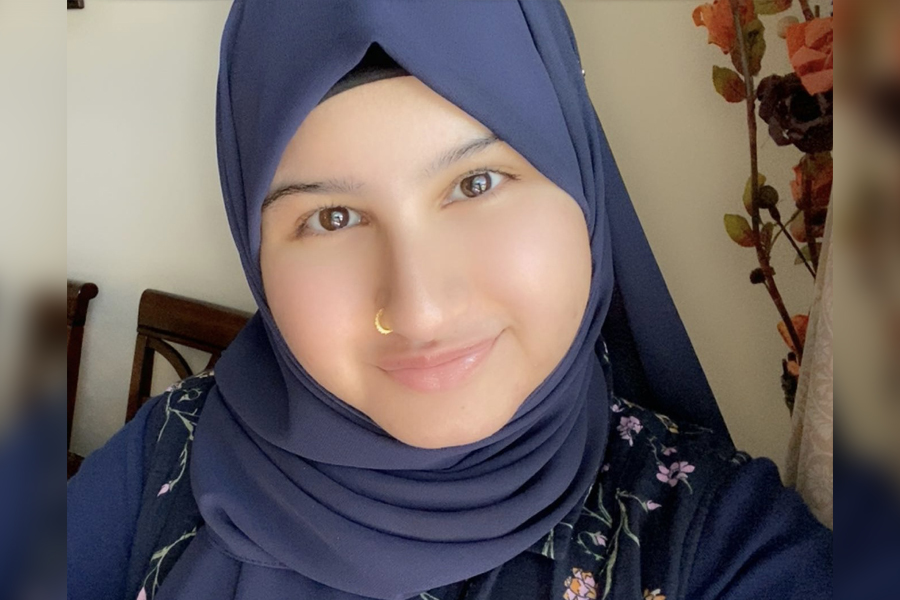
First-Gen Entrepreneur
Computer science student Rida Rahim has an impressive résumé of projects, and is only getting started.
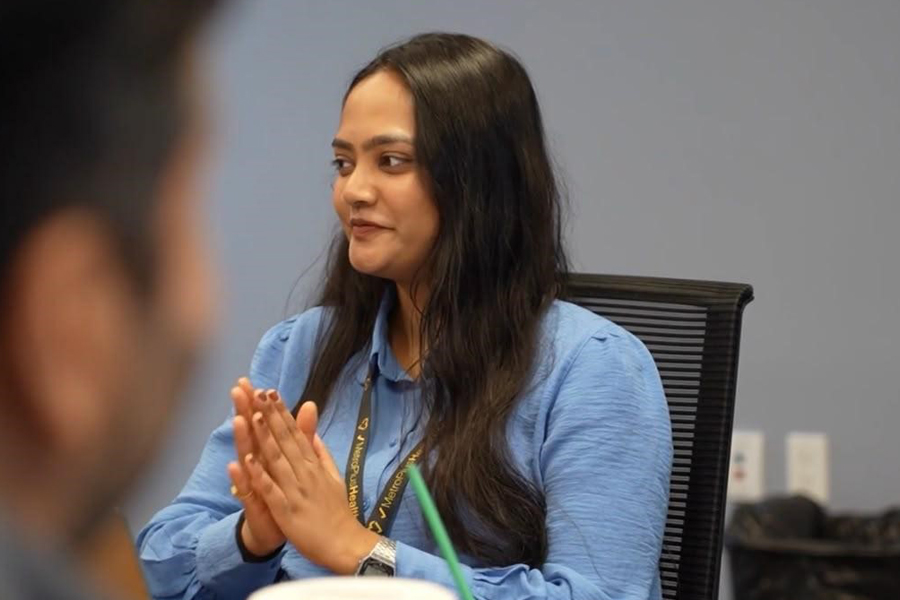
Intern Insight: Mansi Santosh Tikam
M.B.A. student Mansi Santosh Tikam spent her summer interning with MetroPlusHealth, where she learned what it means to be a marketing professional.
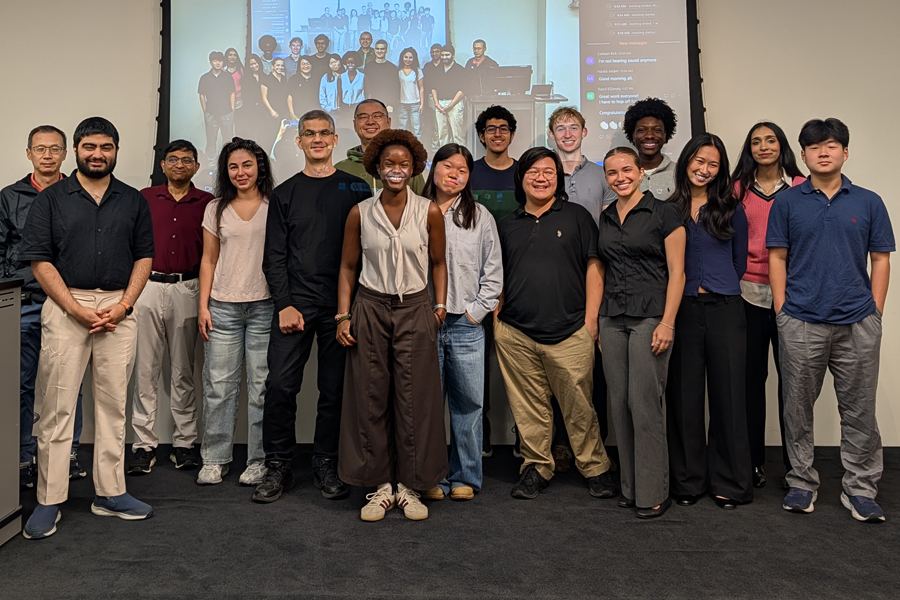
The Domino Effect
New York Tech’s Research Experiences for Undergraduates program has spent more than a decade turning summer research opportunities into lasting careers, helping build the university’s research reputation along the way.
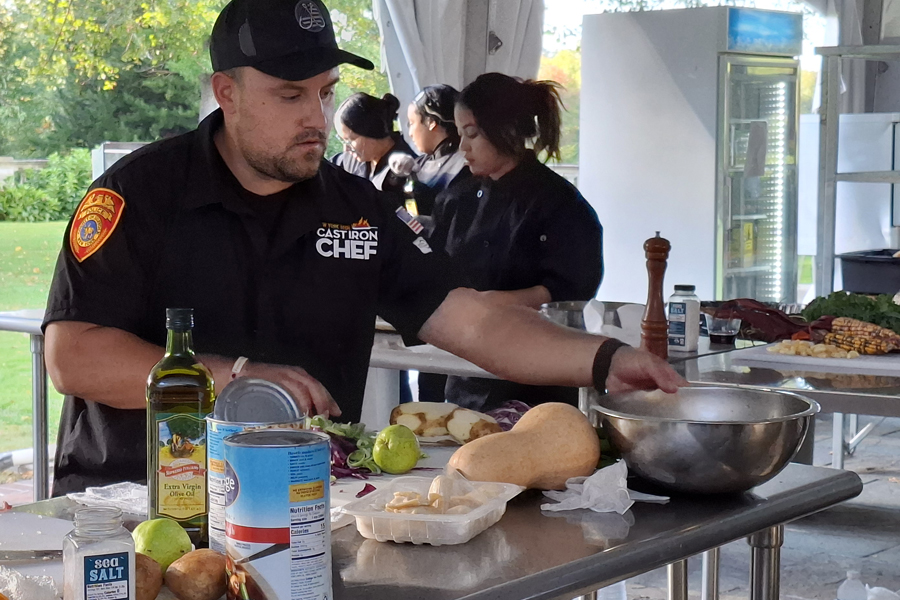
Officers Cook at 12th Annual Cast Iron Chef
This year’s Cast Iron Chef cooking competition welcomed teams of local law enforcement officers for an evening of culinary fun.
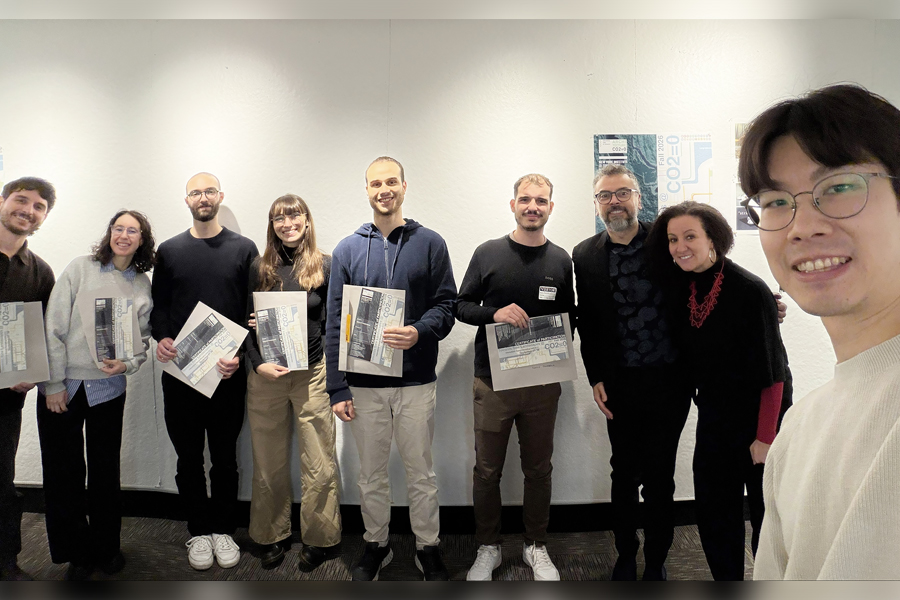
International Collaboration: School of Architecture and Design and IUAV
Graduate architecture students from Università Iuav di Venezia (IUAV) in Venice participated in a week-long atelier on the New York City campus, while School of Architecture and Design students traveled to Venice for a 17-day workshop.
My Co-op Gig: Asghar Kazmi
Computer science student Asghar Kazmi worked for five months at GE Appliances—an experience he says aligned perfectly with his career goals.