Winter Weather Safety 101
January and February are typically the coldest months throughout most of the United States, increasing the risk of weather-related injuries and illnesses during this time.
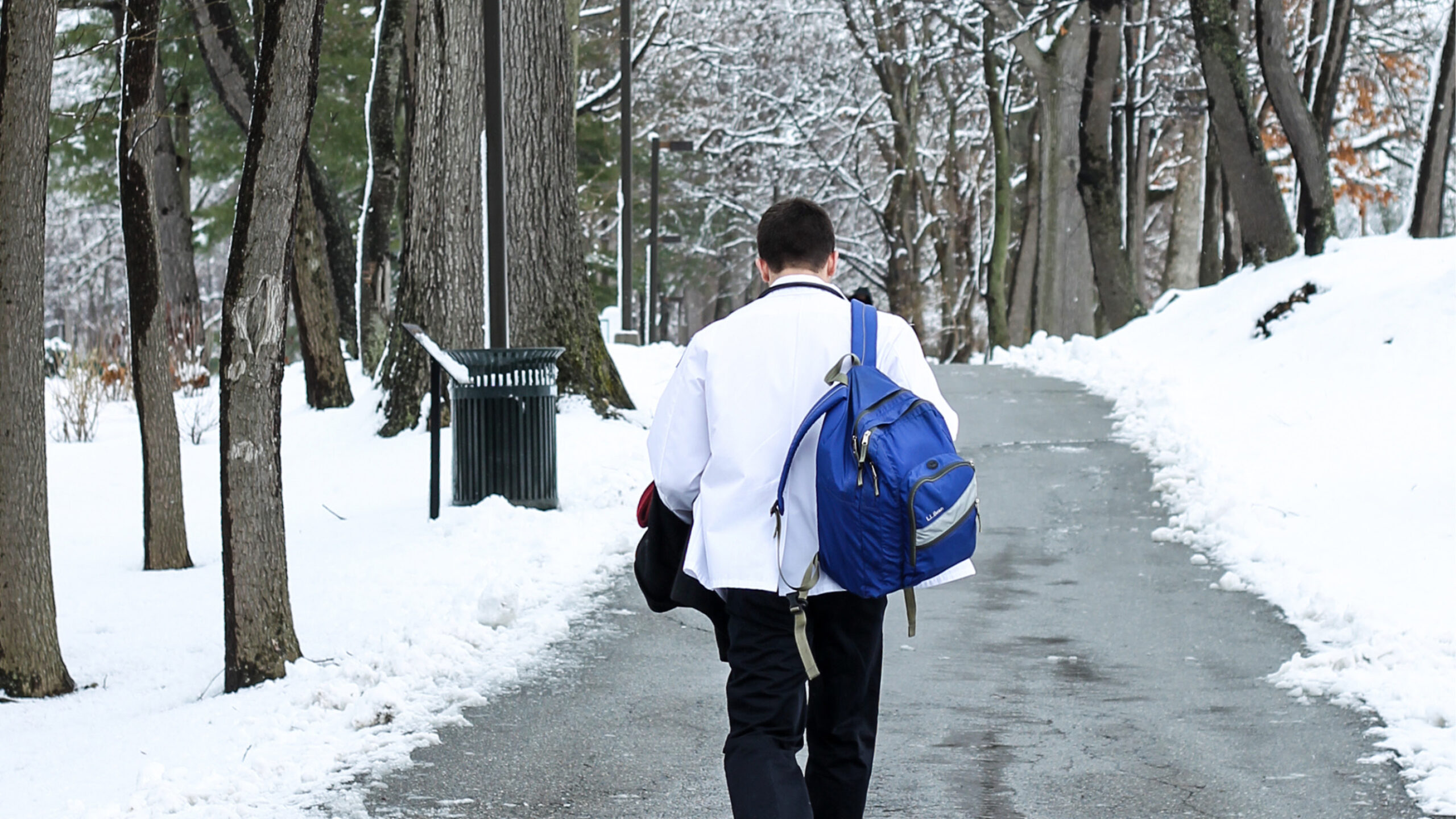
An estimated one million people across the country are injured due to falls each year, with the injury rate increasing significantly as temperatures drop and surfaces become icy. In addition, cold-related mortality rates in the U.S. are on the rise, having more than doubled between 1999 and 2022.
While winter predictably brings an icy chill each year, NYITCOM-Arkansas Site DeanShane Speights, D.O., reminds us that the health burden of cold weather is still very real.
“When we talk about extreme weather, whether it’s extremely hot or extremely cold, the body can have a hard time regulating itself during those periods,” says Speights. “Hypothermia, frostbite, overexertion, and even falling are all major things we should be wary of this time of year.”
For starters, choosing the right clothing can make a big difference. One tip that Speights shares: avoid 100 percent cotton.
“Cotton can hold moisture and actually make you colder, so try and stay away from that material and opt for something more like a polyester blend. You also want multiple layers, with the external layer being windproof, or waterproof in case there is drizzle, freezing rain, or snow,” he explains.
He also emphasizes the importance of staying dry and, on days when the forecast calls for wet weather, bringing extra clothes, including a pair of dry shoes, socks, and gloves. Cold, wet feet and hands can lead to long-term injuries, including irreversible tissue damage.
“Usually, the first signs of frostbite show up in your hands or your feet, as they’re farthest from your heart, making it harder for blood to reach them effectively. Be aware of any numbness in these and other areas and get indoors as soon as you start to experience symptoms,” Speights says. “Individuals with chronic diseases, and on certain medications, can also have a higher risk of a cold-related illness”.
Some signs of potential hypothermia, or that you may be getting too cold, include decreased heart rate, breathing, and difficulty concentrating or forming your thoughts,” he adds. “As the symptoms of hypothermia worsen, you are going to see some difficulty with cognition, making decisions, executive functions, and things like that.”
Speights also recommends taking regular breaks and staying hydrated, including with warm liquids.
“It may sound strange to discuss hydration in the winter, as it tends to come up more in the hotter months, but it’s really important to stay hydrated in the cold as well. Take in plenty of water—your body uses liquids to maintain its core temperature and basic metabolism,” he advises.
And, of course, Speights urges caution on slippery surfaces and while shoveling snow. In fact, after only two minutes of snow shoveling, one study found that participants’ heart rates exceeded 85 percent of maximal heart rate, the level commonly expected during intense aerobic exercise. In combination with cold air, which can increase blood pressure and reduce coronary blood flow, shoveling in these conditions places a greater strain on the heart. This is especially true for sedentary individuals and those with underlying cardiovascular conditions.
“Now all of a sudden you’re working really hard to shovel that sidewalk, and you could put yourself in a position where you’re having chest pains, and that could lead to a cardiac event,” says Speights. “People need to be aware that physical activity is harder on their bodies in cold weather.”
More News

NYITCOM-Arkansas Receives Two Grants for New Residency Program, EMS Training Initiative
Two Rural Health Transformation Project grants, totaling $3.7 million, will support health education programs at the College of Osteopathic Medicine at Arkansas State University (NYITCOM-Arkansas).
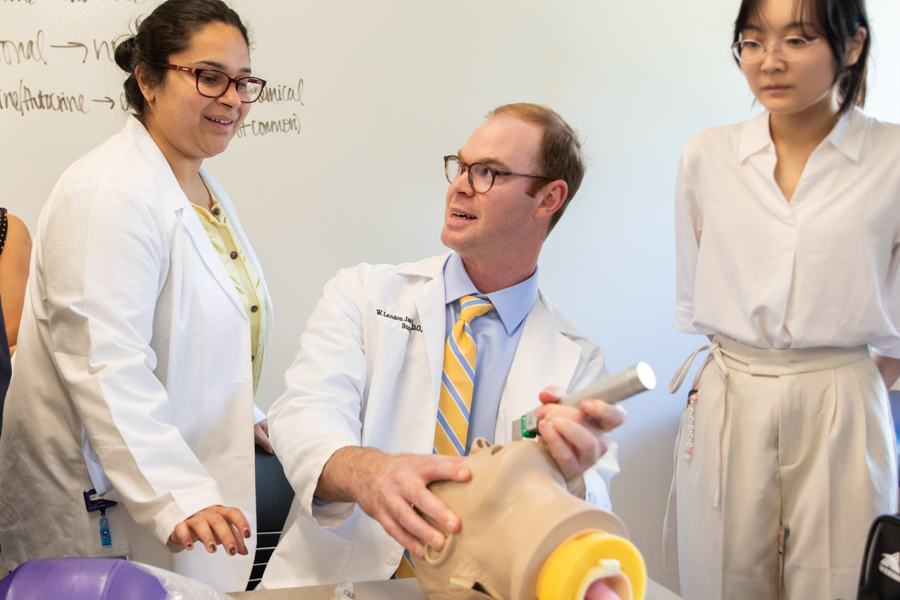
Alumnus Joins NYITCOM-Arkansas Faculty
William “Landon” Jackson, (M.S. ’21, D.O. ’21) has returned to his alma mater to serve as an assistant professor in NYITCOM-Arkansas’ Department of Clinical Sciences.

Students Step in to Help Save a Life
Students from the College of Osteopathic Medicine and the School of Health Professions provided life-saving medical care to a young mixed martial arts athlete.
A Flu Season Primer
A family medicine physician shares insight to help inform the university community about the flu and the importance of the flu vaccine.
New York Tech To Be Ranked Among National Universities
For the 2027 U.S. News & World Report annual rankings, New York Tech will be included in a new ranking category—National Universities.
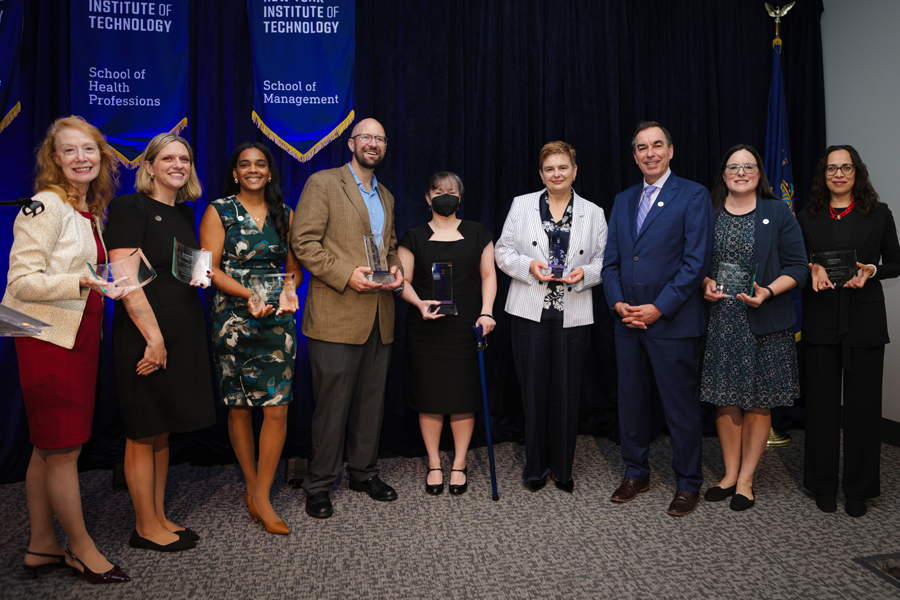
Convocation 2026: Success in a Time of Change
At the annual faculty and staff convocation, New York Tech President Jerry Balentine reflected on the accomplishments over the past year and presented his vision for the future.