
What to Know About This Year’s Flu
The 2024–2025 influenza season marked the most severe influenza season since 2017. In recent years, up to 40 million cases of influenza illness have been reported annually.
While flu season in the United States is widely considered to last from October to May, the number of reported cases tends to increase significantly during November. As health officials brace for another wave of respiratory illness, board-certified infectious disease physician Carl Abraham, M.D., assistant professor at the College of Osteopathic Medicine (NYITCOM), shares insights on what the general public should know for the 2025–2026 season.
How does this year’s influenza compare to last year’s?
Based on analysis of influenza strains, the World Health Organization predicts infecting strains for the current season will not be significantly different from those of 2024–2025. The genes of influenza can reassort so that new strains may emerge that result in a worse influenza season than expected. There is no indication that this has happened for this coming season.
Although it’s not in the news as much these days, we also continue to have outbreaks of avian influenza at industrial poultry and cattle farms, which are affecting supply. Human avian influenza infection is rare, and hopefully, new vaccine technology will alleviate the economic burden caused by this strain.
What are some of the first symptoms people experience when they come down with the flu?
The symptoms of influenza are usually sudden, with body aches, fatigue, fever, and chills. This is usually followed within hours by sore throat, cough, and headache. I like to characterize these symptoms as “being hit by a ton of bricks.” It is not uncommon for healthy persons with the flu to be miserable in bed for several days. Unfortunately, for the elderly, chronically ill, and immunocompromised, influenza can also be deadly.
What might people be surprised to learn about the virus?
What may be surprising this year is the number of people who get vaccinated, which has been decreasing yearly over the past five years. The number of people who are vaccinated influences the severity of the influenza season, and if the number of those vaccinated continues to decrease, we may have a much more severe season than predicted. Another surprise is that the severity of an influenza season also results in more heart attacks, strokes, and other medical emergencies during the influenza season.
As a physician, how do you recommend people manage their flu symptoms?
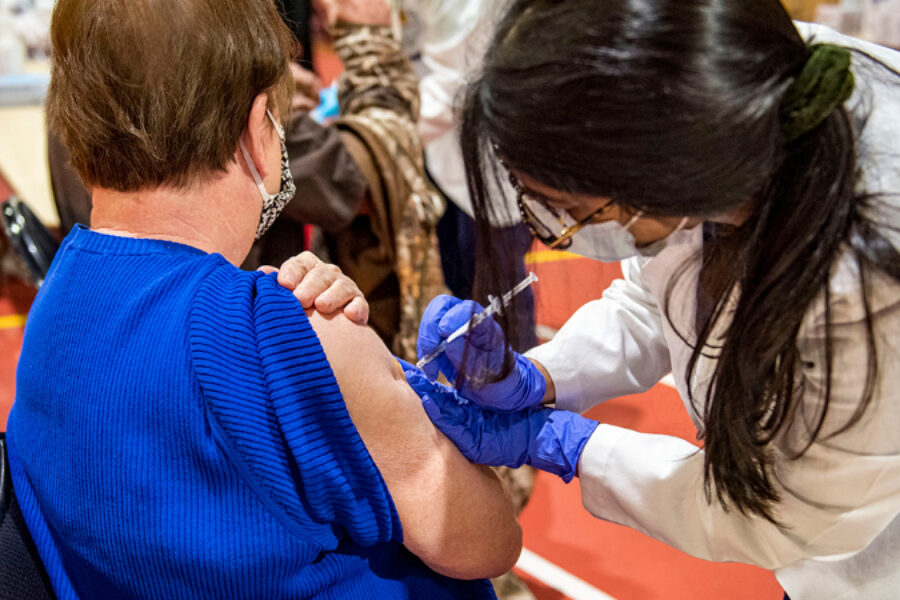
The best tip is prevention: Get vaccinated if you are able. As opposed to the previous decade, influenza vaccines in the past five years have been extraordinarily effective against the strains causing illness. Vaccination significantly reduces the risk of symptoms, severe illness, and mortality, as well as transmitting the infection to others. Second, avoid those who are sick, and if you are sick, avoid others. Several viruses cause respiratory illness during the winter in addition to influenza, such as respiratory syncytial virus (RSV), coronaviruses (the common cold and SARS-CoV-2 [COVID-19]), and human metapneumovirus, as well as others. They are all very contagious. Other prevention tips include washing your hands frequently, wearing masks in public (N95s work best), and avoiding crowds indoors.
If you get the flu, take care of yourself. Keep yourself fed and hydrated. Some medications can be obtained by a physician’s prescription that reduce the severity and duration of symptoms if taken in the first day or two of illness. Thousands of people in the U.S. die of influenza every year. If you have trouble breathing, confusion, or other worrying symptoms, like chest pain, these are emergency symptoms that require medical attention.
More News

Not All AI is Built to Diagnose
A new study by researchers at the College of Osteopathic Medicine reveals how general-use AI platforms make serious mistakes when it comes to analyzing medical results.

Uncovering the Body’s Fat-Burning Strategy—It’s Math-Driven!
A new study by an NYITCOM-Arkansas researcher finds that the body calculates which fat to burn, choosing those that produce the most usable energy while consuming the least oxygen.

NYITCOM-Arkansas Announces Partnership With SOFtoSOM
NYITCOM-Arkansas has formed an official partnership with Special Operations Forces to School of Medicine (SOFtoSOM), an organization that helps military veterans who are interested in pursuing medical education.

Additional Alumni Named to Board of Trustees
Two New York Institute of Technology alumni have been named to the Board of Trustees, the most recent alumni to join the university’s governing board.

Finding His Balance
Noah Hoonhout’s piece about navigating life as a medical student was published to a Substack with more than 100,000 readers.
Physician Responds to CDC Vaccine Schedule Changes
Family medicine physician Shane Speights, D.O., site dean for NYITCOM-Arkansas, weighs in on the new recommendations.