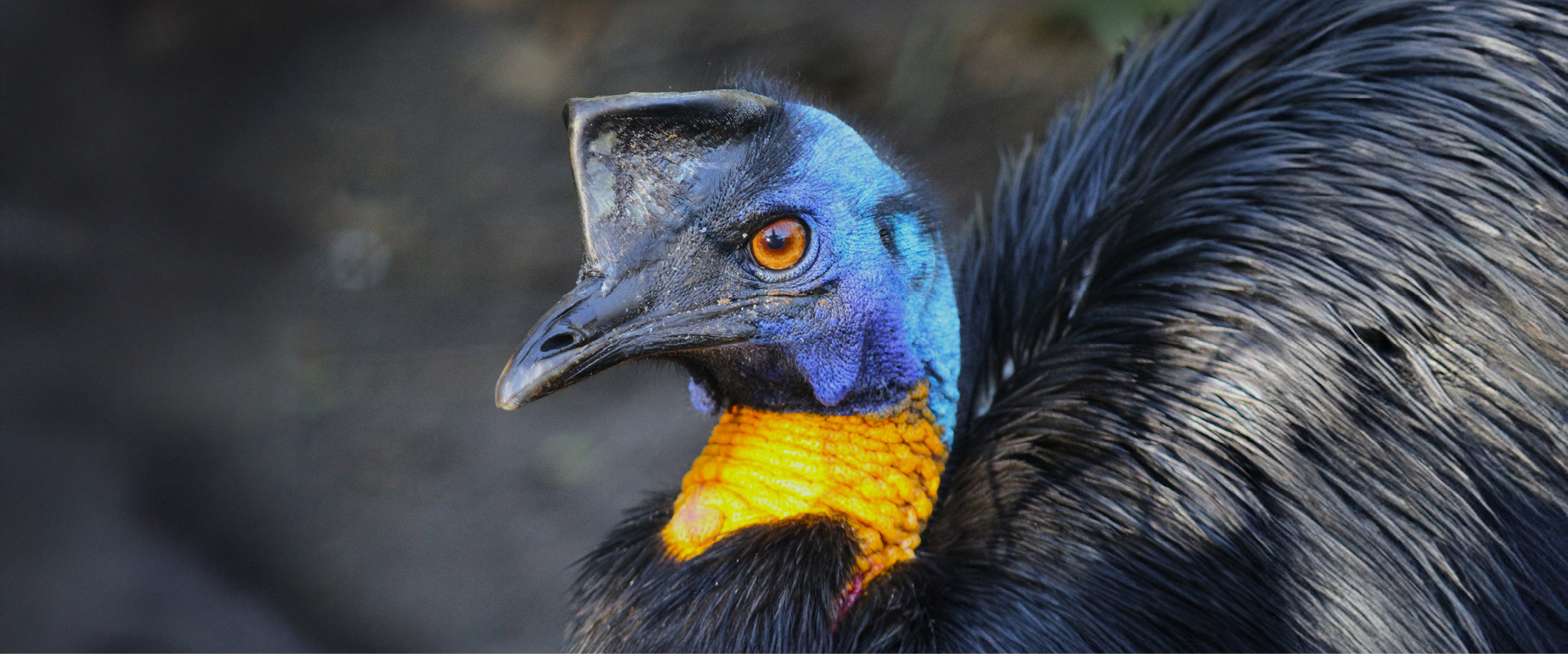
The Cassowary’s Impact on the Rainforest
An anatomy professor at the College of Osteopathic Medicine at Arkansas State University (NYITCOM-Arkansas) recently published a study that has the potential to provide significant insight into a bird species that plays an impactful role in rainforest conservation.
Todd Green, Ph.D., an assistant professor of biomedical sciences at NYITCOM, is one of the world’s most published experts on cassowaries, large, flightless birds that are anatomically similar to ostriches and emus.
Cassowaries are considered one of the closest-living relatives of prehistoric dinosaurs, making them an ideal subject for paleontologists like Green, who has published six papers involving the study of cassowary anatomy. His most recent work, which was published in Ornithology, examines the anatomy of the casque the birds possess on their heads, which distinguishes the three cassowary species.
“We believe cranial anatomy plays a key role in the behavior of these birds,” Green says. “What is this strange thing on their head? What’s it used for? Answering these questions provides stepping stones to decipher the function of the casque and the role it plays in these birds’ behavior.”
Cassowaries grow to six feet tall and live in the rainforests of Australia and New Guinea. They are mainly solitary animals that have large territories where they eat a number of tropical fruits. The birds naturally aid the dissemination of many rainforest plants as they roam their habitat.
“They swallow their food whole, and when they defecate, the intact fruit seeds are distributed in a built-in pile of fertilizer,” Green says. “We know cassowaries to be the primary seed disperser in that part of the world. If cassowaries were to become extinct, a lot of the rainforests they inhabit may disappear because of the relationship they have in helping to germinate and disperse these seeds. That’s why it’s so important that we learn more about them so we can potentially help them thrive.”
Green’s previous studies on cassowaries have been published in The Anatomical Record, the Journal of Anatomy, the Journal of Zoo and Wildlife Medicine, and the Zoological Journal of the Linnean Society. He’s optimistic that his work will not only lead to a better understanding of cassowary anatomy and behavior but will also spark an interest in the relatively obscure birds.
“Most people don’t even know they exist,” Green says. “Because so few people are familiar with cassowaries, we hope the beautiful illustrations in this paper may help people become interested in these animals and become more involved in their conservation.”
Green, a self-described “dinosaur kid,” developed a keen fascination for cassowaries at a very young age when he first read about them in an issue of Zoobooks. While working on his undergraduate degree at Colorado State University, he became involved in emu research and eventually earned an opportunity to work with cassowaries at a Florida ranch that raised the birds in captivity.
During that time, Green was connected with a paleontologist at Oklahoma State University Center for Health Sciences (OSUCHS) who also had an interest in cranial anatomy. Green was admitted to Oklahoma State’s Ph.D. program, where he continued to study cassowaries but also spent time teaching anatomy to medical students at OSU College of Osteopathic Medicine.
Green had long been interested in a career as a paleontologist, with his particular draw to bird species that are closely connected to many dinosaur species. During his time at OSUCHS, he learned that many paleontologists split their time between research and teaching anatomy at medical and veterinary schools, which proved to be a great fit for him.
“It can be difficult to make a living as a paleontologist, but we can use our expertise in comparative anatomy to teach future doctors like I do now,” Green says. “It’s very fulfilling to help people train to become future physicians while pursuing my passion for research. It’s the perfect fit.”
By Casey Pearce
More News
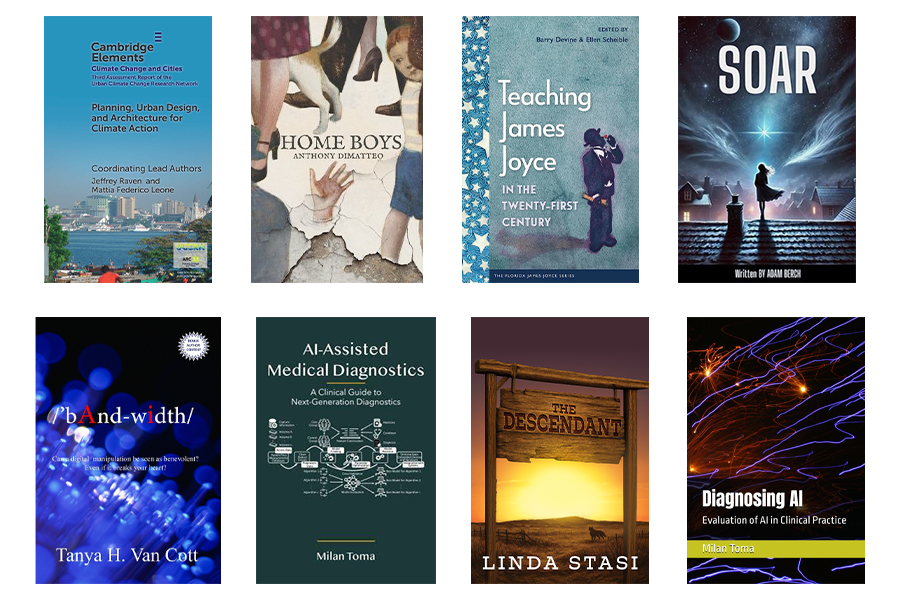
Faculty and Alumni Pen New Works
New publications from members of the university community detail their unique insights, expertise, and experiences.
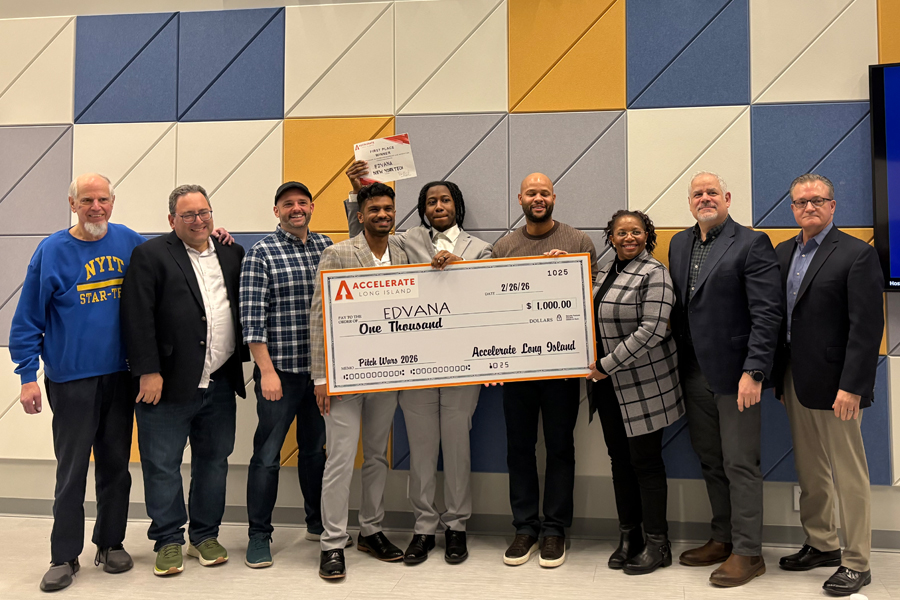
Creating an Award-Winning Startup
Student entrepreneurs Nigel Oommen and Johnathan Wheeler created their award-winning classroom learning tool Edvana to make education more effective, engaging, and personalized.
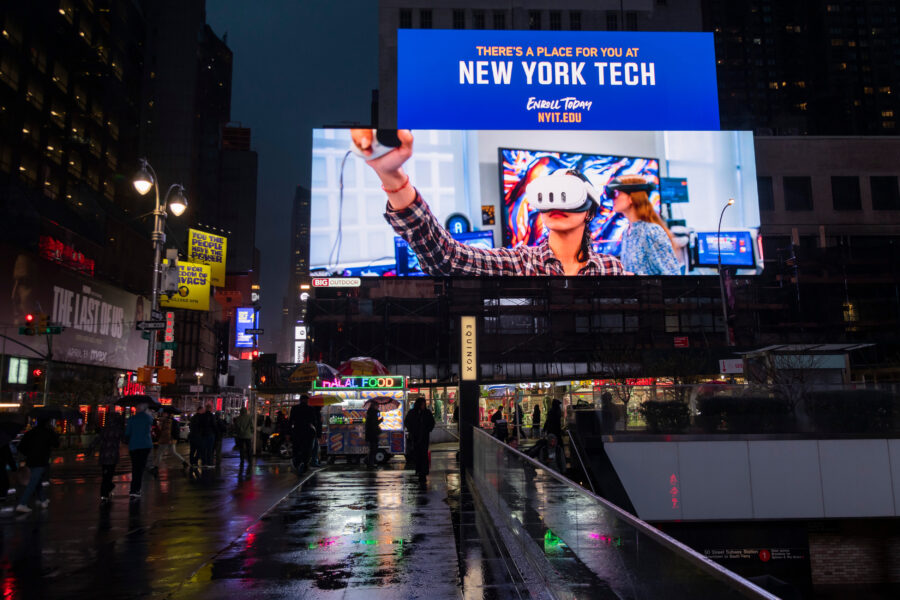
Best of Show in Educational Ad Awards
New York Tech is among the biggest winners in the 41st Annual Educational Advertising Awards, the largest educational advertising awards competition in the country.

Not All AI is Built to Diagnose
A new study by researchers at the College of Osteopathic Medicine reveals how general-use AI platforms make serious mistakes when it comes to analyzing medical results.

My Co-op Gig: Engineering Together
For their co-op, friends and electrical and computer engineering classmates Pavan Kanakkassery and Oscar Cruz traveled to Texas twice to electrify a 16-wheeler industrial rig.

New York Tech Celebrates Women’s History Month 2026
Celebrate women and their many accomplishments during Women’s History Month. The university will host a series of events throughout March.