The Connectors
When Millie González, MLIS, arrived at New York Institute of Technology in February 2025 as dean of libraries, she stepped into a newly created role that had been envisioned as part of the university’s strategic plan for its libraries.
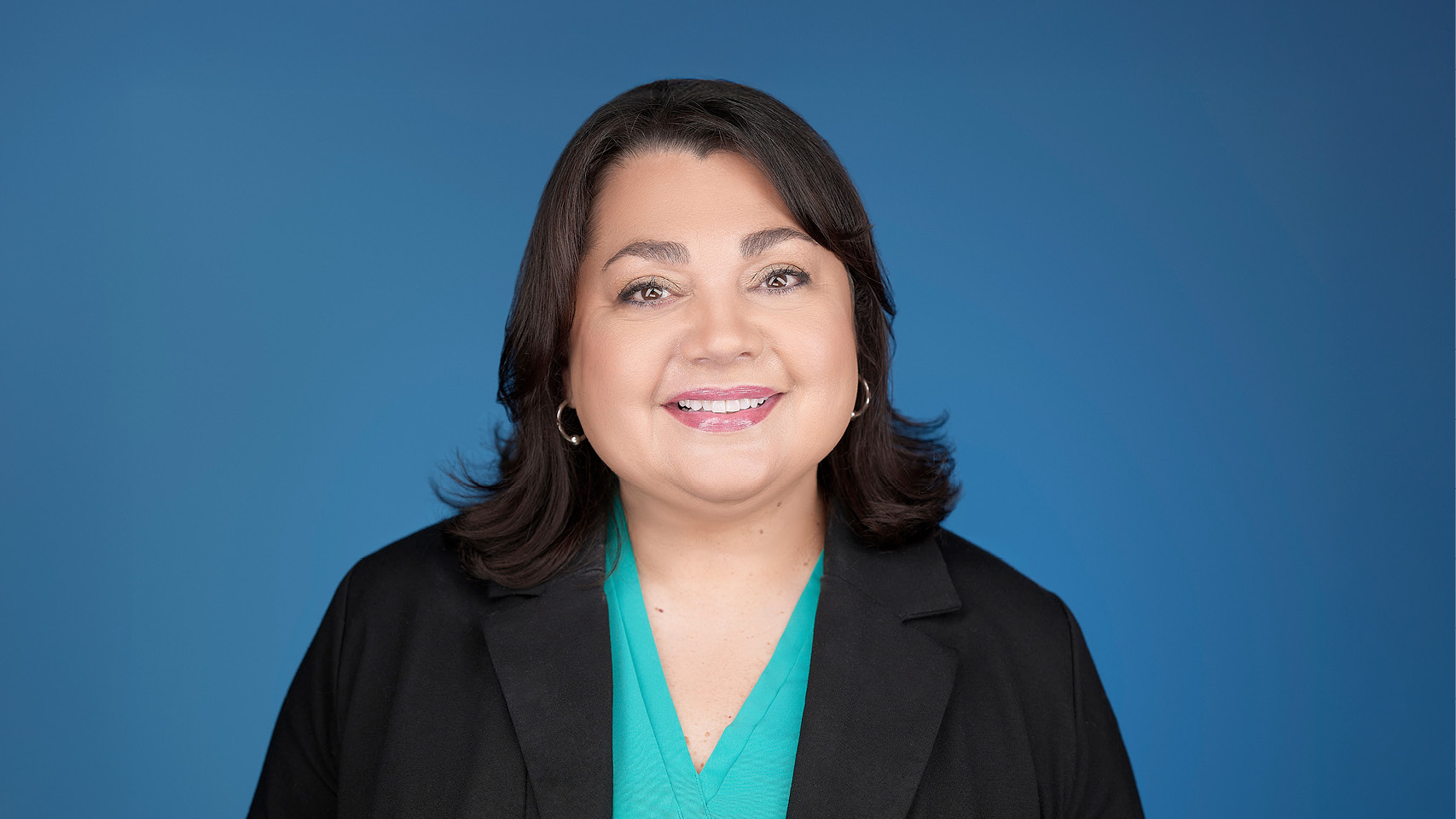
But her first step wasn’t to tackle the plan she’d inherited. Instead, she did something quieter. She listened.
“My intention really was to understand the university, get to know the people, get to know my staff, and understand university priorities,” she says.
What followed was months of conversation and research. González met with faculty and staff across campuses. She observed how students used library spaces and resources. She studied how they navigated the website. And she conducted what she calls “homework,” benchmarking New York Tech’s libraries against those of R2 polytechnic universities and reviewing strategic plans to identify gaps and opportunities.
The result is the updated New York Institute of Technology Libraries Strategic Plan 2025-2028, a roadmap that positions the libraries not just as study spaces or collections, but as catalysts for student success and research excellence.
At the heart of the revised plan is a phrase González embraced almost immediately: the libraries as “the connectors.”
“I wanted a simple message that conveys what the libraries can do,” she says. “We connect resources and access to our services and also to each other. Very simply, we are not gatekeepers, we are connecters, enabling great things to happen at the university.”
At a multi-campus institution, that connection requires nuance. Each location has its own culture and rhythms.
“I had to understand how faculty and students access the library website and how our space impacts the services and the resources that we can provide,” Gonzalez says.
One early discovery was the need for a redesigned website, which was launched successfully in January 2026. Another ongoing focus is space. A partnership with a design class invited students to imagine the “library of the future” from their perspective, an exercise González sees as both symbolic and practical.
“Students are at the heart of what we do,” she says.
Leading with Student Success
Creating a strategic plan for the libraries was one of the first initiatives President Jerry Balentine, D.O., tasked university librarians with when he was named interim provost in 2022. That plan was created through focus groups with faculty, staff, and students, with assistance from an external consultant. The result was a 2023-2028 library strategic plan with action items that included hiring a dean of libraries.
When González was ready to refine that plan, she put student academic success and engagement at the forefront.
“It’s extremely important because that’s what the students are here for” she says. “Their primary goal is to have a successful academic experience at the university.”
In her view, student success extends beyond access to databases and citation workshops; it includes how students feel when they walk through the door.
“We want to provide the services and resources students need for the classroom, but we also want to make them feel comfortable when they enter our library space or use our website,” she says.
Another initiative is embracing the embedded librarian model, which shifts librarians out of the library and into user settings. The first effort supports the Honors College. Two librarians spent the fall preparing to support honors students and are now embedded in classes with tailored research guides. “We’ll be better able to assess the student impact at the end of the semester,” González says.
She also introduced a coordinated, year-long engagement calendar to bring structure and intentionality to library programming.
“We want programming to be proactive as opposed to reactive,” she says. Previously, workshops and exhibits were not necessarily created or shared in a coordinated fashion. Now, a year-long calendar of programs and workshops has been created and shared with student services and academic departments. “The idea is that departments and faculty members might include some of these in their syllabi.”
As new initiatives are launched, González says student feedback is key. “I want students to tell us if we’re doing what they need us to do,” she says.
Building for the Future
A major focus for New York Tech is to achieve R2 research status. González believes the libraries can play an important role toward reaching that goal, one she has included in the revised strategic plan.
After benchmarking R2 institutions, she identified the need for stronger research-focused services, resulting in the addition of the strategic priority ‘advance faculty and student research excellence’ to the strategic plan.
In practice, that means expanding scholarly communications support, guiding faculty through copyright questions, educating researchers about predatory journals, and strengthening infrastructure for research dissemination.
“There are a number of different things that we assist faculty and students with that are specifically research oriented and different than the support that we offer students and faculty in their classes,” she says. “For instance, we can archive their preprints in our institutional repository in order to make their research more discoverable.”
Another shift is operating witha digital-first philosophy to reflect changing user behavior. Still, González sees that shift as additive rather than subtractive.
“Students prefer online resources. That said, we’re not getting rid of our print collection. If anything, I’d like to expand, but do so responsibly,” she says.
Space constraints complicate those decisions. “We have a limited footprint, and we want to make sure that it serves a lot of needs,” she says, noting the tension between housing collections and expanding collaborative study areas.
Not to mention the need to support six colleges and schools, including undergraduate programs in arts and sciences, engineering and computer science, architecture and design, health professions, and management, in addition to growing graduate programs in STEM (science, technology, engineering, and math), and medical schools in two locations.
Different disciplines have different needs. “Art and architecture have a substantial print journal and print book collection,” González says. “So, there’s a balance between areas we have to support with resources in print and others where we can move books off site to create warm and inviting areas for students to interact.”
Ultimately, González sees the strategic plan not as an endpoint, but as positioning the libraries for what comes next.
By 2028, she hopes students will walk into expanded spaces with extended hours, robust collections, innovative technologies, and seamless research infrastructure—and experience a library that truly lives up to its identity as “the connector” at the heart of a research-driven university.
González is excited for the journey. “I love libraries and am passionate about how the libraries play an integral part of student success,” she says.
By Renée Gearhart Levy
More News
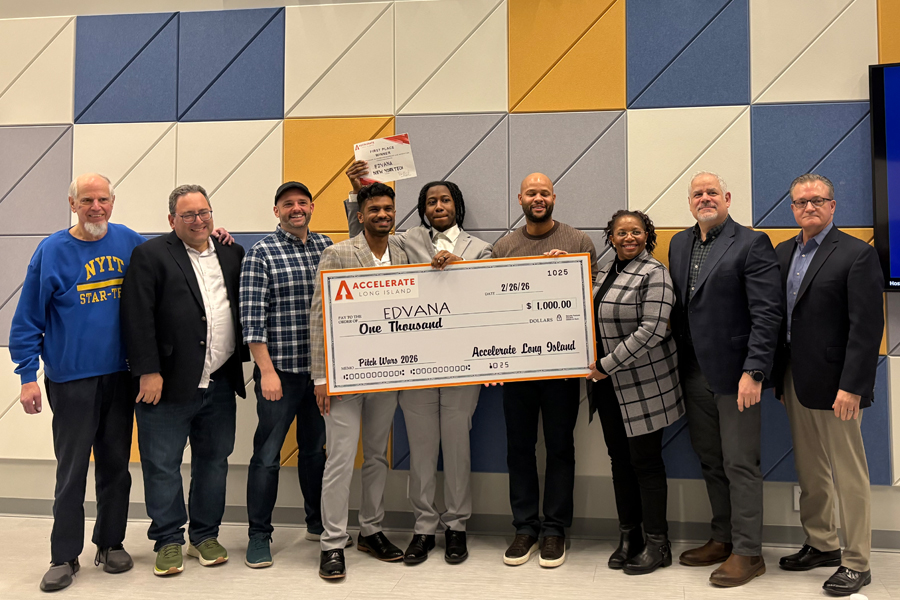
Creating an Award-Winning Startup
Student entrepreneurs Nigel Oommen and Johnathan Wheeler created their award-winning classroom learning tool Edvana to make education more effective, engaging, and personalized.
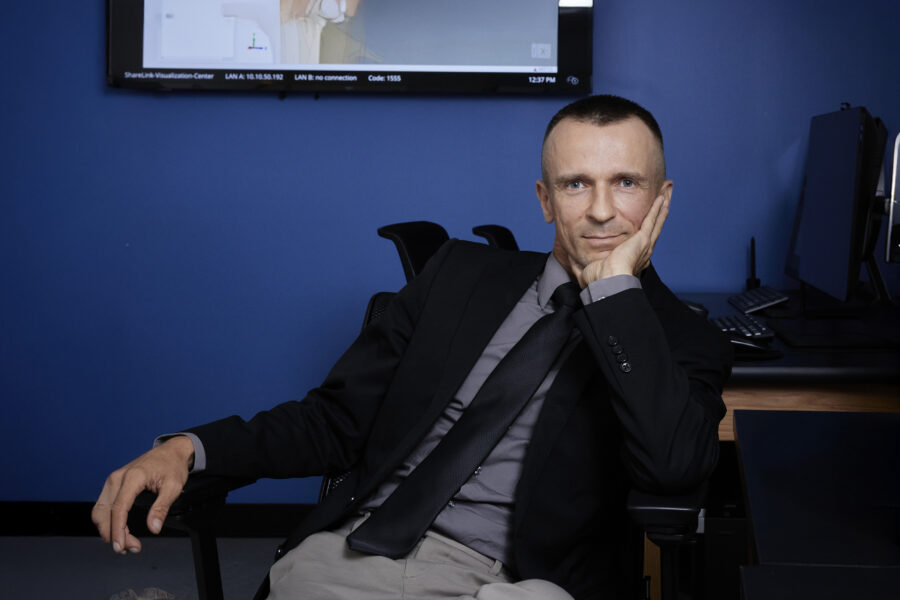
Not All AI is Built to Diagnose
A new study by researchers at the College of Osteopathic Medicine reveals how general-use AI platforms make serious mistakes when it comes to analyzing medical results.
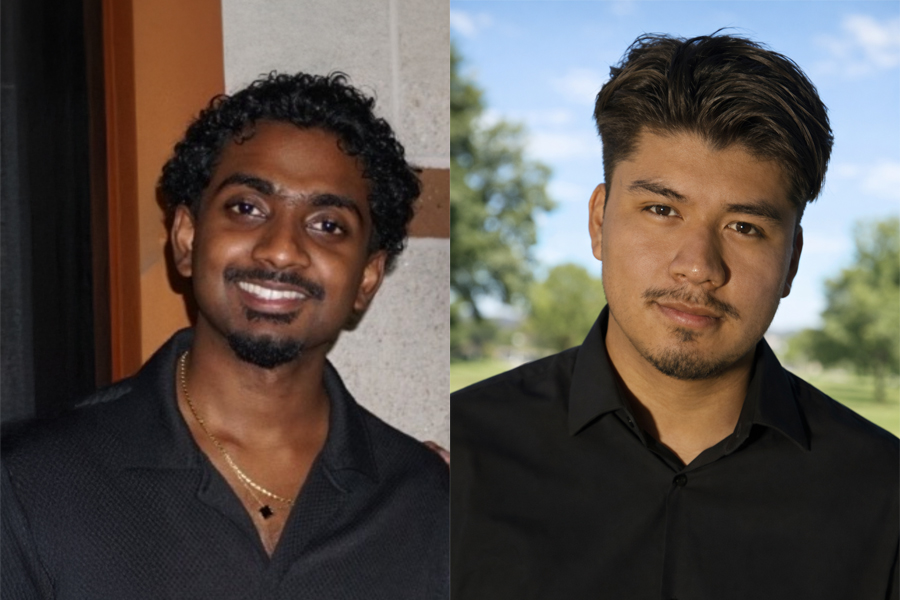
My Co-op Gig: Engineering Together
For their co-op, friends and electrical and computer engineering classmates Pavan Kanakkassery and Oscar Cruz traveled to Texas twice to electrify a 16-wheeler industrial rig.

New York Tech Celebrates Women’s History Month 2026
Celebrate women and their many accomplishments during Women’s History Month. The university will host a series of events throughout March.
My Co-op Gig: Alisha Karim
Alisha Karim describes her co-op at Northwell Health as a perfect fit, renewing her excitement for a future career in tech.
Understanding Sanctuary Cities
Teaching Assistant Professor Michael Izady, Ph.D., led a Dean’s Digital Café conversation about sanctuary cities.