
Op-ed: AI Education Can’t End at Graduation
As the internet age dawned, colleges recognized the need to update their curricula and teaching methods so that students acquired the digital literacy skills to succeed in the 21st-century workforce.
Now, as artificial intelligence (AI) is reshaping how people learn and work at every stage of life, universities must update what and how they teach, but also how long they teach it, notes President Jerry Balentine, D.O., in an op-ed published on FoxNews.com. Universities have a unique opportunity and a responsibility to redesign their offerings and programs to ensure their students—past, present, and future—are AI literate,” Balentine writes.
Americans are adopting AI faster than any other technology. But there is a difference between simply using AI and using it effectively.
An experiment by researchers at Harvard Business School and Boston Consulting Group illustrates this distinction. It found that consultants using leading AI models produced higher-quality work and completed tasks faster when they recognized the technology’s strengths and limitations. When they relied on AI for tasks outside its areas of competence, their performance was worse than that of a control group not using AI at all. “AI can boost productivity in areas where we have expertise, but we must be wary that it can mislead us in areas where we don’t,” says Balentine.
Understanding how to leverage AI’s strengths without turning a blind eye to its weaknesses is the essence of AI literacy. Recent college graduates may use AI to build software or analyze data. A mid-career manager may use it to automate routine work, summarize reports, or test new business ideas. A retiree may use it to navigate healthcare information, manage medications, or compare Medicare options.
Each task requires more than knowing how to open an app. People must also know which questions to ask, how much confidence to place in the answers, and when independent verification or expert advice is required. Mastering those skills will require continuous learning.
Universities already have the basic infrastructure to meet that need, as most maintain relationships with alumni through continuing education, professional certificates, executive education, and more.
Universities have long helped people adapt to transformative changes in society. “In the AI era, higher education should continue to embrace that responsibility by becoming lifelong partners in AI education,” Balentine concludes.
Read the entire op-ed.
This op-ed is part of a campaign designed to generate awareness and thought leadership for the university on topics of national relevance.
More News
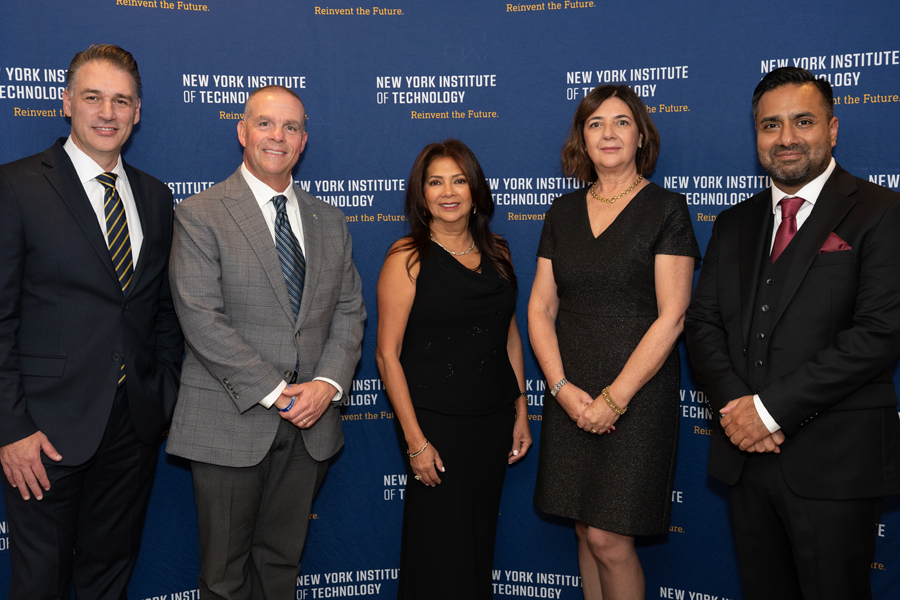
New York Tech Celebrates 18 Years of FRIENDS
On October 29, the School of Architecture and Design celebrated its 18th Annual Alumni and FRIENDS Reception, raising $182,698 in support of student scholarships, technology upgrades, lectures, study abroad, and new initiatives.
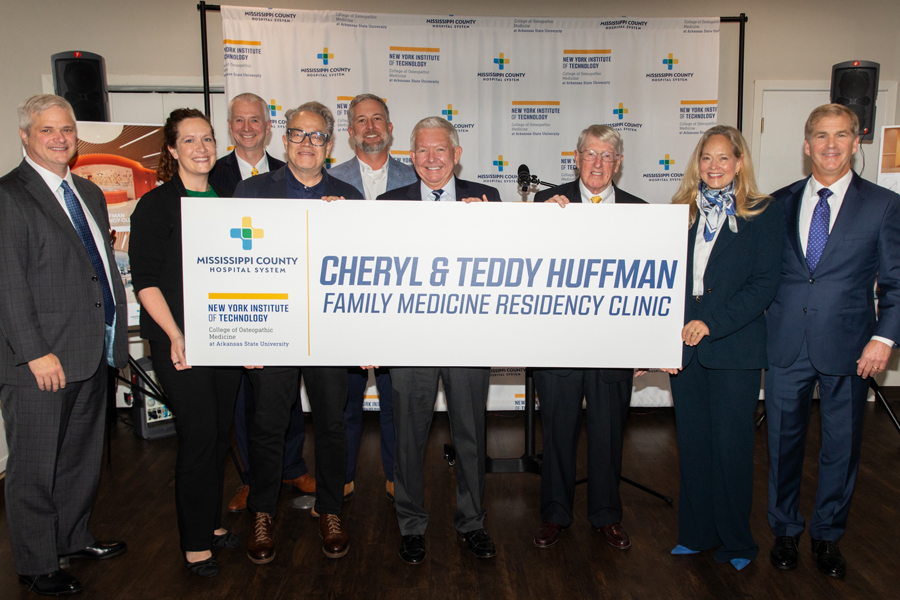
NYITCOM-Arkansas Receives $1.25 Million to Support Physician Training in Mississippi County
Ted “Teddy” Huffman and his wife Cheryl announced a $1.25 million gift that will support NYITCOM-Arkansas’ efforts to create a new family medicine residency program in Mississippi County.
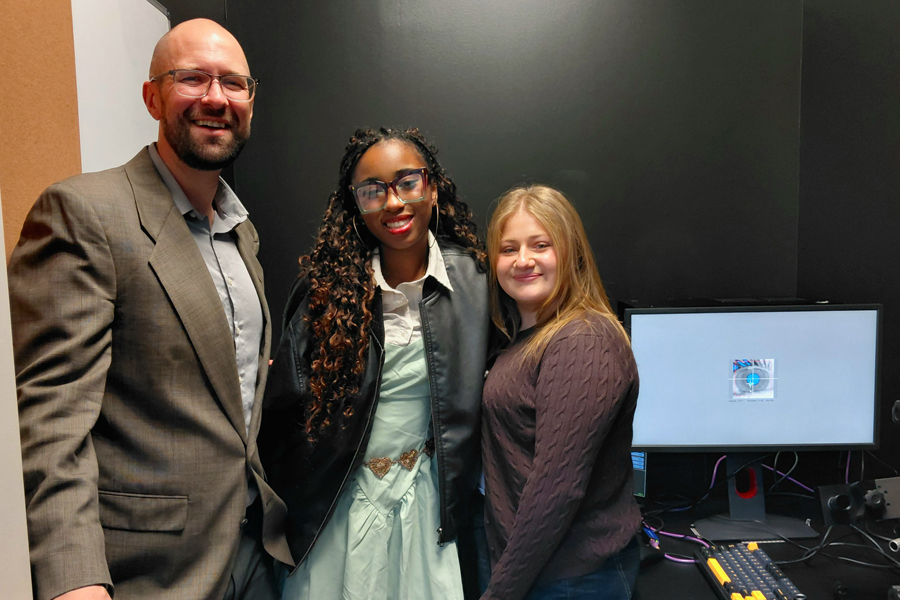
Building a STEM Pipeline Through Summer Research for High Schoolers
Assistant Professor Robert Alexander, Ph.D., has opened his lab to more than a dozen high school students, giving them hands-on experience in psychological and biomedical research, as well as a path to New York Tech.
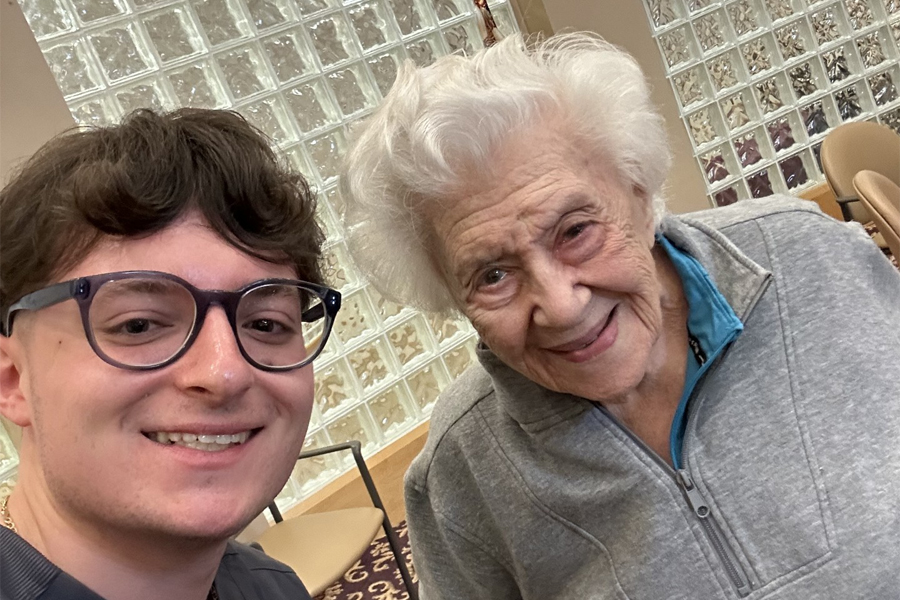
Bridging Generations…Again
In addition to his studies, medical student John Mari (B.S. ’23) is leading the charge in making intergenerational connections.
In Demand
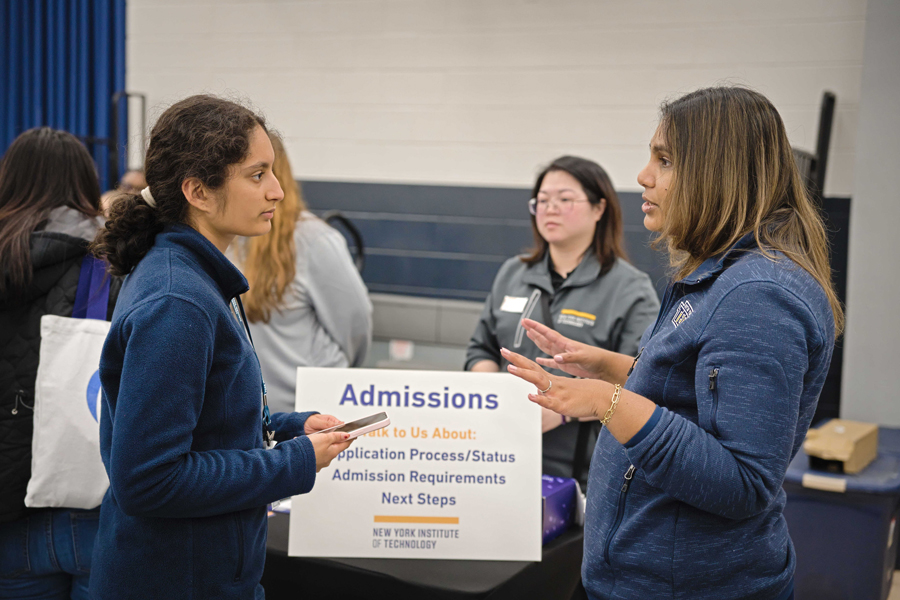
With the enrollment of its largest first-year class, New York Tech finds momentum in career-focused programs, hands-on experiences, and a more personal approach to recruitment.

Fellows’ Field Notes: Dominican Republic and Greece
Over the summer and this fall, seven students traveled for their academic research projects supported by the Edward Guiliano Global Fellowship program.