When the spring 2025 semester ended, electrical and computer engineering graduate student Shreya Patel was just getting started. Throughout June and July, Patel was a research and analyst intern at Fund for the City of New York (FCNY).
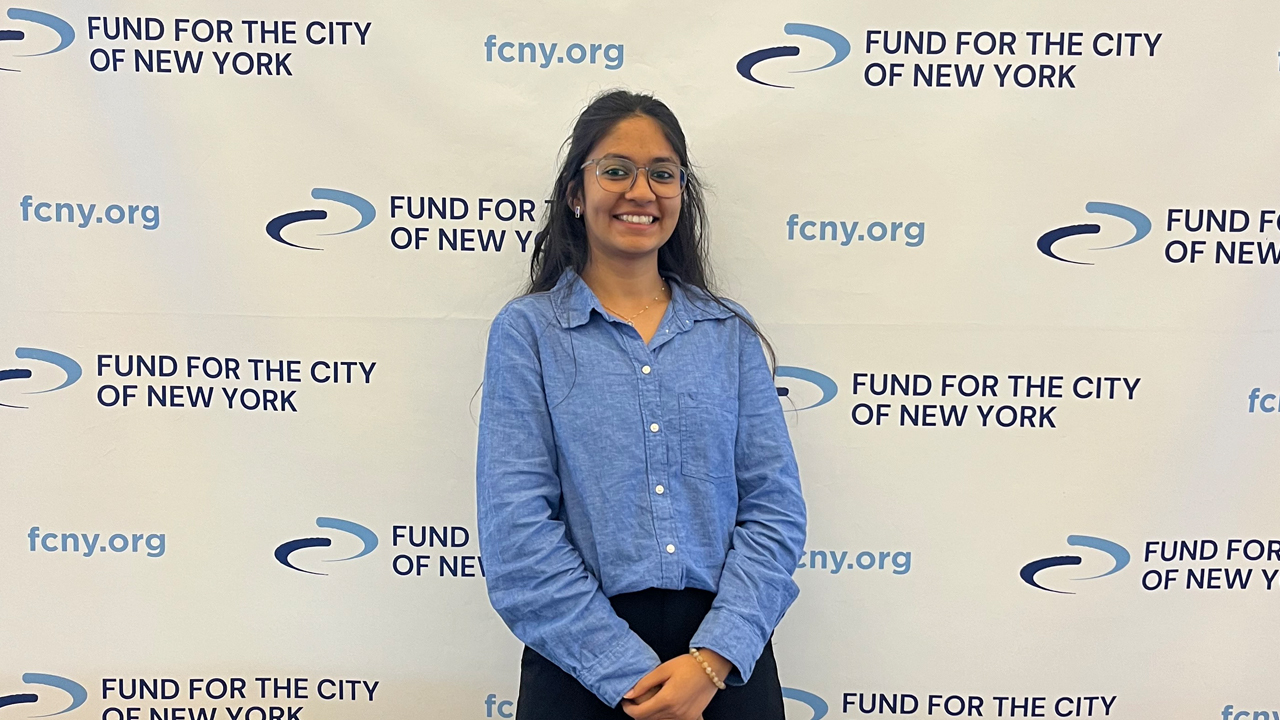
FCNY is an organization committed to improving underserved communities’ quality of life, and its intersection of data, policy, and community impact attracted Patel to apply for the position. Envisioning her future career as one that benefits humankind, she credits her internship with placing her in the “exact environment I see myself working in—at the crossroads of technology and public service.”
No two days were the same, she says, but her work generally ranged from cleaning and organizing raw information to spotting trends that could influence policy decisions. Specifically, she turned numbers into plain-language insights, built simple visuals so those numbers made sense at a glance, and collaborated with staff to determine what those insights meant for people on the ground.
“I spent the summer digging into datasets that told the story of how city programs were running,” Patel explains. “I was able to solve problems that required both engineering skills and an understanding of human impact, which is exactly the blend I want in my career.”
As an engineering student, Patel has spent years solving problems in the abstract, so she was thrilled to step into a role that empowered her to work on systems affecting real people and witness how data “moves the needle” in a city as complex as New York.
Even more exciting than the real-world application of her studies, though, were the unplanned moments of her workday, like being pulled into an unscheduled meeting or taking on messy datasets that others were reluctant to tackle.
Outside of the technical, her two months with FCNY taught her to better appreciate turning figures into something clear and useful for those unfamiliar with data-centered jargon. Patel says she was forced to focus on and think about the story behind the numbers—an epiphany that communication is just as critical as analysis.
“I’ll carry forward the skill of making complex information clear,” she reflects. “Analysis isn’t finished when the numbers are correct; it’s finished when the right people can understand and use it. I want to keep bridging that gap between technical detail and human decision-making, because that’s where the real impact happens.”
More News
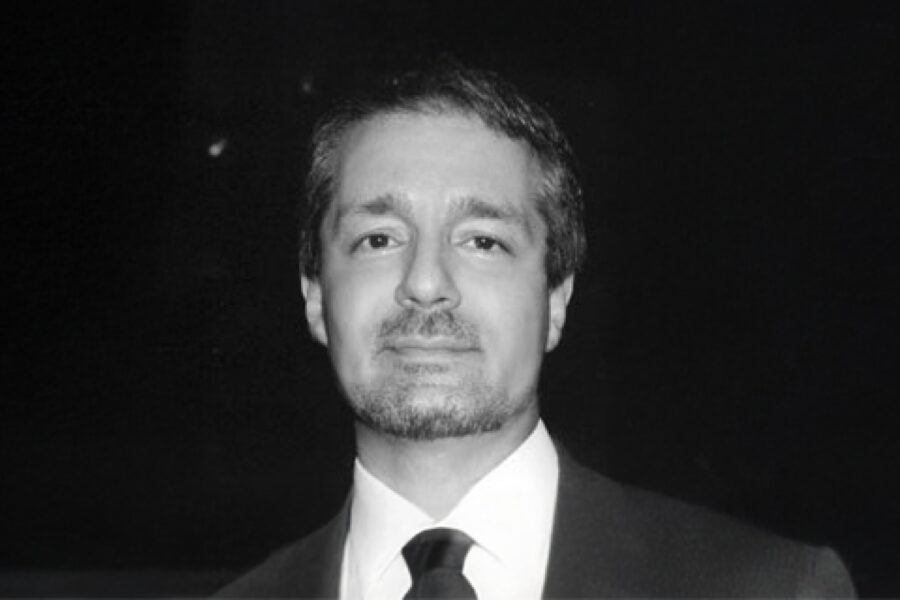
Understanding Sanctuary Cities
Teaching Assistant Professor Michael Izady, Ph.D., led a Dean’s Digital Café conversation about sanctuary cities.
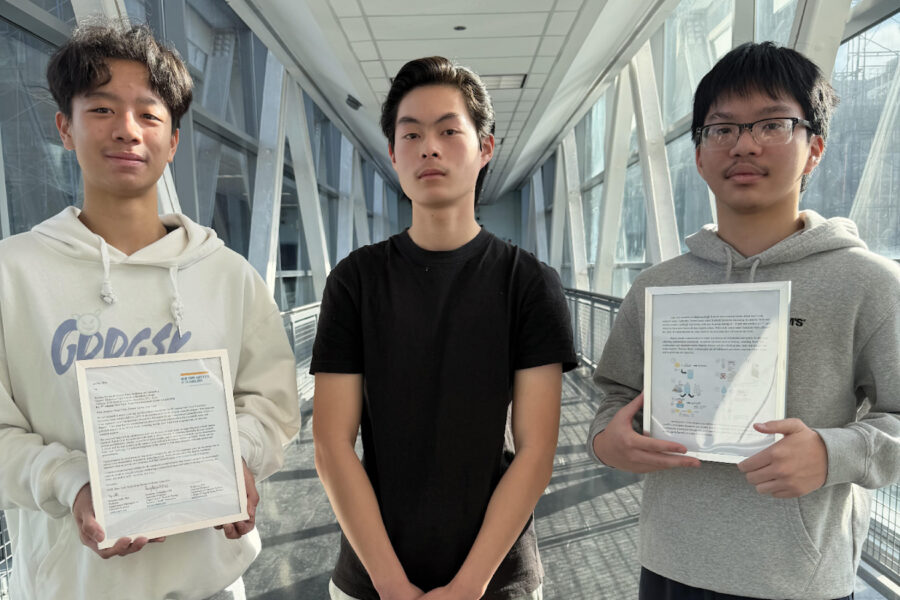
Promoting Early Engagement in Research
New York Tech recently completed the ninth year of its Mini-Research Grants Awards program to encourage high school students to pursue STEM fields.
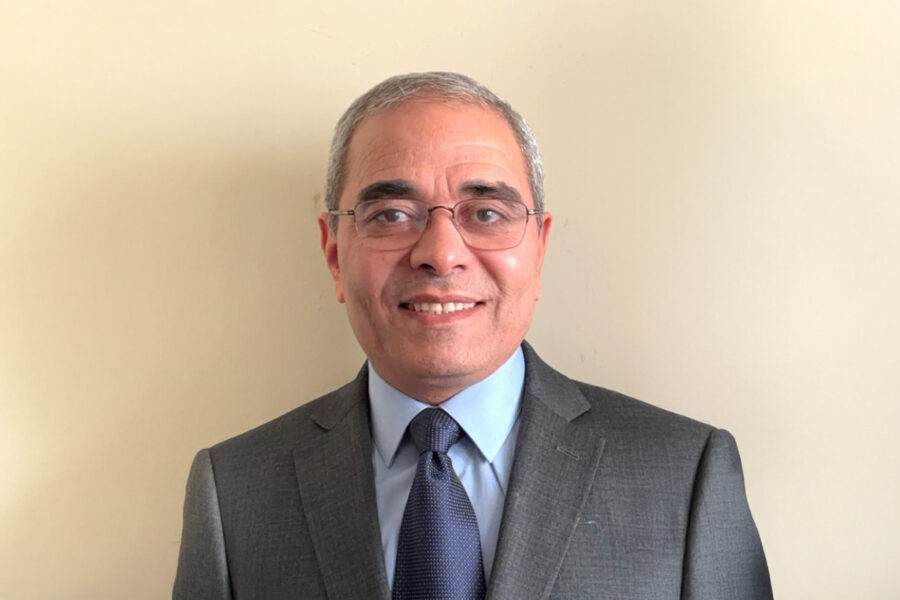
Reversing Bone Loss After Spinal Cord Injury
People with spinal cord injury may lose up to 41 percent of their bone mass in the first year. A new study by the College of Arts and Sciences’ Hesham Tawfeek, MBBCh, seeks to repair this damage.

Uncovering the Body’s Fat-Burning Strategy—It’s Math-Driven!
A new study by an NYITCOM-Arkansas researcher finds that the body calculates which fat to burn, choosing those that produce the most usable energy while consuming the least oxygen.
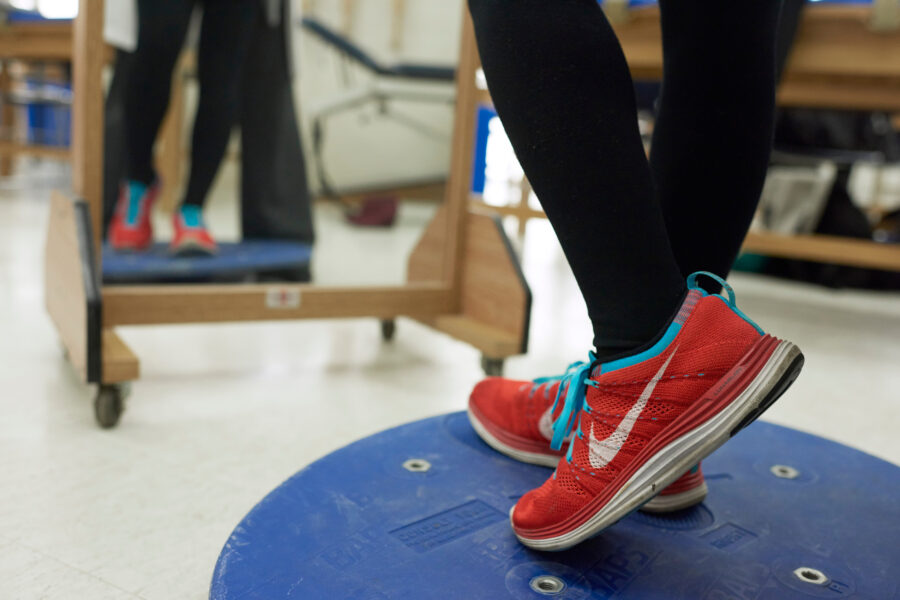
When Rehab Meets Robotics
A study co-authored by John P. Handrakis, D.P.T., Ed.D., and graduates of the physical therapy program finds that a wearable robotic device could help stroke survivors get back on their feet.
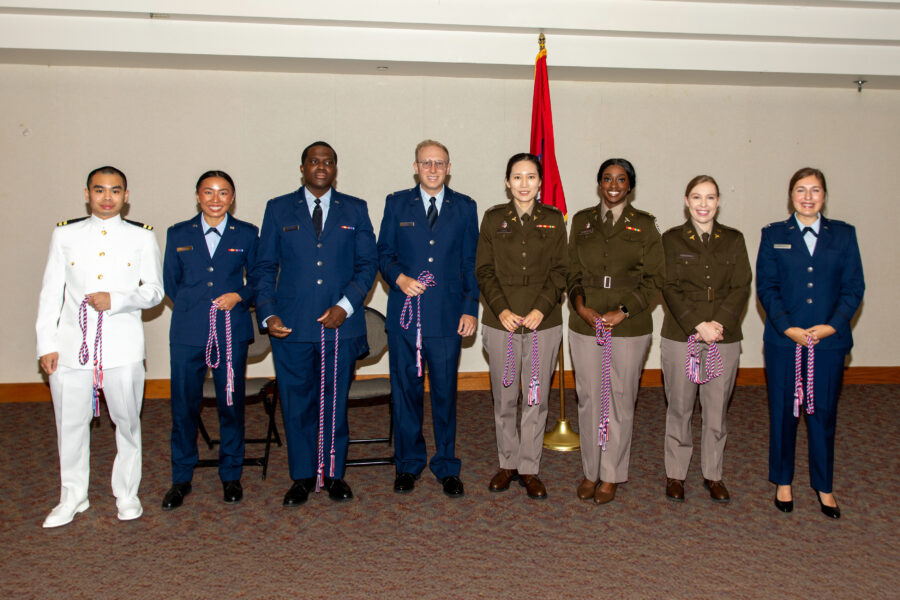
NYITCOM-Arkansas Announces Partnership With SOFtoSOM
NYITCOM-Arkansas has formed an official partnership with Special Operations Forces to School of Medicine (SOFtoSOM), an organization that helps military veterans who are interested in pursuing medical education.