Interior design student Nini Lobzhanidze spent May through August working as a retail studio intern at TPG Architecture in Manhattan—an experience that has only strengthened her desire to pursue a career in the field.

Sourcing materials, maintaining sample libraries, creating 3-D models, drawing with computer-aided design software, and providing design research for client presentations were in her job description, but Lobzhanidze practiced and learned more than technical skills.
“TPG gave me exposure to the collaborative side of practice, where design decisions involve teams, clients, and consultants,” she says, recalling how she was struck by the way design choices are shaped by budgets, lead times, and logistics. “It was eye-opening to see how creativity must negotiate with real-world limitations and how negotiation itself is a form of design thinking.”
Lobzhanidze was attracted to TPG for the opportunity to work on projects that blend creativity with technical precision. She specifically looked forward to understanding how large-scale retail spaces are designed not just for visual appeal, but to function as living environments.
“Good design isn’t just about aesthetics, but about communication systems and how people ultimately use a space,” she states. “Architecture and design have the power to influence people’s behavior and experience.”
Beyond her development in the field during her four months at TPG, Lobzhanidze grew as a person, too. Citing mentorship meetings on licensures and various exams necessary to become a professional, she credits hearing others’ journeys with offering clarity about the path toward a career. Frequent interaction with vendors and suppliers refined the way she communicated with clients. Most notably, she says she learned the importance of adaptability.
“Adaptability is just as important as technical skill,” she reflects. “Whether adjusting a drawing to reflect client feedback or rethinking a material due to availability, flexibility and problem-solving are parts of what make design effective.”
More News
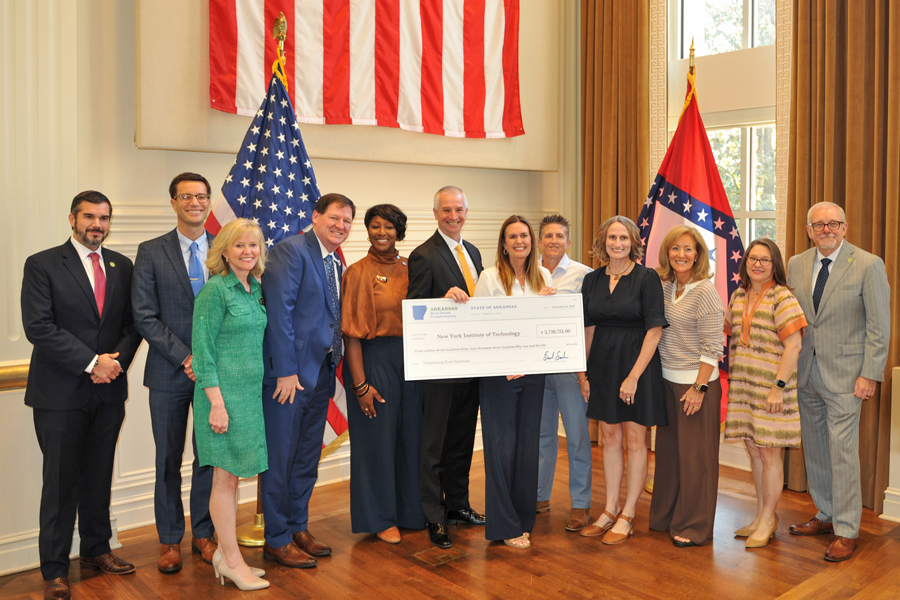
NYITCOM-Arkansas Receives Two Grants for New Residency Program, EMS Training Initiative
Two Rural Health Transformation Project grants, totaling $3.7 million, will support health education programs at the College of Osteopathic Medicine at Arkansas State University (NYITCOM-Arkansas).

Intern Insight: Mansi Santosh Tikam
M.B.A. student Mansi Santosh Tikam spent her summer interning with MetroPlusHealth, where she learned what it means to be a marketing professional.
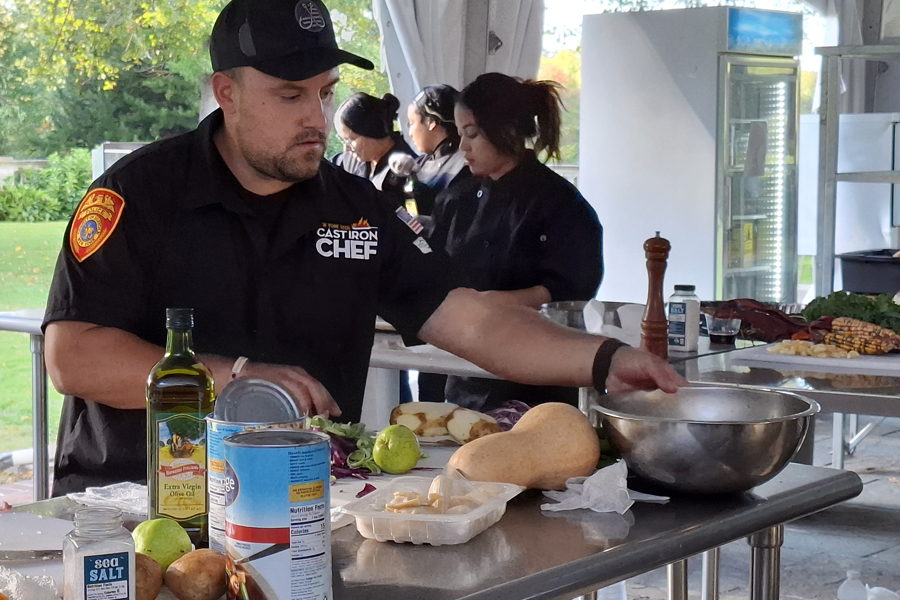
Officers Cook at 12th Annual Cast Iron Chef
This year’s Cast Iron Chef cooking competition welcomed teams of local law enforcement officers for an evening of culinary fun.
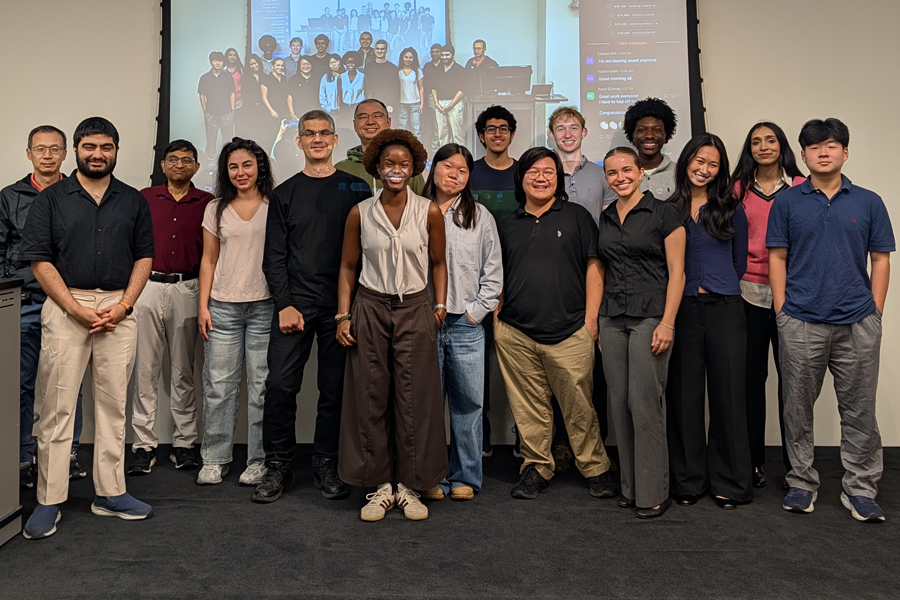
The Domino Effect
New York Tech’s Research Experiences for Undergraduates program has spent more than a decade turning summer research opportunities into lasting careers, helping build the university’s research reputation along the way.
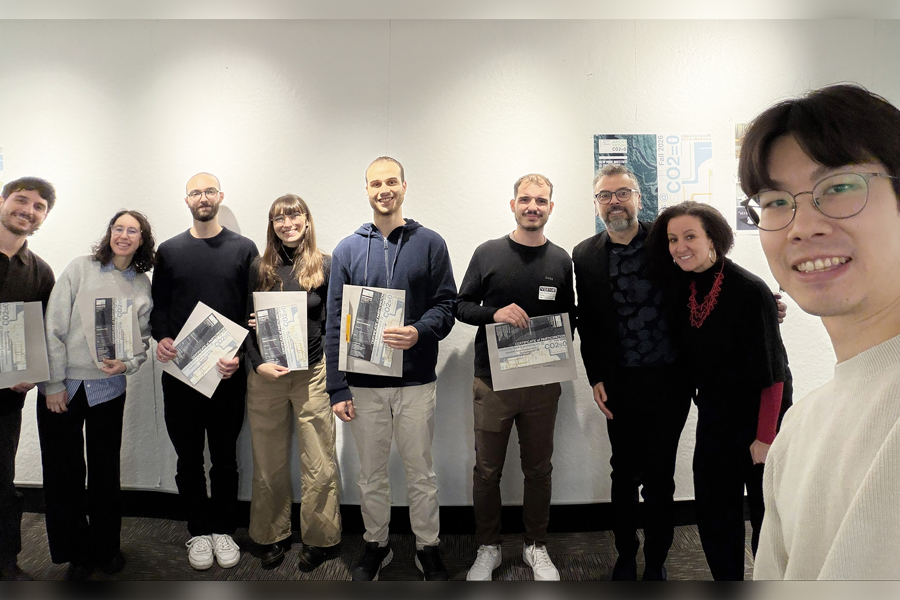
International Collaboration: School of Architecture and Design and IUAV
Graduate architecture students from Università Iuav di Venezia (IUAV) in Venice participated in a week-long atelier on the New York City campus, while School of Architecture and Design students traveled to Venice for a 17-day workshop.
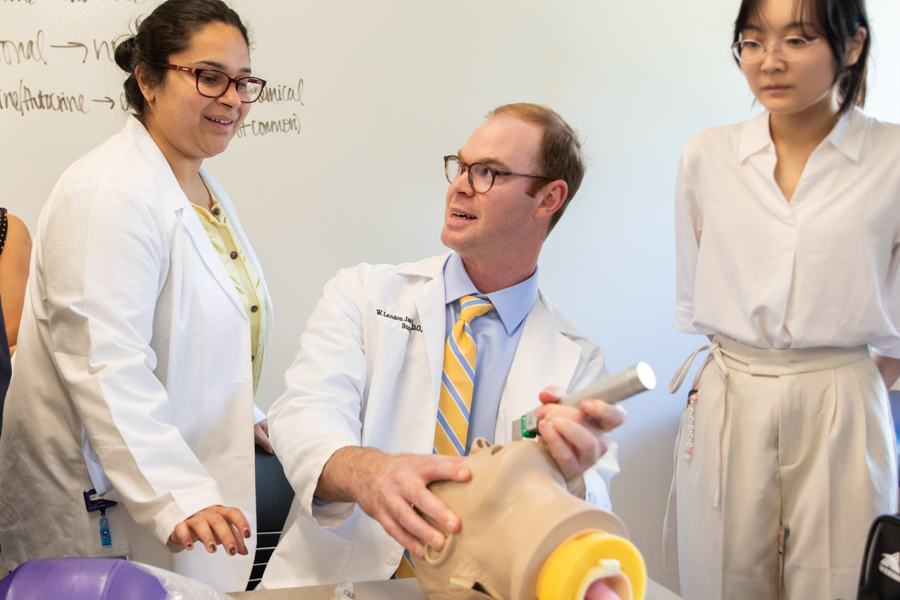
Alumnus Joins NYITCOM-Arkansas Faculty
William “Landon” Jackson, (M.S. ’21, D.O. ’21) has returned to his alma mater to serve as an assistant professor in NYITCOM-Arkansas’ Department of Clinical Sciences.