Interior design student Nini Lobzhanidze spent May through August working as a retail studio intern at TPG Architecture in Manhattan—an experience that has only strengthened her desire to pursue a career in the field.

Sourcing materials, maintaining sample libraries, creating 3-D models, drawing with computer-aided design software, and providing design research for client presentations were in her job description, but Lobzhanidze practiced and learned more than technical skills.
“TPG gave me exposure to the collaborative side of practice, where design decisions involve teams, clients, and consultants,” she says, recalling how she was struck by the way design choices are shaped by budgets, lead times, and logistics. “It was eye-opening to see how creativity must negotiate with real-world limitations and how negotiation itself is a form of design thinking.”
Lobzhanidze was attracted to TPG for the opportunity to work on projects that blend creativity with technical precision. She specifically looked forward to understanding how large-scale retail spaces are designed not just for visual appeal, but to function as living environments.
“Good design isn’t just about aesthetics, but about communication systems and how people ultimately use a space,” she states. “Architecture and design have the power to influence people’s behavior and experience.”
Beyond her development in the field during her four months at TPG, Lobzhanidze grew as a person, too. Citing mentorship meetings on licensures and various exams necessary to become a professional, she credits hearing others’ journeys with offering clarity about the path toward a career. Frequent interaction with vendors and suppliers refined the way she communicated with clients. Most notably, she says she learned the importance of adaptability.
“Adaptability is just as important as technical skill,” she reflects. “Whether adjusting a drawing to reflect client feedback or rethinking a material due to availability, flexibility and problem-solving are parts of what make design effective.”
More News

Not All AI is Built to Diagnose
A new study by researchers at the College of Osteopathic Medicine reveals how general-use AI platforms make serious mistakes when it comes to analyzing medical results.

My Co-op Gig: Engineering Together
For their co-op, friends and electrical and computer engineering classmates Pavan Kanakkassery and Oscar Cruz traveled to Texas twice to electrify a 16-wheeler industrial rig.

New York Tech Celebrates Women’s History Month 2026
Celebrate women and their many accomplishments during Women’s History Month. The university will host a series of events throughout March.

My Co-op Gig: Alisha Karim
Alisha Karim describes her co-op at Northwell Health as a perfect fit, renewing her excitement for a future career in tech.

Understanding Sanctuary Cities
Teaching Assistant Professor Michael Izady, Ph.D., led a Dean’s Digital Café conversation about sanctuary cities.
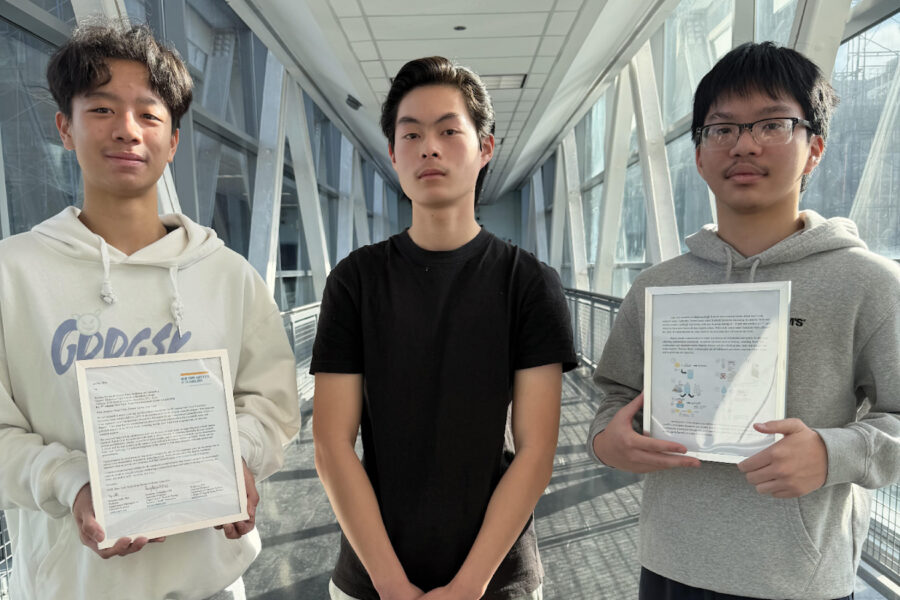
Promoting Early Engagement in Research
New York Tech recently completed the ninth year of its Mini-Research Grants Awards program to encourage high school students to pursue STEM fields.