Feeling Like Herself Again
For Disability Pride Month, Director of HEOP Rachel Morrison, M.S.Ed. (M.S. ’15), talks about the moment she realized she had become disabled, how she struggled to embrace her identity as a person with multiple disabilities, and how ultimately identifying with that title helped her feel like herself again.
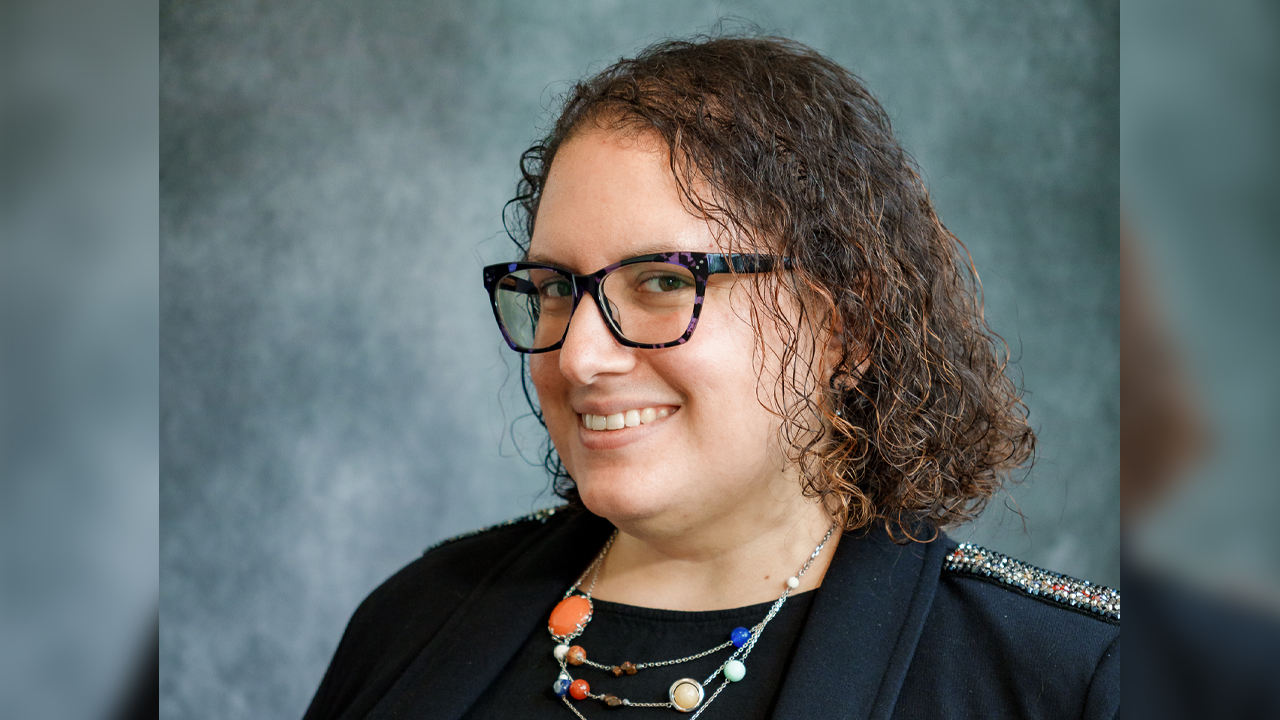
No one ever told me I had become disabled. I had to put those pieces together all on my own. I struggled to understand and embrace my own identity as a person with multiple disabilities, which came with a fair share of disbelief, imposter syndrome, and emotional wrestling.
The first time it dawned on me that I might be disabled was when I caved and bought myself a cane. It’s only a five-minute walk and three flights of stairs up to my subway station to get to work every day, but that short trip had become slower and harder over time. My back would hurt, my legs would feel like lead weights, and my heart would race. My husband urged me to consider a cane for support on bad days. The problem in my mind was that not every day was a bad day, so surely, I just needed to suck it up until I felt better. The final straw was a morning when I realized I was on the verge of tears from the pain. While still sitting on the 1 train, I picked out a foldable cane on Amazon. To convince myself this was a thing to be happy about at the ripe old age of 36, I made sure it was my favorite color: a bright purple.
Mind you, I bought that cane in August of 2023. Meanwhile, I had been diagnosed with fibromyalgia in January of 2022, and the rheumatologist’s guess at the time was that I’d been experiencing symptoms for roughly a decade by that point.
Why did I function in such unmanaged pain and brain fog for so long? Simply put, my primary doctor at the time told me that I was too young to hurt as badly as I was describing. She recommended that I lose weight and exercise more. What I immediately internalized was that I was being overly dramatic, and that other people dealt with the same feelings without complaining.
The second time it dawned on me that I might be disabled was in July of 2024 when I read Nicole Calma-Roddin’s article in New York Tech News. Her willingness to share her story and vulnerability resonated with me a lot, especially in terms of coping with ableist expectations while being differently abled. I’d never heard of Disability Pride Month before and immediately read everything I could find on it. One of those articles included an image of the disability pride flag and detailed the different types of disabilities each color stripe signified: red (physical), gold (neurodiversity), blue (emotional and psychiatric), green (sensory), and white (undiagnosed and invisible). One way or another, I fit into each and every category. There was no denying it—I was disabled.
There is a degree of control and confidence that I regained when I started being able to say out loud that I am a disabled person. I began embracing assistive devices. I no longer feel guilty opting to use elevators instead of stairs when I hurt, am lightheaded, or have low energy. I get excited when I find new products that will help me, like sneakers that zip completely open so I don’t need to bend for long and fashionable compression sock options. With my husband’s encouragement, I started using ADA assistance in airports, and it has literally improved my stamina exponentially for travel .
Since most of my conditions are considered chronic, I will be disabled for the rest of my life. Being able to identify with that title has been key to feeling more like myself again. I used to mourn that I’d lost the life I had before getting sick. Now I enjoy the person I am, even if I need an accommodation or two to get through the day.
More News
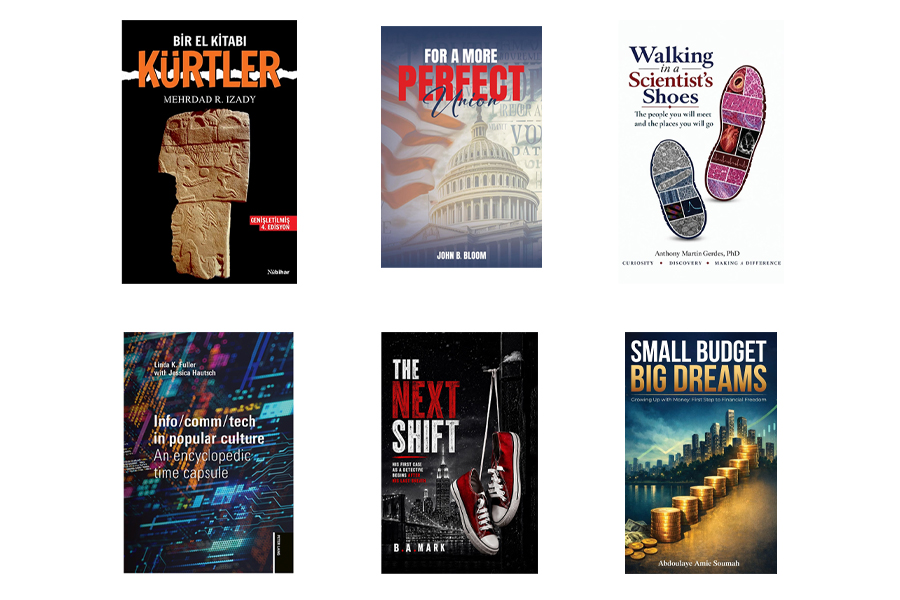
Faculty and Alumni Publish New Books
New publications from members of the New York Tech community explore topics and interests across the fiction and nonfiction genres.
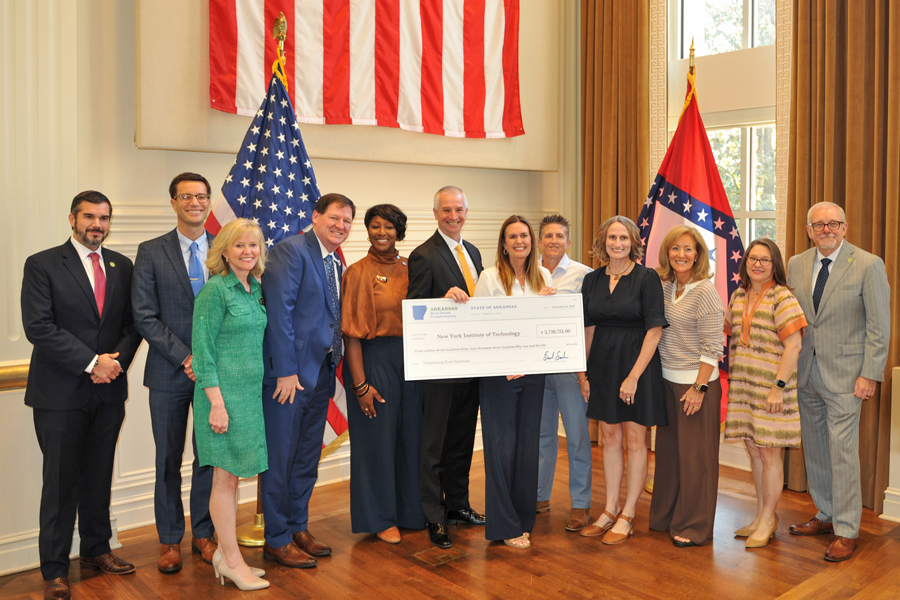
NYITCOM-Arkansas Receives Two Grants for New Residency Program, EMS Training Initiative
Two Rural Health Transformation Project grants, totaling $3.7 million, will support health education programs at the College of Osteopathic Medicine at Arkansas State University (NYITCOM-Arkansas).
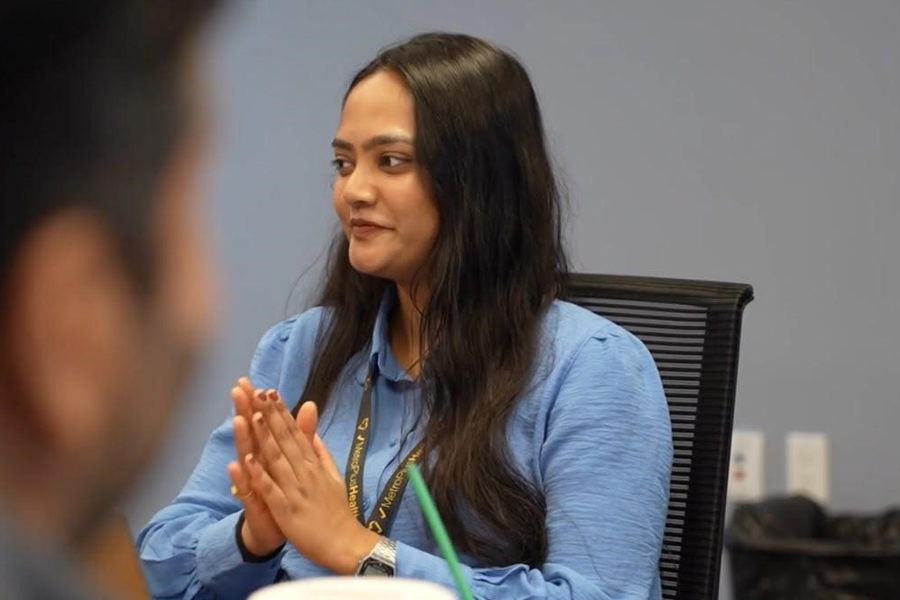
Intern Insight: Mansi Santosh Tikam
M.B.A. student Mansi Santosh Tikam spent her summer interning with MetroPlusHealth, where she learned what it means to be a marketing professional.
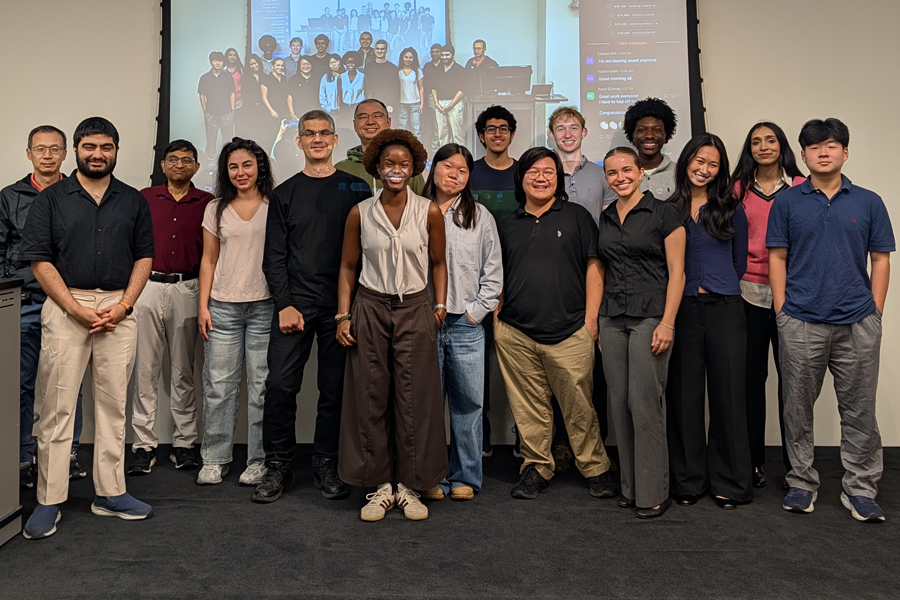
The Domino Effect
New York Tech’s Research Experiences for Undergraduates program has spent more than a decade turning summer research opportunities into lasting careers, helping build the university’s research reputation along the way.
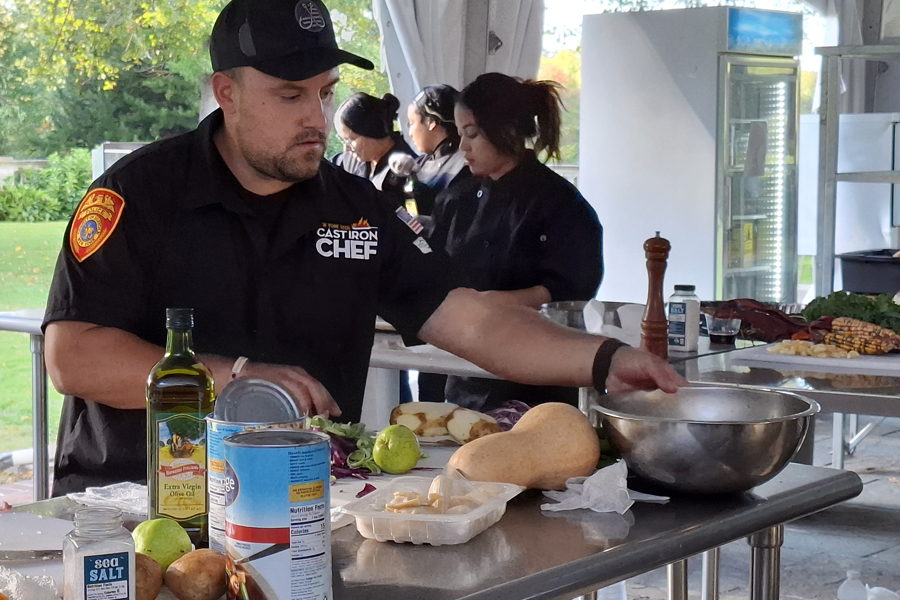
Officers Cook at 12th Annual Cast Iron Chef
This year’s Cast Iron Chef cooking competition welcomed teams of local law enforcement officers for an evening of culinary fun.
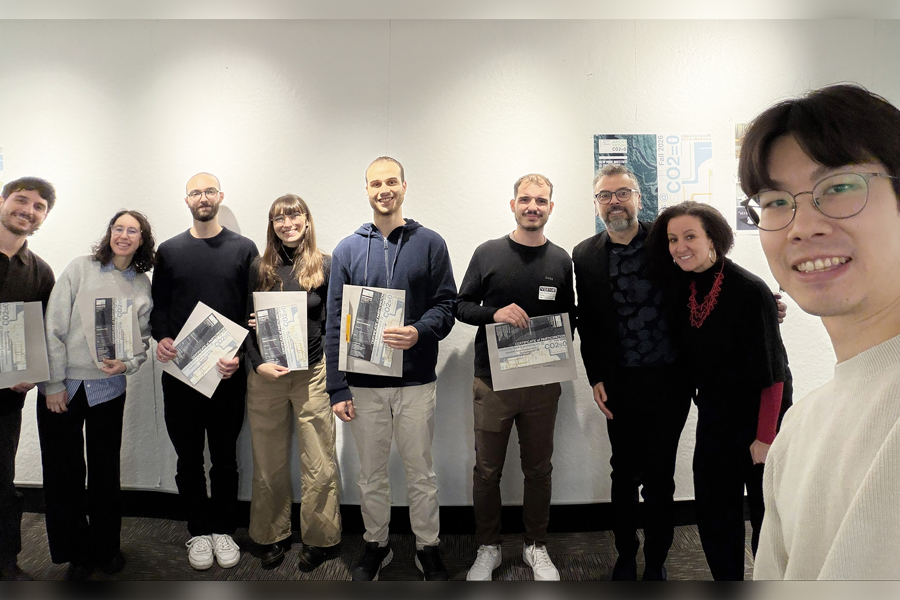
International Collaboration: School of Architecture and Design and IUAV
Graduate architecture students from Università Iuav di Venezia (IUAV) in Venice participated in a week-long atelier on the New York City campus, while School of Architecture and Design students traveled to Venice for a 17-day workshop.