Cybersecurity Graduate Students Rank 25th in MITRE’s eCTF 2025 Competition
A team of 10 graduate cybersecurity students from New York Tech’s Vancouver campus earned the 25th spot in MITRE’s 2025 Embedded Capture the Flag (eCTF) competition. In their first-ever appearance at the event, the team ranked in the top tier among nearly 140 teams from universities and schools around the world.
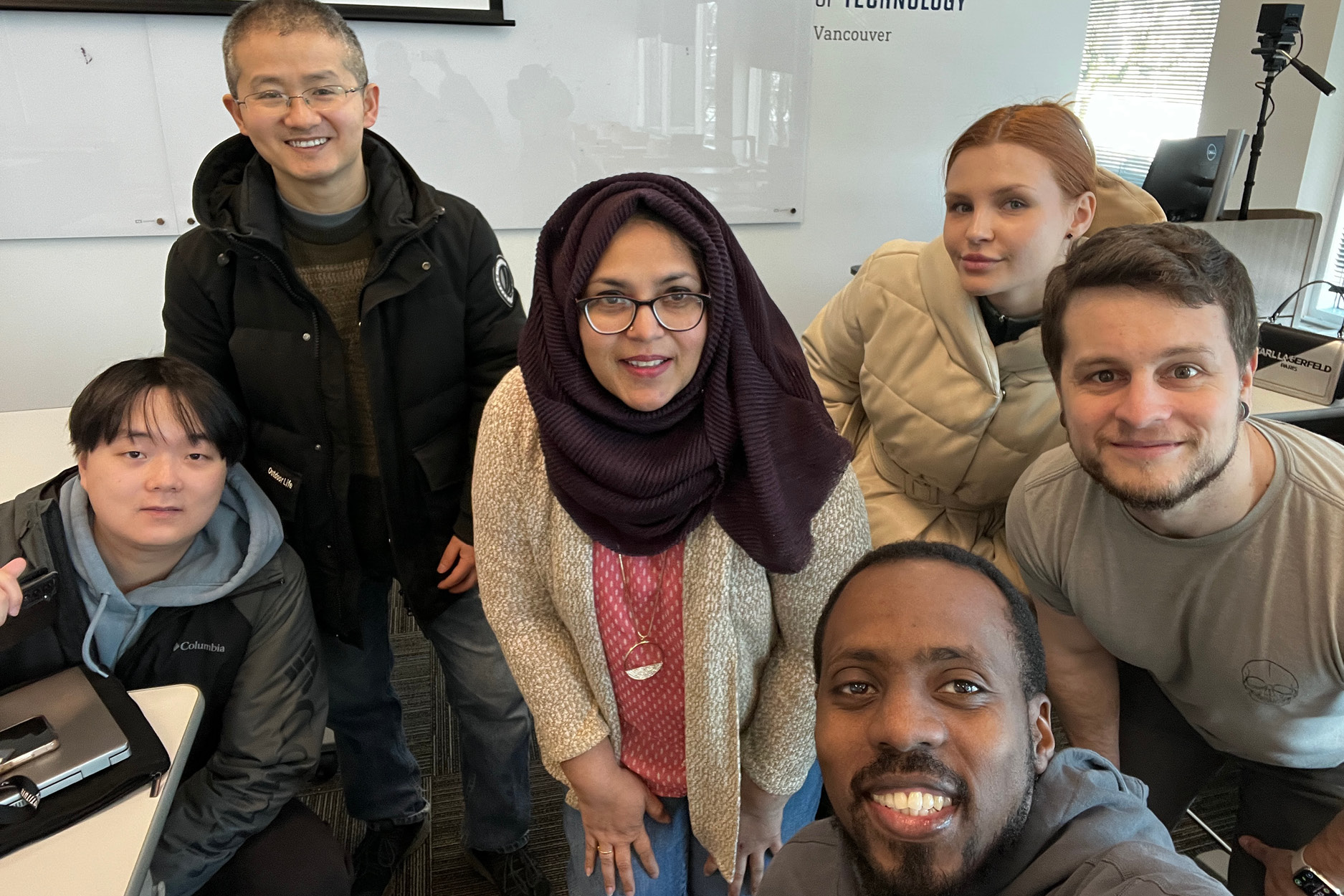
This year marks the 10th anniversary of the eCTF, which attracted more than 1,200 students representing 123 institutions from 17 countries. The three-month competition took place in two phases. In the design phase, teams design and implement a secure embedded system. In the attack phase, they attempt to identify and exploit vulnerabilities in systems developed by other teams.
For this competition, the teams were tasked with designing and implementing a satellite TV system solution. The system needed to encode and decode satellite TV data streams securely while protecting against unauthorized access to protected channels.
Under the guidance of faculty advisor Umme Zakia, Ph.D., the students dedicated two months to designing and implementing their system, followed by one month focused on attacking other teams’ systems.
“This was New York Tech’s first time competing in eCTF, and to rank 25th worldwide is an extraordinary achievement,” says Zakia. “Our students tackled a steep learning curve and came away with a much deeper understanding of embedded systems security.”
During the attack phase, the New York Tech team showcased their technical strength by uncovering vulnerabilities in several other teams’ systems. Simultaneously, they successfully defended their own robust design against a wave of persistent attacks from competitors.
Team captain Chuan-En Hou describes the experience as both challenging and rewarding.
“As first-time participants, we didn’t know where to start. But once we got into it, we realized how valuable and exciting this hands-on experience was. We learned more in two months than we could have in an entire semester.”
Adds team member Charoes Huang, “During the attack phase, I felt empowered to work day and night to uncover weaknesses in other teams’ designs. I managed to capture 22 flags in a single day—it was an incredible feeling. I truly enjoyed the entire experience.”
The team’s remarkable performance marks a significant milestone for New York Tech’s growing focus on applied cybersecurity education, particularly in embedded systems. The university recently expanded its programs to include specialized training in embedded systems security.
“Reaching the top 25 on our first attempt shows that we have the talent and determination to go even further,” Zakia says. “We’re already planning to participate again next year. Recruitment for the 2026 NYIT eCTF team is underway, and we’re aiming for an even better result.”
MITRE’s eCTF offers students real-world embedded security challenges across critical sectors, such as automotive systems, medical devices, and communications infrastructure. It is a not-for-profit organization that operates research and development centers sponsored by the U.S. federal government. MITRE works with industry and academia to apply science, technology, and systems engineering that enables the government and the private sector to make better decisions.
More News
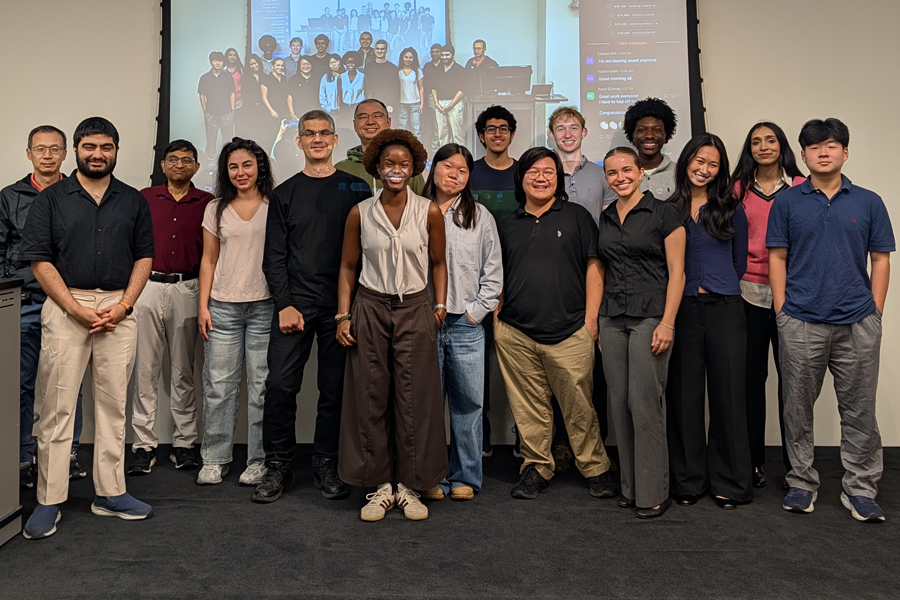
The Domino Effect
New York Tech’s Research Experiences for Undergraduates program has spent more than a decade turning summer research opportunities into lasting careers, helping build the university’s research reputation along the way.

My Co-op Gig: Asghar Kazmi
Computer science student Asghar Kazmi worked for five months at GE Appliances—an experience he says aligned perfectly with his career goals.
New York Tech To Be Ranked Among National Universities
For the 2027 U.S. News & World Report annual rankings, New York Tech will be included in a new ranking category—National Universities.
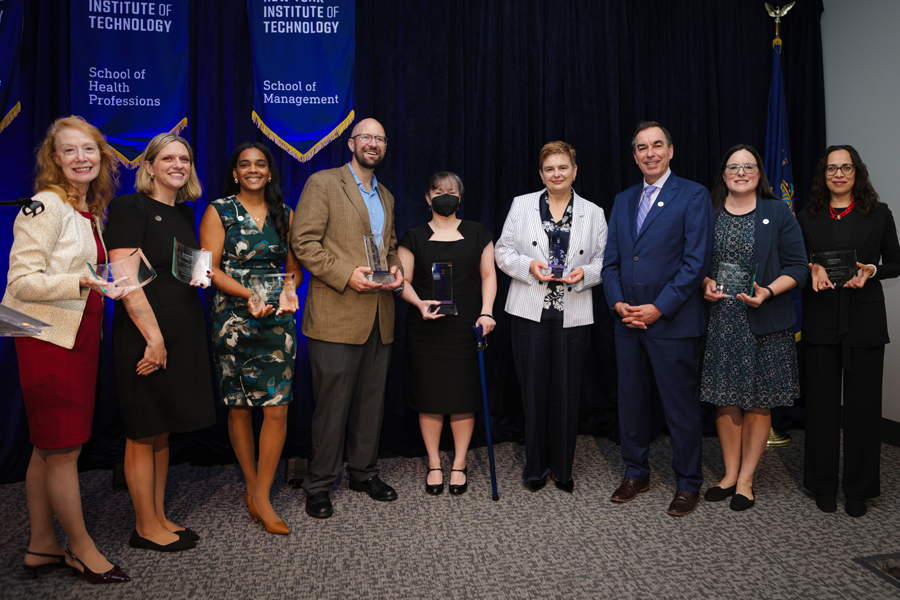
Convocation 2026: Success in a Time of Change
At the annual faculty and staff convocation, New York Tech President Jerry Balentine reflected on the accomplishments over the past year and presented his vision for the future.
Robust Research
New York Tech’s commitment to research paves the way for important and groundbreaking work. Meet three Ph.D. students whose work may improve disaster response, recovery after muscle and bone injuries, and anticancer therapies.

A Passion for Games, a Vision for Business
College of Engineering and Computing Sciences student Cody Ortiz helps his father run a florist shop, an endeavor that inspired him to become an entrepreneur, too.