A Warm Welcome on a Service-Learning Trip to Ghana
College of Osteopathic Medicine (NYITCOM) students Josena Joseph and Alaina M. Mitchell—studying on the Long Island and Jonesboro locations, respectively—reflect on their service-learning trip to Ghana, where they learned about medicine and the true meaning of being invited.
When reflecting on our time in Ghana, the impression left was not solely based on the patients or procedures. We recall feeling invited. At every turn, we were welcomed not only into clinics but into a culture grounded in sincerity, trust, and communal learning. That invitation didn’t just facilitate growth—it transformed. One of the most unexpected gifts of this rotation was how learning was shared. In Ghana, it wasn’t competitive. It was collaborative. We were challenged, guided, and gradually trusted to lead—not because we had mastered the material, but because someone believed we could. That belief can change self-perception. The nurses and doctors didn’t simply tolerate us as student doctors. They made space. They expected us to speak up and, surprisingly, they cared about what we had to say. That quiet expectation built confidence more than any formal setting ever had. The physicians we encountered left an indelible mark, planting seeds that will cultivate our careers.
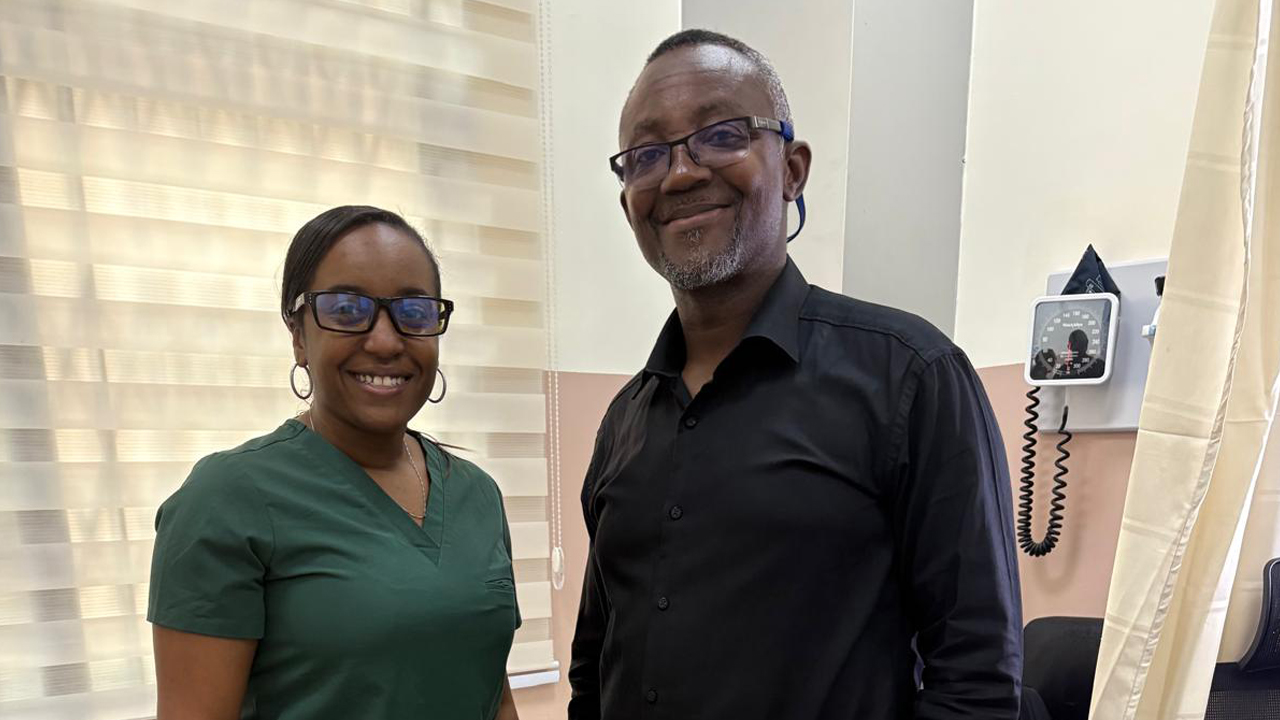
Self-reflection begets awareness and influences the depth of one’s own understanding. Almost every evening for two weeks, the students and professors described what interactions of the day resonated with them. It was fascinating to move past what we’d seen and dissect the layers of an experience that usually led to varied perspectives. Though we may have physically been present at the same event, our interpretations of what we felt was important. Observing the cleverness of the Ghanaian medical staff when met with limited resources or how to package knowledge in a digestible form for their patient, no matter the background, was illuminating. When like-minded individuals confer their backgrounds, life experiences, and self-reflections, it leads to innovative ways to approach problems that can be applied to patient care and improve outcomes. In Ghana, it was care delivered with thoughtfulness, creativity, and deep community grounding. There, the smallest missed detail could have major consequences. That immediacy and realness pushed us into a deeper kind of learning. We weren’t studying for exams. We were studying for someone’s life.
One of the most difficult aspects of this experience was the reality of healthcare disparities. We saw patients with conditions that would have been managed, or prevented, in the United States. Clinicians made critical decisions not based solely on what was best, but on what was available. It taught us that medicine doesn’t begin and end with equipment and resources. It also challenged us to question what simple resources we take for granted that can be utilized to manage patient care efficiently. In one location, patients were unaware of when they had last taken a prescribed medication. Dr. Isabela Romao (assistant professor of clinical specialties at NYITCOM) asserted that pill boxes could be a valuable tool not only for the patient but their caregiver, ensuring medications were taken appropriately; a simple solution that is commonplace here but one with far-reaching implications abroad.
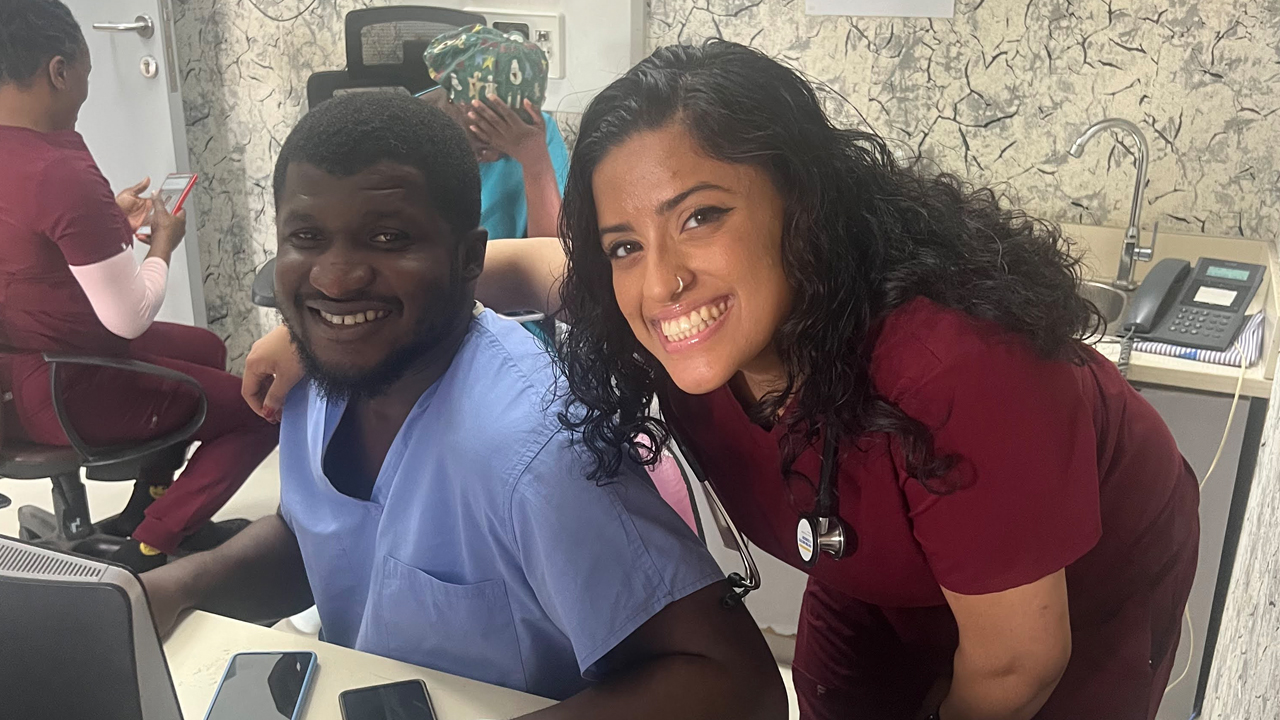
One week into our rotation, we weren’t just shadowing. For this single moment in time, we existed in an environment where we became part of the care team. We were taking patients’ full histories. Abstract conditions became real through the faces and stories of those we cared for. We became witnesses to their journeys. We grieved losses and welcomed new lives. Some students presented during rounds and synthesized care plans. Being asked challenging questions that pushed us beyond memorization to meaning. And every time we offered a little more of ourselves—more curiosity, more compassion, more effort—it was met with even more generosity from those around us. And so, we keep returning to this word: invited, or Akwaba, which means welcome in the Ghanian language.
Here at home, opportunity often feels conditional, like something you earn after proving yourself again and again. In Ghana, we found community everywhere—with the people we worked with, learned from, and lived alongside. We weren’t included out of convenience. We were deliberately welcomed.
It is a reminder that the most powerful way to serve is first to allow yourself to receive. To listen. To be humbled.
And to realize your voice can matter, too.
More News
Not All AI is Built to Diagnose
A new study by researchers at the College of Osteopathic Medicine reveals how general-use AI platforms make serious mistakes when it comes to analyzing medical results.
Uncovering the Body’s Fat-Burning Strategy—It’s Math-Driven!
A new study by an NYITCOM-Arkansas researcher finds that the body calculates which fat to burn, choosing those that produce the most usable energy while consuming the least oxygen.
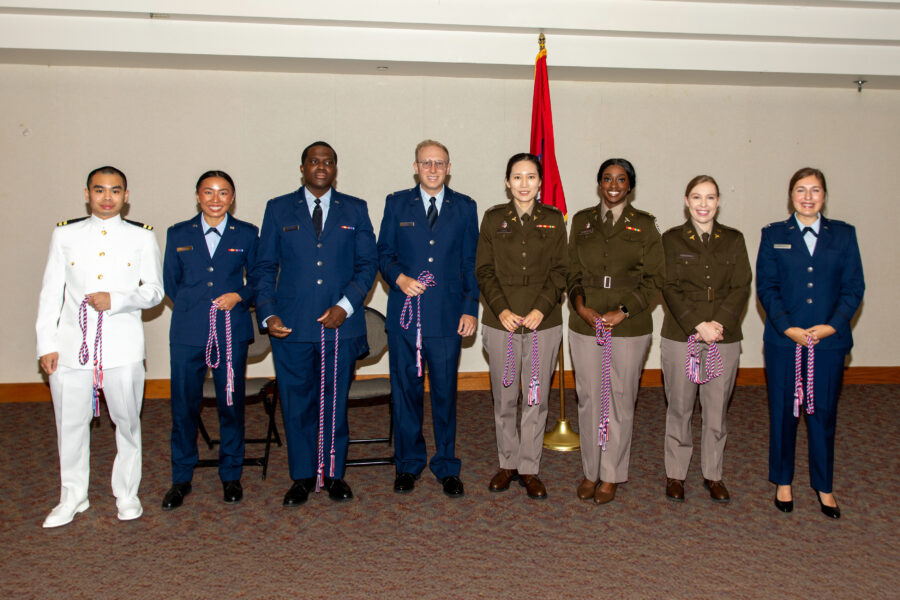
NYITCOM-Arkansas Announces Partnership With SOFtoSOM
NYITCOM-Arkansas has formed an official partnership with Special Operations Forces to School of Medicine (SOFtoSOM), an organization that helps military veterans who are interested in pursuing medical education.
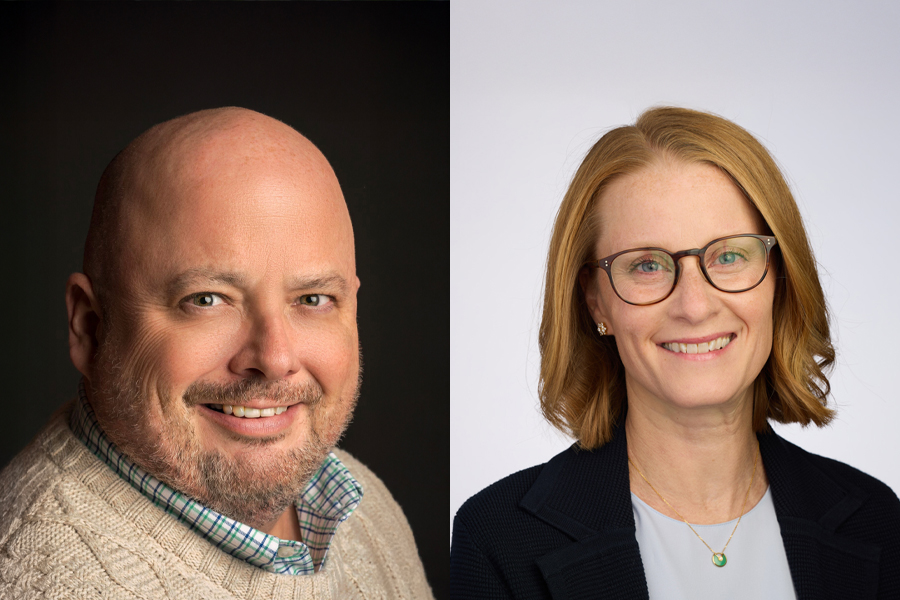
Additional Alumni Named to Board of Trustees
Two New York Institute of Technology alumni have been named to the Board of Trustees, the most recent alumni to join the university’s governing board.
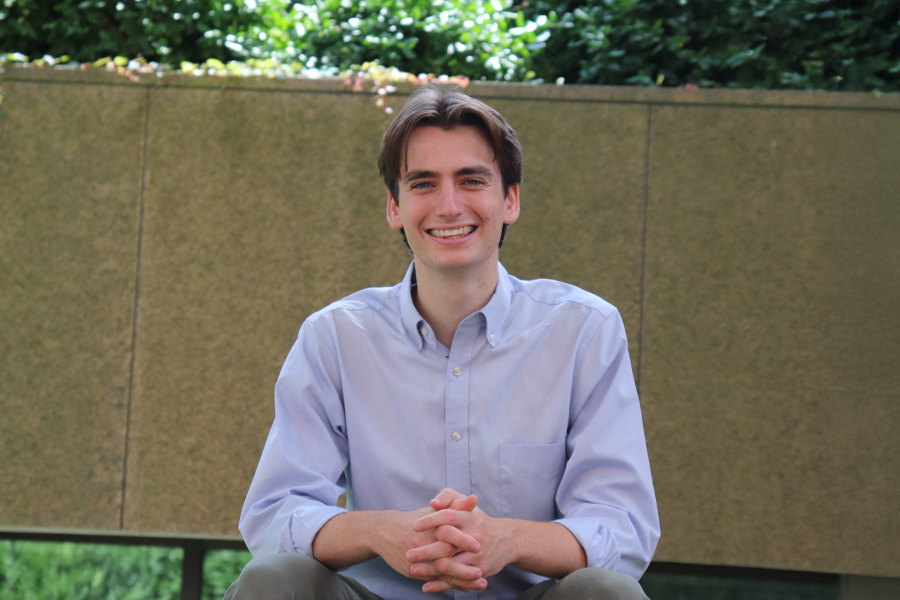
Finding His Balance
Noah Hoonhout’s piece about navigating life as a medical student was published to a Substack with more than 100,000 readers.
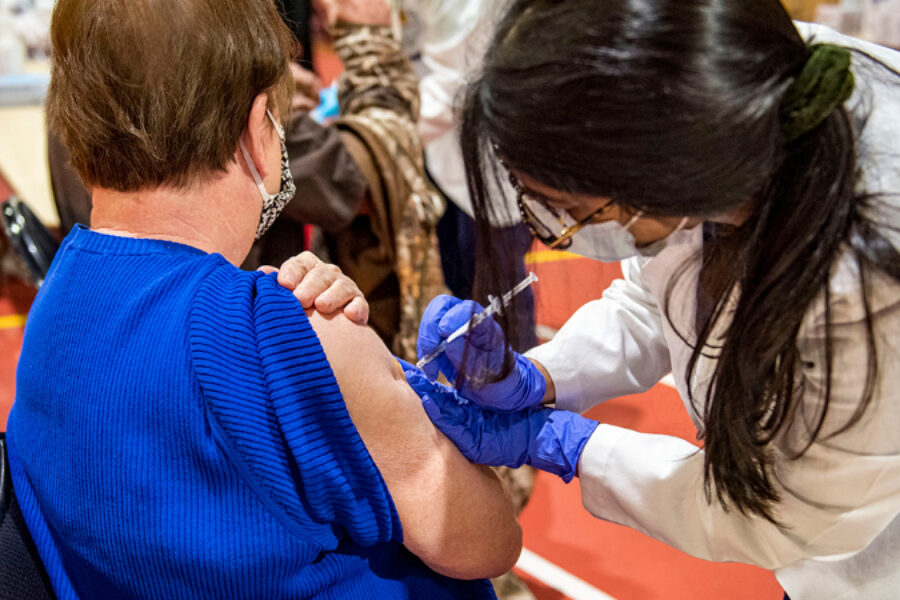
Physician Responds to CDC Vaccine Schedule Changes
Family medicine physician Shane Speights, D.O., site dean for NYITCOM-Arkansas, weighs in on the new recommendations.