A Solid Foundation for Success
For Elizabeth Pacheco, AIA (B.S. ’86), a passion for drawing led to a longstanding career as an architect.
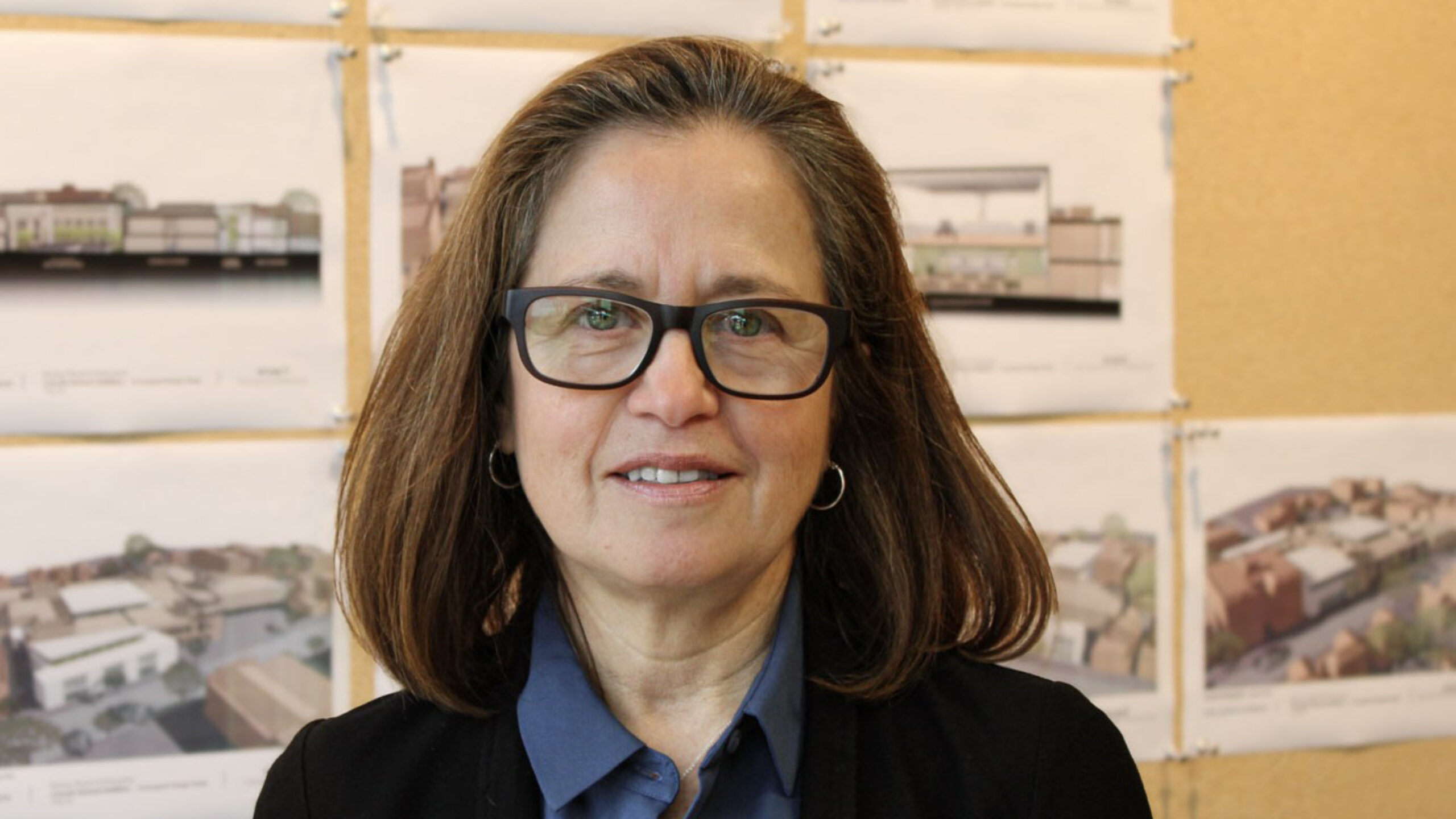
“In high school, I loved to draw cartoons, and I excelled in math,” recalls Pacheco, a principal with the firm Fallon+Pacheco Architects in Bloomfield, N.J., which she owns with her husband, John. She thought she’d become a cartoonist, but a high school counselor dissuaded her. “She said, ‘No, you can’t do that; you’re not going to make any money. Why don’t you become an architect?’”
Pacheco, who moved with her family to the United States from Colombia when she was 12, admitted she’d never considered that career path. “I didn’t even know back then that I could be an architect,” she says. “My parents didn’t go to college. They just said, ‘You should go to college.’”
Once she spoke with her parents, and they agreed that architecture would be a good path for her, Pacheco began looking at colleges. “My family lived in Queens. I wanted to commute. That’s one of the reasons I liked New York Tech,” she says. Beyond the proximity to her home, New York Tech’s New York City campus presented a wealth of opportunities.
“Manhattan was my campus,” she says fondly. “I really took advantage of that. I was always in Central Park or going to lectures or museums. I fell in love with the city, and I am still in love with it.”
Pacheco credits New York Tech with instilling in her a lifelong curiosity. “I feel I got a well-rounded education, from philosophy to structures and design. Of course, the design was all done by hand back then; there were no computers.” She remembers one of her professors offering advice that remains with her: “He said we didn’t need to know everything, but we needed to know where to look for an answer to a problem. He said to go to the library, look at zoning books and architecture contracts,” Pacheco says. “I learned how to do research and started loving it. That was valuable for me.”
Building a Career Foundation
Upon graduation, Pacheco was ready to apply what she had learned at New York Tech to her career. She began at a small firm, where she honed her drafting skills. After a year, she joined Perkins&Will in New York. During her five years there, the firm grew from a handful of employees to approximately 300. “I got to see this growth and get involved with different areas of projects,” Pacheco says.
When she felt ready to take on leadership roles, Pacheco joined Perkins Eastman, a large global firm. “It was incredible,” Pacheco says of her 10 years with Perkins Eastman. “I started to run my own projects. I did a lot of pro-bono work, which was great for me. I learned that establishing relationships with clients was very important.”
Her husband, John, who she met at Perkins&Will, had started his own architecture firm in 1991. In 2001, he asked Pacheco to join him. The collaboration works, she says, because “we have different strengths and weaknesses, and we complement each other.”
At their firm, Fallon and Pacheco focus on projects for K-12 schools, higher education, and medical research labs, emphasizing spaces that are functional while respecting natural elements and historic details. One example is the creative arts and technology program center at Bloomfield College in New Jersey. The architects combined three separate buildings with varying floor heights into a cohesive space with plenty of natural light. While accommodating the diverse offerings within the facility, they also had to be respectful of the historic interior of one of the buidings. The architects used a “green facade” (in which greenery covers most of the exterior wall) for a time-honored look that unites the structures. Inside, wide corridors and skylights brighten spaces and encourage the use of natural light whenever possible. For their work, Fallon+Pacheco received a proclamation for excellence in design and preservation from the Township of Bloomfield.
Respect for Heritage
Because I lived in Colombia for 12 years, I’ve always been concerned about conservation and the environment,” Pacheco says. She credits her experiences in the sustainability-conscious country with her desire to conserve water, electricity, and other resources in her projects. She and John became certified passive house designers, and they look forward to building a passive house school one day. “The passive house movement started in Germany. It’s very intensive construction-wise,” Pacheco explains. “It involves a tight, energy-efficient envelope, filtered fresh air, and healthier interiors.”
Emerging technologies like the passive house movement can help architects focus even more on building with the environment in mind, Pacheco believes. “I think architects are needed in public health,” she says. “I see a connection between the two, people’s health and buildings, and I intend to continue focusing on that.” The architects plan to renovate a house they own in the Catskills to passive house standards and incorporate what they learn into future projects within their firm.
Pacheco strives to use her background to motivate others. She was honored to be part of the 2026 book Latinas in Architecture, Vol III: Stories of Raising the 1% One Latina at a Time. The book series was developed by Arquitina, an organization that encourages Latinas to study and become licensed architects. “Writing my story was very vulnerable but very liberating,” she says. She also mentors young women through Arquitina.
Having supportive teachers and mentors is an important part of increasing the number of Latinas in architecture, she believes. “I had at least three professors at New York Tech who were very supportive of me,” she remembers. “At my second and third jobs, I found mentors—it’s interesting because they were male mentors, there weren’t many female architects back then—who believed in me. And it’s important for me now to give back. It’s such a good feeling to see young women saying, ‘Yes, I’m going to get licensed.’”
Recently, Pacheco attended two speed mentoring events at New York Tech. “I was so proud of the women I met,” she recalls. “Their portfolios were beautiful. These young women are amazing.”
The Joy of Creating
She may no longer draw designs only by hand, but Pacheco continues to enjoy the creative process of architecture. She eschews artificial intelligence (at least for now), preferring to process ideas and concepts herself. “I always picture myself walking into a client’s building and thinking about what I can give them. And then you see something built. It’s like magic,” she says.
By Diane DiPiero
More News
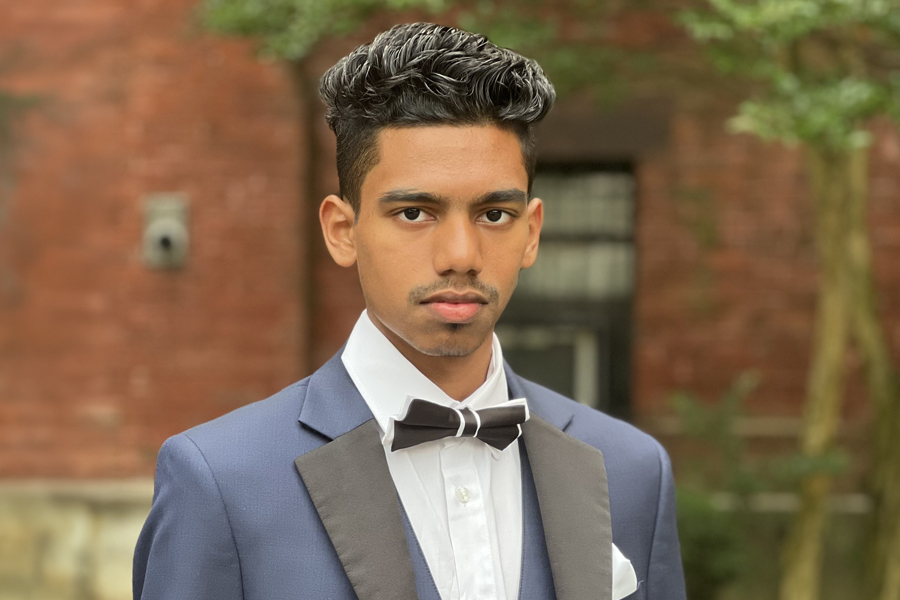
A Head Start in Architecture
Architecture student Satish Doobay’s ongoing internship with an alumna’s firm is helping prepare him for a future in the field.
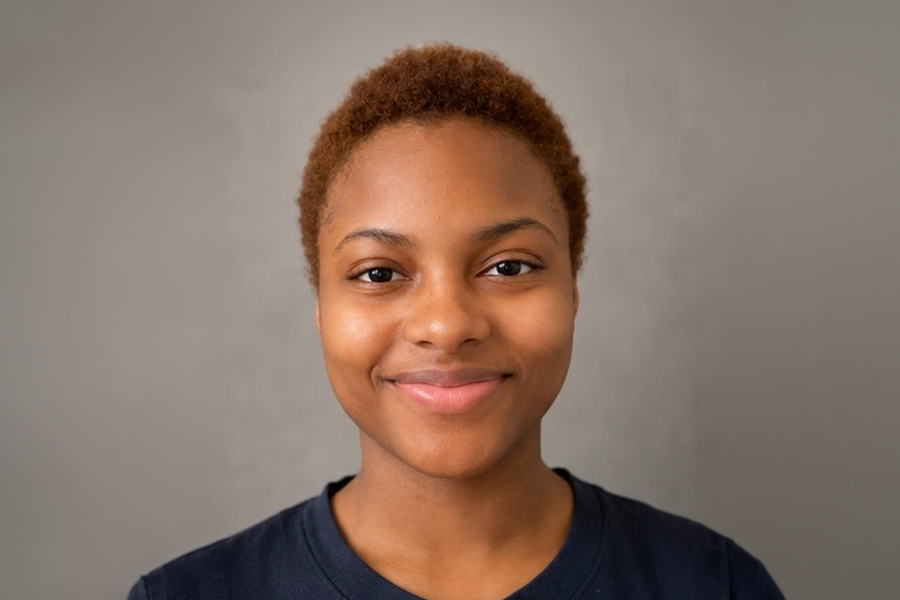
Natural Talent
Future architect and Honors College student Ayodele Washington’s interests lie in sustainability, and she intends to design and develop buildings that are better not only for humans but for the planet.
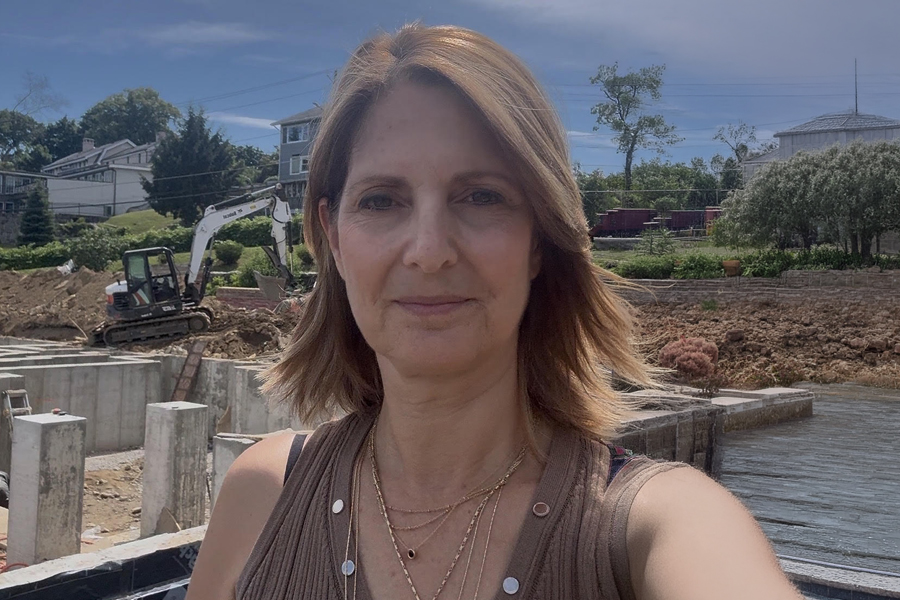
A Lifelong Learner
Adjunct Instructor of Architecture Efrat Nizan (B.Arch.’ 98) looks ahead to new lessons—for herself and her students.

Fulbright Scholar Traces Her Roots
Emmy award-winner and Fulbright Senior Scholar Vanessa Botelho (B.F.A. ’95) is writing a historical memoir about Anglo-Indian identity.

Restoring the City
Anita Konfederak (B.Arch. ’85) has spent her career protecting New York City’s skyline.
Designing for Well-Being
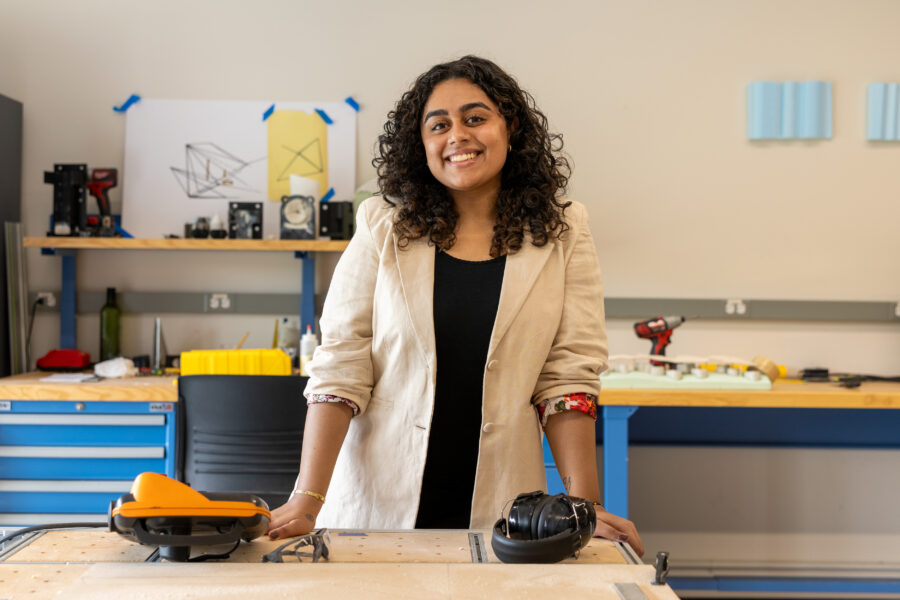
After earning a degree in interior design, Daisy Madaan (B.F.A. ’25) became fascinated by the ways design can influence healthcare environments. As a graduate student, she is focusing her research on designing supportive spaces for neurodivergent individuals.