A Collaboration Across Continents
In between completing his undergraduate studies at the University at Buffalo and beginning his first year at the College of Osteopathic Medicine (NYITCOM), Dongchan (Alex) Lee wanted to gain hands-on research experience in data science and medicine while he was home in Busan, South Korea.
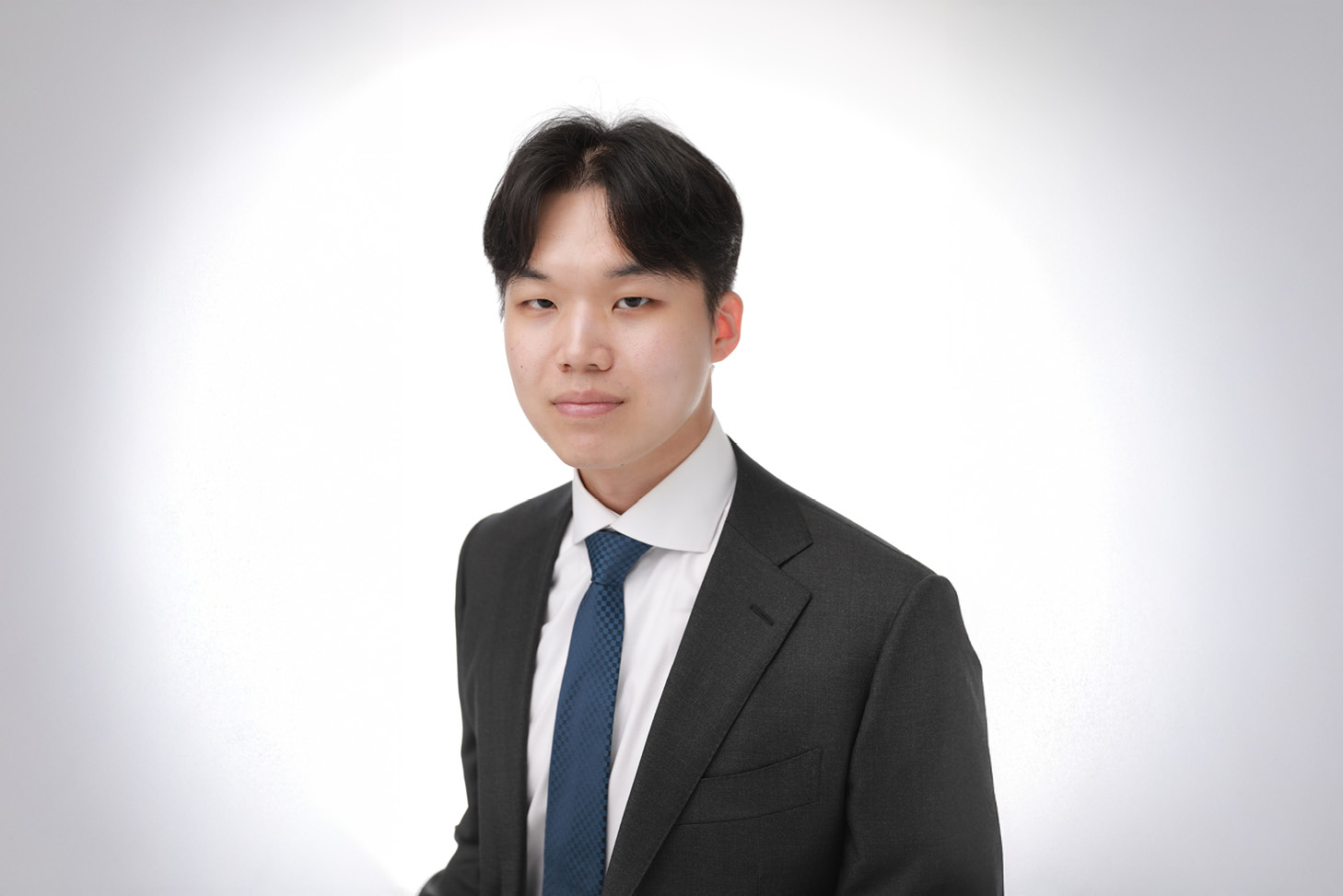
So, he connected with faculty at Dong-A University and accepted an offer to partake in what became a collaboration across continents.
“When I was younger, I wanted to become something like a robotics scientist, but I always knew I wanted to help people in a meaningful way,” says Lee, whose father works as an interventional cardiologist and largely influenced his decision to pursue medicine. “Growing up in a medical household, I gradually realized that medicine perfectly aligned with my personality and values.”
Working with the Dong-A researchers provided Lee a twofold opportunity: He could perform academic work that matched his core beliefs while contributing to a globally relevant topic. Using extensive nutritional and mental health datasets from the U.S. Centers for Disease Control and Prevention’s National Health and Nutrition Examination Survey (NHANES) and the Korea National Health and Nutrition Examination Survey (KNHANES), the team sought to address the rise in those suffering from depression in the United States and South Korea.
The scholars analyzed seven minerals (sodium, potassium, phosphorus, magnesium, iron, zinc, and calcium) to explore possible links between mineral intake and depression, building on existing studies suggesting that nutrient deficiency may contribute to developing depression.
While most of the research was conducted in South Korea, it soon became a long-distance endeavor as Lee returned to the United States to attend NYITCOM. The team coordinated final revisions and analyses online and successfully drew their conclusions. Their findings revealed associations between mineral intake and depression.
“By showing that adequate mineral intake, especially potassium, iron, and zinc, may protect against depression, our findings highlight the importance of diet as a potential preventive and therapeutic factor in mental health care,” Lee explains, adding that their study contributes valuable evidence to the growing, worldwide recognition that mental health isn’t only psychological but also strongly influenced by nutrition.
Lee’s computer science background—he holds a bachelor’s degree in biological sciences with a minor in computer science from the University at Buffalo—allowed him to play a major part in the study’s technical processes. He helped organize and preprocess the KNHANES and NHANES data with the programming language R. This involved data cleaning, coding variable definitions, and assisting with statistical analysis pipelines that explored correlations between mineral intake and depression scores. He also reviewed and debugged his colleagues’ code, suggested more efficient approaches to improve accuracy and reproducibility, and contributed to generating summary tables and visualizations for interpretation.
The study may be over, but Lee is far from finished with this line of work. Questions linger, like whether low mineral intake leads to depression or if depressive symptoms cause diet changes, as well as how micronutrient patterns interact with things like stress, sleep, and metabolic health. An aspiring urologist, he wonders if there are shared pathways that link micronutrient patterns to both depression and urological symptoms such as kidney stones, bladder function, and incontinence.
Lee plans to address these queries one day, but for now, he is focused on several on-campus urology research projects, including an investigation to better understand how microstructural differences contribute to urological diseases like bladder dysfunction, urinary tract infections, and kidney injury. Using quantitative analysis, he and his peers hope to guide the development of more targeted and less invasive treatments.
Outside of the classroom, Lee serves as secretary of NYITCOM’s chapter of the American Physician Scientists Association and works on the Long Island campus as a student ambassador. While Lee doesn’t expect to graduate until 2028, he already looks forward to applying for urological surgery residency programs and pursuing research that connects data science and surgical innovation.
“Medicine is lifelong learning. I find it fascinating to connect what I learn in the classroom to real patient cases and research experiences,” Lee reflects. “Seeing how the knowledge I gain can directly improve someone’s health or comfort is incredibly rewarding and constantly reminds me why I chose this path.”
More News
Making an Impact
As an ETIC engineer, computer science student Angelina Do is working on a project in partnership with a former NBA star aimed to help children who stutter.
Beyond the Human Machine
Biology student Justin Tin seeks to understand what’s running “under the hood” in the human body so he can someday help prevent patients from suffering physiological changes.
Finding His Balance
Noah Hoonhout’s piece about navigating life as a medical student was published to a Substack with more than 100,000 readers.
Intentional Technology
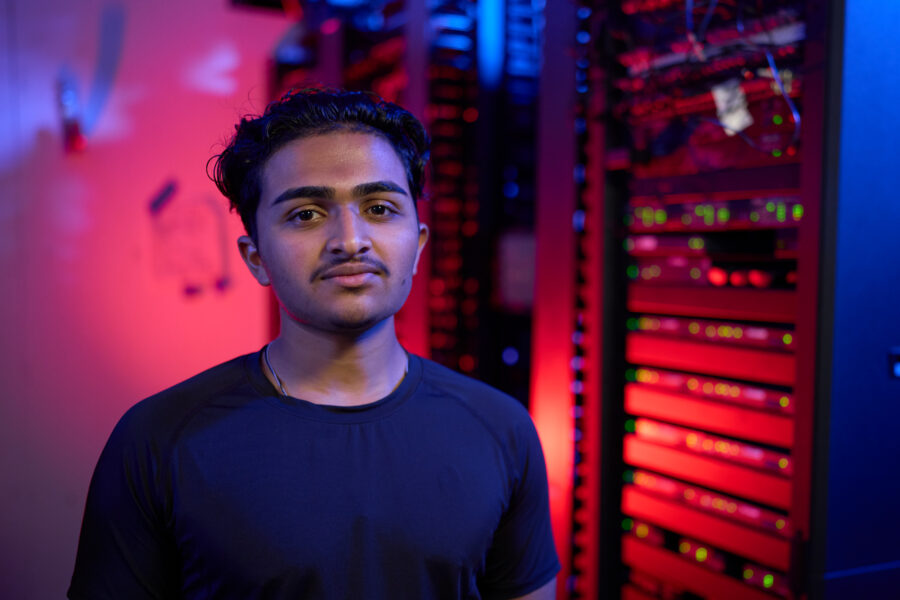
Computer science student Tejas Attavar is putting his tech skills to altruistic use.
The Force Behind the Food
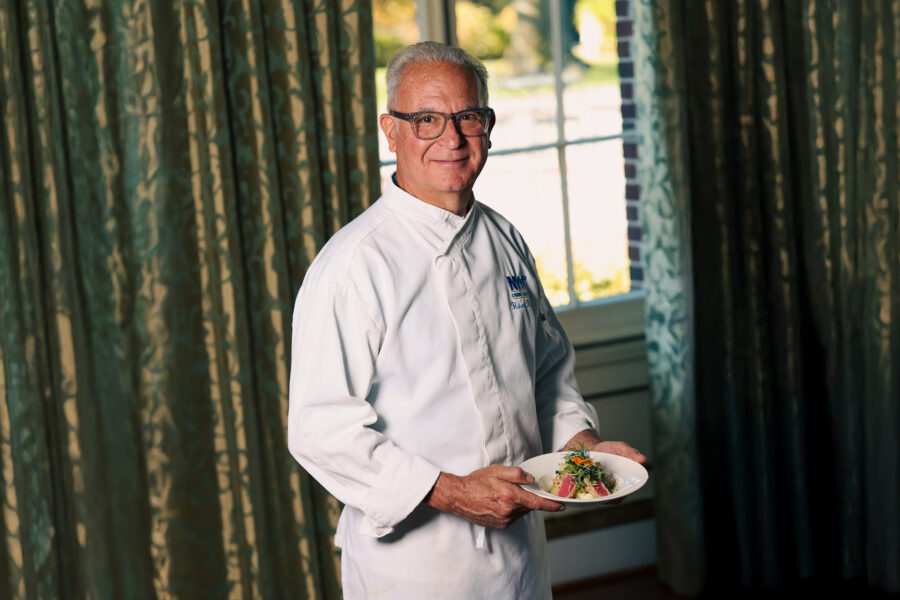
Director of Dining Services Robert Rizzuto keeps New York Tech fed as he oversees NYIT de Seversky Mansion and the campus dining program on Long Island and in New York City.
Her World Through Code
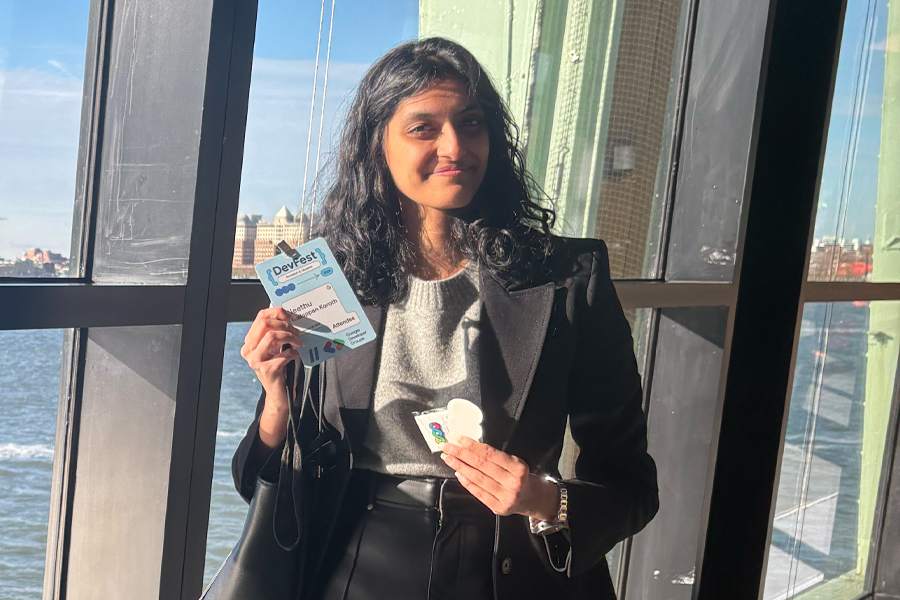
Graduate computer science student Neethu Thalappan Koroth thrives in her field of study while becoming involved in several on-campus projects to deepen her expertise.