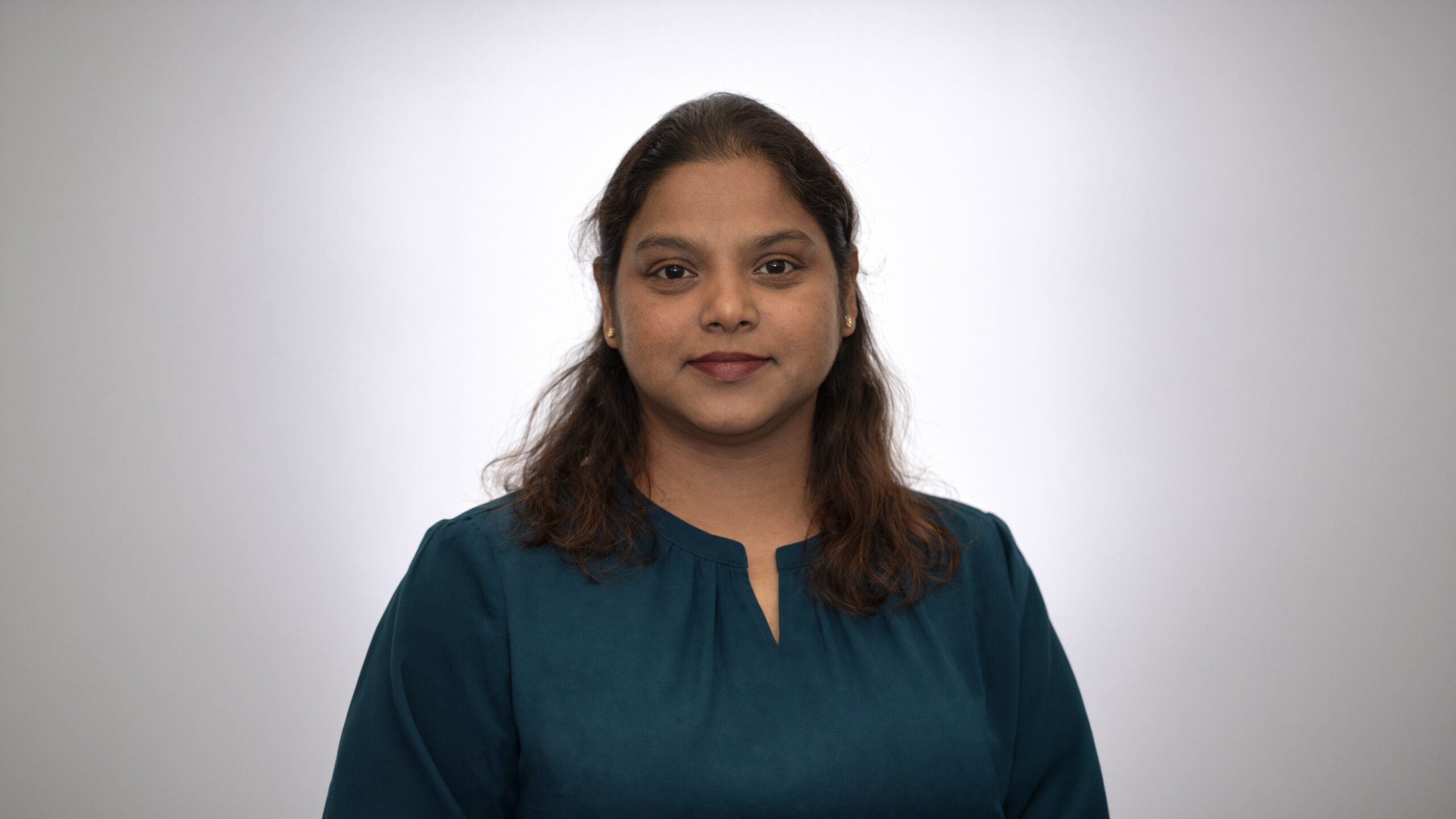
Fellow’s Field Notes: Rajeshri Nadar
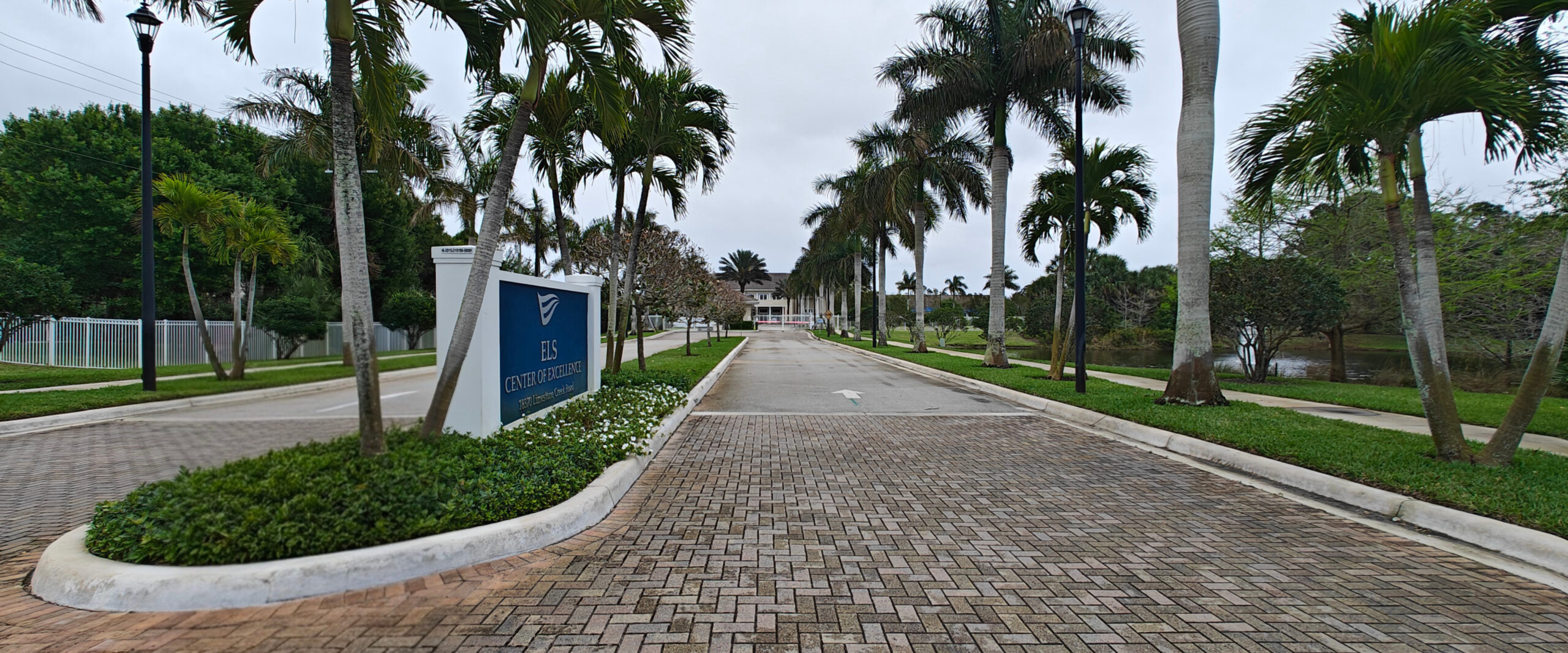
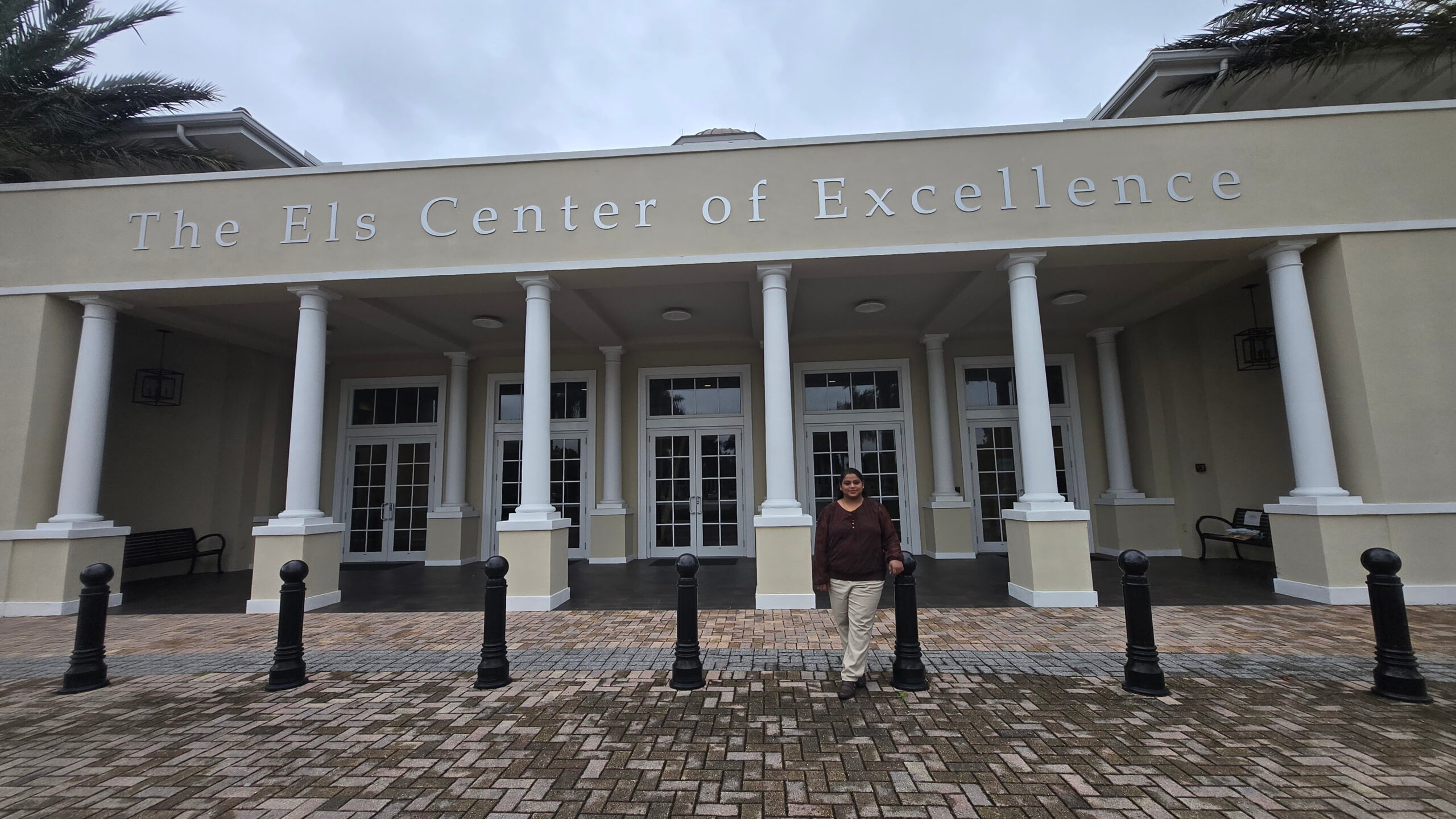
As part of the university’s Edward Guiliano Global Fellowship program, School of Architecture and Design graduate student Rajeshri Nadar received $4,200 in funding to perform fieldwork for four days at the Els Center of Excellence in Jupiter, Fla., a facility dedicated to providing care for individuals with autism spectrum disorder (ASD).
Since 2014, more than 210 fellowship students have benefited from high-level research trips that link academic studies with a broader world perspective. Scholarships of $750 to $5,000 support the journeys that are—by fellowship requirements—at least 200 miles from their home or New York Tech campus.
Auditing Architecture for Autism Spectrum Disorder
Nadar, a health and design student graduating in May, has a strong interest in architecture that is neuroinclusive and health-centered. She turned this passion into a real-world application with her research project “Neuro-Spatial Resilience: Validating a Design for Difference.” Her work includes a neuro-audit checklist, developed to translate autism-friendly design principles into measurable architectural criteria, that she piloted on site at the Els Center.
Seeking to evaluate how effectively her neuro-audit tool could perform, Nadar documented the center’s spatial features, sensory strategies, and structured circulation. Clinical staff helped her understand behavioral patterns and environmental triggers. Her collected notes allowed her to connect architectural design with behavioral insights and refine and strengthen the audit tool’s application in practice so that it may serve as a viable framework to help architects better understand user needs.
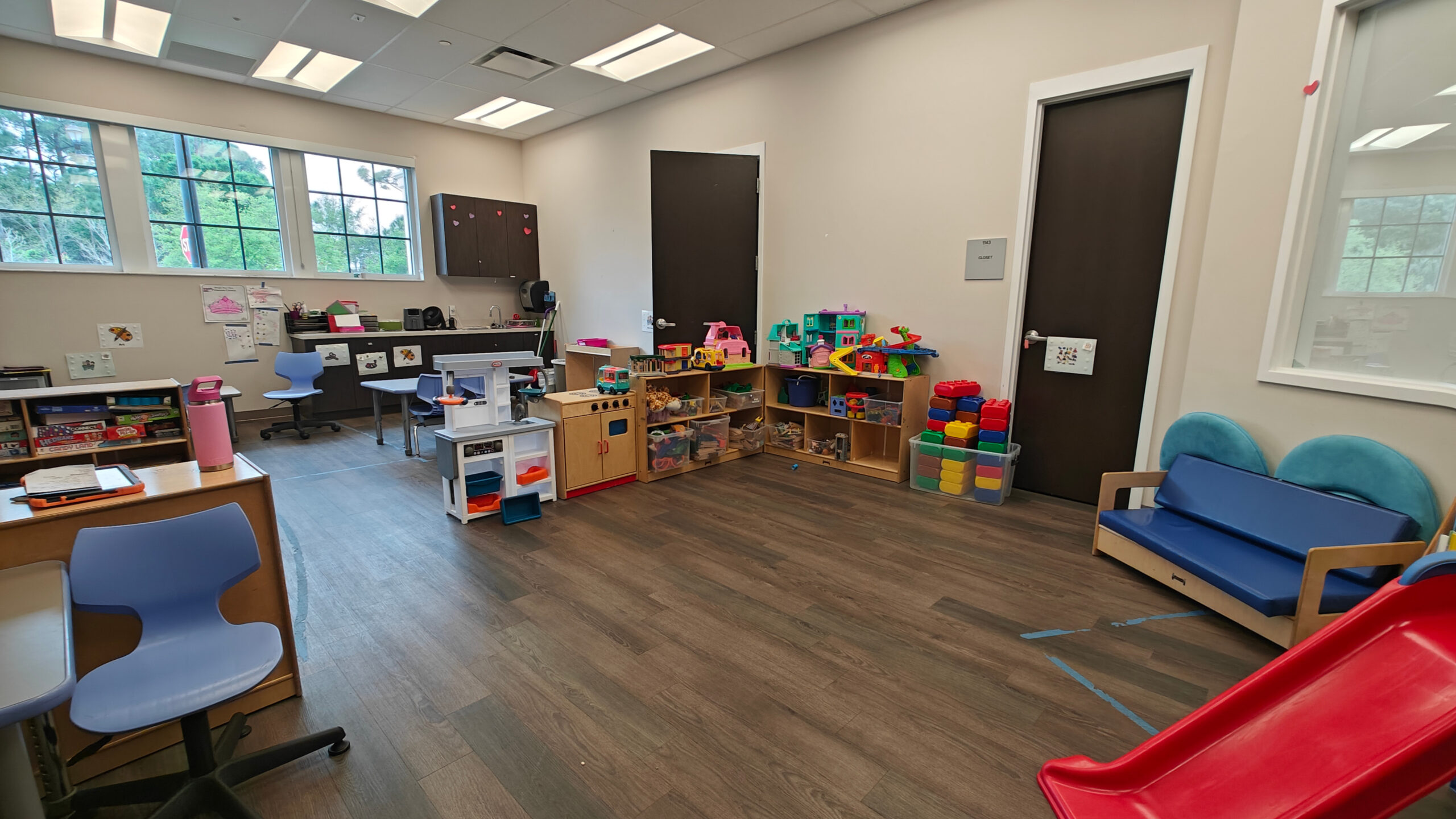
The Els Center follows ASPECTSS-based design interventions (acoustics, spatial sequencing, escape space, compartmentalization, transition, sensory zoning, and safety), representing key elements in designing spaces that address the unique needs of individuals with ASD. By following this framework, the center presented as an ideal space for Nadar to test her checklist tool.
“The Els Center provided me with an invaluable opportunity,” Nadar says. “While my role was observational, this work contributes to my larger goal of expanding awareness and application of autism-friendly design in architecture.”
Nadar’s project resulted in valuable qualitative data, including site observations, photographs, notes on spatial organization, and staff insights. After documenting how specific architectural features support routine, sensory regulation, safety, and user comfort, she was able to improve her neuro-audit checklist and better understand how theoretical design guidelines translate into lived experiences.
Her case study also strengthened the research foundation for her broader work in neuroinclusive design. After graduation, she looks forward to working at the intersection of architecture, health, and inclusive design, with a focus on creating environments that foster well-being.
“The Edward Guiliano Global Fellowship allowed me to pursue research that aligns closely with my academic interests and long-term goals, while also validating the importance of my research,” Nadar reflects. “I am deeply interested in how architecture can better support neurodivergent individuals, and witnessing the connection between research and real life made the trip truly memorable.”
Students are selected for the Edward Guiliano Global Fellowship program based on their applications, including the following metrics: the project’s purpose, goals, and methods; creativity; transformative potential; intended effect; and budget proposal.
The next cohort of selected students will complete their travels between May and December 2026.
More Features
New York Tech To Be Ranked Among National Universities
For the 2027 U.S. News & World Report annual rankings, New York Tech will be included in a new ranking category—National Universities.
A SOURCE for Impressive Student Research
New York Tech’s 23rd Annual Symposium of University Research and Creative Expression (SOURCE) featured hundreds of students’ research and scholarly work.
Edward Guiliano Global Fellows: Culture Across Continents
Under the Edward Guiliano Global Fellowship program, seven students traveled the globe, broadening their perspectives and working on transformational research projects.
$1 Million Grant Supports Research Institute at School of Architecture and Design
The three-year IDC Foundation grant supports the establishment of the IDC Institute for Design Research and Innovation, creating an integrated ecosystem of the school’s facilities, labs, and centers on the Long Island and New York City campuses.
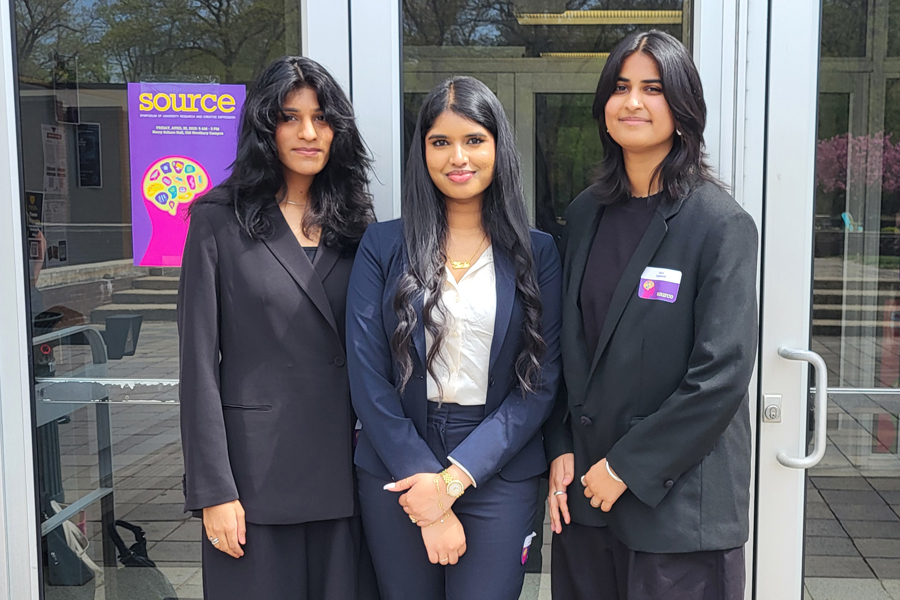
A SOURCE for Student Research
Hundreds of students gathered to present their academic research at New York Tech’s 22nd Annual Symposium of University Research and Creative Expression (SOURCE).
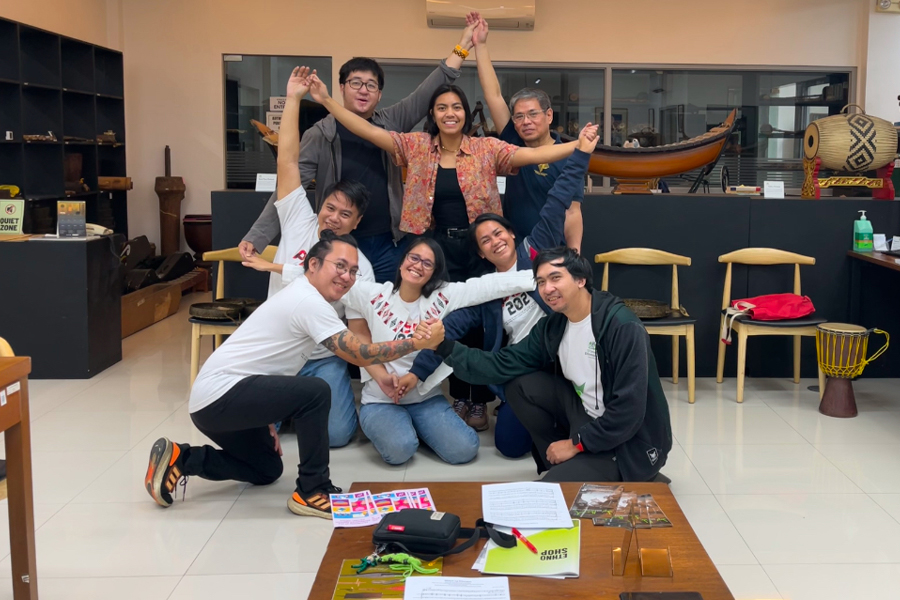
Guiliano Global Fellows: Spreading Care Around the World
Under the Edward Guiliano Global Fellowship program, seven students traveled the globe, broadening their perspectives and working on transformational research projects.