
Understanding Sanctuary Cities
On February 19, Teaching Assistant Professor of Humanities Michael Izady, Ph.D., kicked off the spring semester’s Dean’s Digital Café series of general interest talks from New York Tech faculty on a variety of topics, ranging from science and literature to health and well-being.
Izady’s discussion, “The Constitutionality of Sanctuary Cities and the Use of Federal Forces to Enforce Laws on American Territory,” included, among other points, the history of immigration in the United States, various viewpoints, and the legal and Constitutional issues surrounding the subject. The lecture aimed to “educate students on a matter that our nation is very concerned about,” Izady said as he began his presentation.
To encourage a better understanding of this relevant political topic, Izady spoke with New York Tech News to share additional insights and lessons about sanctuary cities.
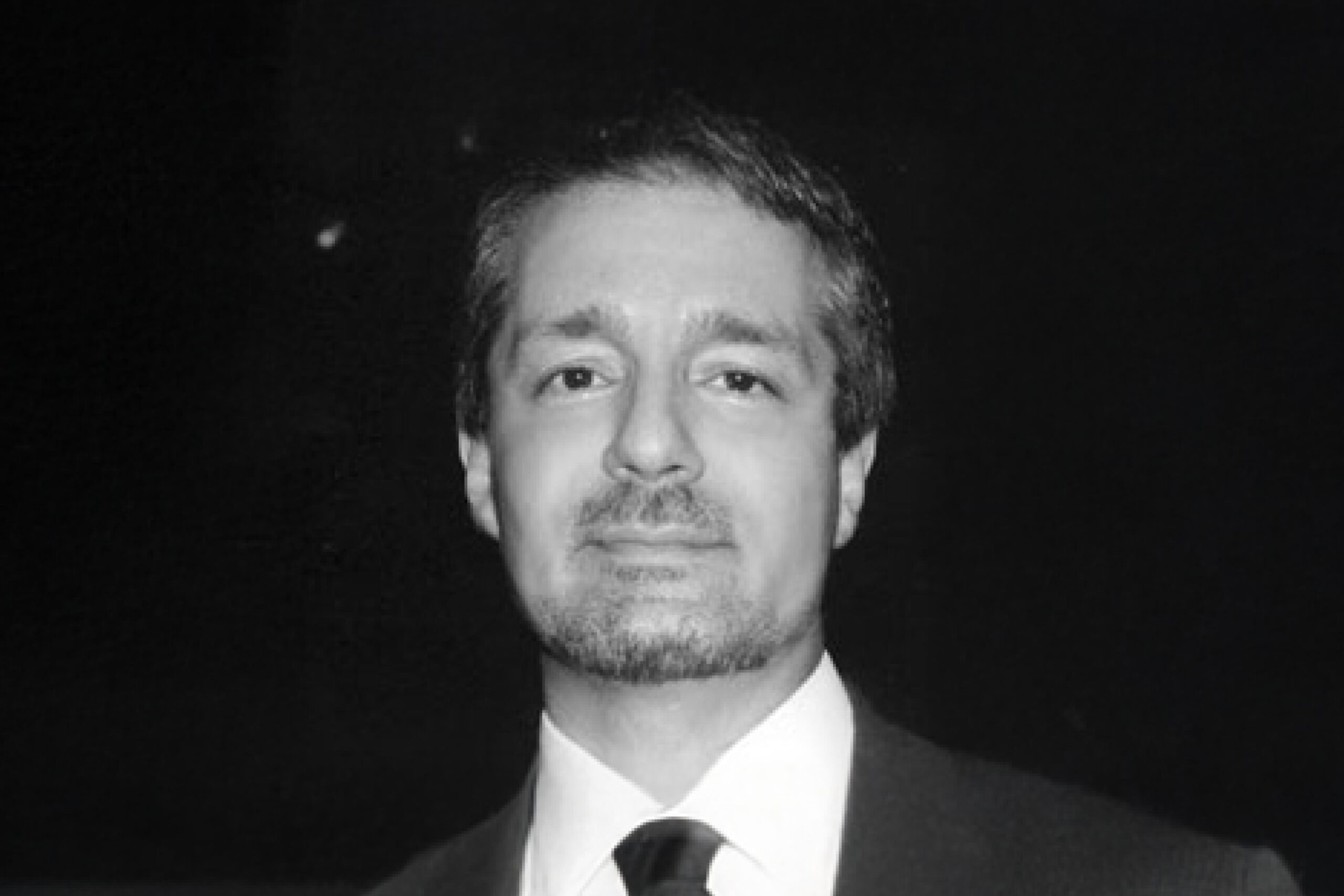
How would you explain the core issue surrounding sanctuary cities?
Sanctuary locales (cities, counties, and similar entities) have the legal and Constitutional right to not enforce federal laws. They may not physically prevent or oppose it (that would render the city in a dangerous state of rebellion), but they may very well refuse to enforce those laws or help the federal agents enforce them.
What are the arguments in favor of sanctuary cities? The arguments against?
It is a political issue, not moral or legal. Democrats support sanctuary status, while Republicans oppose it. For example, when we had the Democratic former President Obama in office, there were no sanctuary cities, although his administration deported the largest number of illegal immigrants in history (nearly 3.1 million). When the Republican President Trump took office in 2017, many Democratic-run cities and counties declared themselves sanctuaries. Unfortunately, morality has little to do with these actions but, instead, mainly politics.
How can students talk about politically charged topics/issues like this in a thoughtful and informed way?
It would be difficult unless the discussion is led by an impartial (not-partisan) moderator, and the students are told to respect the views of others in a civil and polite discussion. The moderator should also be informed of the legal points surrounding the issue and lead the discussion in a logical and non-emotional way.
What do you hope students take away from attending your lecture?
To learn the laws that currently govern the issue—state and federal laws—and adjust their views to them. Many of the existing laws need to be changed in order to better reflect the mood of the nation on immigration. Such was the massive amnesty program given by an act of Congress to legalize over 3 million illegal immigrants in 1986 that was implemented by the former Presidents Reagan and Bush. It can be done again at any day by a new act of Congress.
Why should students [who aren’t studying history or politics] pay attention to this topic?
This is a volatile national issue. We all are and should be concerned about such controversial issues that have divided us. We need to find a resolution to it by involving ourselves as concerned citizens (and to-be citizens) in all such issues important to our nation. To bring this to a fair conclusion, we should all demand a comprehensive immigration act by Congress that would usher in a fair conclusion to the immigration controversy.
Does the conversation about sanctuary cities reflect broader questions in the current political climate?
It does, unfortunately. The immigration issues have been submerged into partisan issues instead of being what they actually are—national issues of great urgency. Due to the same political reasons, Congress has likewise ignored its ability to remedy it at once, as it did in 1986.
Access the Dean’s Digital Café Lecture Series here.
More News
Bringing Literature to Life
Professor of Humanities and New Your Tech’s second Distinguished Professor Jonathan Ezra Goldman dispels myths of the 1920s—and the myths students tell themselves.
New York Tech To Be Ranked Among National Universities
For the 2027 U.S. News & World Report annual rankings, New York Tech will be included in a new ranking category—National Universities.
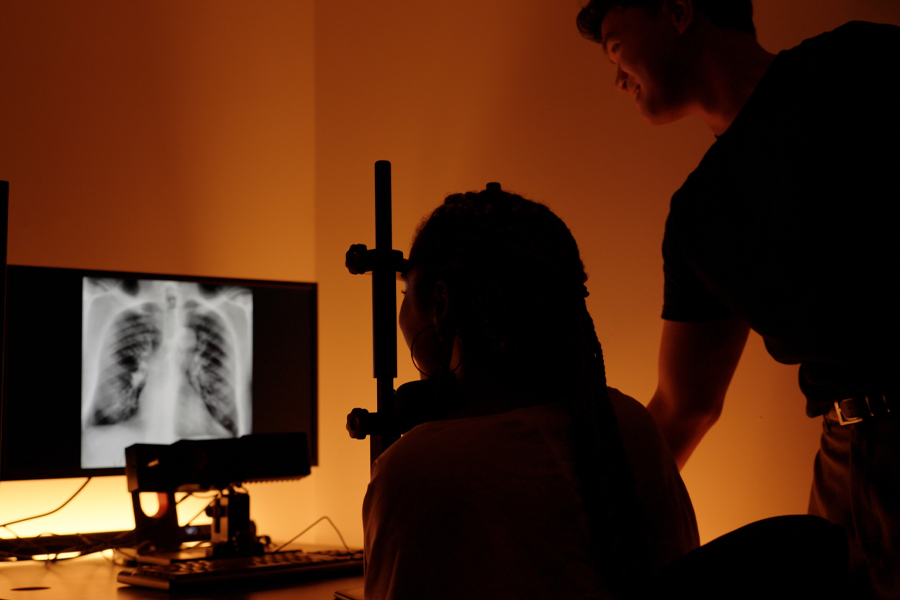
Exploring How AI Tools Can Improve Lung Cancer Detection
Research by Assistant Professor Robert Alexander, Ph.D., and student Talia Lilikakis assesses how AI tools can most effectively alert radiologists of the possible presence of a nodule.
Convocation 2026: Success in a Time of Change
At the annual faculty and staff convocation, New York Tech President Jerry Balentine reflected on the accomplishments over the past year and presented his vision for the future.

Robust Research
New York Tech’s commitment to research paves the way for important and groundbreaking work. Meet three Ph.D. students whose work may improve disaster response, recovery after muscle and bone injuries, and anticancer therapies.

Helping Children Manage Back-to-School Anxiety
Cognitive neuroscientist Robert Alexander, Ph.D., assistant professor of counseling and wellness, reminds parents to know the signs of potential anxiety in children as the new school year approaches.