
Forging New Frontiers in Computer Science
When Siddhant Bhandari (M.S. ’23) went to his friend’s home for dinner in spring 2023, shortly before he finished his master’s at New York Tech, he had no idea it would inspire him to apply his cybersecurity training to understand ancient practices.

Bhandari was sitting next to the 6-year-old daughter of his friend, Surbhi Hirawat (M.S. ’23), who was completing her master’s in data science. They were enjoying their meal on the floor, as is the custom in India, where Bhandari and Hirawat grew up. But Hirawat’s daughter was not eating in the customary way, cross-legged to help digest food and not overeat. Bhandari gently tried to correct her, but the girl, who had not lived in India for several years, said she didn’t know about these practices.
“That moment hit home for both of us,” recalls Bhandari, who received his master’s in cybersecurity. “Surbhi and I realized how easily cultural knowledge can fade across generations. We decided to use our tech backgrounds to do research to help preserve these traditions that have so much wisdom behind them.”
The result is three articles that the classmates-turned-collaborators published in academic journals in 2024.
This article originally appeared in the spring/summer 2025 issue of New York Institute of Technology Magazine.
By Carina Storrs, Ph.D.
More News
New York Tech To Be Ranked Among National Universities
For the 2027 U.S. News & World Report annual rankings, New York Tech will be included in a new ranking category—National Universities.

New York Tech Commemorates 25th Anniversary of 9/11
The New York Tech community commemorates the 25th anniversary of September 11 through opportunities to remember those we lost and honor the first responders and members of our military.
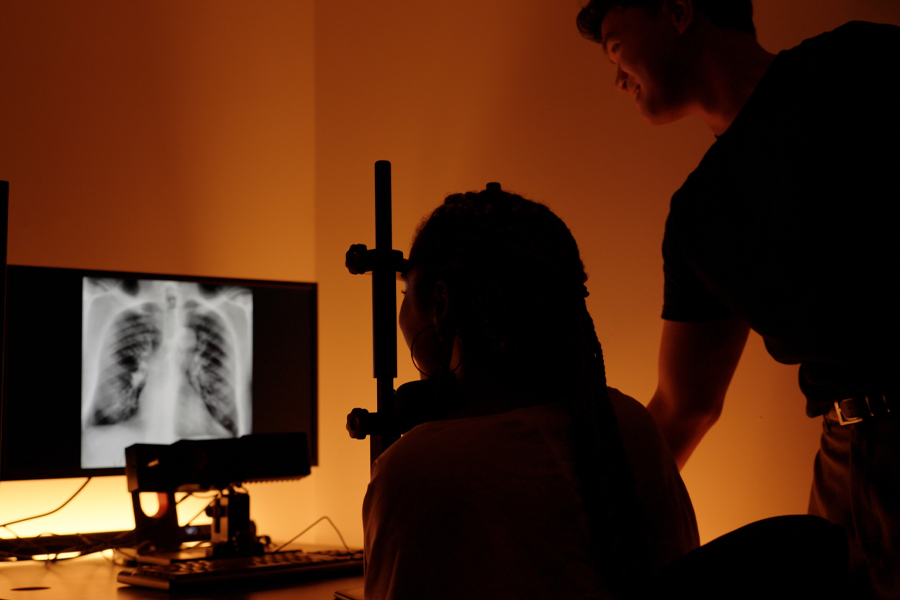
Exploring How AI Tools Can Improve Lung Cancer Detection
Research by Assistant Professor Robert Alexander, Ph.D., and student Talia Lilikakis assesses how AI tools can most effectively alert radiologists of the possible presence of a nodule.
Convocation 2026: Success in a Time of Change
At the annual faculty and staff convocation, New York Tech President Jerry Balentine reflected on the accomplishments over the past year and presented his vision for the future.
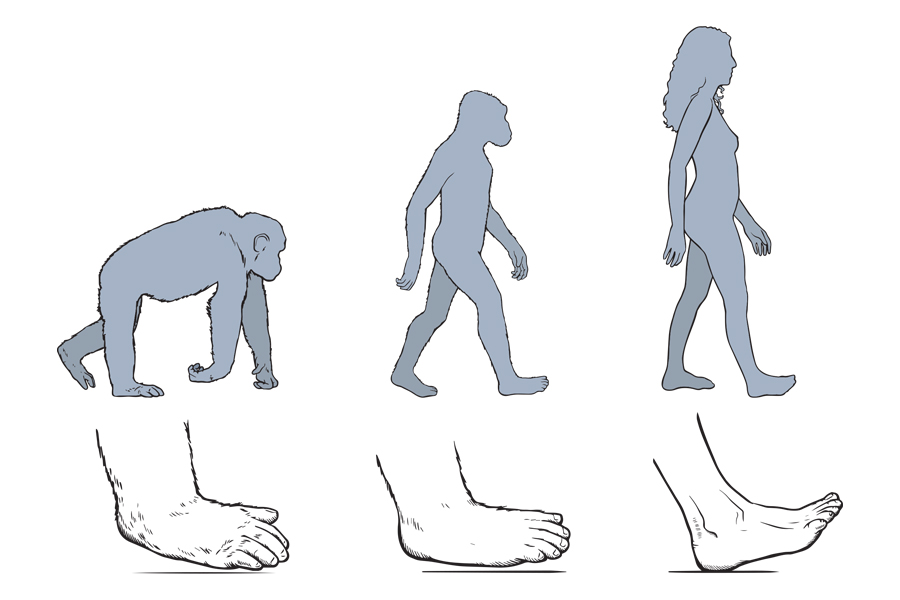
The Evolutionary Significance of Humans’ Unique Heel-Toe Walking Pattern
Associate Professor of Anatomy Nathan E. Thompson, Ph.D., contributes to research unveiling clues to the origin of humans’ stride pattern.
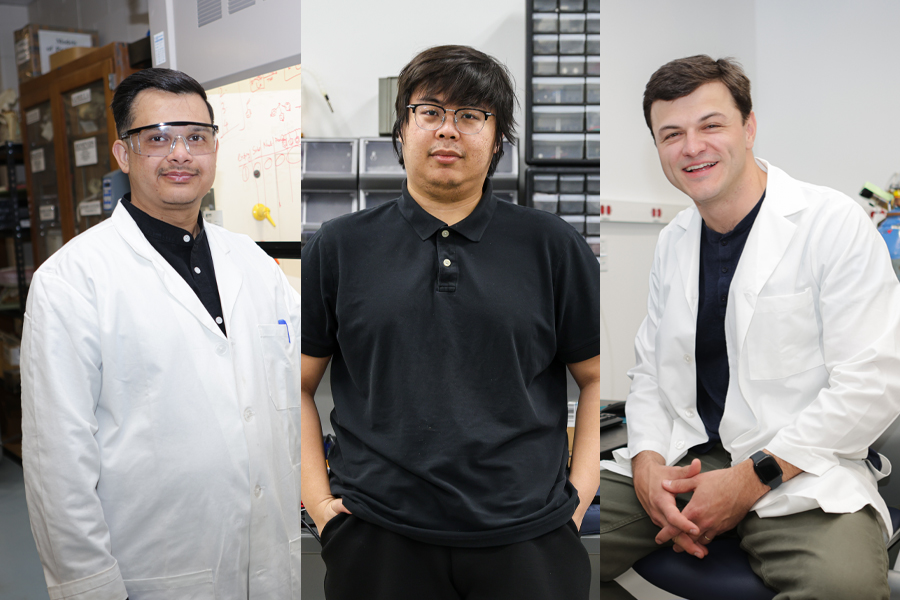
Robust Research
New York Tech’s commitment to research paves the way for important and groundbreaking work. Meet three Ph.D. students whose work may improve disaster response, recovery after muscle and bone injuries, and anticancer therapies.