Lighting the Path Forward
Assistant Professor Robert Alexander, Ph.D., is working with more than 20 undergraduate and graduate students on research projects that explore the connection between eye movement and perception, providing challenging experiences and empowering New York Tech students to light the path forward for themselves and others.
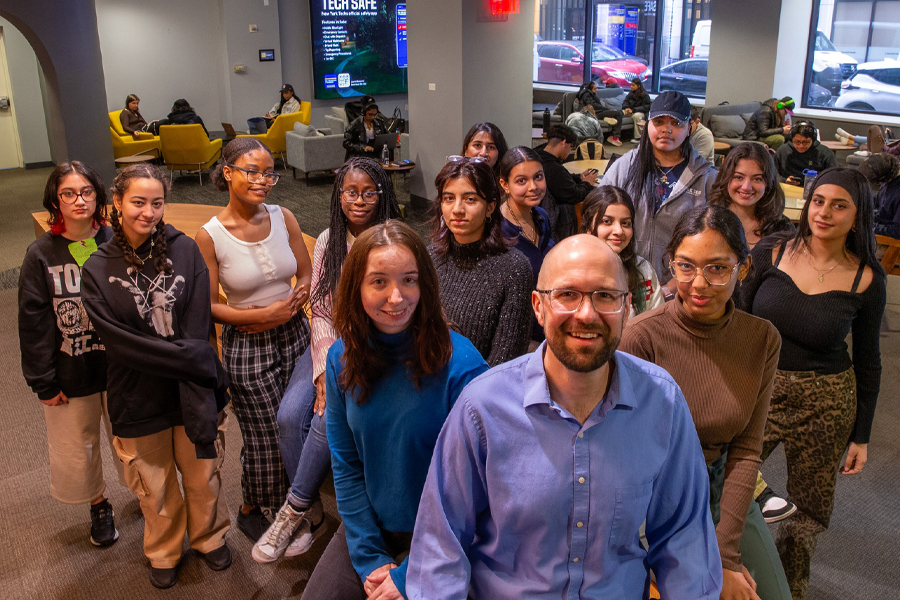
Assistant Professor Robert Alexander with students working in his lab. PHOTO: BOB HANDELMAN
Moving constantly, even when we don’t realize it, our eyes gather visual information, helping us process the world around us. It is said that a picture is worth a thousand words. But no two people view or describe even black-and-white images in the same way.
Can we objectively measure how individuals perceive their environment? What insights are waiting to be discovered? Research teams at New York Tech are examining eye movement, searching for clues.
Alexander, an assistant professor of psychology and a cognitive neuroscientist specializing in vision research, joined New York Tech in 2023. His interest in psychology blossomed during his undergraduate studies. During his senior year
at Long Island University, Alexander discovered a passion for research and began pursuing a research career.
He later learned to use eye tracking to understand human psychology and behavior and has continued to use this approach. “I’ve been fascinated by the idea that through research we can precisely and accurately understand human psychology and behavior. With enough carefully measured outputs, we can plot and predict how a human will respond to an input,” he explains.
This article originally appeared in the fall 2024/winter 2025 issue of New York Institute of Technology Magazine.
By Denice Rackley
I’ve been fascinated by the idea that through research we can precisely and accurately understand human psychology and behavior. With enough carefully measured outputs, we can plot and predict how a human will respond to an input
Robert Alexander, Ph.D., assistant professor of psychology
More News
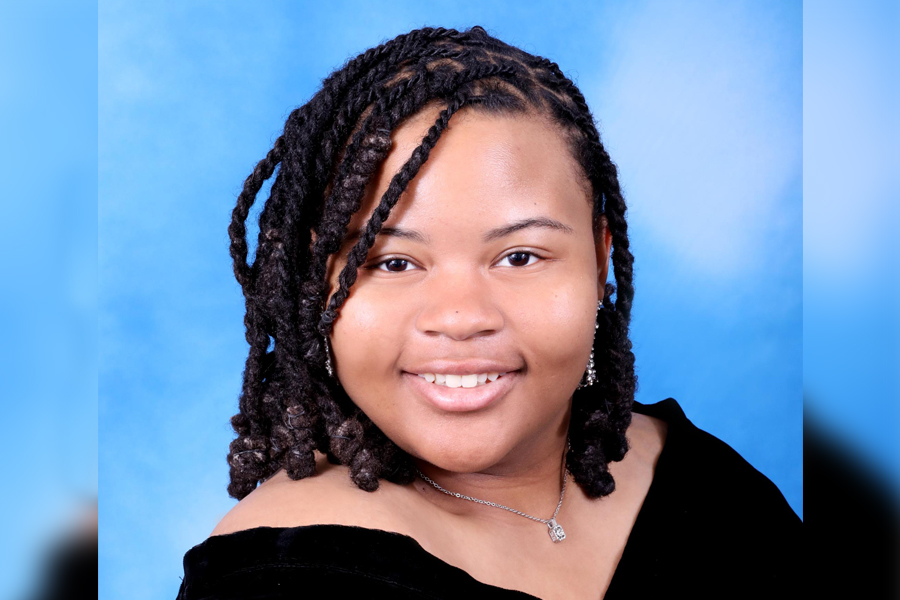
Chemistry With a Side of Art
Chemistry student Makayla Napper looks forward to exploring her field while still making time for her creative hobbies.
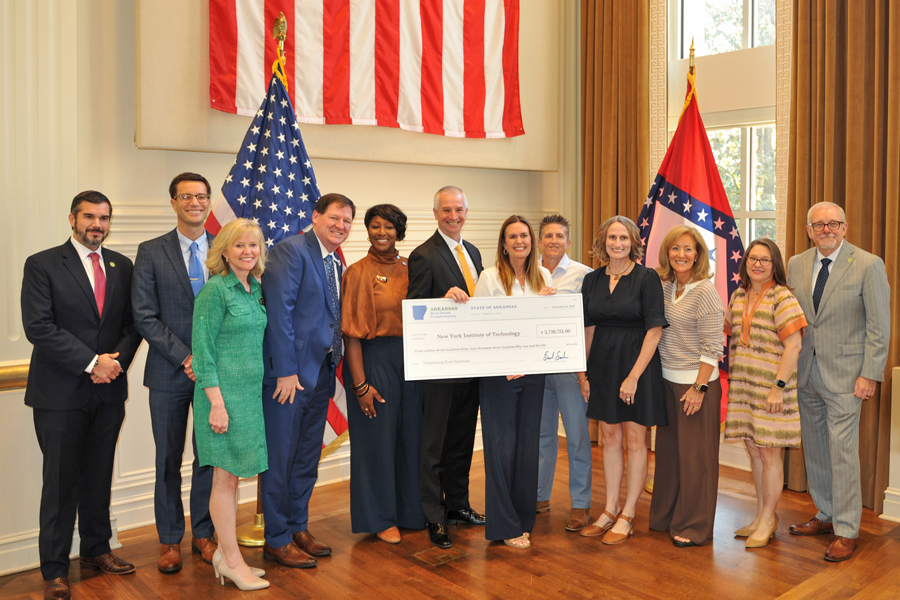
NYITCOM-Arkansas Receives Two Grants for New Residency Program, EMS Training Initiative
Two Rural Health Transformation Project grants, totaling $3.7 million, will support health education programs at the College of Osteopathic Medicine at Arkansas State University (NYITCOM-Arkansas).
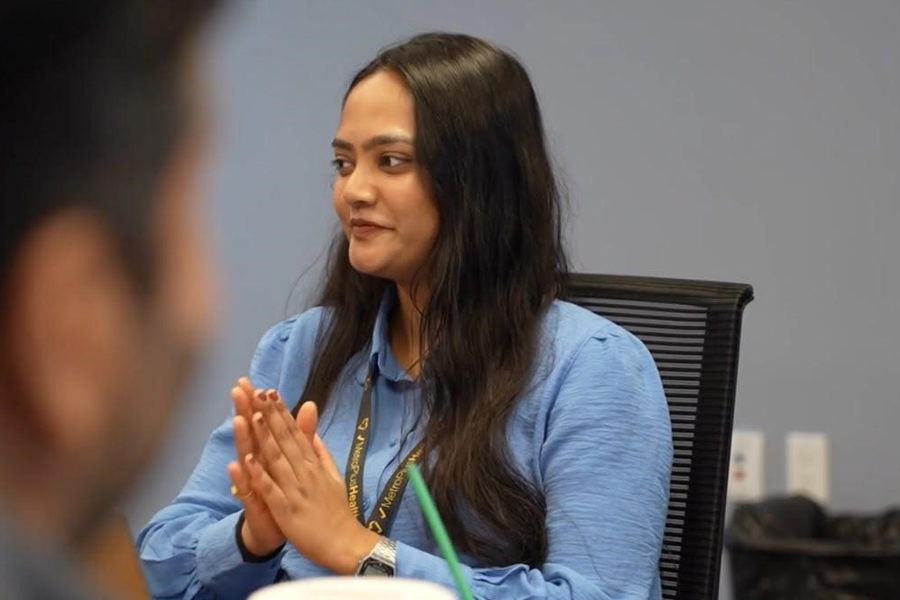
Intern Insight: Mansi Santosh Tikam
M.B.A. student Mansi Santosh Tikam spent her summer interning with MetroPlusHealth, where she learned what it means to be a marketing professional.
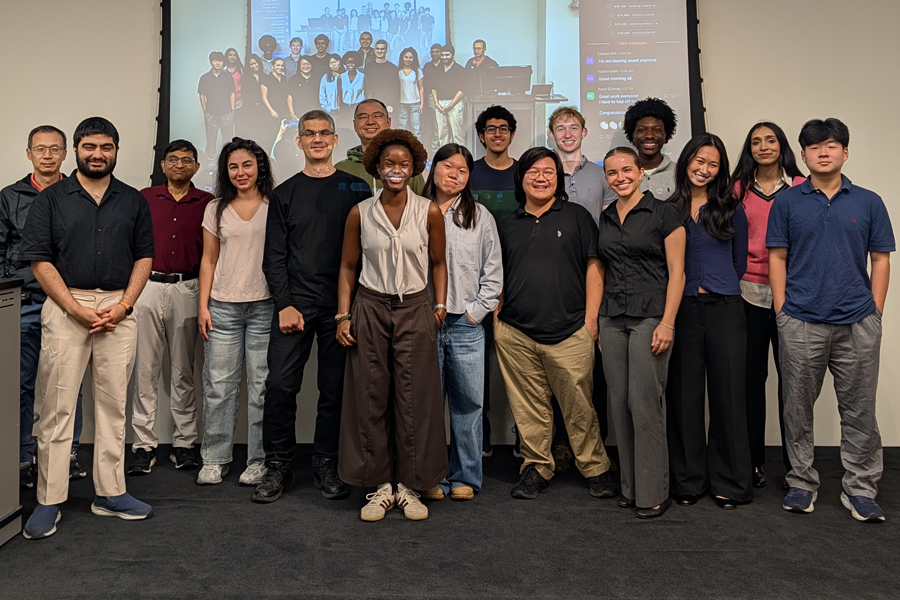
The Domino Effect
New York Tech’s Research Experiences for Undergraduates program has spent more than a decade turning summer research opportunities into lasting careers, helping build the university’s research reputation along the way.
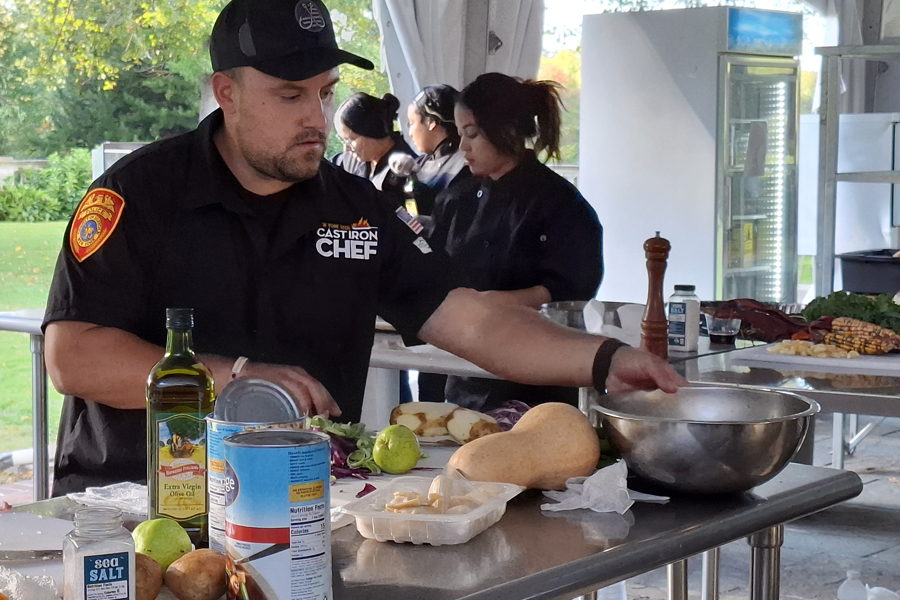
Officers Cook at 12th Annual Cast Iron Chef
This year’s Cast Iron Chef cooking competition welcomed teams of local law enforcement officers for an evening of culinary fun.
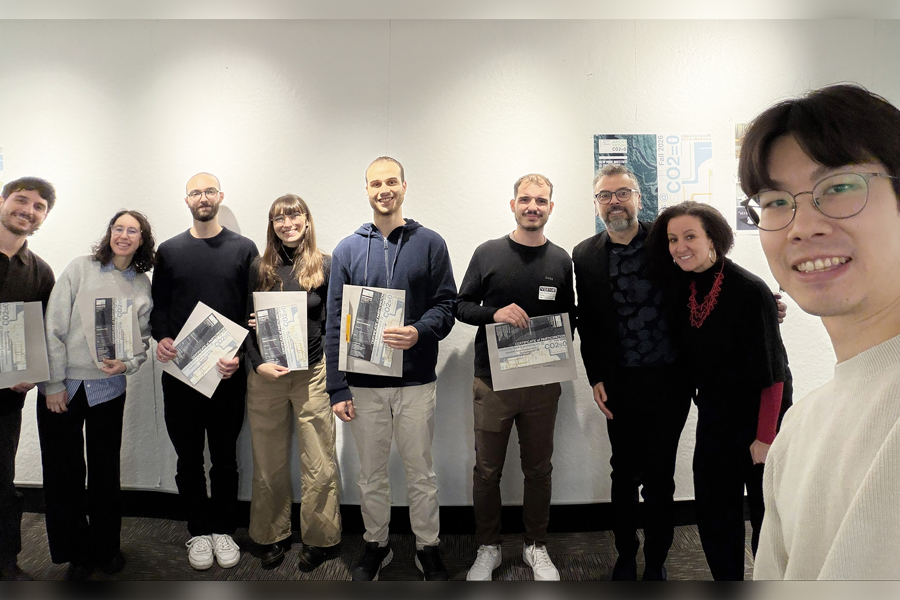
International Collaboration: School of Architecture and Design and IUAV
Graduate architecture students from Università Iuav di Venezia (IUAV) in Venice participated in a week-long atelier on the New York City campus, while School of Architecture and Design students traveled to Venice for a 17-day workshop.