Symbol of Movement
As a young teen, Sofoklis Sarellis was sure of his future career in sports and physical therapy (PT). What he did not envision, though, was becoming the founder and chief executive officer of his own athletic footwear company. As he studies for his Doctor of Physical Therapy, the School of Health Professions student also is hard at work to launch his brand Symbol.
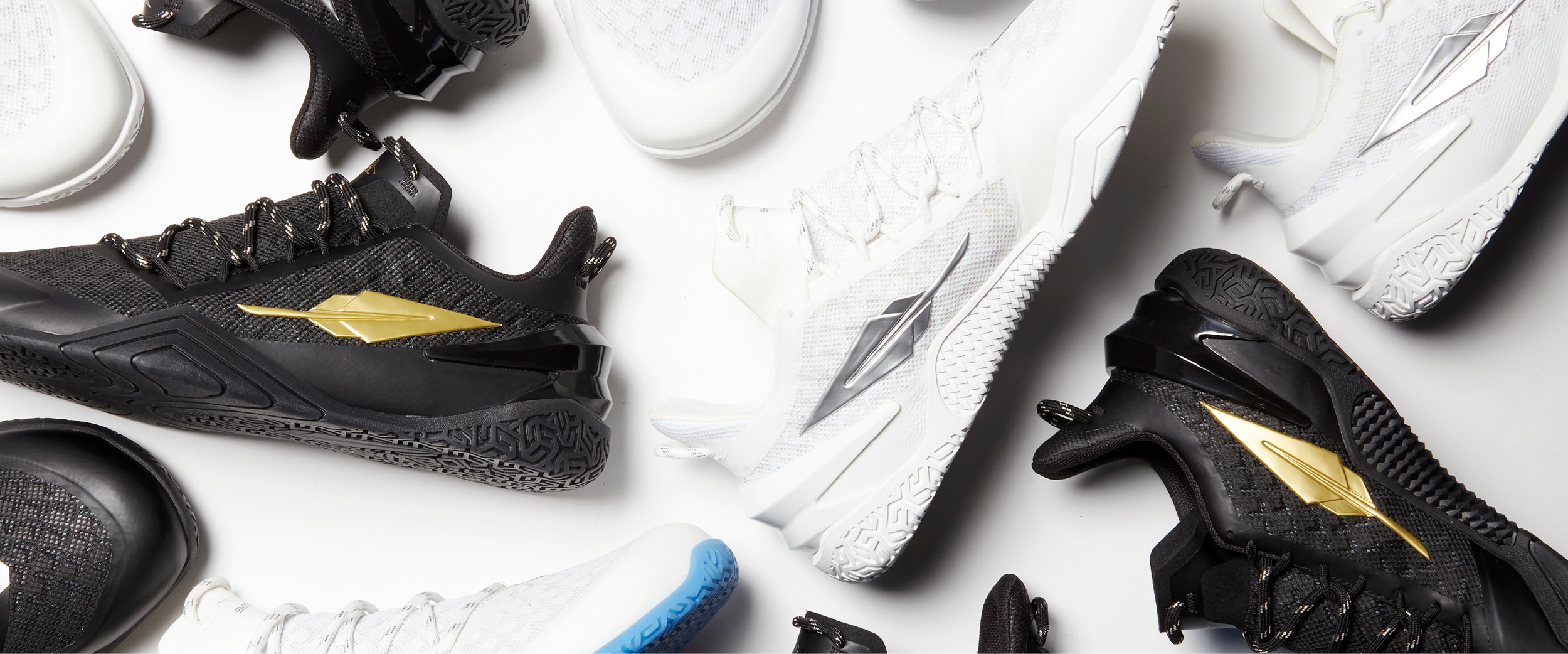
Major sneaker brands often prioritize fashion over function, forcing feet into restrictive molds with narrow toe boxes that hinder natural movement. Sarellis explains that Symbol takes a different approach, designing sneakers that honor the foot’s natural shape and biomechanics. By enhancing stability, agility, and power, Symbol’s footwear allows athletes to move freely—without compromise. His brand identifies a critical gap in the market—shoes that blend function and design and support natural human biomechanics while meeting the highest athletic demands.
“Over my career, I’ve developed the knowledge to analyze research, the experience to understand movement, and the ability to design,” he explains. “Symbol was born from that undeniable persistence, the drive to challenge convention and build something that respects both human movement and elite performance.”
After researching materials, biomechanics, performance footwear design, industry patents, and market trends, Sarellis began sketching prototypes and contacting manufacturers who could bring his vision to life. Following multiple rounds of sample products, refining details, and filing for innovation-protecting trademarks and patents, Symbol is now in its pre-launch phase.
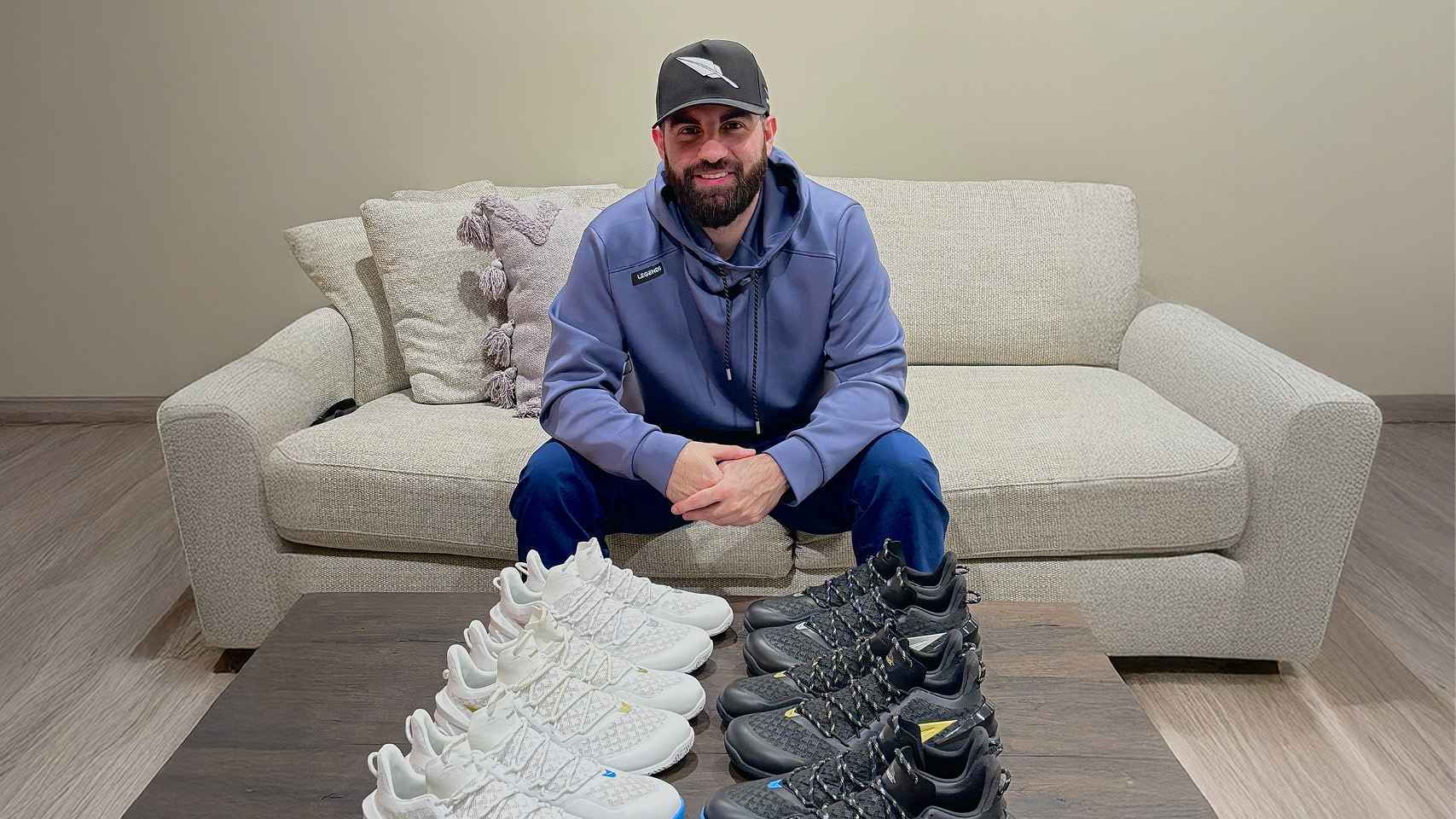
Launching on crowdfunding website Kickstarter this summer, Symbol will begin with an online store, with the goal of entering retail locations in the future. Along with his wife and best friend, who work as the company’s chief financial officer and chief operating officer, respectively, Sarellis’ brand will introduce the Symbol XT-1. The shoe is a naturally shaped, barefoot-inspired cross-training sneaker designed to handle lateral movement, change of direction, plyometrics, and agility, bridging the gap between performance and natural foot function. The website will also offer a range of performance apparel for men and women.
“Symbol is more than just a sneaker brand,” says Sarellis, who notes that Symbol will leverage 3-D printing and scanning to tailor footwear to individuals’ unique foot shape, biomechanics, and performance needs. “We see ourselves as a ‘health solutions company’ dedicated to optimizing human performance. Our ultimate goal is to redefine the relationship between movement, technology, and personal health.”
In late March, Sarellis will take to the microphone to guest speak about Symbol on Innovate and Rehabilitate: The Entrepreneurial PT, a podcast hosted by National Physical Therapy Examination preparatory company Scorebuilders. The episode will highlight Sarellis’ endeavors to create a business and product that can enhance users’ care and overall health, demonstrating how physical therapists can leverage their skills to develop groundbreaking solutions. Listeners can find his episode in early April on the podcast’s website and major streaming platforms.
On campus, Sarellis is working with Associate Professor of Physical Therapy Eric Greenberg, D.P.T., to explore lower limb symmetry and its association with change of direction performance. Through studying the biomechanics of movement, Sarellis and Greenberg aim to better understand how asymmetries influence agility, injury risk, and athletic performance. With this data, they may provide insights for more efficient motion, reduced injuries, and optimized performance.
After graduating next year, Sarellis plans to pursue a sports residency program, a first step toward earning a Sports Certified Specialist credential. In the long-term—besides growing Symbol—his goals include starting his own clinical practice and joining a professional basketball organization, where he can directly impact the performance, longevity, and well-being of elite athletes. A past internship as a sports performance coach and a former position as a sports scientist for the U.S. Air Force well position him to achieve his ambitions.
Sarellis emphasizes the importance of finding meaning in both work and life. “Find where your worlds merge personally and professionally. That’s where purpose is born,” he advises. “I bet on myself every step of the way because I know the risk is worth it.”
More News

First-Gen Entrepreneur
Computer science student Rida Rahim has an impressive résumé of projects, and is only getting started.
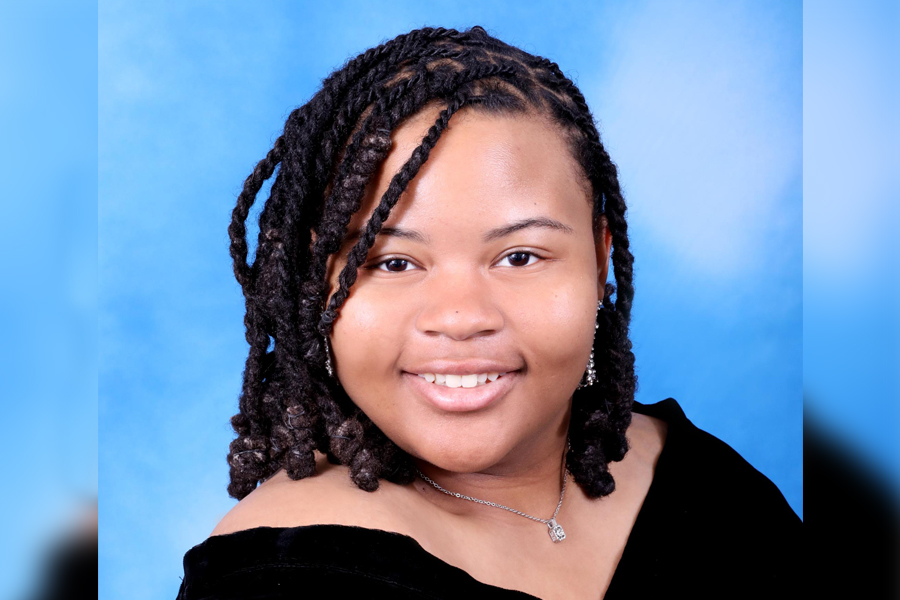
Chemistry With a Side of Art
Chemistry student Makayla Napper looks forward to exploring her field while still making time for her creative hobbies.
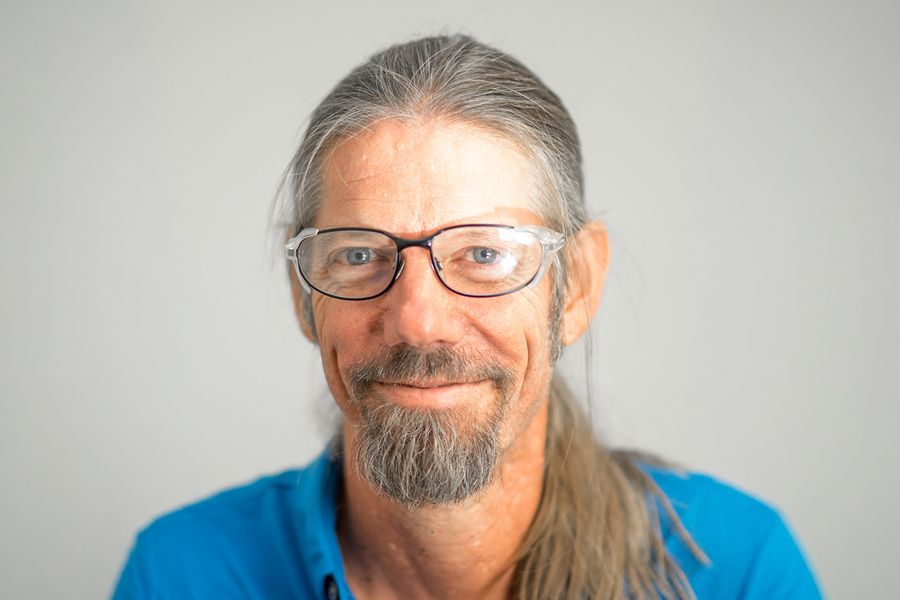
Forward-Thinking Design
Associate Professor of Architecture Clarke Snell, M.Arch., uses technology to link form and performance.
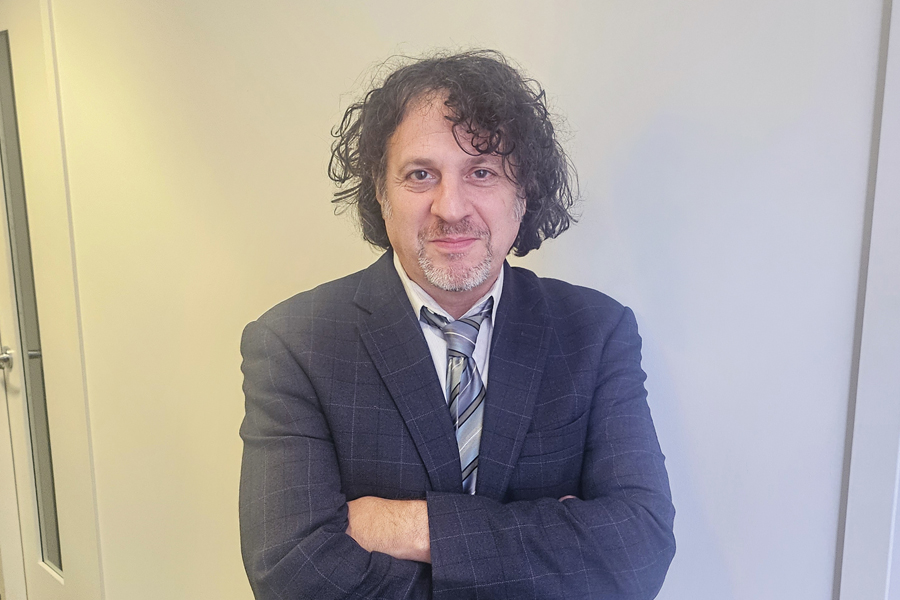
Bringing Literature to Life
Professor of Humanities and New Your Tech’s second Distinguished Professor Jonathan Ezra Goldman dispels myths of the 1920s—and the myths students tell themselves.
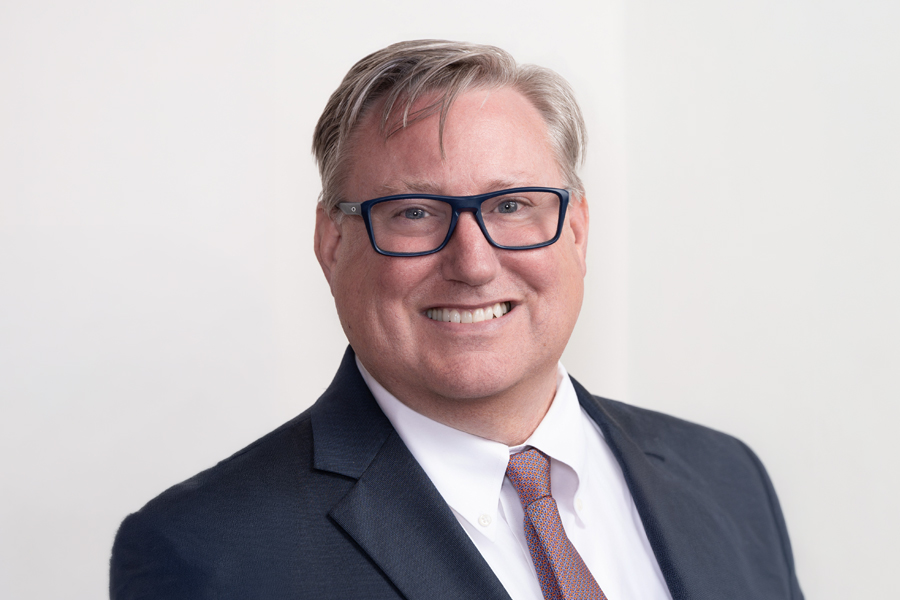
An Explorer, Through and Through
Associate Professor of Management Kevin O’Sullivan, D.Sc., teaches skills so students can adapt to change with agility.
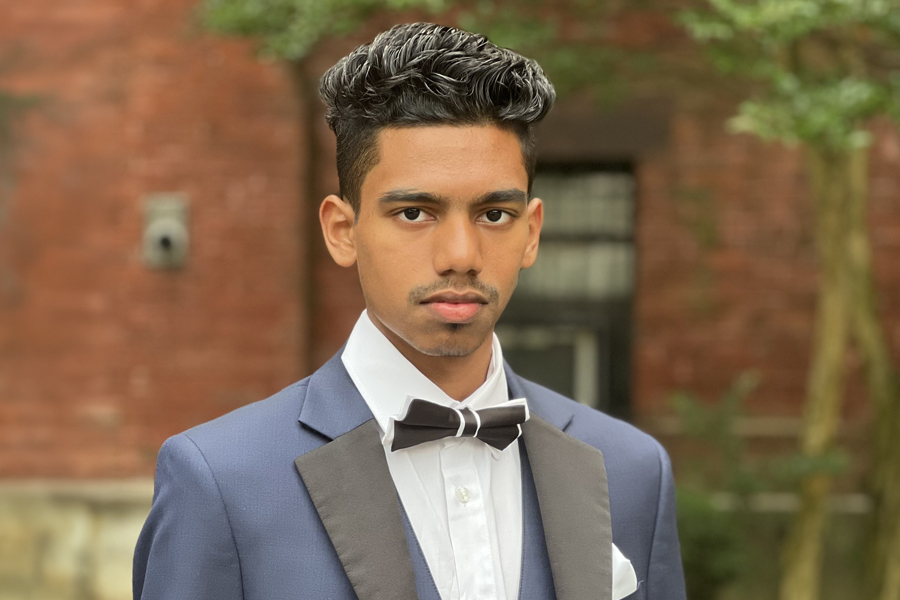
A Head Start in Architecture
Architecture student Satish Doobay’s ongoing internship with an alumna’s firm is helping prepare him for a future in the field.