Striving Toward a Better Future
Interdisciplinary studies student Saquana L. Lopez shares her views on the struggle for equality and civil rights in America and how to strive for a better future by reshaping how Black history is viewed.
Black History Month in the United States is recognized throughout the month of February to commemorate and celebrate the rich history of African Americans, the struggles we have faced, our culture, and the lived Black experience in the U.S.A. Founded in 1976 by Dr. Carter G. Woodson, a historian and distinguished faculty member at Howard University, he first proposed the idea of Negro History Week, which was formally renamed and extended to now be known as Black History Month. Being Black in America is to be an anomaly, and the lived experience of Blackness in its all-encompassing and truest form is as unique as a fingerprint.
Despite being held during the shortest month in the calendar year, we are honored to celebrate the icons, trailblazers, and room shakers who have given of themselves to empower their communities. From the enigmatic words of Zora Neale Hurston to the intricate designs of Jacob Lawrence, and the complex calculations of Katherine Johnson, the legacy and tenacity of these icons continue to live on and inspire new generations.
The struggle for equality and civil rights in America is a direct byproduct of systemic racism that has long had a stronghold in our society. While chattel slavery was first abolished in 1865, the repercussions of its horrific atrocities are still felt by the many generations of Black Americans that have come after. By acknowledging both the trials and triumphs of African Americans throughout our history, we can begin the process of bridging the gap that has long kept our country uninformed and divided.
The concept of Black joy is a radical agenda in a society where, for so many years, the capitalization of Black bodies and culture has been treated as a source of renewable energy. Choosing joy challenges the negative stereotypes that have often been projected onto Black people and proclaims our right to live life in full color. It is a form of self-love and cultural preservation. Black joy amplifies the beauty of our many cultural traditions and expressions, from food and dance to fashion to our communal spaces, and even the way we take care of our skin and hair. By reclaiming the narrative and the right to exist and operate as one’s full self, expressing Black joy affirms the humanity and dignity of Black people from across the diaspora.
Reshaping the way we view Black history and its continuous impact in America is a shared responsibility. Fostering a community and space where an open and honest dialogue can be held is an act of solidarity and demonstrates how we are slowly but surely moving the needle toward a society where diversity, equity, inclusion, and belonging are a reality. As we continue to celebrate and reflect on all the accomplishments and breakthroughs of African Americans throughout our history, may we acknowledge our past, remain vigilant in our present, and strive toward an even better future.

Aldo Spano Named Recreation Director and Sprint Football Coach
Aldo Spano, a 20-year teaching and coaching veteran, has joined New York Tech as director of recreation and head sprint football coach.
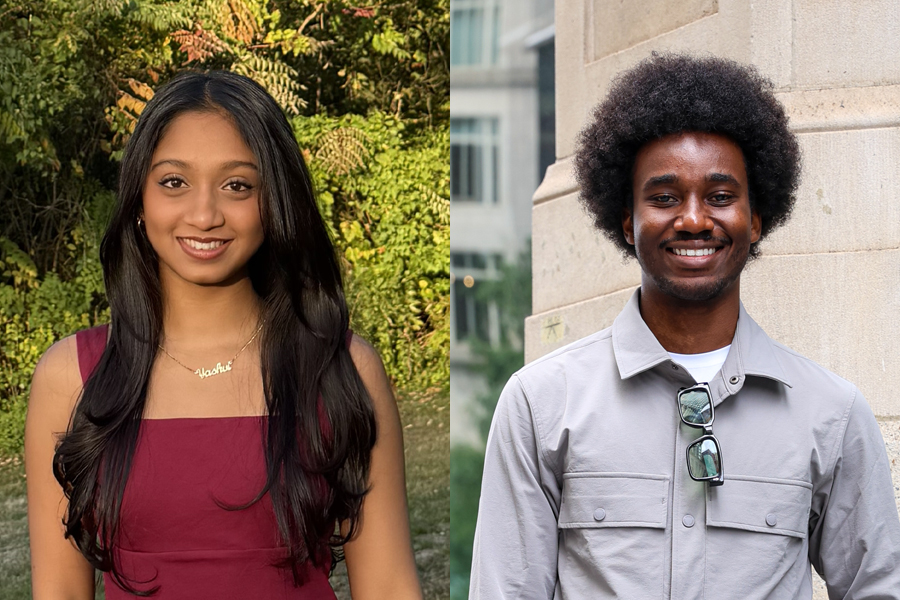
Meet the 2026-2027 SGA Presidents
Yashvi Patel and Best Justus will serve as Student Government Association (SGA) presidents for the Long Island and New York City campuses, respectively.

New York Tech Commemorates 25th Anniversary of 9/11
The New York Tech community commemorates the 25th anniversary of September 11 through opportunities to remember those we lost and honor the first responders and members of our military.

New York Tech Joins the Collegiate Sprint Football League
New York Institute of Technology has been accepted into the Collegiate Sprint Football League, marking the university’s return to competitive sports.

New York Tech Celebrates Women’s History Month 2026
Celebrate women and their many accomplishments during Women’s History Month. The university will host a series of events throughout March.

Understanding Sanctuary Cities
Teaching Assistant Professor Michael Izady, Ph.D., led a Dean’s Digital Café conversation about sanctuary cities.