Physician Responds to CDC Vaccine Schedule Changes
On January 5, the U.S. Centers for Disease Control and Prevention (CDC) reduced the number of immunizations routinely recommended for all children in the United States.
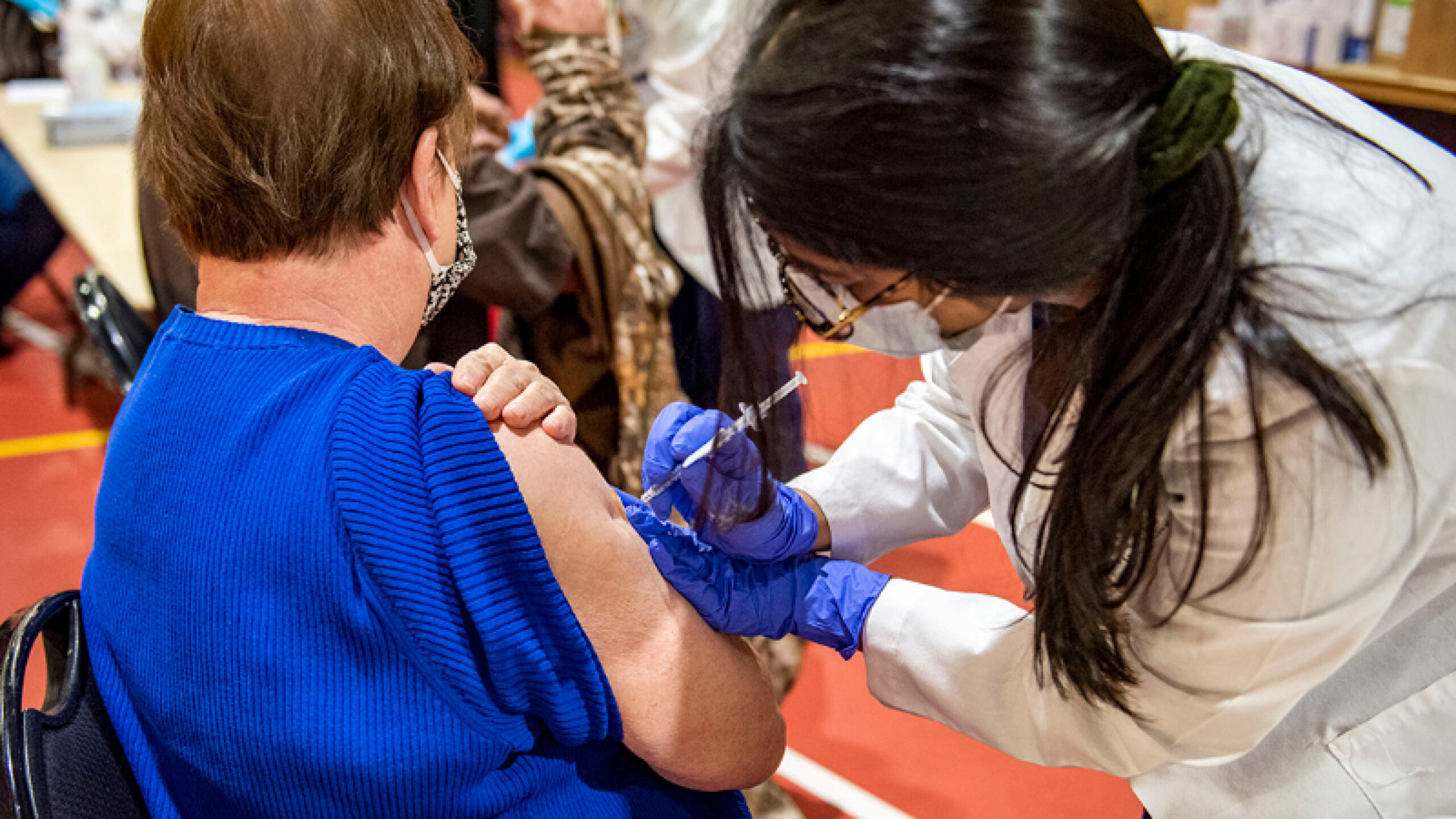
Under the new guidance, the CDC now recommends that children be vaccinated against diphtheria, tetanus, whooping cough, HiB (Haemophilus influenzae type b), pneumococcal conjugate, polio, measles, mumps, rubella, HPV, and chickenpox. Vaccination against rotavirus, COVID-19, influenza, meningococcal disease, and hepatitis A and B is no longer recommended. Instead, physicians and parents have been advised to decide upon these immunizations “based on individual characteristics” of the child.
As hundreds of medical and public health organizations urge elected officials to investigate the sweeping changes, family medicine expert Shane Speights, D.O., site dean for NYITCOM-Arkansas, weighs in.
What was your initial reaction to the revised childhood vaccine recommendations?
My initial reaction was one of disappointment and frustration. At a time when we are seeing a huge spike in pediatric influenza and RSV cases across the country, the CDC is recommending against vaccination? And they presented no data or evidence as to why the recommendations were made. It’s completely counter to how we formulate and enact good health policy.
As a physician, how does this affect day-to-day practice?
I am concerned about the confusion it creates for the public, and that insurance companies will no longer cover it. We’ve already seen it happen with the COVID vaccine, which now costs a patient around $400 out of pocket. The complete disregard for volumes of credible scientific evidence and research that goes into setting the immunization schedules is frustrating. Please don’t misunderstand, we should always question ourselves and our practices. As physician scientists, it is imperative that we reassess our own policies. We can’t be defensive of the questions; we should embrace them and provide evidence to support our practice. But when the evidence is clear, go with it and move on.
How do these new recommendations align with what we are seeing clinically in this flu season?
The new recommendations run counter to what we are seeing. Clinically, we are encouraging influenza and RSV vaccinations. Now we must stop and explain why the CDC is wrong.
Does removing these guidelines for certain vaccines change how you assess individual patient risk?
No, removing broad recommendations for certain vaccines does not change how I assess risk for individual patients. As a physician, I always approach a patient based on their circumstances and healthcare goals. Everyone is different, and understanding the individual needs of the patient is part of the holistic practice of medicine. The issue is that the new message from the CDC is “We don’t recommend.” When the CDC changes policy based on how they “feel” and stops following the medical and scientific evidence, it makes it harder for frontline physicians to do their jobs.
What advice do you give families?
Get vaccinated. Now. Especially children and those over the age of 65. If I have a patient who is young and healthy who is giving me pushback on getting a flu vaccine, I just educate them and leave it alone. But when it comes to children, especially those under the age of 5, and older patients who are at greater risk of complications or death, I press them to get vaccinated and work hard to figure out where the resistance is. There are a lot of myths about the flu vaccine that I can clear up in an office visit.
More News

Uncovering the Body’s Fat-Burning Strategy—It’s Math-Driven!
A new study by an NYITCOM-Arkansas researcher finds that the body calculates which fat to burn, choosing those that produce the most usable energy while consuming the least oxygen.

NYITCOM-Arkansas Announces Partnership With SOFtoSOM
NYITCOM-Arkansas has formed an official partnership with Special Operations Forces to School of Medicine (SOFtoSOM), an organization that helps military veterans who are interested in pursuing medical education.
Additional Alumni Named to Board of Trustees
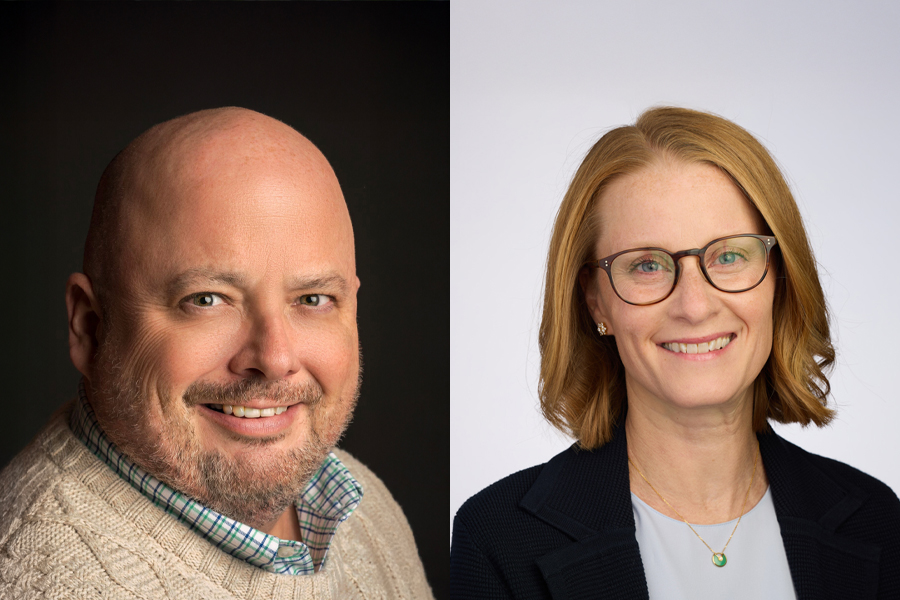
Two New York Institute of Technology alumni have been named to the Board of Trustees, the most recent alumni to join the university’s governing board.
Finding His Balance
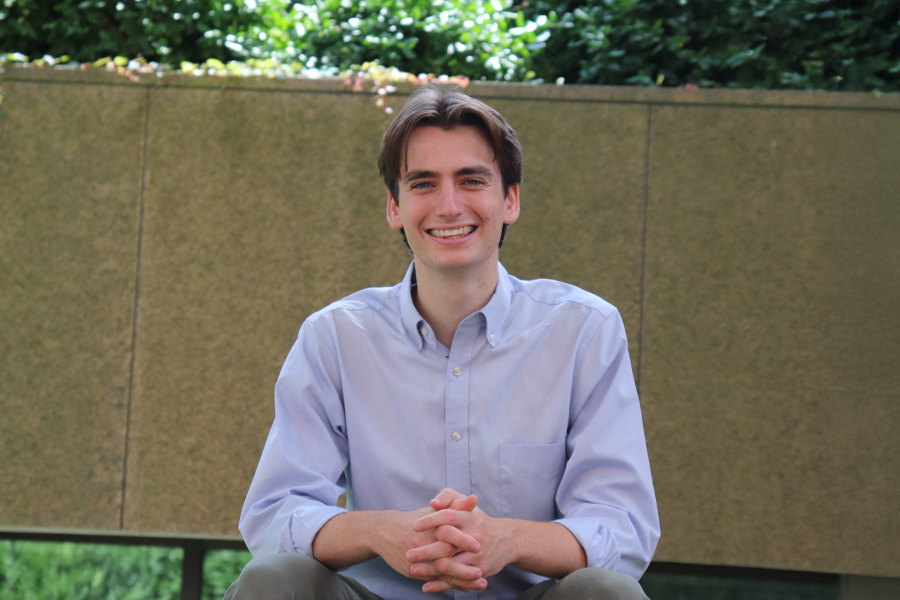
Noah Hoonhout’s piece about navigating life as a medical student was published to a Substack with more than 100,000 readers.

Winter Weather Safety 101
Shane Speights, D.O., site dean at NYITCOM-Arkansas, shares tips to stay warm, dry, and safe during the cold months.
A Collaboration Across Continents
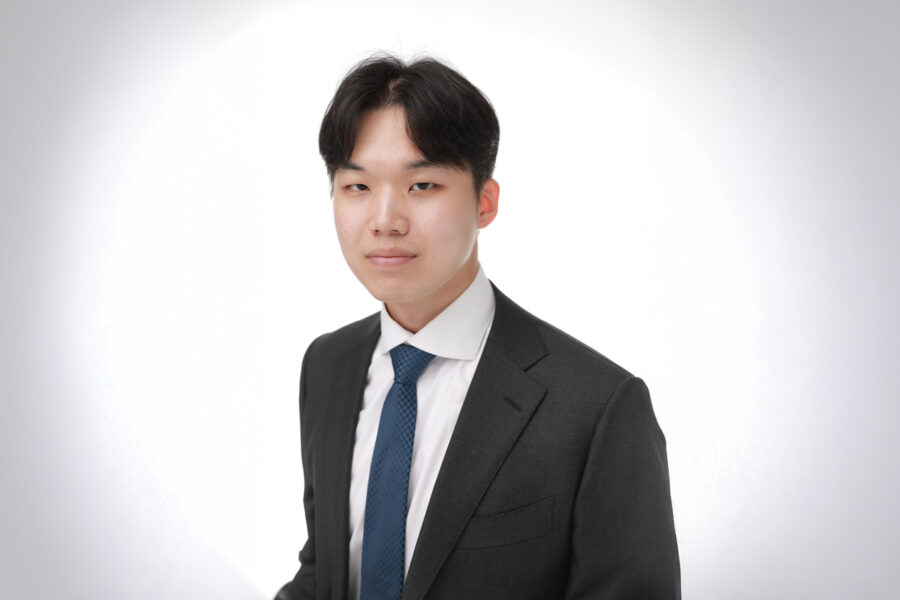
Medical student Dongchan (Alex) Lee participated in an academic study at Dong-A University alongside South Korean researchers as they explored possible links between mineral intake and depression.