From Friends to Business Partners
Gustavo Penengo (B.Arch. ’96) and Philip Rossillo (B.Arch. ’97) met as architecture students at New York Tech and have remained close ever since. However, they are not always physically close, as they now live on opposite sides of the country, but the two formed a bond through their studies, which has served them well in their 20-year partnership. “Architectural education was rough back then,” says Rossillo. “It was long nights in the studio, a lot of physical model-making and drawing bent over a table for hours and hours. You tend to form bonds with other students, and Gustavo and I became good friends.”
“Through New York Tech, we both spent a summer in Europe. I was in Italy, and Phil was in France, but we got together [in Europe] for two weeks and worked on stuff together. We had a good time,” remembers Penengo. Rossillo also recalls that experience as standing out in their development as architects and partners. “When you’re in the studio, in school, you’re looking at buildings and analyzing what went into it, what the architect was thinking. But when you see it in person, especially the architecture in Europe, it surpasses anything you see in a book.”
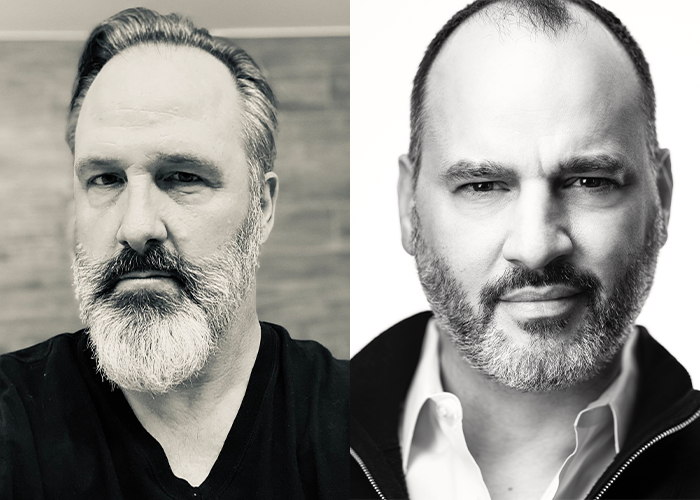
Once they graduated, they continued to help each other, each getting the other work and consulting on each other’s projects. They collaborated on a proposal for a 9/11 memorial in Eisenhower Park on Long Island. The proposal wasn’t successful, but the partnership was—they decided to make it official and go into business together. Twenty years later, their firm PRDG architecture + design is bicoastal, with offices in New York, where Rossillo lives, and Seattle, where Penengo is based. The boutique firm specializes in custom luxury homes and has become known nationwide for designs that combine a modern aesthetic with natural surroundings. “We really spend time analyzing the site, studying it, and finding the best opportunities it offers,” says Penengo. “We’re not just dropping down some modern things somewhere. There are always very strong connections to the site that drive us and our designs.”
The two credit their successful collaboration to their mutual laid-back manner and shared taste. “Our aesthetic is about open space, about bringing a lot of light and air—especially to the communal parts of the homes, the ‘public spaces’ like living rooms and kitchens,” says Rossillo. “We touch on all the essentials of modernism, the pure parts of it,” Penengo adds.
That harmonious style of working comes in handy, especially when faced with problems requiring out-of-the-box solutions. “We were working on a very complex project in the Hamptons. There were a lot of restrictions on the space, and the client really wanted a regulation professional tennis court,” remembers Penengo. “We were scratching our heads because there was no way we could fit it on the site. One of us said, ‘What if we put it on the roof?’ And we looked at each other and thought, ‘That might be the answer.’ And it was, which was pretty wild.”

More Features

Faculty and Alumni Publish New Books
New publications from members of the New York Tech community explore topics and interests across the fiction and nonfiction genres.
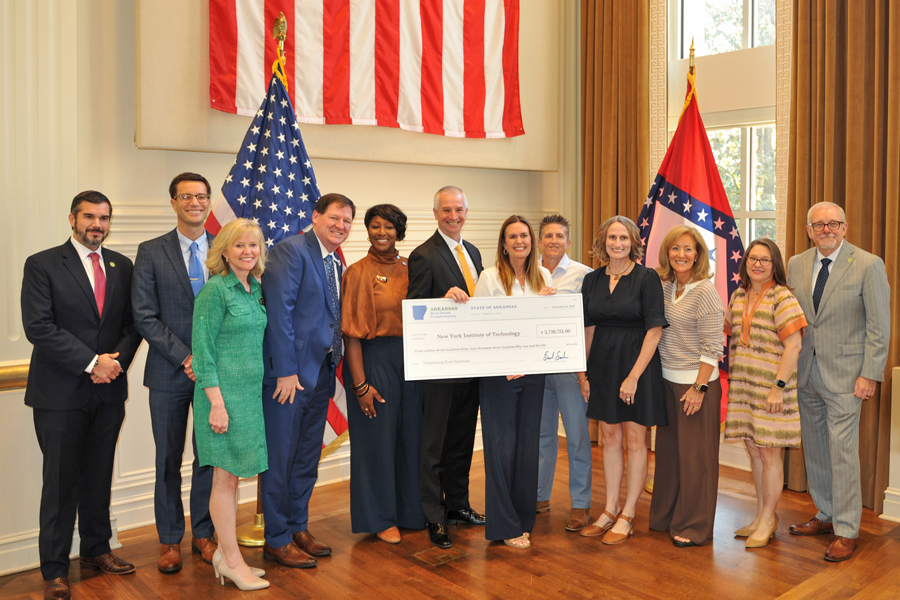
NYITCOM-Arkansas Receives Two Grants for New Residency Program, EMS Training Initiative
Two Rural Health Transformation Project grants, totaling $3.7 million, will support health education programs at the College of Osteopathic Medicine at Arkansas State University (NYITCOM-Arkansas).
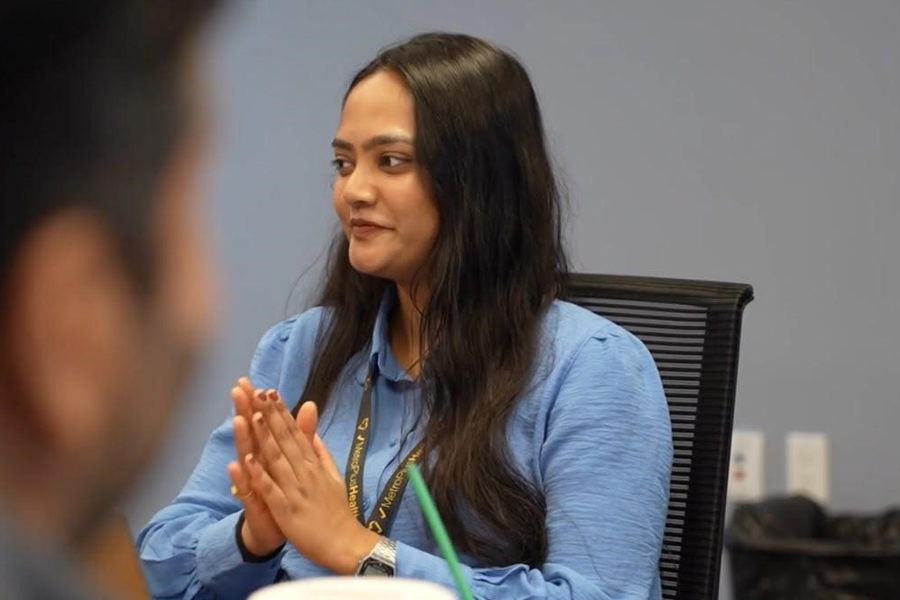
Intern Insight: Mansi Santosh Tikam
M.B.A. student Mansi Santosh Tikam spent her summer interning with MetroPlusHealth, where she learned what it means to be a marketing professional.
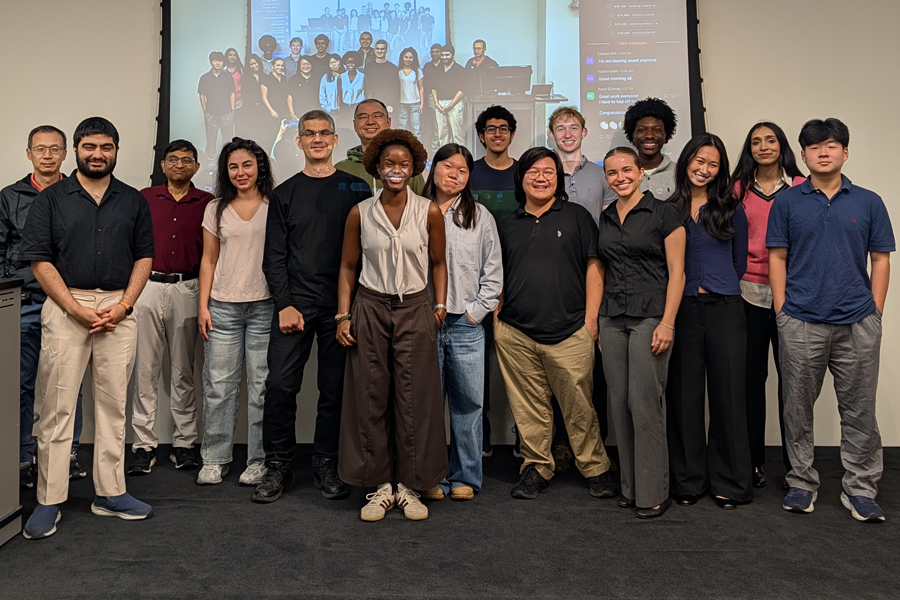
The Domino Effect
New York Tech’s Research Experiences for Undergraduates program has spent more than a decade turning summer research opportunities into lasting careers, helping build the university’s research reputation along the way.
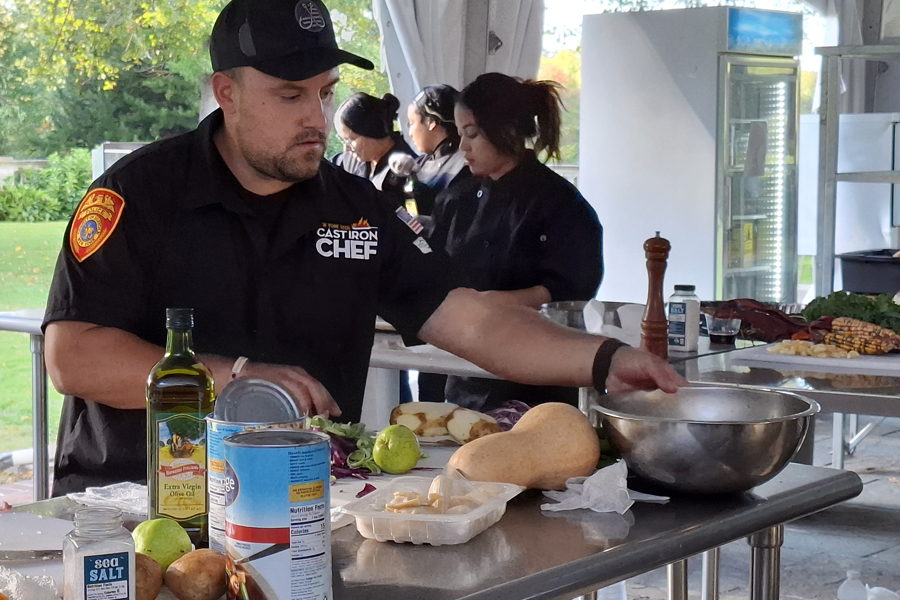
Officers Cook at 12th Annual Cast Iron Chef
This year’s Cast Iron Chef cooking competition welcomed teams of local law enforcement officers for an evening of culinary fun.
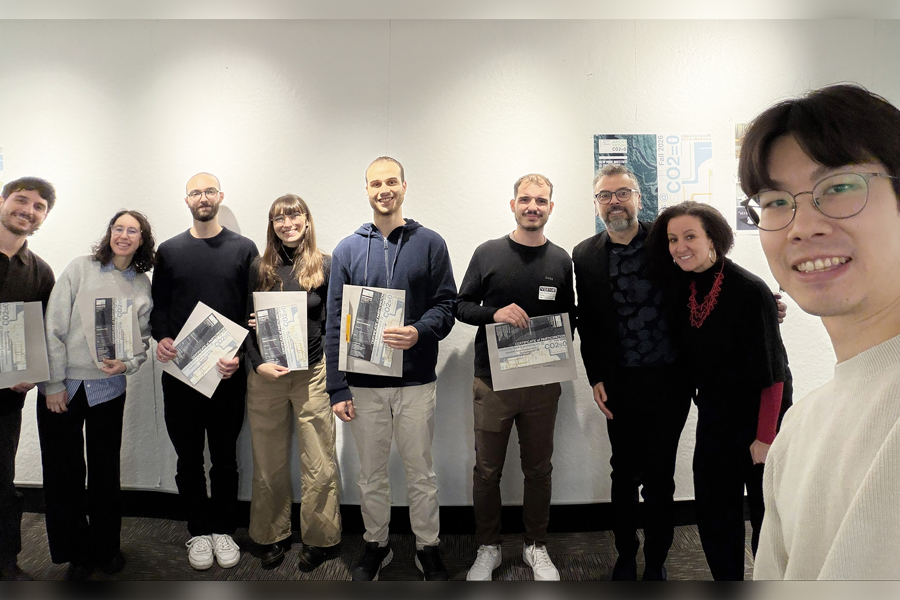
International Collaboration: School of Architecture and Design and IUAV
Graduate architecture students from Università Iuav di Venezia (IUAV) in Venice participated in a week-long atelier on the New York City campus, while School of Architecture and Design students traveled to Venice for a 17-day workshop.