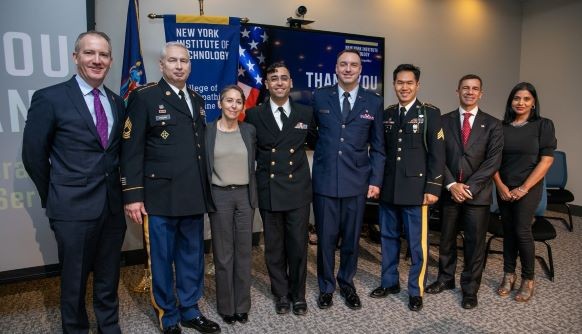
Honoring Those Who Answer the Call of Duty
In honor of Veterans Day, NYITCOM alumni, including military physicians, shared stories of caring for veterans and active service members.
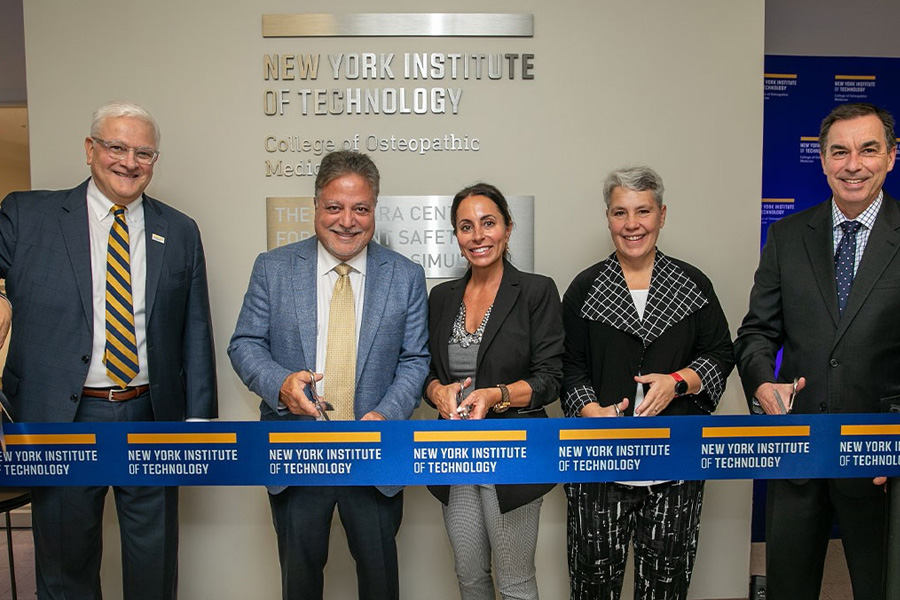
Introducing the Ferrara Center for Patient Safety and Clinical Simulation
On October 12, NYITCOM held an official grand opening for the Ferrara Center for Patient Safety and Clinical Simulation and honored esteemed alumnus and New York Tech Board of Trustees Vice Chair Daniel Ferrara (D.O. ’86).
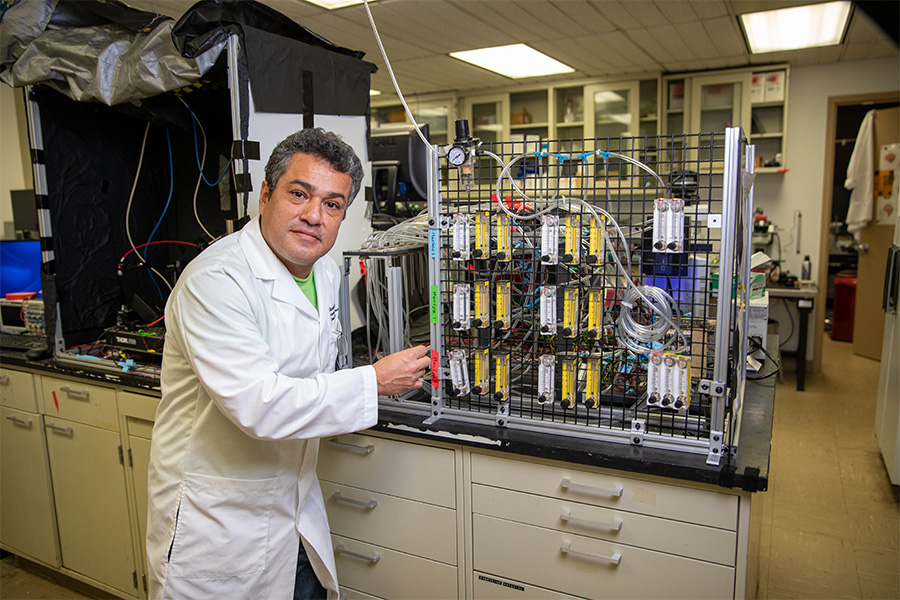
NYITCOM Researchers on the Scent
In a new study, Assistant Professor of Biomedical Sciences Gonzalo Otazu, Ph.D., of the College of Osteopathic Medicine(NYITCOM), continues to pursue clues that could help explain how sense of smell is impacted in individuals with autism.
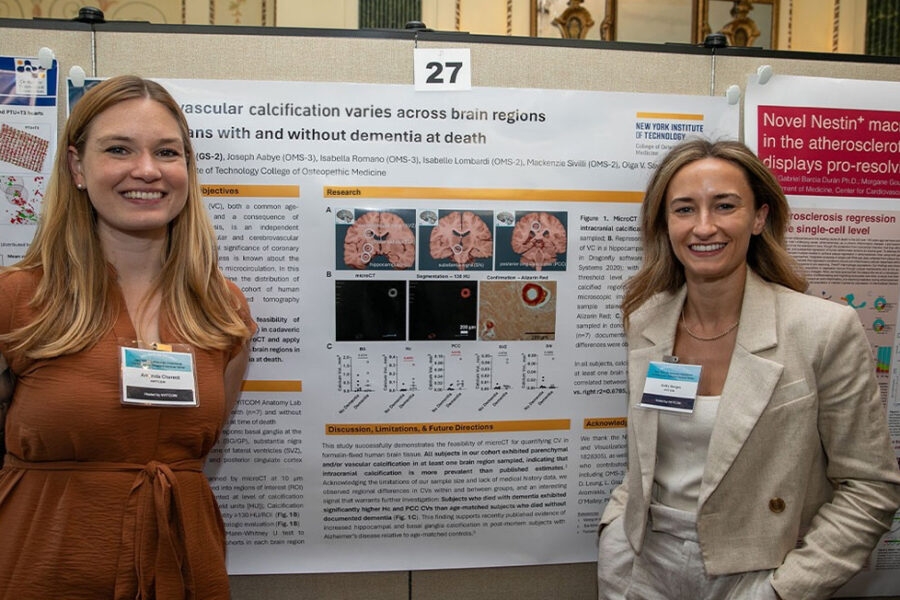
NYITCOM Hosts Cardiovascular Research Seminar
At a scholarly forum, NYITCOM faculty and students showcased scientific findings, exchanged ideas with researchers from other institutions, and forged collaborations that could one day result in life-saving discoveries.
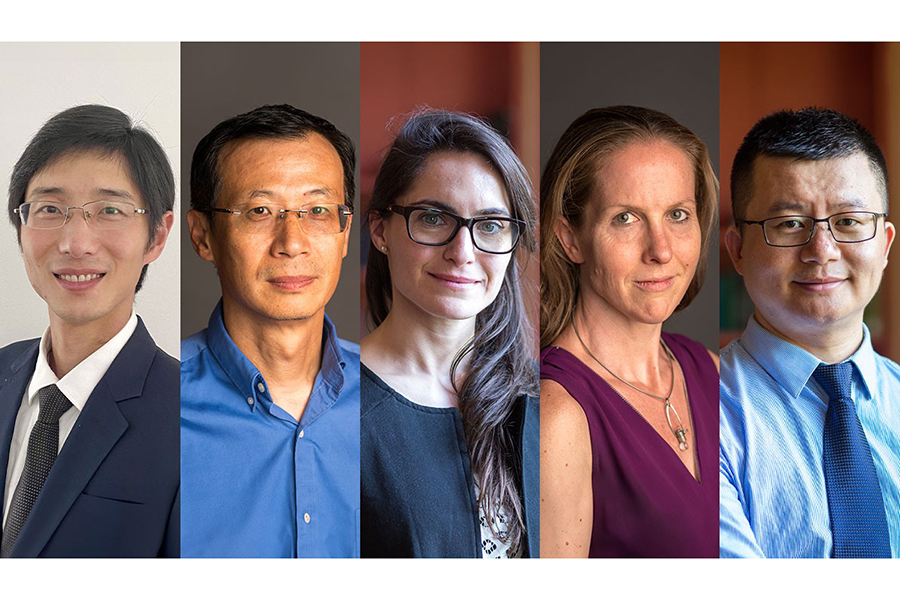
Researchers Secure Prestigious Federal Grants
Five research projects led by faculty have collectively secured more than $1.6 million in federal funding from the National Science Foundation and the National Institutes of Health.
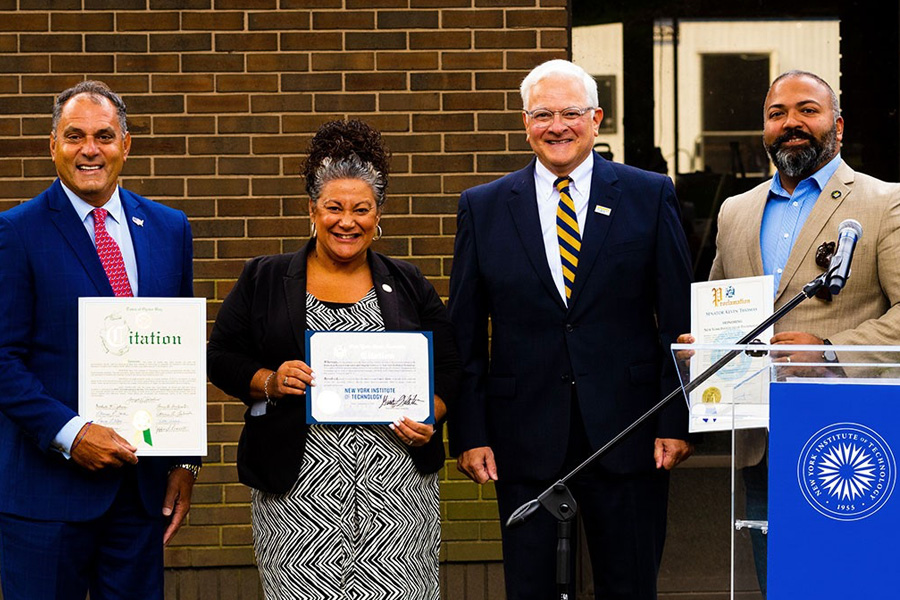
New High-Tech Research Center Coming to Long Island Campus
On September 15, New York Tech celebrated the official kickoff to the construction of the Biomedical Research, Innovation, and Imaging Center (BRIIC).
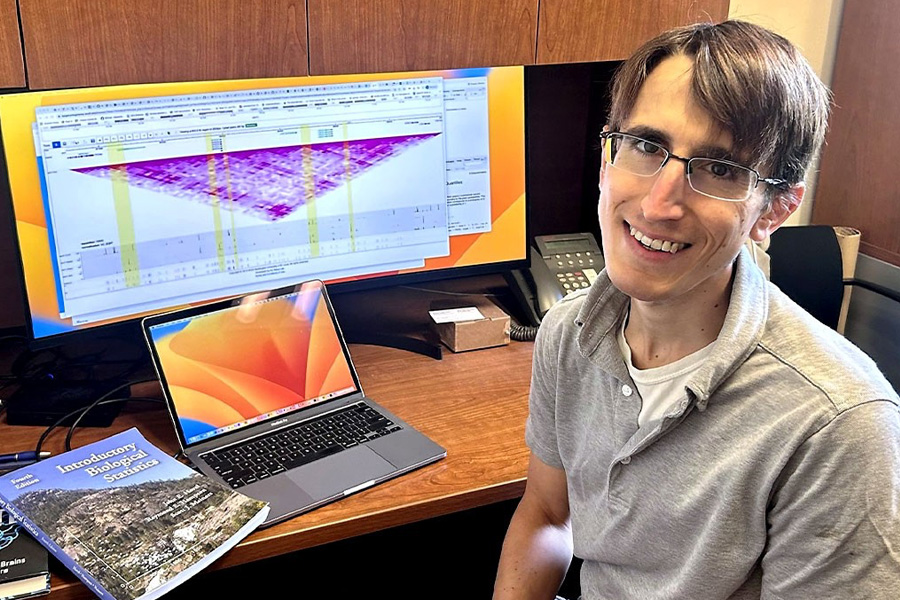
Unlocking New Insights Into Breast Cancer Risk
Research by the College of Arts and Sciences’ William Letsou, Ph.D., could change how scientists and physicians understand genetic predisposition to breast cancer.
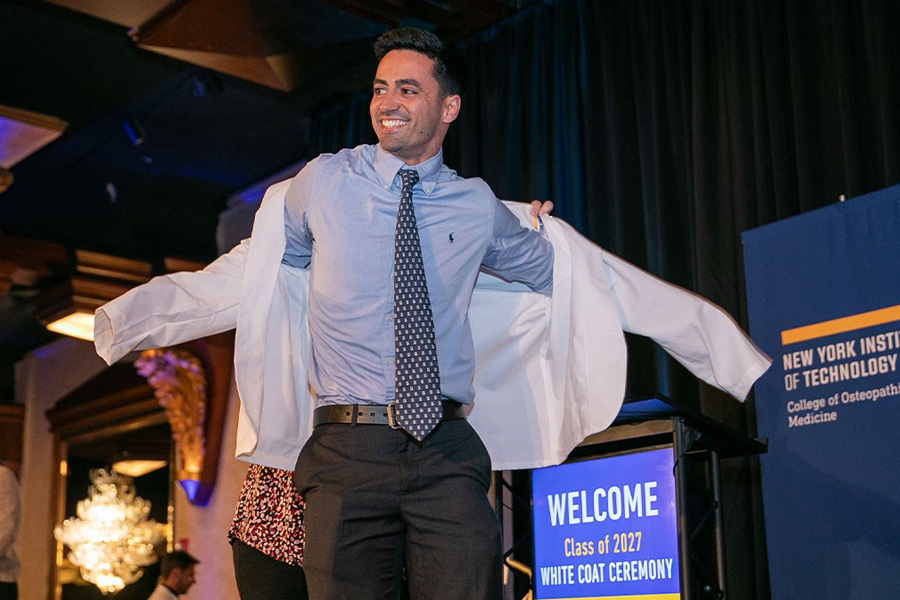
Coating NYITCOM’s Class of 2027
NYITCOM’s annual White Coat Ceremonies on Long Island, N.Y., and in Jonesboro, Ark., welcomed its newest cohort of future physicians.
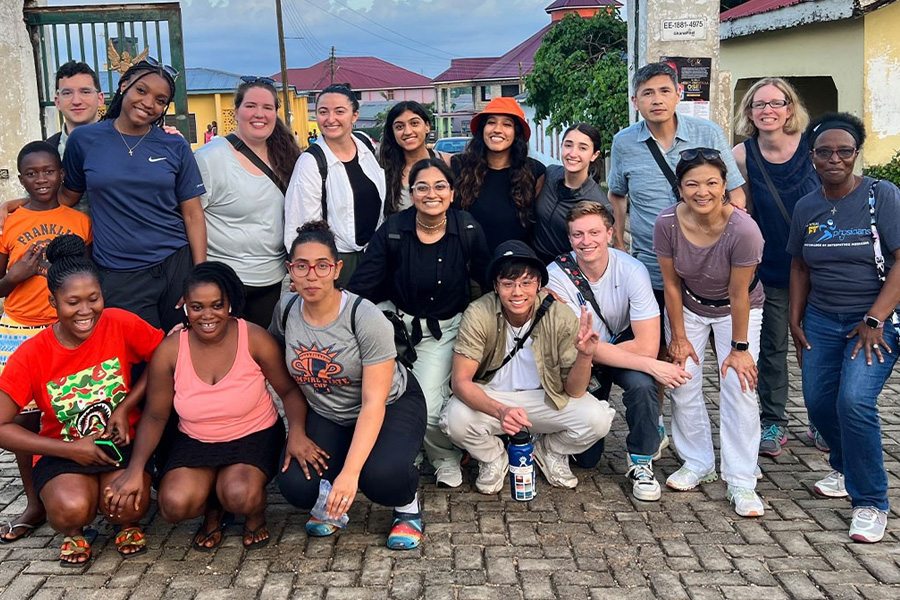
Delivering Care and Compassion Abroad
This summer, 24 NYITCOM students embarked on transformative service-learning trips to Ghana and the Dominican Republic.
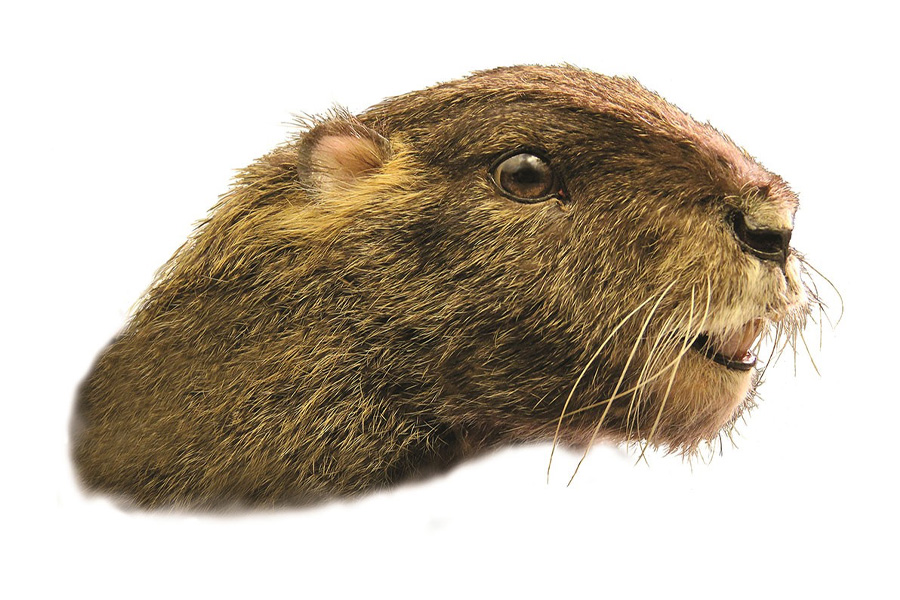
Beyond the Bones: The “Tail” of an Ancient Beast
NYITCOM Associate Professor Simone Hoffmann, Ph.D., is part of a team “unearthing” significant clues about an extinct, ancient mammal.