
Op-ed: Universities Need More AI, Not Less
Is artificial intelligence (AI) a threat to the integrity of a college degree? Many universities fret that it will “kill higher education.” But this fear is misplaced, and even dangerous. AI is an essential tool for the modern economy, and excommunicating it from the classroom will only produce graduates unprepared for the future.
“Instead, universities must teach their students to ‘learn how to learn’—to adapt to disruptive technologies like AI,” writes President Jerry Balentine, D.O., in an op-ed in The Wall Street Journal.
The current panic over AI is no different from the reaction when calculators and computers first entered classrooms. Of course, computers and calculators did not render generations of students unable to do math. “What matters is training students to use the technology properly,” he states. Universities should teach their students to use AI as a way to enhance critical thinking, not replace it. Fluency with today’s AI tools can also prepare students for the next generation of technology.
Employers are already prioritizing AI competency and adaptability. More than 90 percent of Bank of America’s workforce now uses AI tools. And Accenture recently announced plans to lay off employees who can’t reskill on AI.
AI-related job postings have doubled in the last year, signaling that the future belongs to those adapting to new technologies. Higher education must do the same. AI technology won’t replace people entirely—but “those who know how to use AI will replace those who don’t,” says President Balentine. “Universities must strive to ensure their graduates fall into the former group.”
At New York Tech, we teach how AI works and how to use it ethically and effectively. Our architecture students employ AI as a force multiplier. Students in our business AI major learn AI skills alongside traditional analytics.
Other institutions integrate AI training across disciplines, but universities must make AI-integrated degrees and courses more commonplace, as well as support mid-career professionals and employers in AI adaptation.
We don’t know what AI will look like a decade from now, “but if we don’t start preparing students now, they’ll be left behind—and so will the institutions that failed them,” President Balentine concludes.
Read the entire op-ed and watch President Balentine discuss the major theme of his op-ed on a Fox and Friends news segment.
This op-ed is part of a campaign designed to help generate awareness and thought leadership for the university on topics of national relevance.
More News
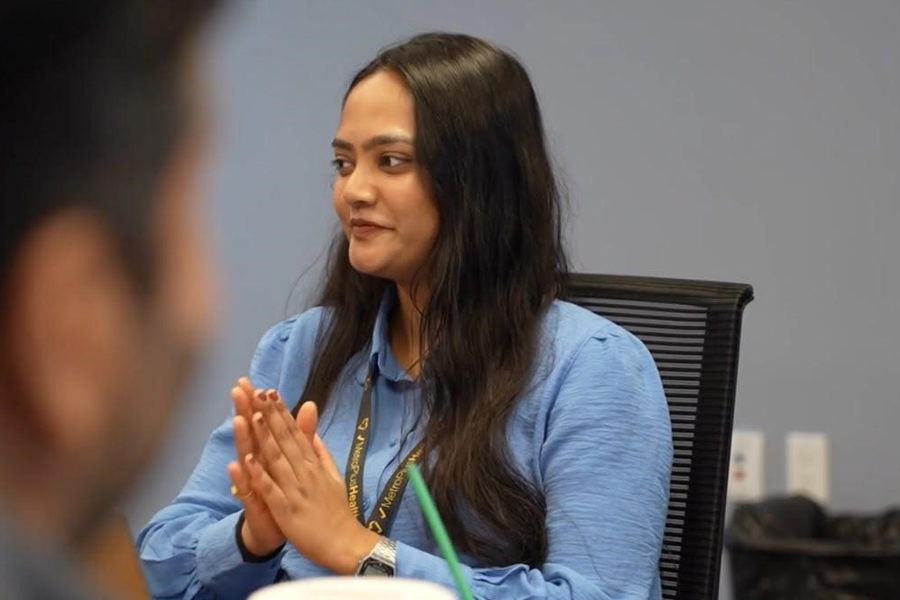
Intern Insight: Mansi Santosh Tikam
M.B.A. student Mansi Santosh Tikam spent her summer interning with MetroPlusHealth, where she learned what it means to be a marketing professional.
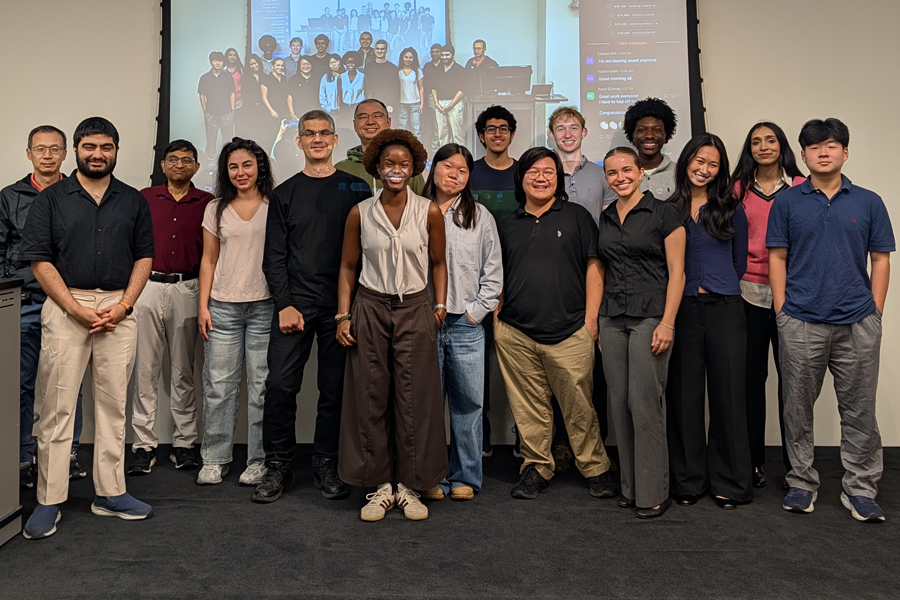
The Domino Effect
New York Tech’s Research Experiences for Undergraduates program has spent more than a decade turning summer research opportunities into lasting careers, helping build the university’s research reputation along the way.

Officers Cook at 12th Annual Cast Iron Chef
This year’s Cast Iron Chef cooking competition welcomed teams of local law enforcement officers for an evening of culinary fun.
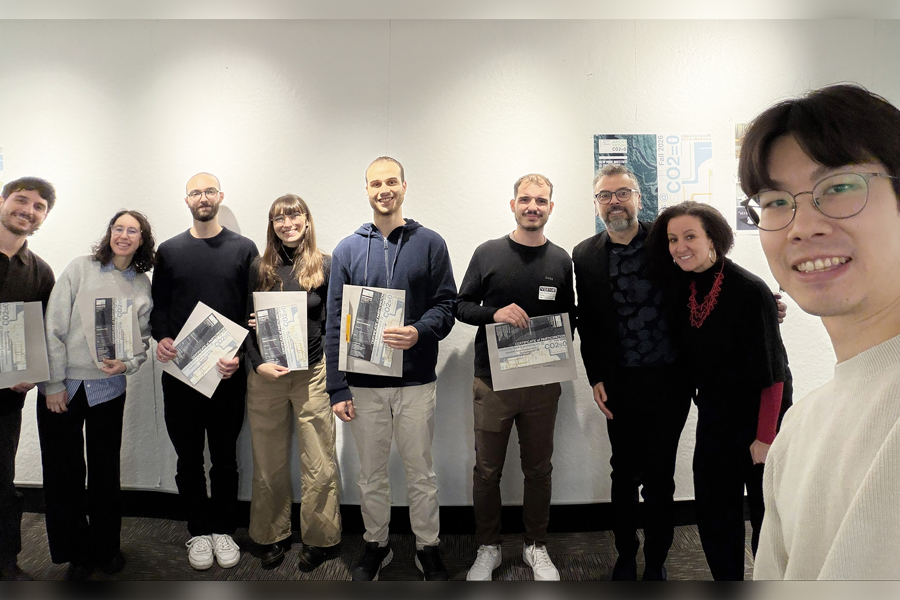
International Collaboration: School of Architecture and Design and IUAV
Graduate architecture students from Università Iuav di Venezia (IUAV) in Venice participated in a week-long atelier on the New York City campus, while School of Architecture and Design students traveled to Venice for a 17-day workshop.
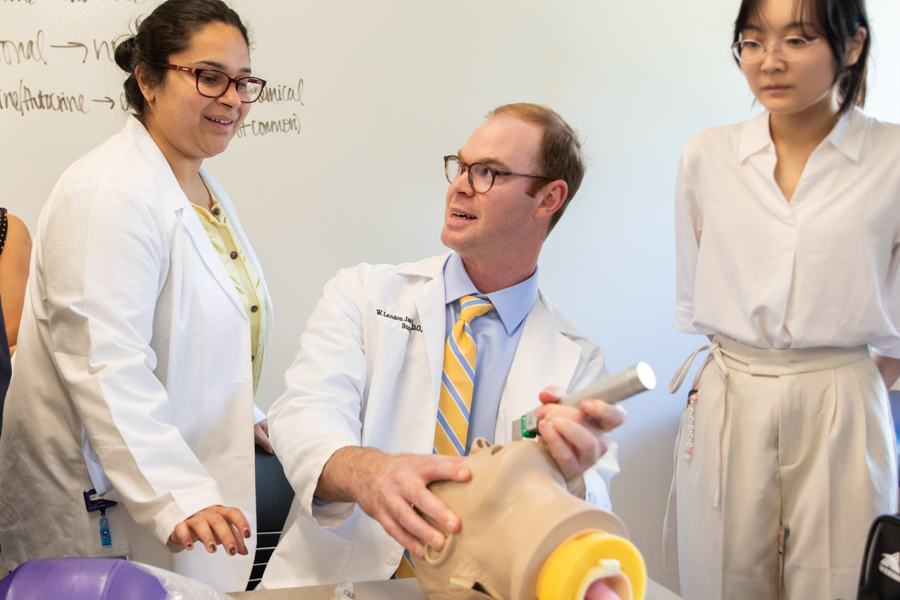
Alumnus Joins NYITCOM-Arkansas Faculty
William “Landon” Jackson, (M.S. ’21, D.O. ’21) has returned to his alma mater to serve as an assistant professor in NYITCOM-Arkansas’ Department of Clinical Sciences.

My Co-op Gig: Asghar Kazmi
Computer science student Asghar Kazmi worked for five months at GE Appliances—an experience he says aligned perfectly with his career goals.